Plant identification Worksheets for Ages 5-7
5 filtered results
-
From - To
Discover our engaging Plant Identification Worksheets designed specifically for children aged 5-7! These free printable resources introduce young learners to the fascinating world of plants. With vibrant images and simple activities, children will develop their observation skills while identifying common plants, flowers, and trees. Each worksheet encourages exploration and fosters a love for nature, making learning both fun and educational. Perfect for at-home activities or classroom use, our worksheets support early science skills and enhance understanding of the natural environment. Get your little botanists excited about discovery and help them cultivate a connection with the flora around them!
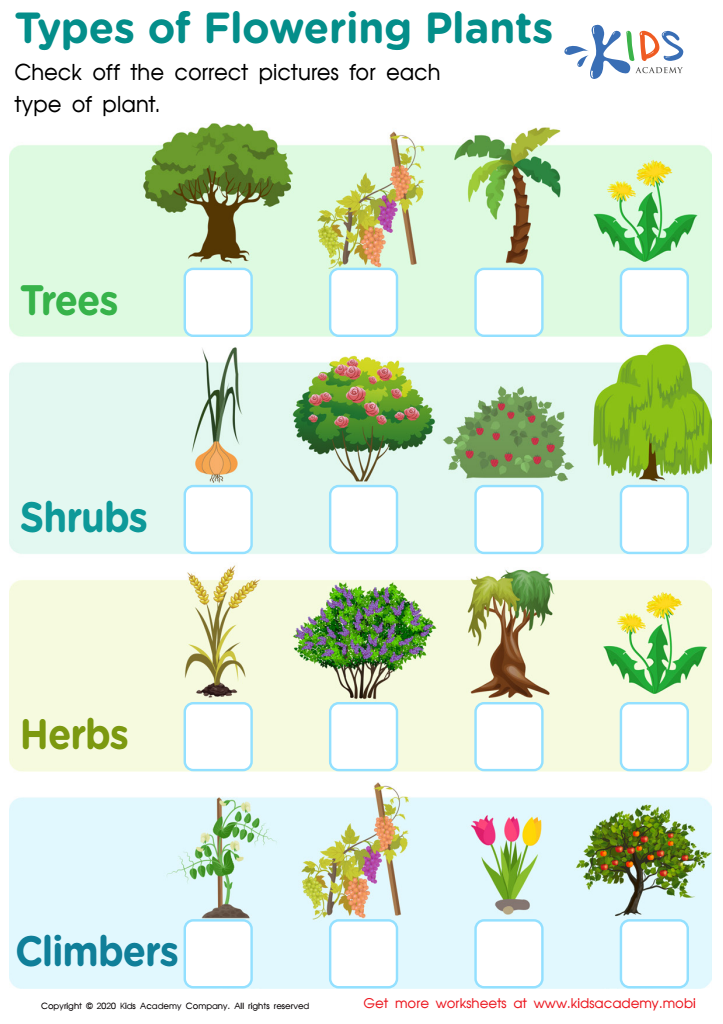
Types of Flowering Plants Worksheet
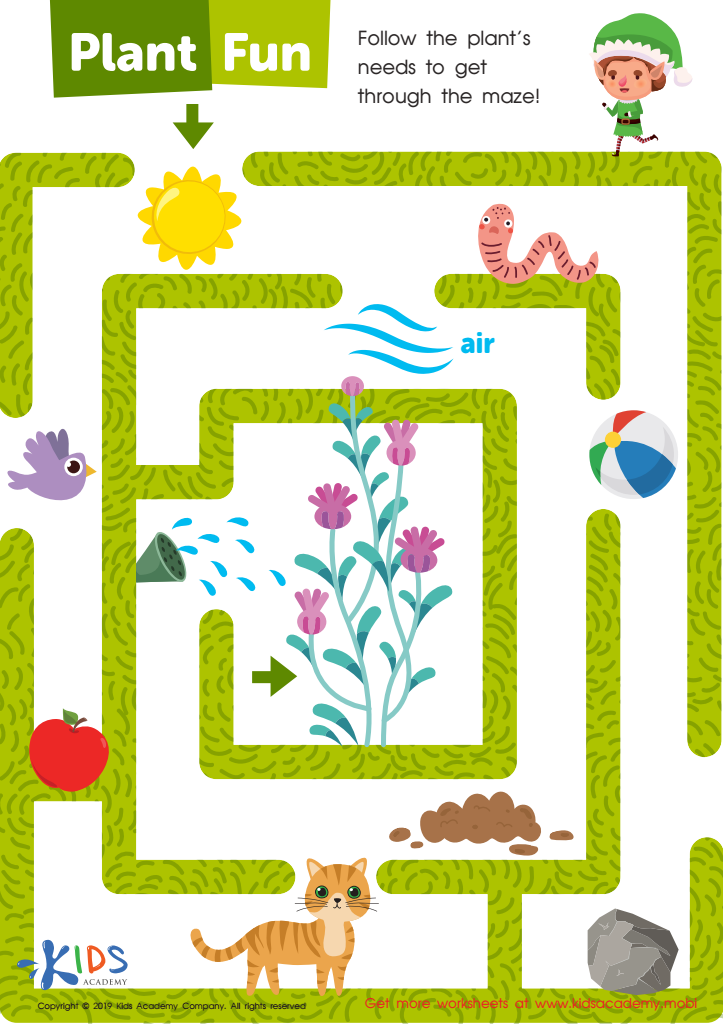
Plant Fun Worksheet
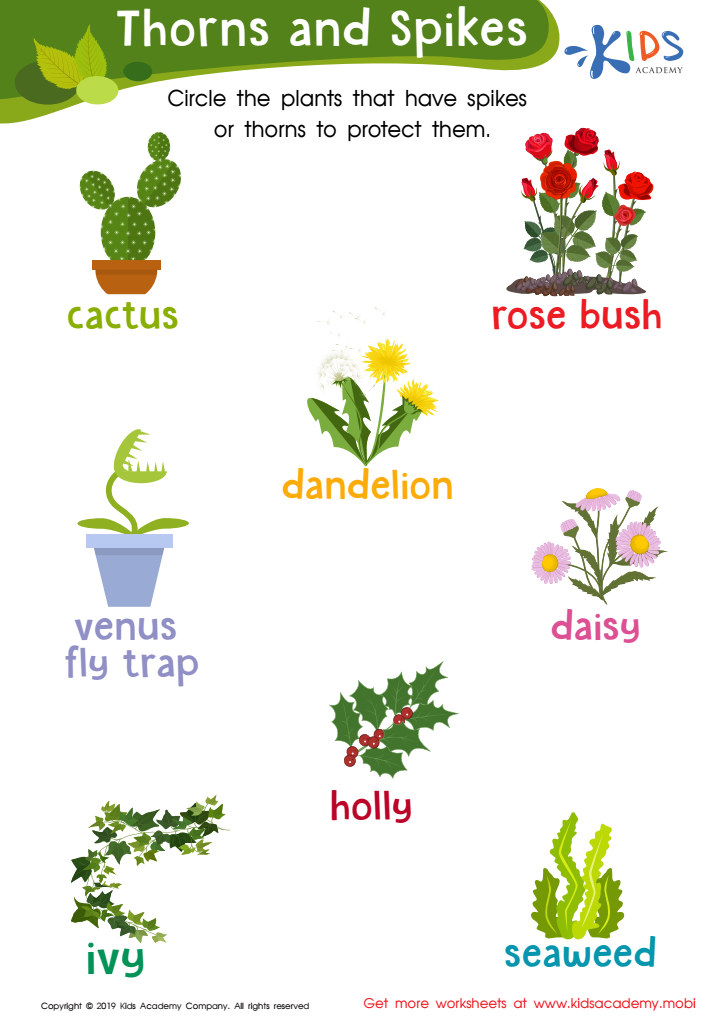
Thorns and Spikes Worksheet
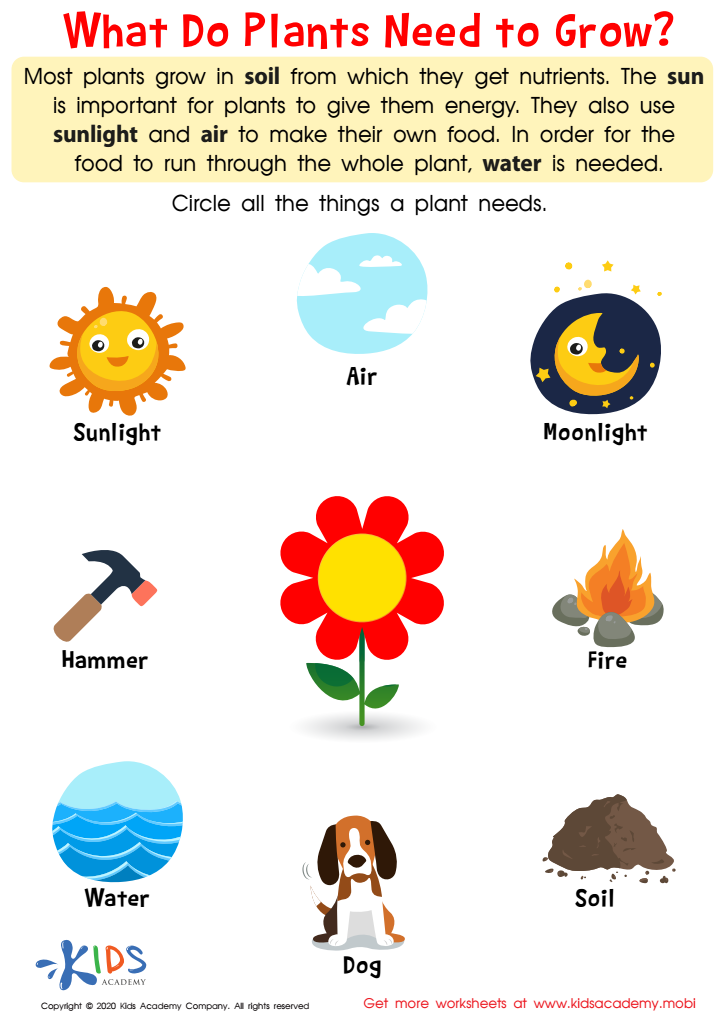
What Do Plants Need to Grow Worksheet
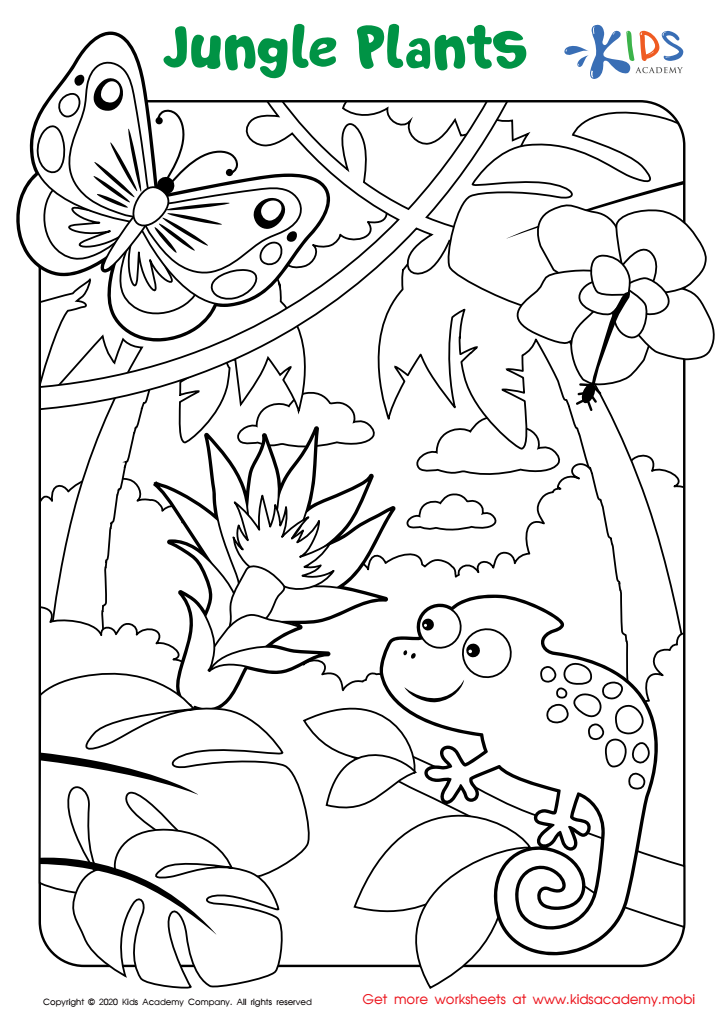
Jungle Plants Worksheet
 Assign to My Students








Plant identification is a valuable skill for children aged 5-7 that offers numerous educational and developmental benefits. First, engaging in plant identification fosters a sense of wonder and curiosity about the natural world. This early exposure to nature encourages children to observe their surroundings, enhancing their cognitive skills and attention spans.
Moreover, learning to identify different plants can instill a sense of responsibility for the environment, nurturing a generation that values conservation. This knowledge can spark discussions about ecosystems, food chains, and the importance of biodiversity, laying the groundwork for critical thinking skills.
Additionally, plant identification supports emotional and social skills. Activities like nature walks or gardening promote teamwork, communication, and patience while offering opportunities for children to bond over shared discoveries.
It also enhances sensory experiences, as children learn through touch, sight, and smell. Overall, caring about plant identification equips young learners with important life skills, fosters a love for nature, and contributes to their holistic development. Teachers and parents should integrate plant identification into educational activities, encouraging exploration and fostering a deep appreciation for the natural world from a young age.








