Practicing writing skills Worksheets for Ages 5-7
3 filtered results
-
From - To
Discover our engaging "Practicing Writing Skills" worksheets designed specifically for children aged 5-7. These printable activities are perfect for young learners eager to develop their writing abilities in a fun and interactive way. Featuring a variety of exercises, from letter tracing to word formation, our worksheets are tailored to enhance fine motor skills and boost confidence in budding writers. Each printable is crafted to align with educational standards, ensuring a comprehensive learning experience. Give your child the tools they need to express themselves creatively while mastering essential writing skills. Start building a solid foundation for their academic journey today!
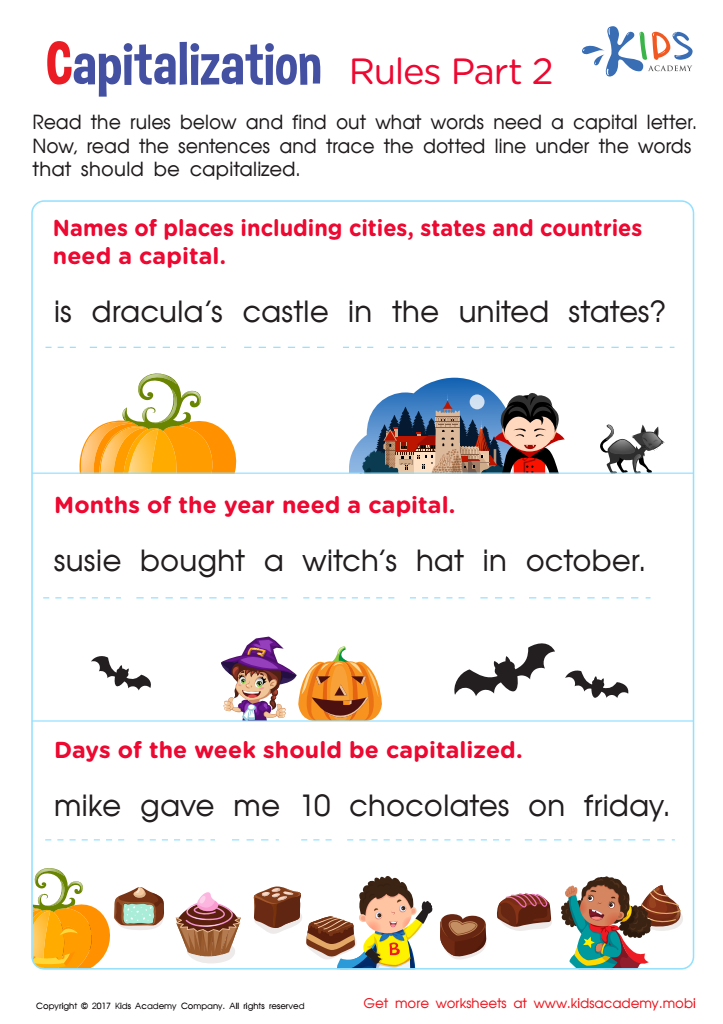
Capitalization Rules: Part 2 Worksheet
 Assign to My Students
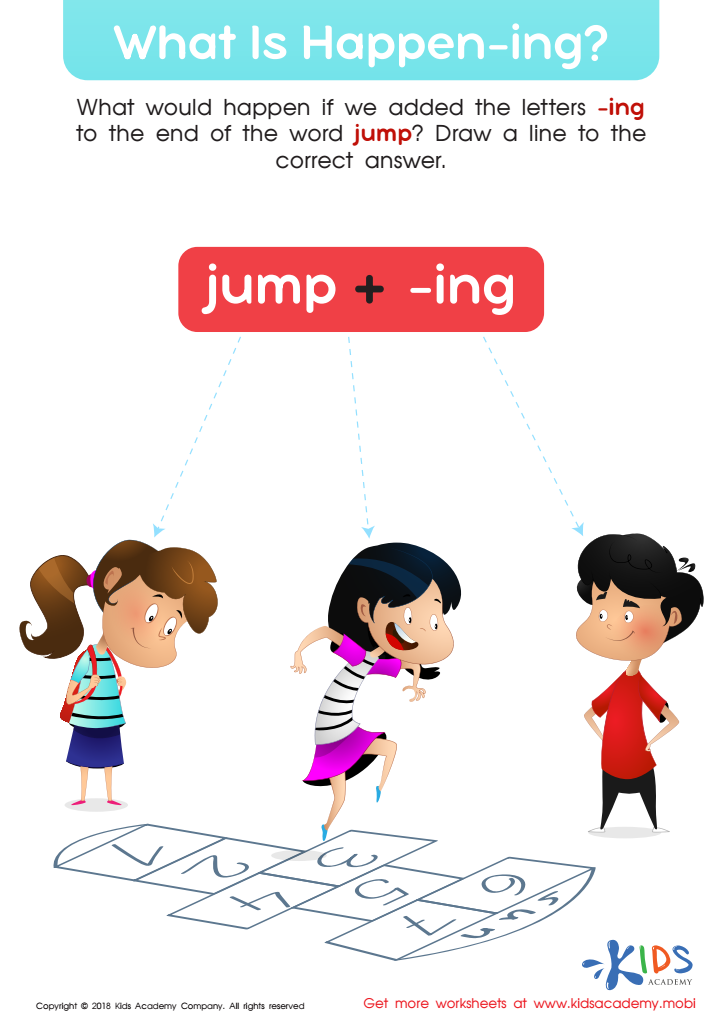
What Is Happen-Ing? Worksheet
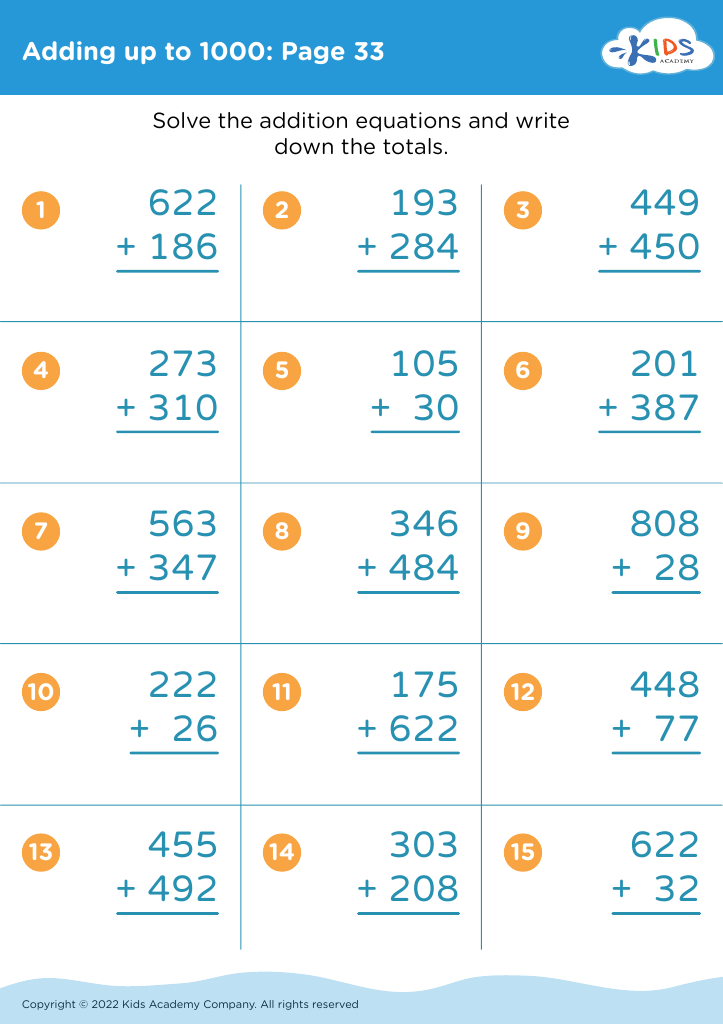







Practicing writing skills for children ages 5-7 is crucial for several reasons. First, this developmental stage is vital as children are transitioning from pre-writing to early writing, laying the foundation for their future literacy skills. Practicing writing helps enhance their fine motor skills, promoting better control over writing instruments, which is essential for successful handwriting.
Moreover, writing supports cognitive development. When children create written words, they engage in critical thinking, problem-solving, and the organization of their thoughts and ideas. These skills extend beyond literacy and positively impact their overall academic performance.
Writing also fosters creativity and self-expression. Children can convey their thoughts, feelings, and stories, boosting their confidence and encouraging a love for storytelling. This can also facilitate emotional development as they learn to communicate their emotions effectively.
Additionally, regular writing practice promotes communication skills. As children learn to articulate their thoughts on paper, they develop a deeper understanding of language, vocabulary, and sentence structure, essential for effective verbal communication.
In summary, encouraging writing practice in young children cultivates essential physical, cognitive, and emotional skills essential for their overall growth and development, making it a priority for parents and teachers alike.








