Problem-solving ability Worksheets for Ages 5-7
5 filtered results
-
From - To
Our Problem-Solving Ability Worksheets for ages 5-7 are designed to develop critical thinking and cognitive skills in young learners. These engaging, age-appropriate worksheets encourage children to identify patterns, understand sequences, and solve puzzles, fostering an early love for problem-solving. With colorful designs and captivating activities, kids are motivated to explore and enjoy learning. Ideal for both classroom and home use, these resources support foundational skills critical for future academic success. Parents and educators will find these worksheets invaluable in nurturing a child's analytical abilities, creativity, and confidence in tackling challenges independently. Empower your child's mind with our fun and educational worksheets!
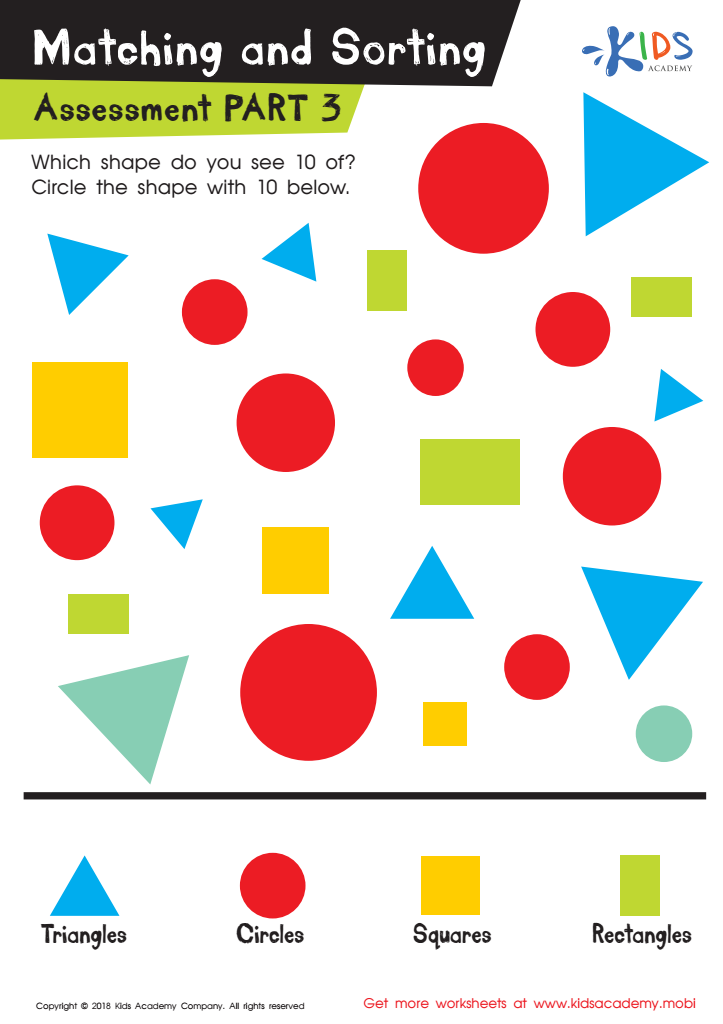
Matching and Sorting for Kindergarten: Assessment 3 Worksheet
 Assign to My Students
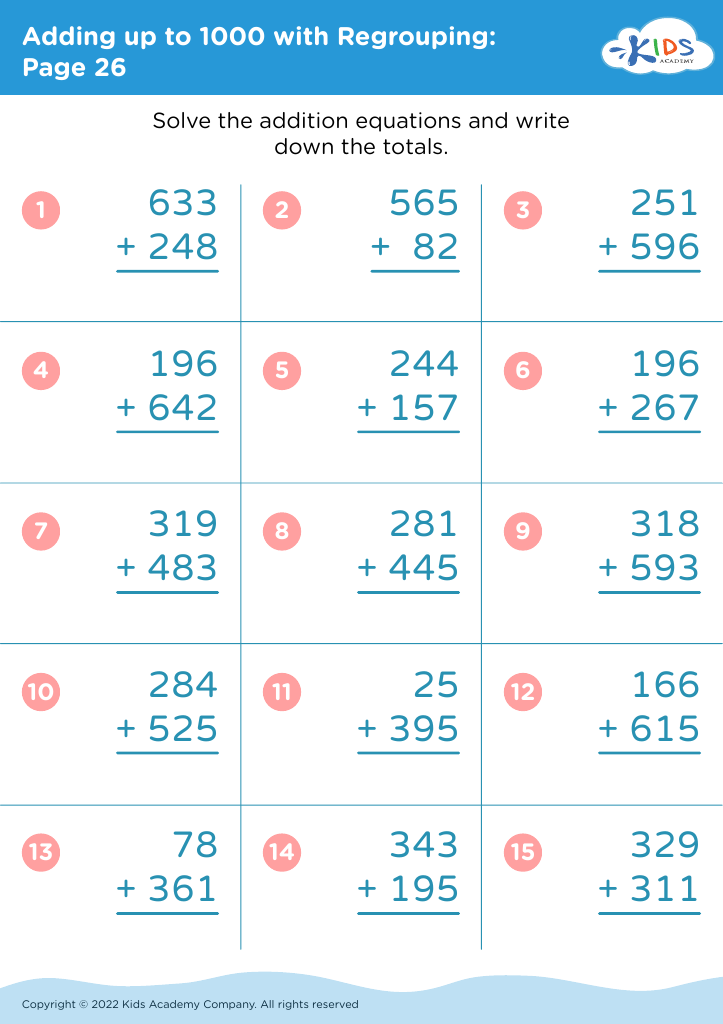
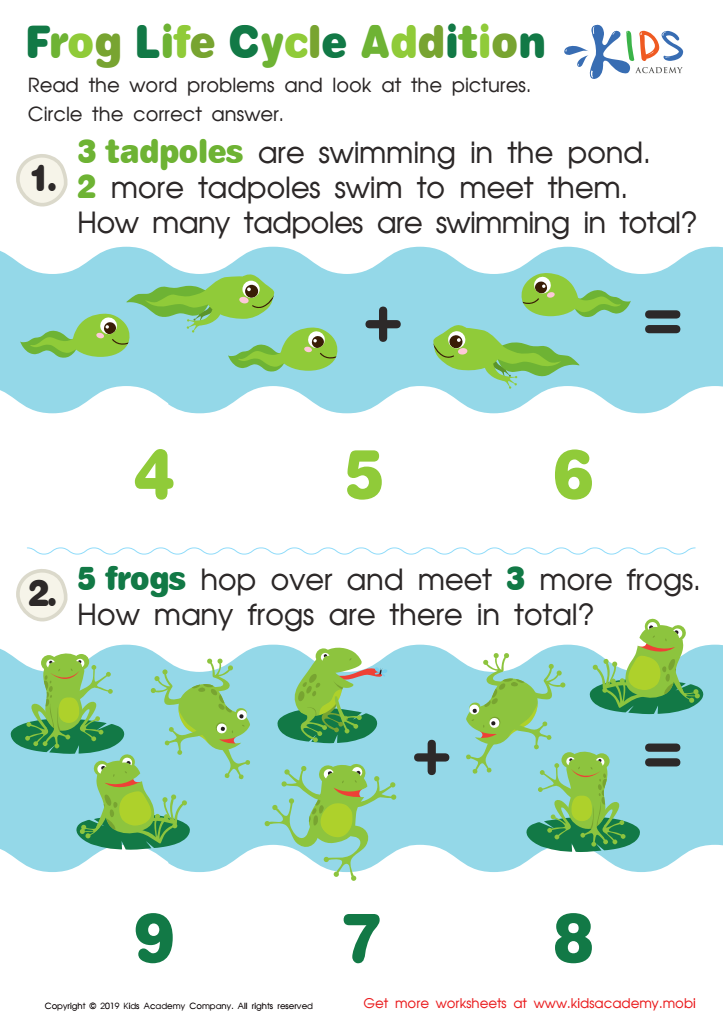
Frog Life Cycle Addition Worksheet
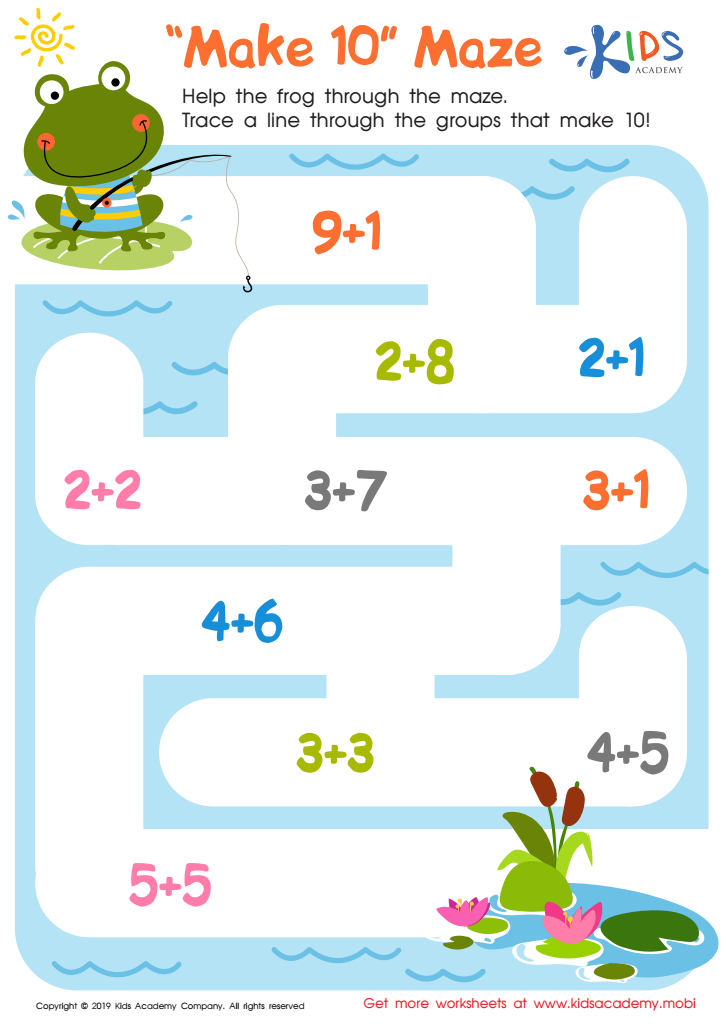
Make 10 Maze Worksheet
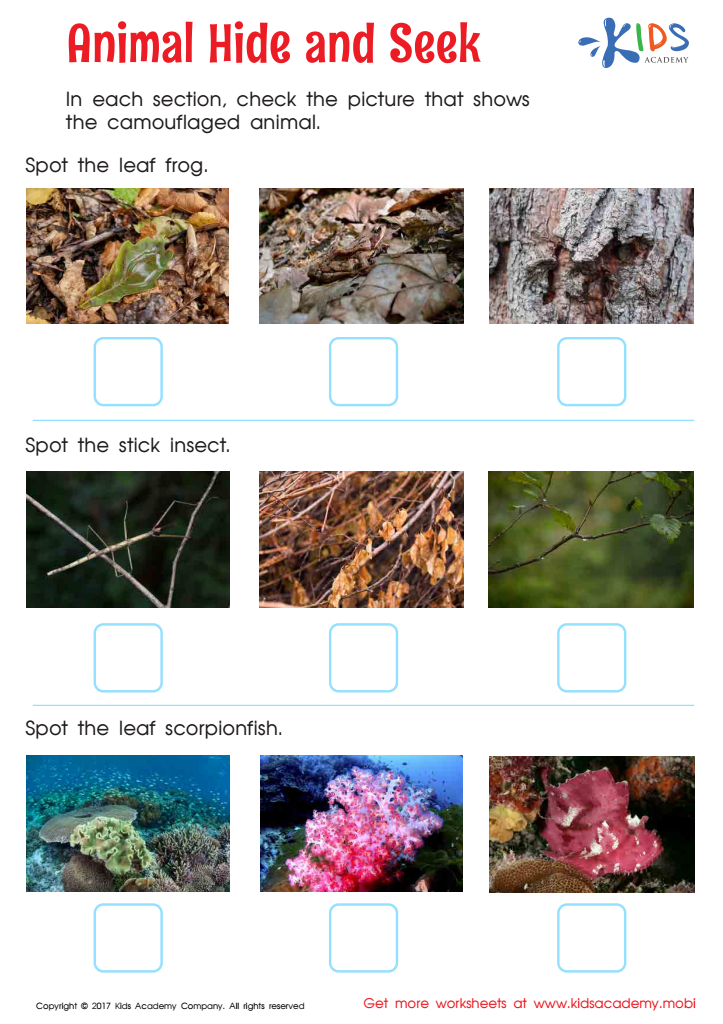
Animal Hide and Seek Worksheet


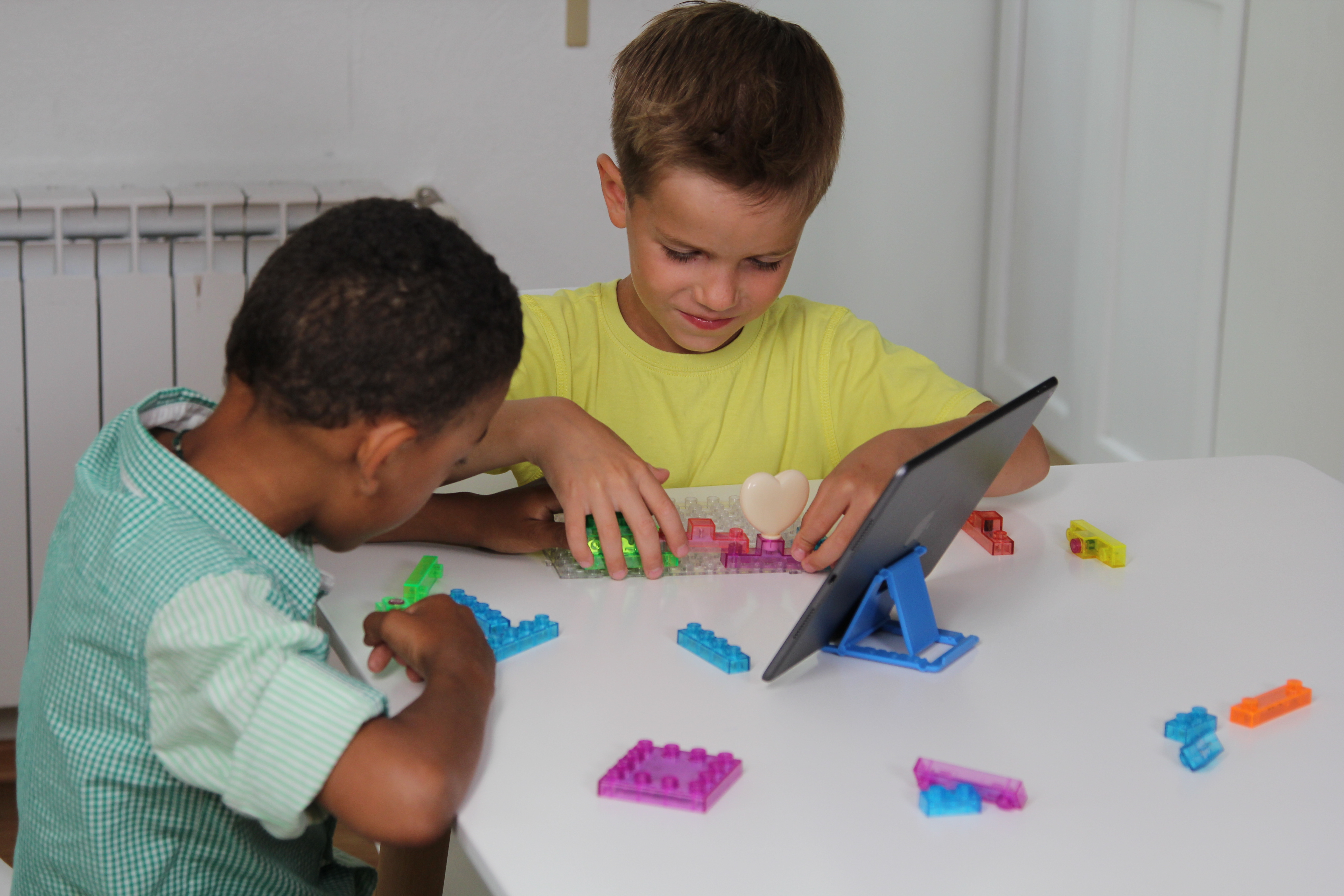



Problem-solving abilities are essential skills for children aged 5-7 as they lay the foundation for successful lifelong learning and personal development. At this critical stage, children are rapidly developing cognitively, emotionally, and socially. By nurturing problem-solving skills, parents and teachers empower children to tackle everyday challenges, which fosters independence and critical thinking.
Firstly, problem-solving skills enhance cognitive development, enabling children to process information, make decisions, and apply logic in various contexts. These skills encourage curiosity and creativity, motivating children to explore new concepts and ideas.
Emotionally, effective problem-solving allows children to manage frustration, build resilience, and develop a positive mindset towards overcoming obstacles. This emotional intelligence contributes to their self-esteem and overall emotional well-being.
Socially, problem-solving helps children navigate interpersonal interactions, improving communication and empathy. They learn to collaborate, negotiate, and resolve conflicts with peers, which are crucial skills for shaping healthy relationships.
Moreover, strong problem-solving abilities are linked to academic success. Children who can think critically and adapt to challenging tasks are better equipped to excel in subjects like math and science, thereby reinforcing their academic foundation.
In summary, fostering problem-solving skills in young children prepares them for future challenges, building a well-rounded and resilient individual capable of thriving in various aspects of life.








