Reading thermometers Worksheets for Ages 5-7
3 filtered results
-
From - To
Discover our engaging Reading Thermometers Worksheets designed specifically for ages 5-7! These interactive resources help young learners understand how to read and interpret thermometer measurements, making learning about temperature fun and accessible. Each worksheet features colorful visuals and age-appropriate activities that encourage children to practice their skills in a vibrant, hands-on way. From matching temperatures to answering simple questions, these worksheets promote critical thinking and boost confidence in math and science concepts. Perfect for classroom use or at-home learning, our Reading Thermometers Worksheets are an excellent tool to inspire curiosity and develop foundational skills in measuring temperature. Start exploring today!
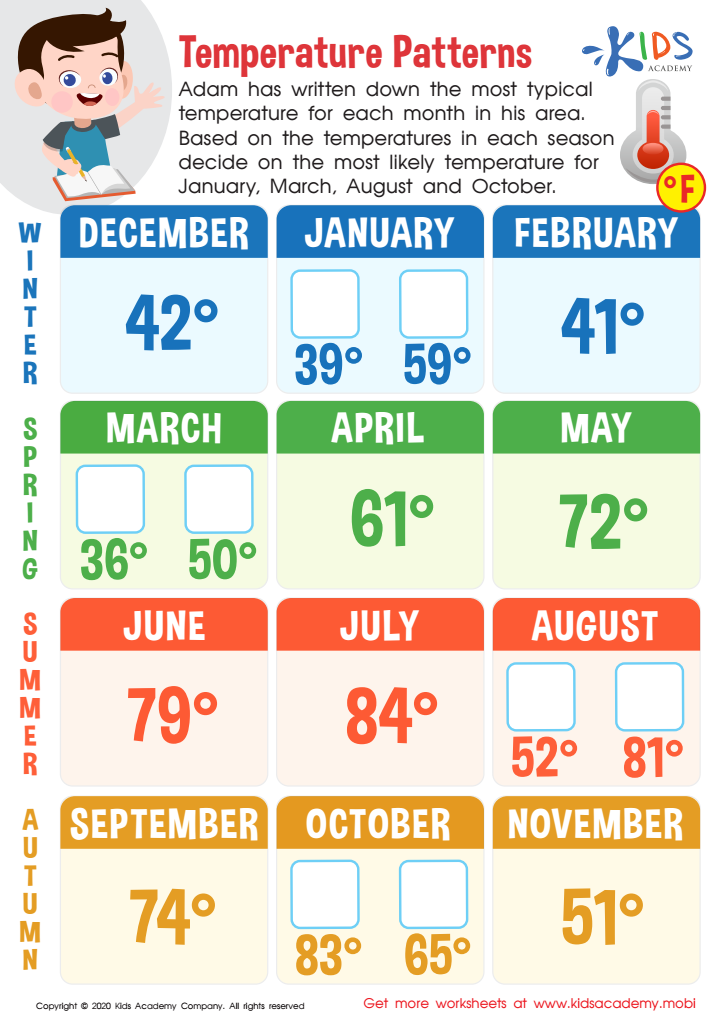
Temperature Patterns Worksheet
 Assign to My Students
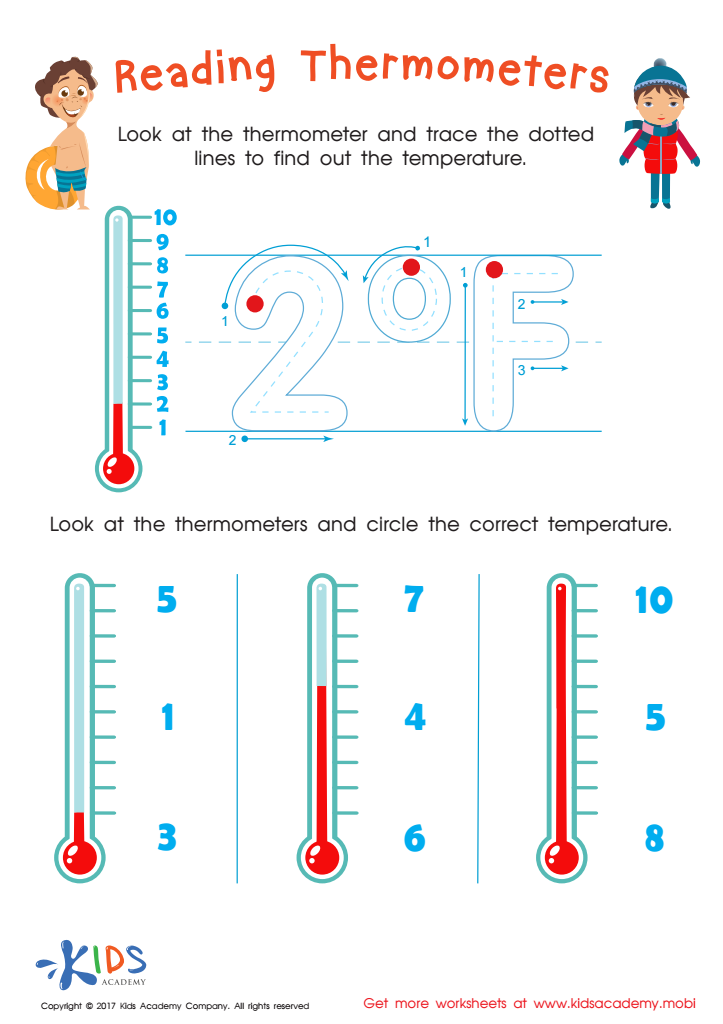
Reading Thermometers Printable
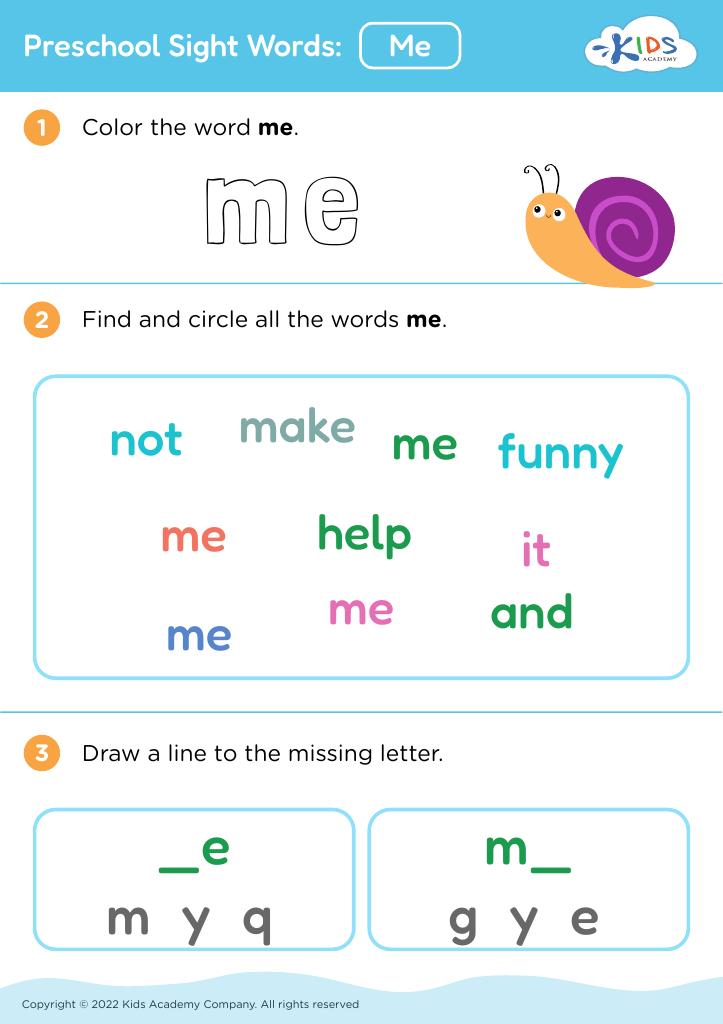




.jpg)
.jpg)


Reading thermometers is an essential skill for children ages 5-7, as it lays the foundation for their understanding of measurements and scientific concepts. For parents and teachers, fostering this skill can support a child's overall development in several ways.
Firstly, it promotes numeracy skills, helping kids recognize numbers and understand their values. Learning to read a thermometer enhances their grasp of greater and lesser, as they interpret temperature ranges. This comprehension is vital for future mathematical concepts, such as graphs and charts.
Secondly, reading thermometers encourages critical thinking and observational skills. Children learn how to measure accurately and interpret data, key components in the scientific method. Engaging in hands-on activities with thermometers can spark interest in science, encouraging a love for exploration and inquiry.
Lastly, understanding temperature aids children in everyday life, from dressing appropriately for the weather to understanding health indicators through body temperature measurement. It builds a sense of responsibility for self-care and awareness of their environment.
In summary, teaching kids to read thermometers equips them with valuable skills that extend beyond academics, fostering independence, curiosity, and the ability to think critically about the world around them.








