Understanding equality Worksheets for Ages 5-7
5 filtered results
-
From - To
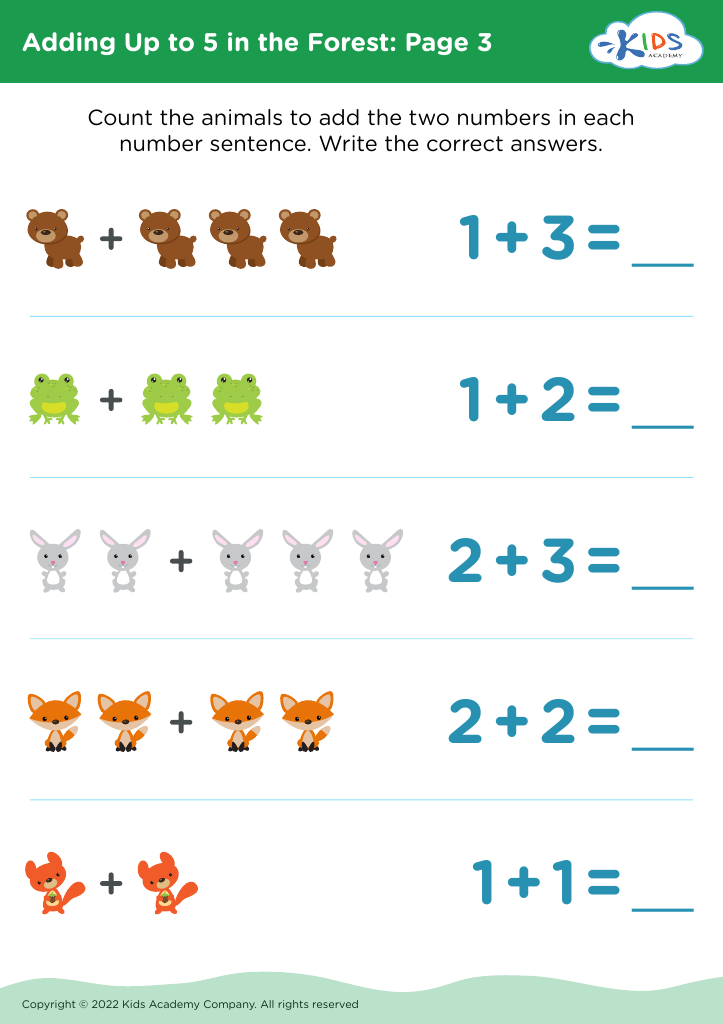
Explore our "Understanding Equality Worksheets for Ages 5-7" designed to engage young learners in foundational math concepts. These worksheets introduce kids to the idea of equality through fun and relatable activities, helping them grasp the importance of balance in math. With colorful visuals and interactive exercises, students will practice identifying equal and unequal groups, comparing quantities, and recognizing simple equations. Our resources foster critical thinking and promote a positive attitude towards math, making learning enjoyable. Perfect for teachers and parents, these worksheets provide valuable support for early education, ensuring children develop a strong understanding of equality concepts as they build confidence in their skills.
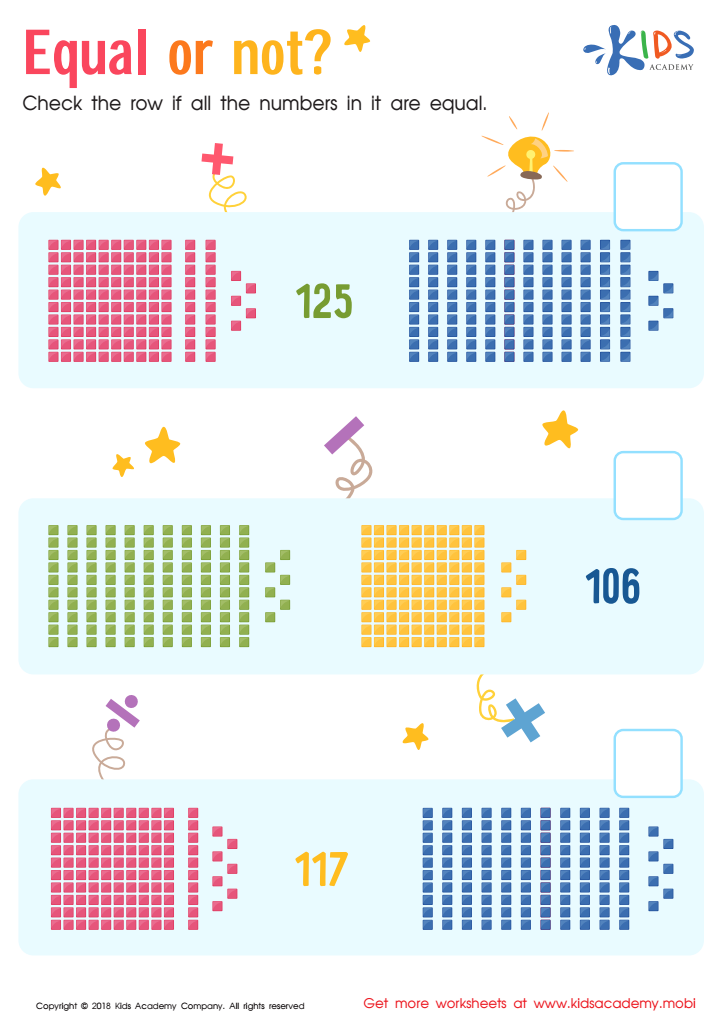
Equal or not Worksheet
 Assign to My Students
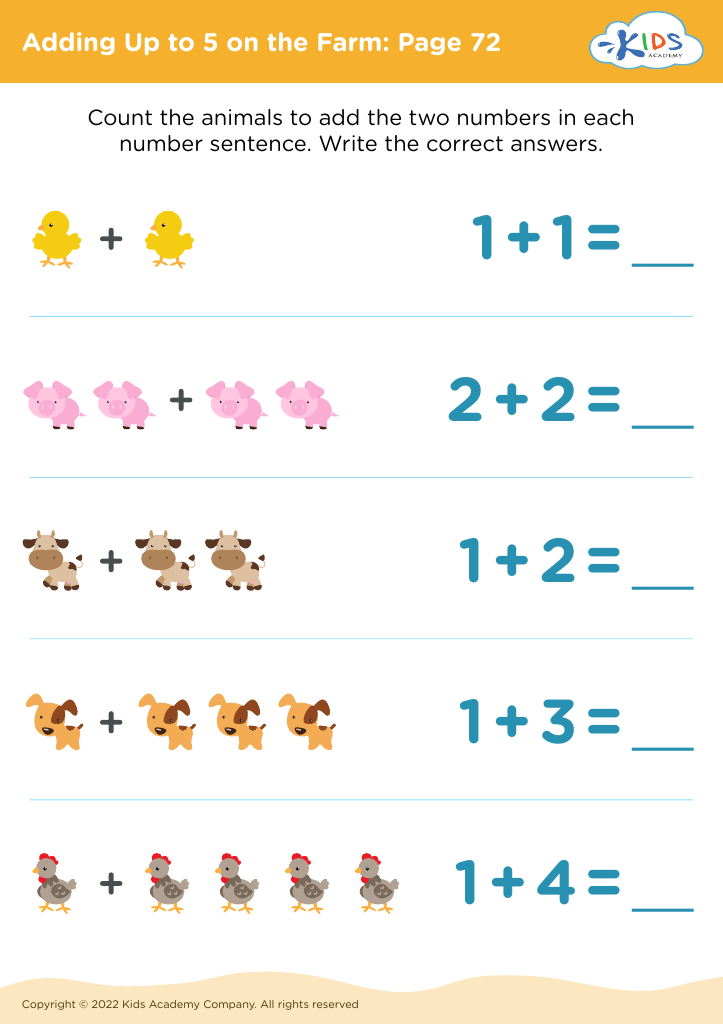
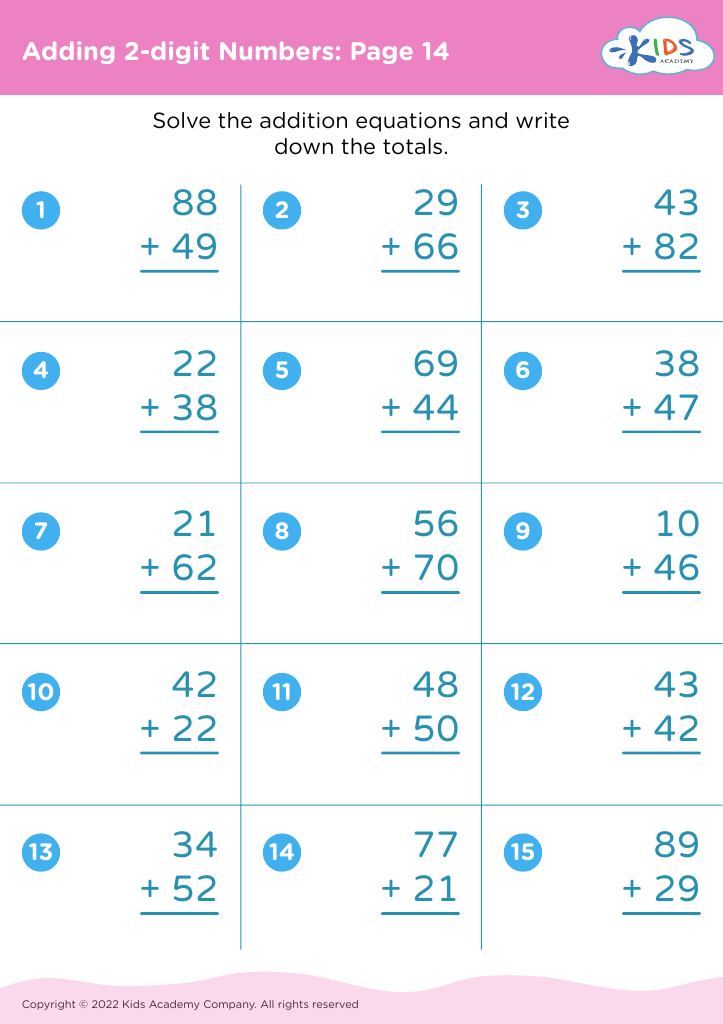
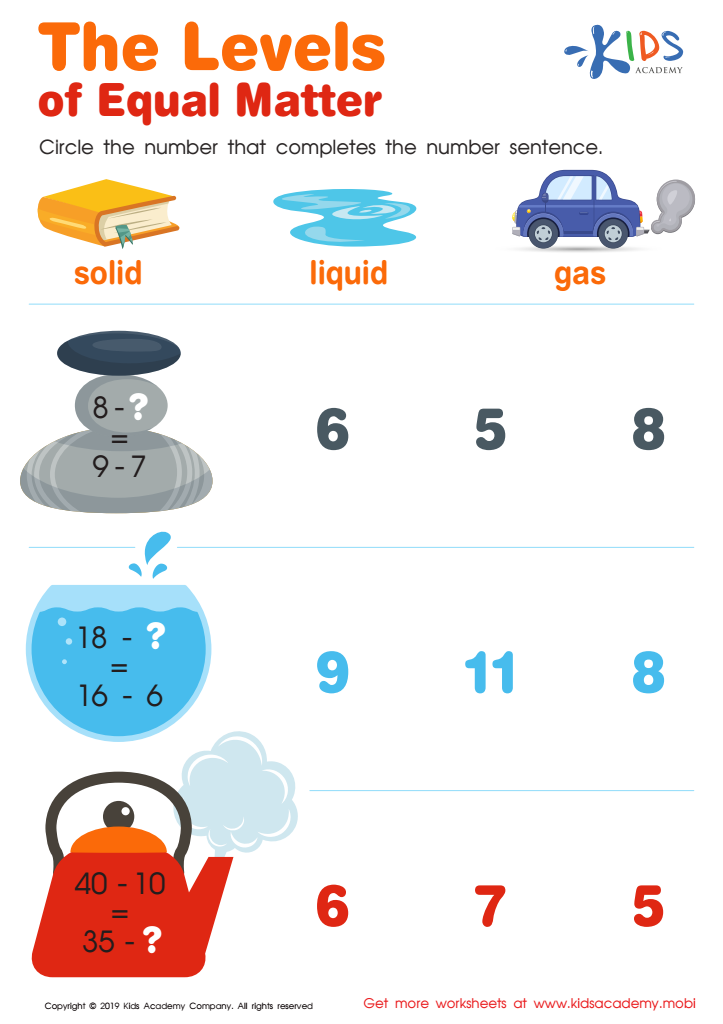
The Levels of Equal Matter Worksheet





.jpg)
Understanding equality is crucial for children aged 5-7, as it lays the foundation for their social and emotional development. At this developmental stage, children are beginning to form their views about themselves and others. Teaching concepts of equality helps instill a sense of fairness, respect, and appreciation for diversity.
When parents and teachers prioritize understanding equality, children learn that everyone deserves equal treatment, regardless of differing backgrounds. This knowledge not only fosters inclusive attitudes but also empowers children to challenge unfairness or discrimination they may encounter.
Moreover, discussing equality helps develop critical thinking and empathy. Children learn to articulate their feelings and understand different perspectives, equipping them for positive interactions and relationships. Encouraging these discussions aids in building a safe and supportive learning environment, where all students feel valued and heard.
By teaching equality early on, children are more likely to grow into responsible citizens who advocate for justice and equality in their communities. Therefore, parents and teachers should view these lessons as essential for nurturing compassionate individuals who contribute positively to society. An awareness of equality not only benefits the individual child but also enriches the classroom and, by extension, the broader community.








