Understanding numerical values Worksheets for Ages 5-7
4 filtered results
-
From - To
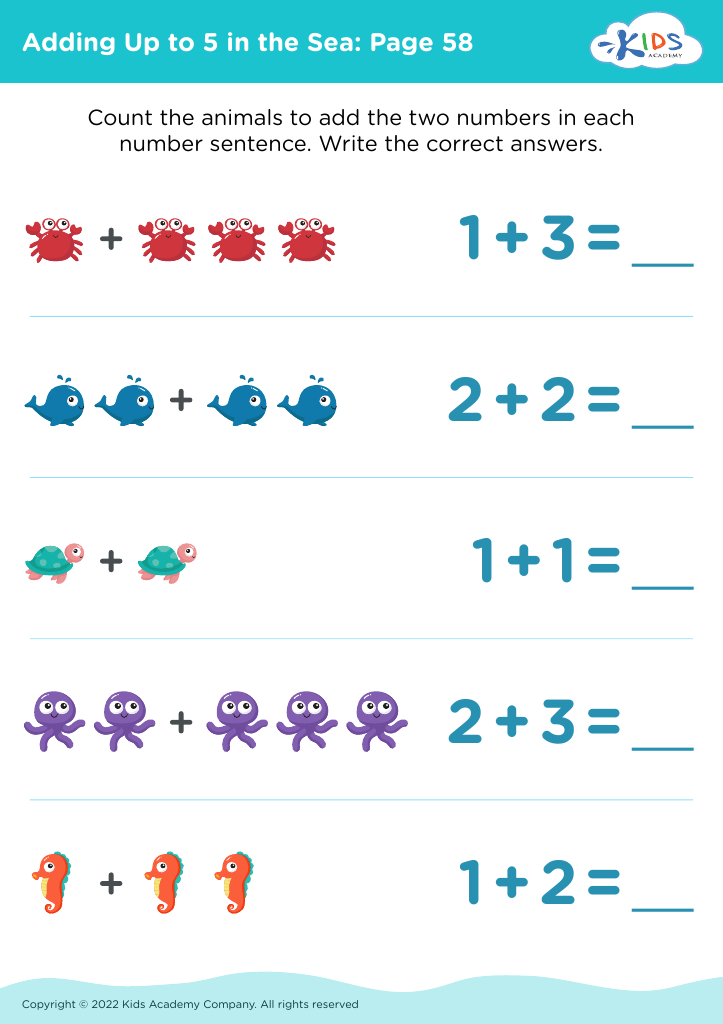
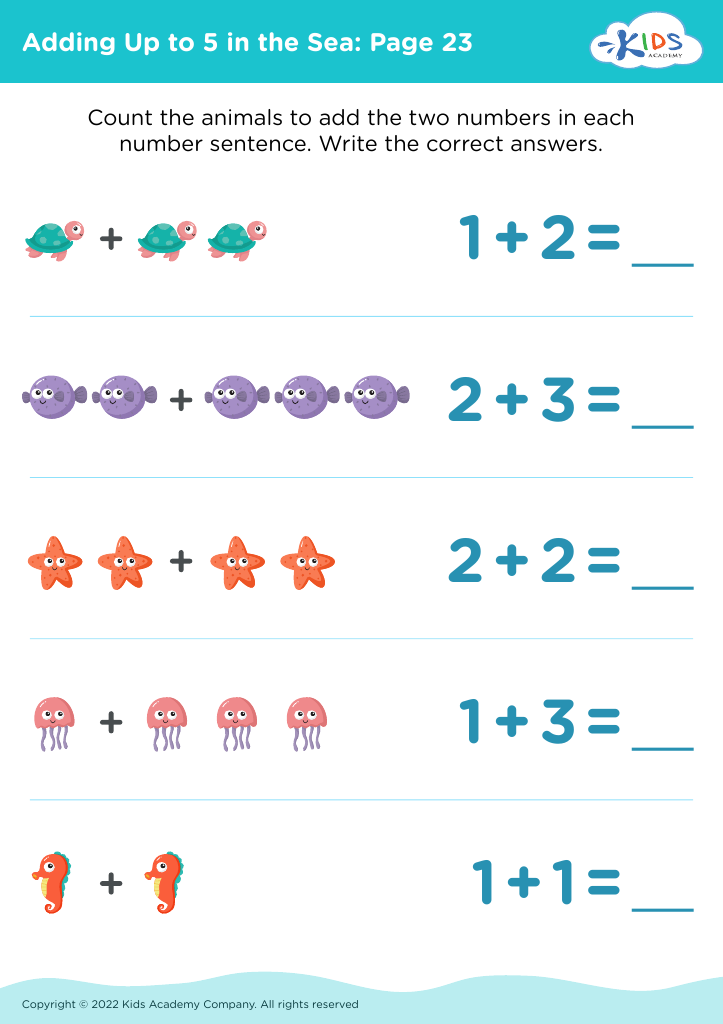
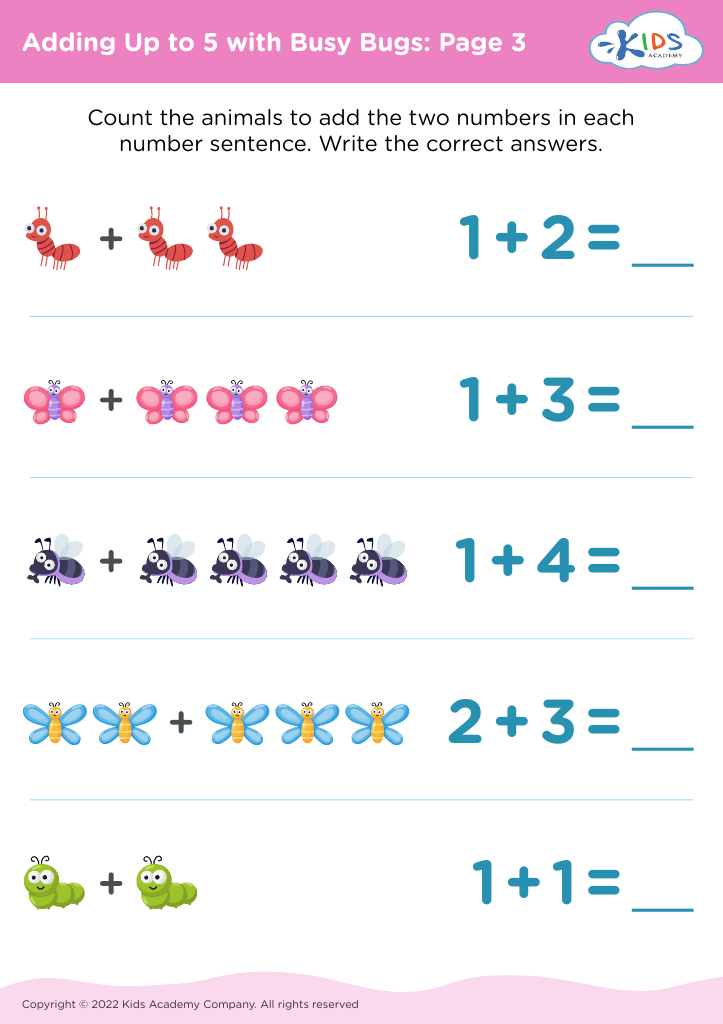
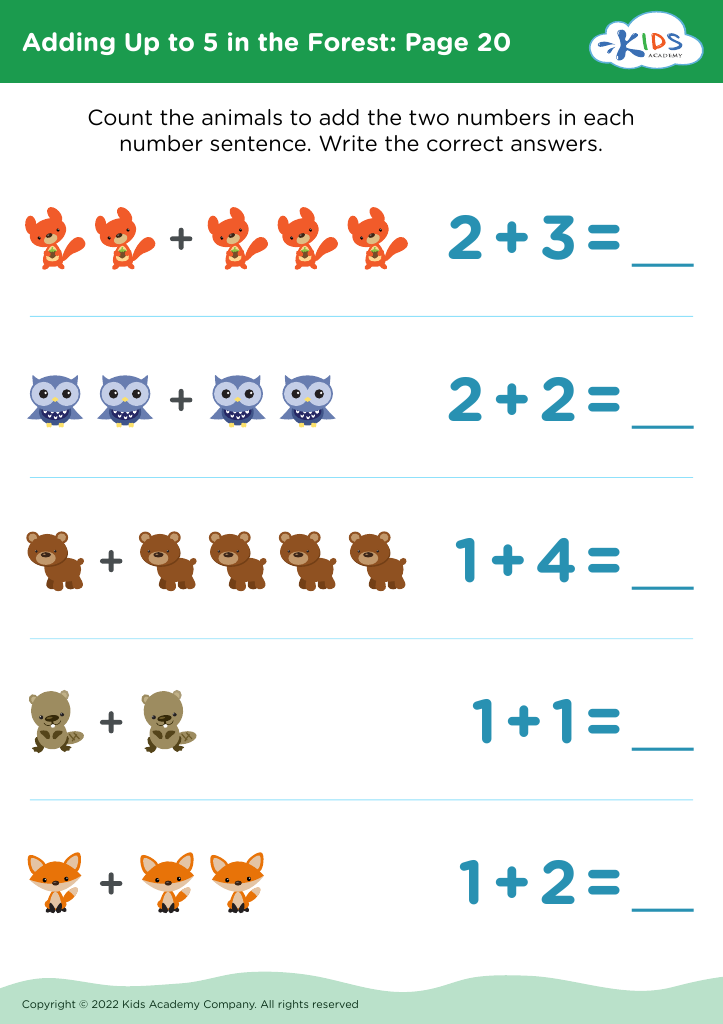
Discover engaging "Understanding Numerical Values Worksheets for Ages 5-7" designed by Kids Academy to make learning fun and effective. These expertly crafted worksheets help young learners grasp essential numerical concepts such as counting, comparing numbers, and recognizing number patterns. Each worksheet combines vibrant visuals with interactive activities to reinforce understanding while keeping kids engaged. Ideal for use at home or in the classroom, these printables build a strong foundation in math through hands-on practice and systematic progression. Perfect for parents and teachers, our worksheets ensure your child develops crucial numerical skills in an enjoyable and educational way.


.jpg)





Understanding numerical values for children aged 5-7 is crucial as it lays the foundation for their future mathematical learning and everyday problem-solving skills. At this stage, kids transition from rote counting to grasping what numbers actually represent. Parents and teachers play a crucial role in nurturing this understanding, emphasizing its importance for several reasons.
Firstly, numerical literacy is fundamental for academic achievement. A good grasp of numbers enables children to excel in mathematics, a core subject in education. Early expertise in numbers also boosts confidence, fostering a positive attitude towards learning.
Secondly, numerical values are intrinsically linked to real-life skills. Basic arithmetic helps children in everyday activities, such as telling time, understanding money, and measuring ingredients in cooking. This practical application of numerical skills supports independence and critical thinking.
Thirdly, cognitive development is significantly enhanced. Engaging with numbers strengthens memory, attention to detail, and logical reasoning. It encourages pattern recognition, a skill that is essential not only in mathematics but across various disciplines.
Parents and teachers who focus on these fundamental skills give children the confidence and capability to approach complex problems, setting them up for lifelong success and curiosity in their learning journey. Therefore, fostering numerical understanding in early childhood is not just about academics but is an investment in a child's holistic development.








