Understanding patterns Worksheets for Ages 5-7 - Page 2
48 filtered results
-
From - To
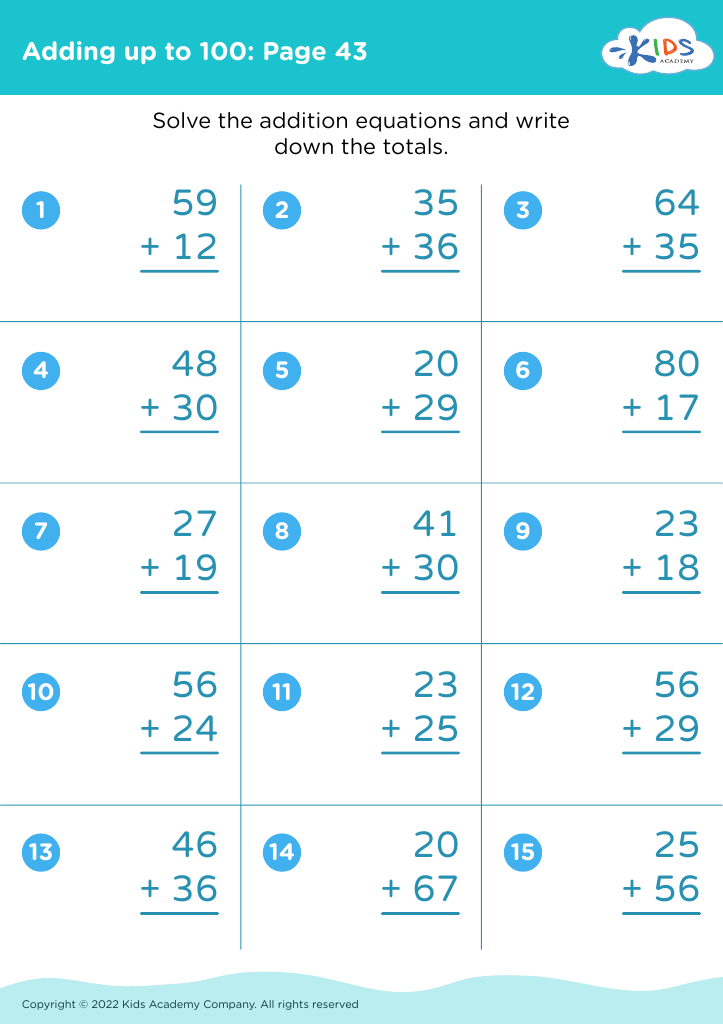
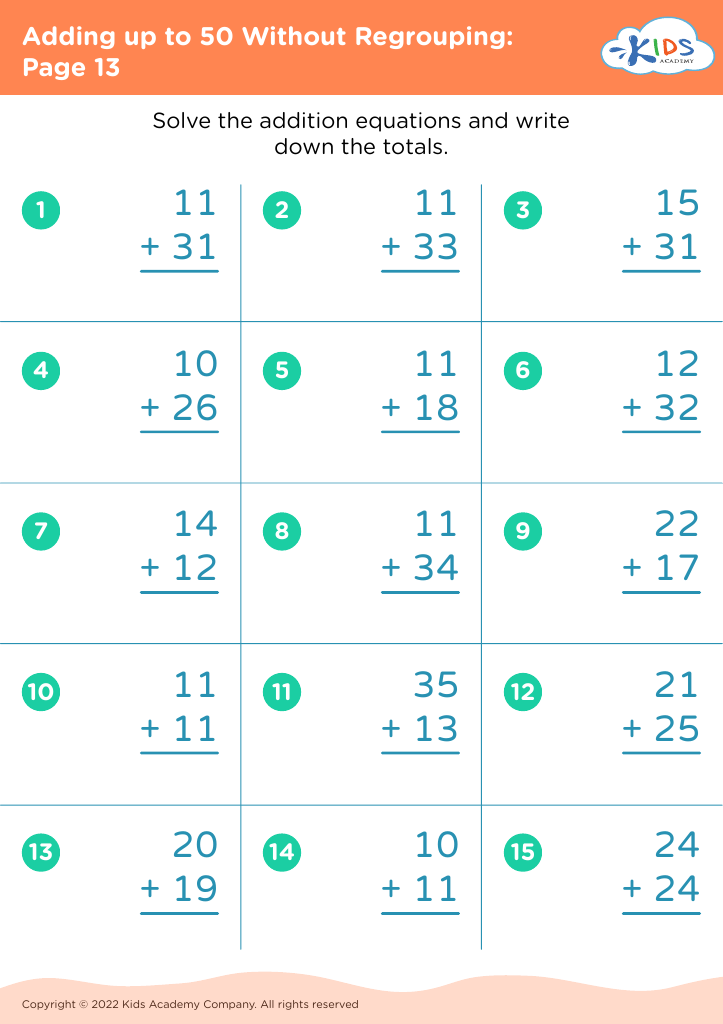
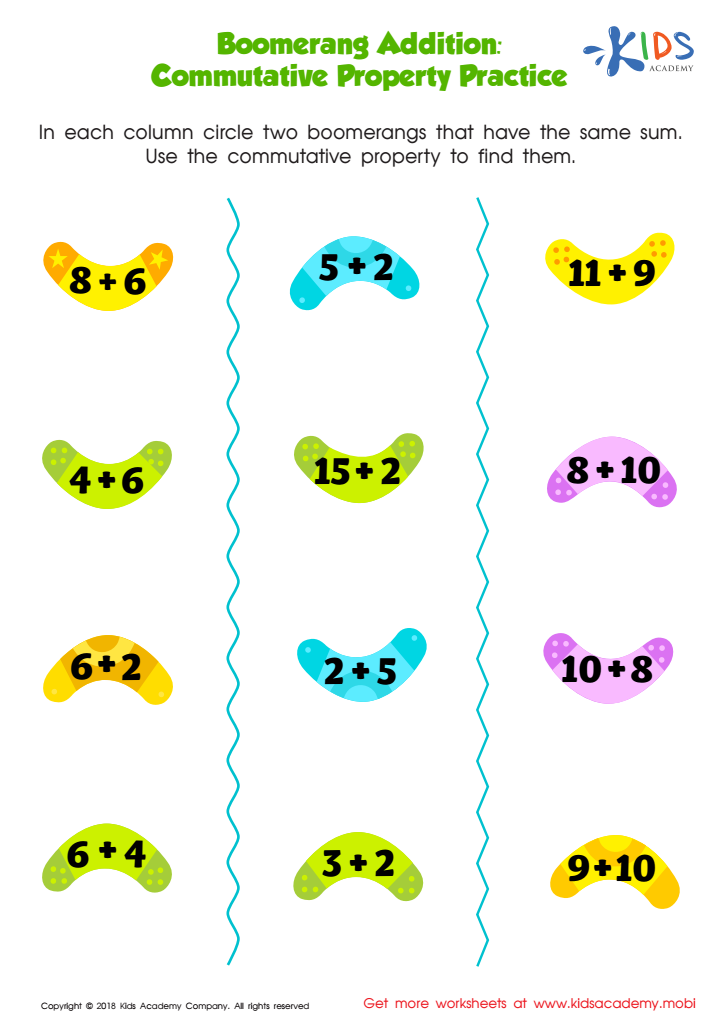
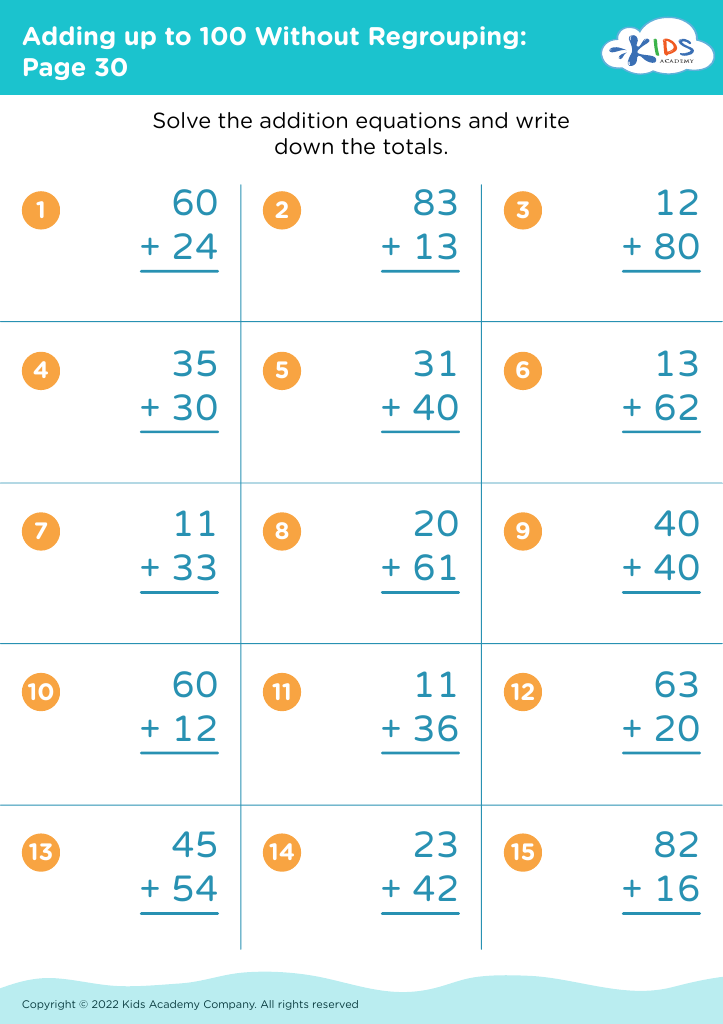
Boomerang Addition Worksheet
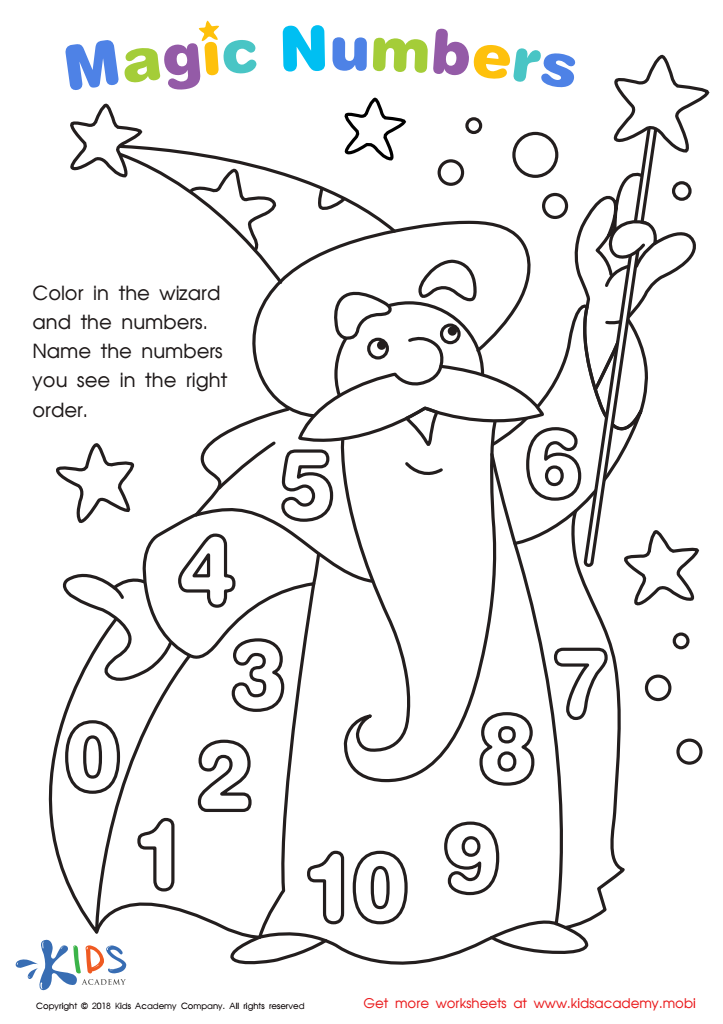
Magic Numbers Worksheet
 Assign to My Students
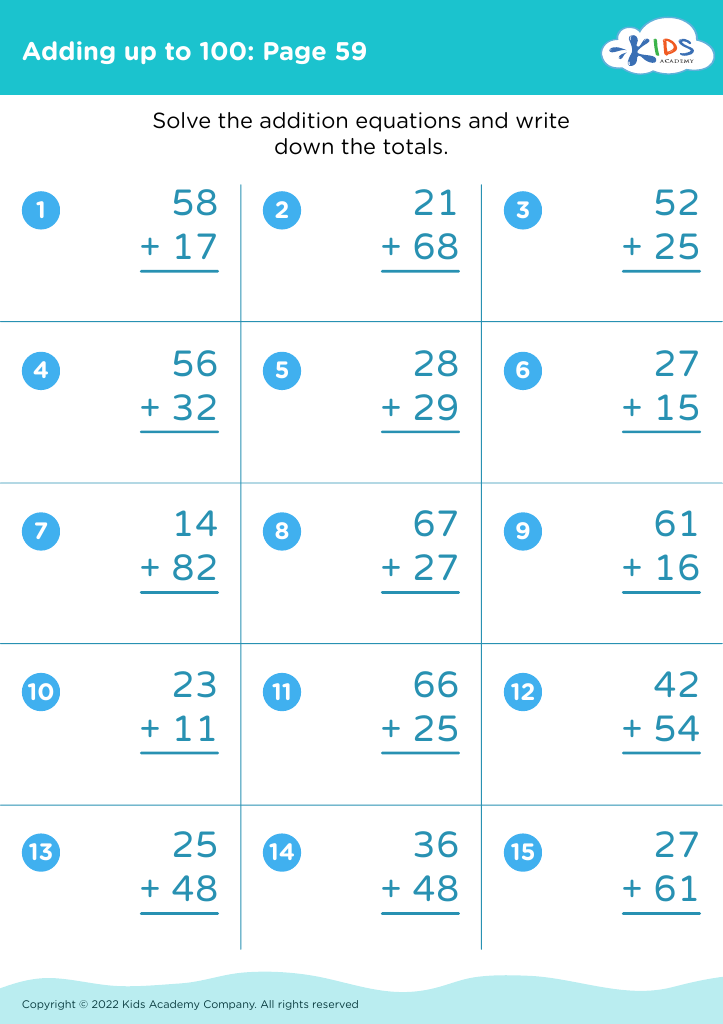
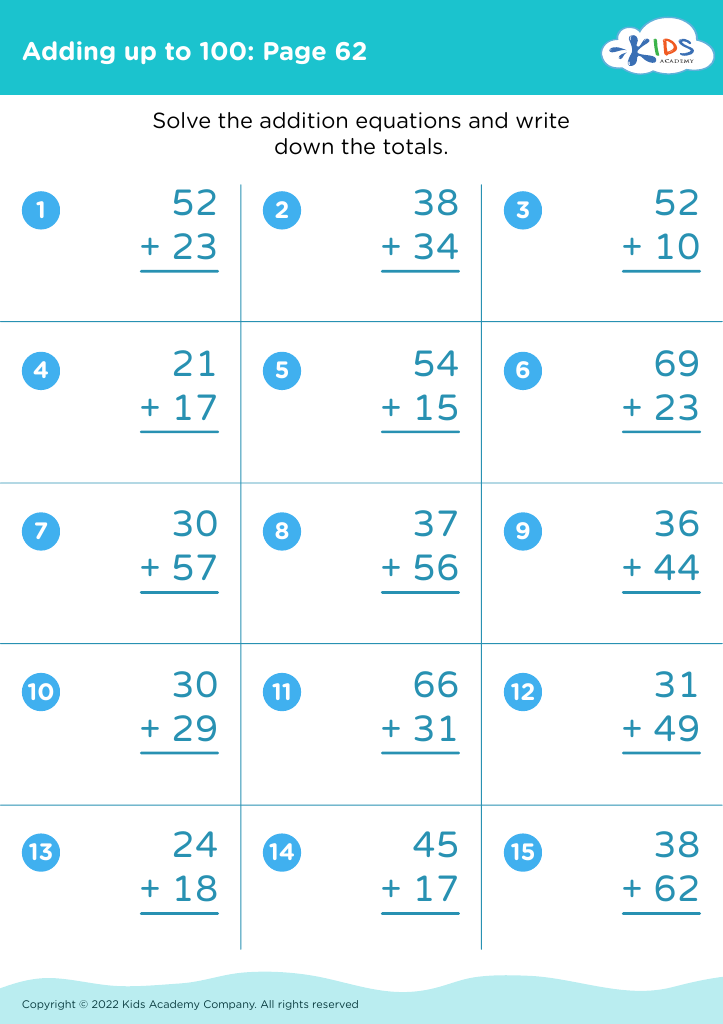
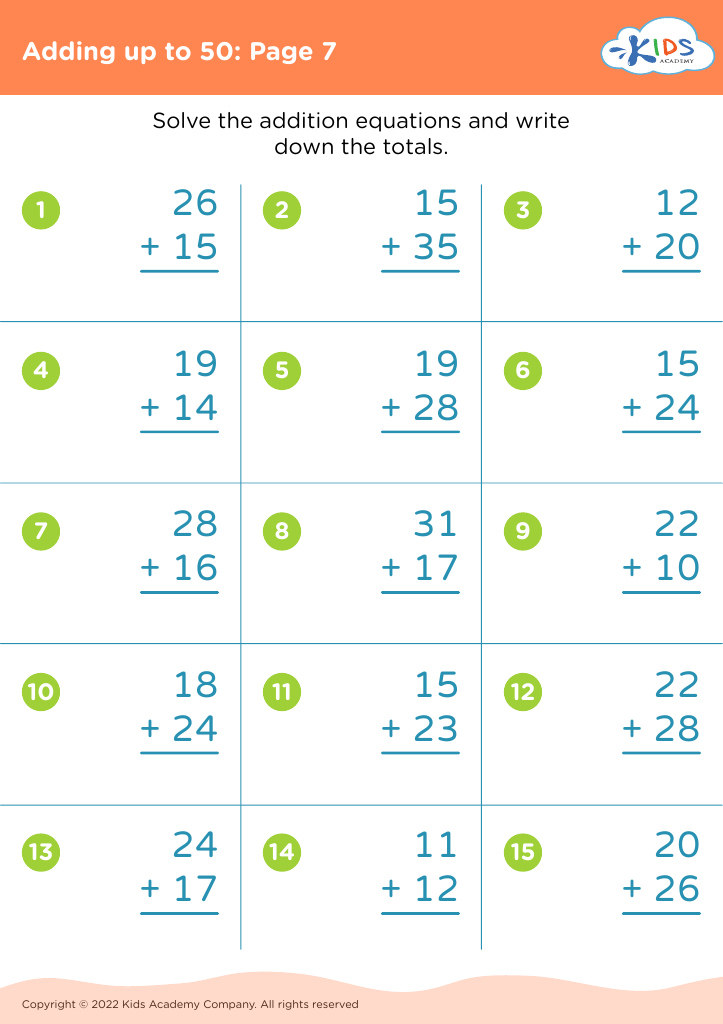
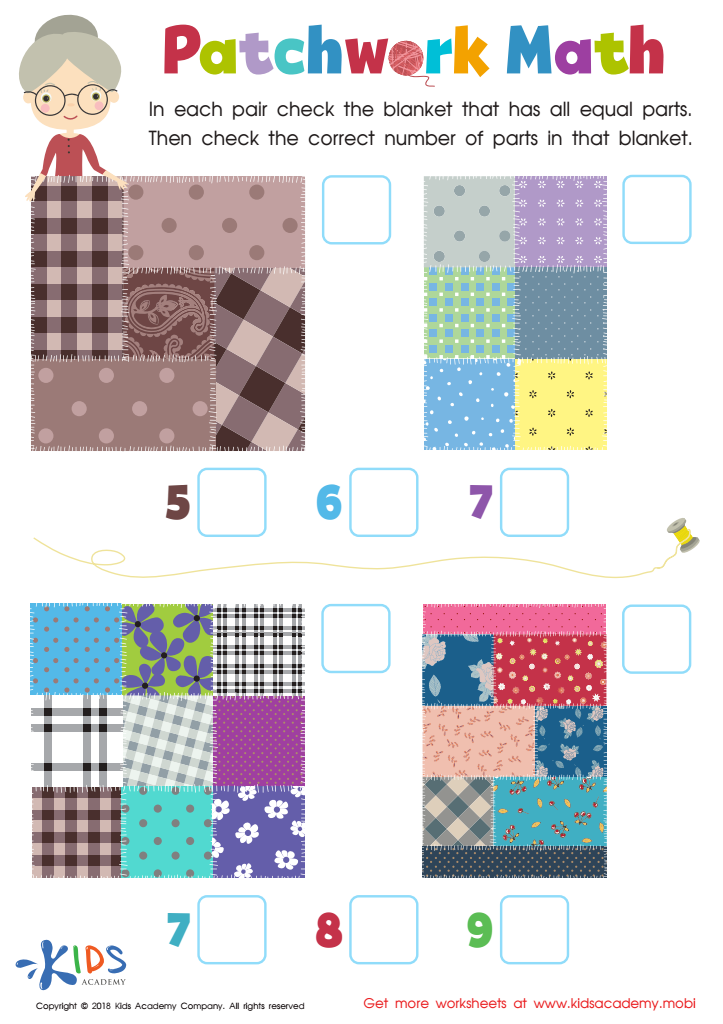
Patchwork Math Worksheet
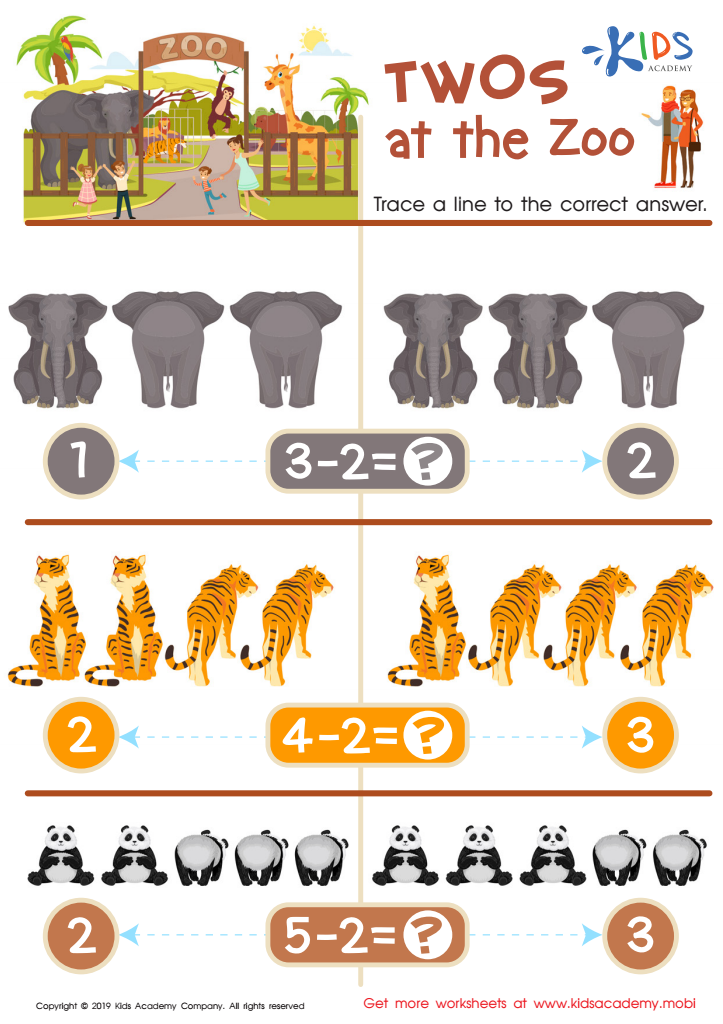
Twos at the Zoo Worksheet
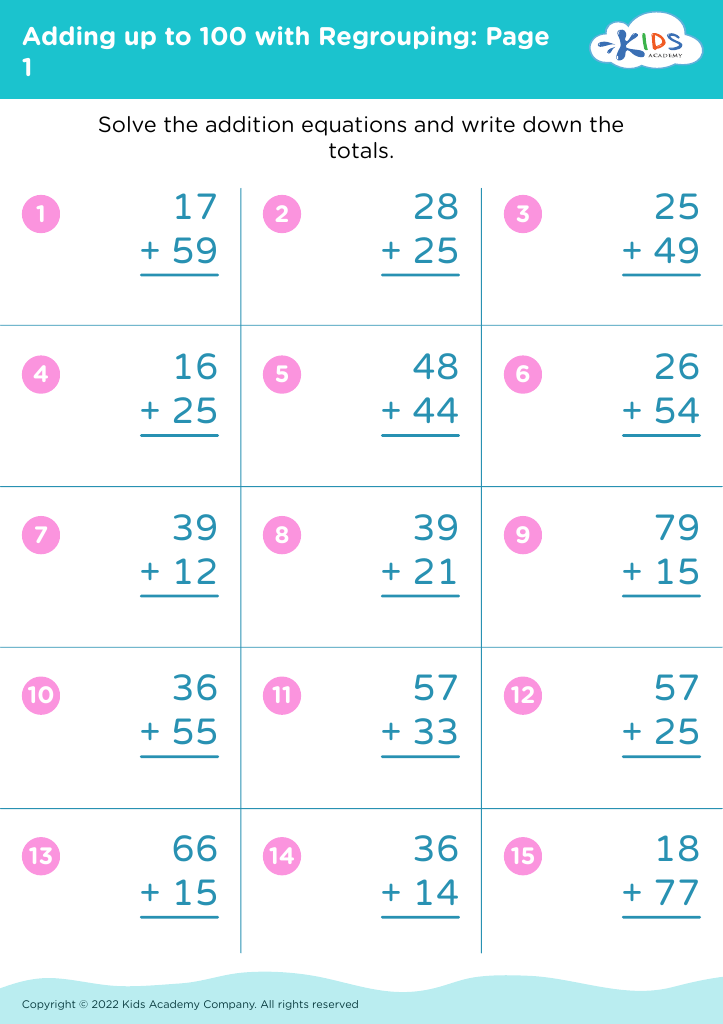
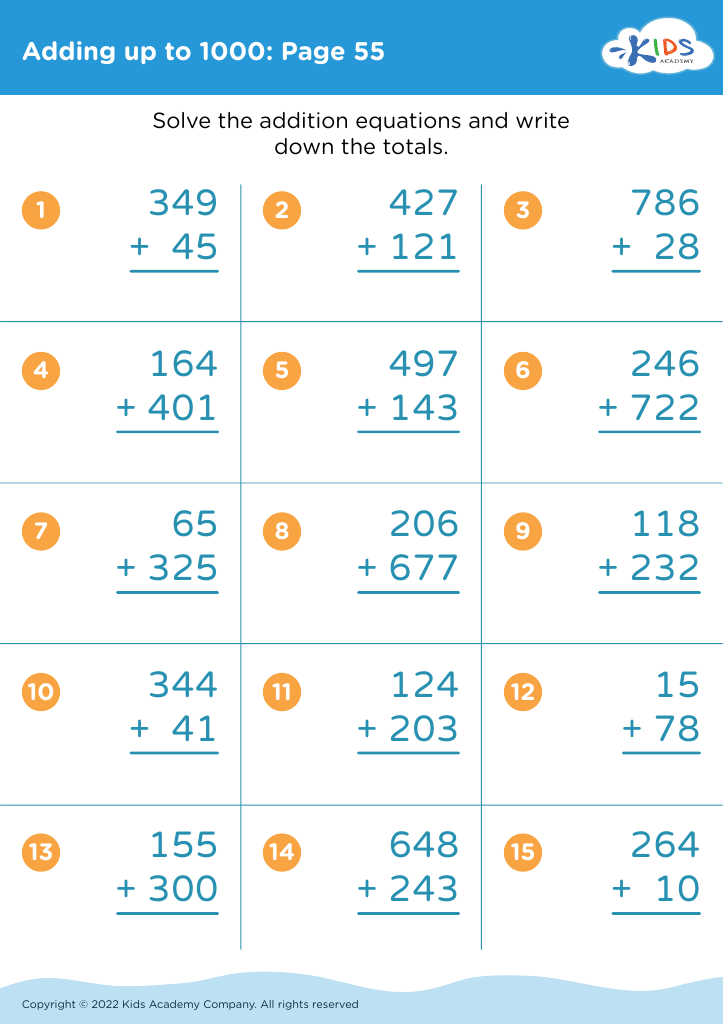
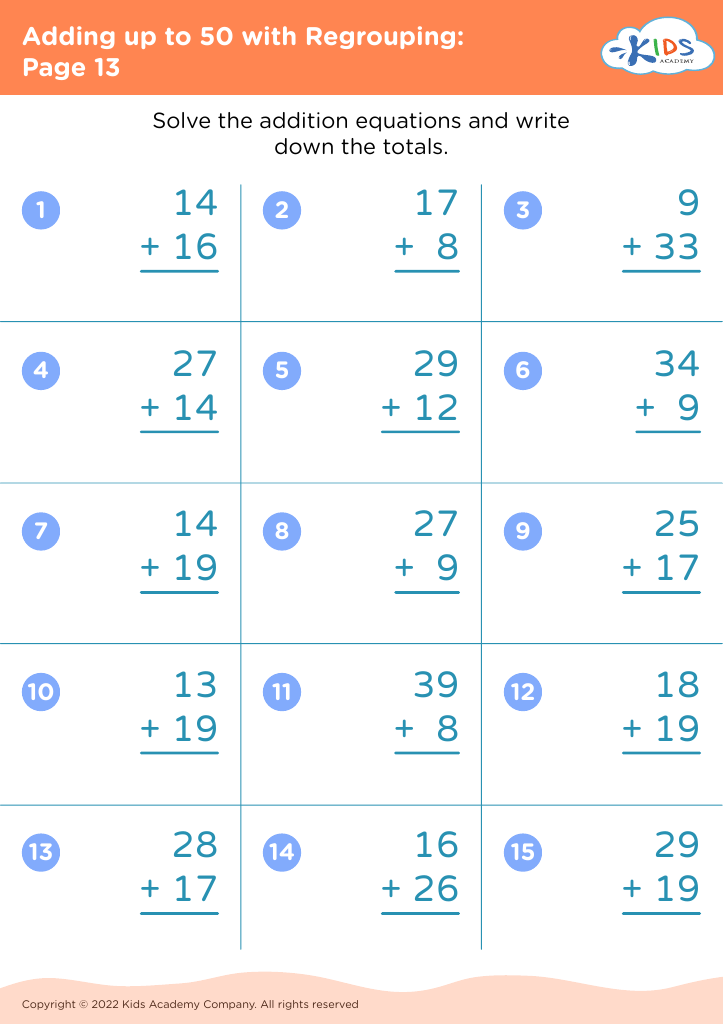




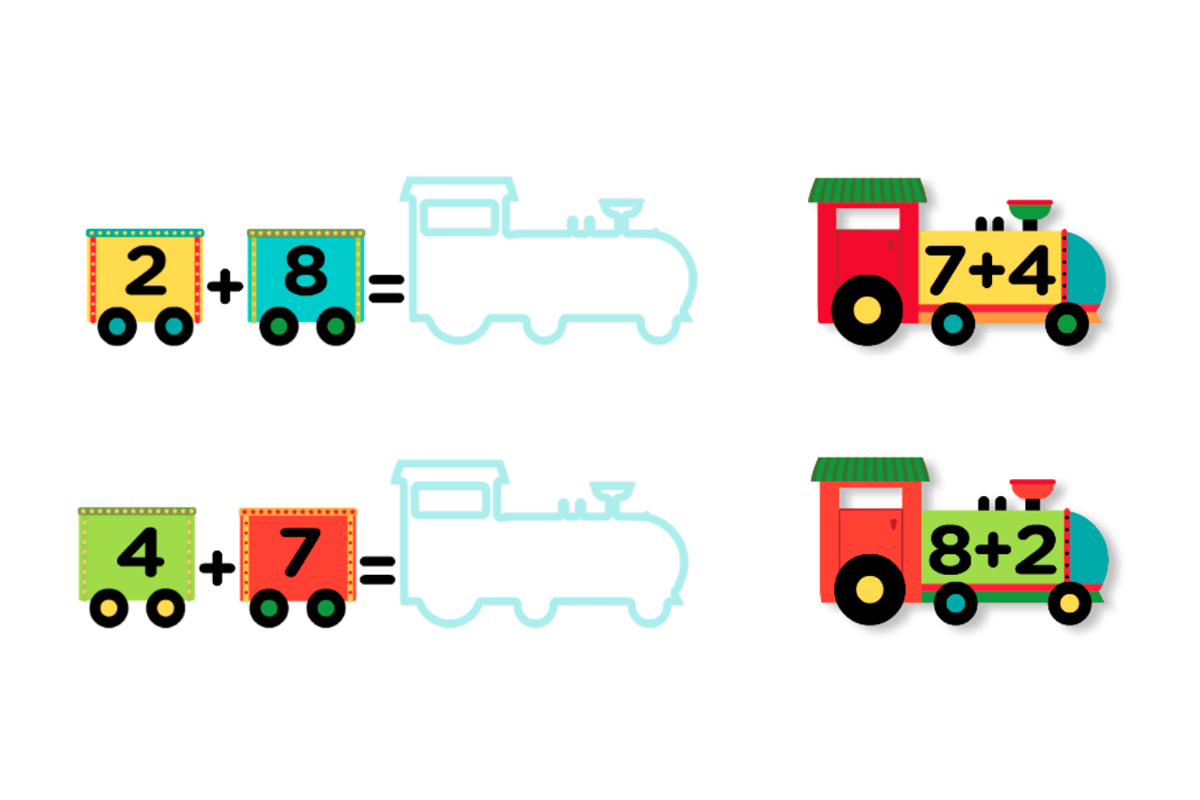


Understanding patterns is a fundamental concept for children ages 5-7, particularly in the context of early education. At this stage of cognitive development, children are naturally curious and eager to make connections in the world around them. Recognizing patterns helps them develop critical thinking skills and enhances their ability to reason logically. By engaging with patterns, children also improve their problem-solving abilities, as they learn to anticipate and make predictions based on observed sequences.
Furthermore, pattern recognition lays the groundwork for future mathematical understanding. It is a key component in grasping concepts such as addition and subtraction, geometry, and algebra. For instance, when children identify repeating patterns in shapes or numbers, they become familiar with the fundamentals of series, which is essential for their future mathematics education.
Parents and teachers play a crucial role in nurturing this skill through activities like sorting objects, creating music, or engaging in art. In supporting children’s pattern recognition, adults not only foster a love for learning but also prepare them for the academic challenges ahead. Ultimately, understanding patterns builds a foundation for lifelong learning, critical analysis, and creative problem-solving skills.








