Visual representation comprehension Worksheets for Ages 5-7
10 filtered results
-
From - To
Enhance your child's visual comprehension skills with our engaging Visual Representation Comprehension Worksheets designed for ages 5-7! These worksheets help young learners develop critical thinking and observation abilities through fun and interactive tasks. Children will explore different visual formats, including pictures, charts, and diagrams, while interpreting and answering relevant questions. Our age-appropriate activities encourage creativity and promote foundational skills necessary for school readiness. With colorful designs and easy-to-follow instructions, these worksheets make learning enjoyable and effective. Download our free resources today and watch your child's confidence grow as they master visual representation! Perfect for both home and classroom use!
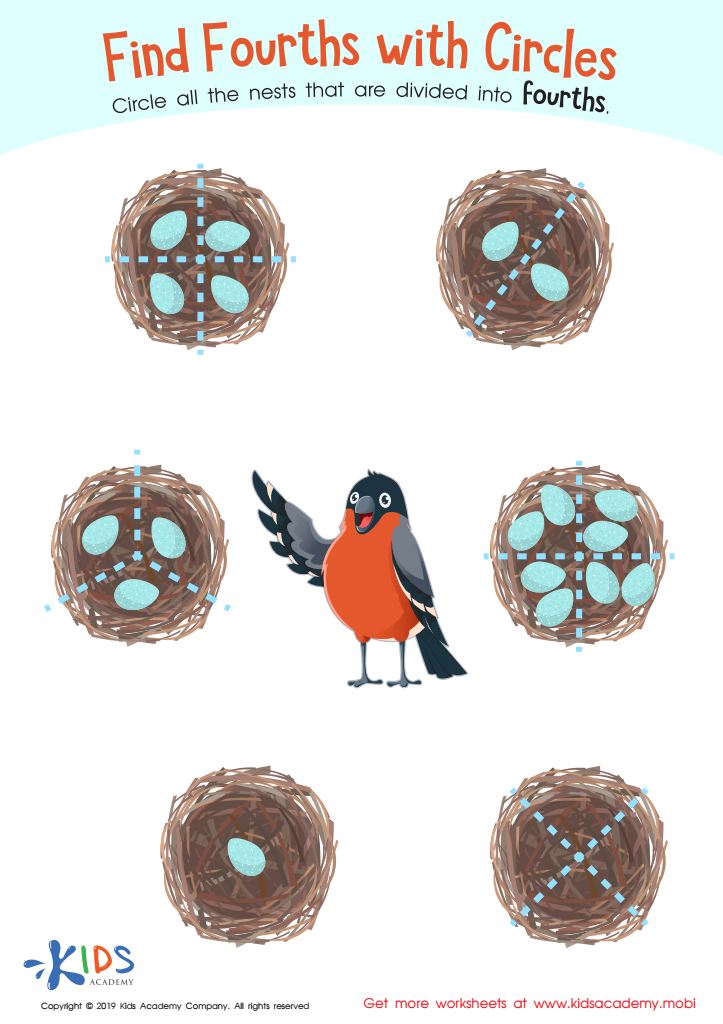
Find Fourths Circles Worksheet
 Assign to My Students
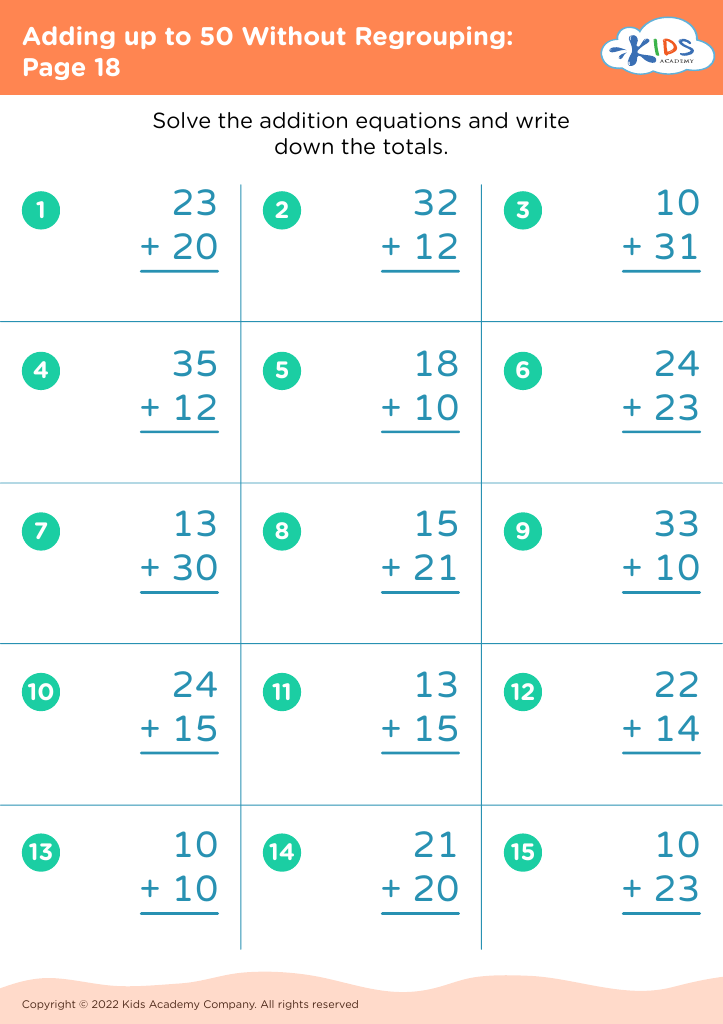
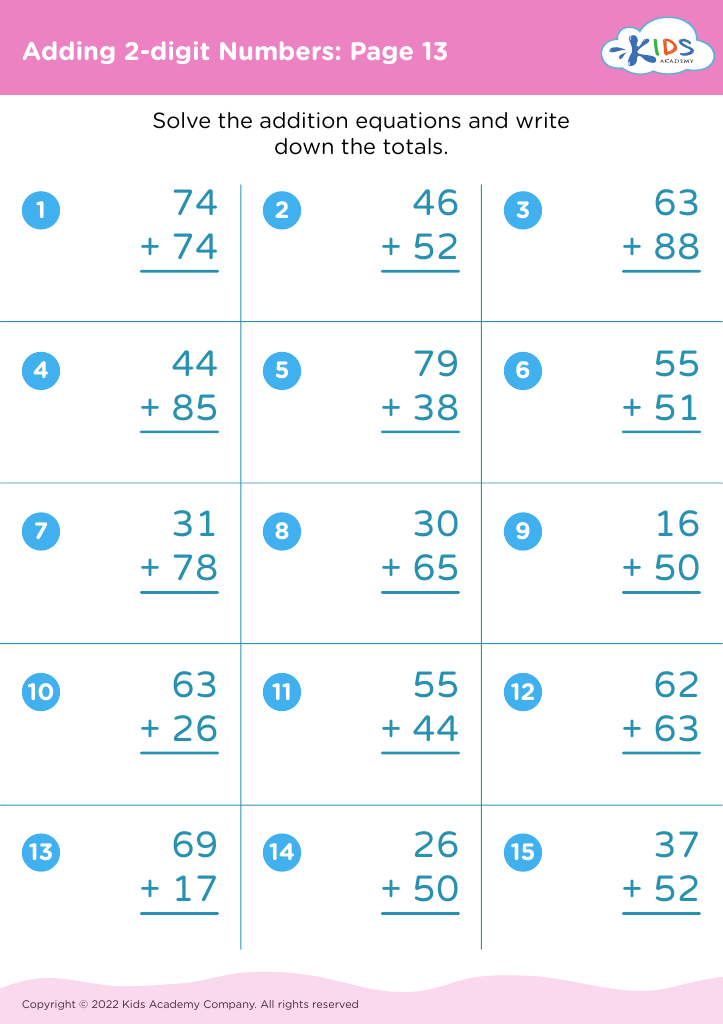
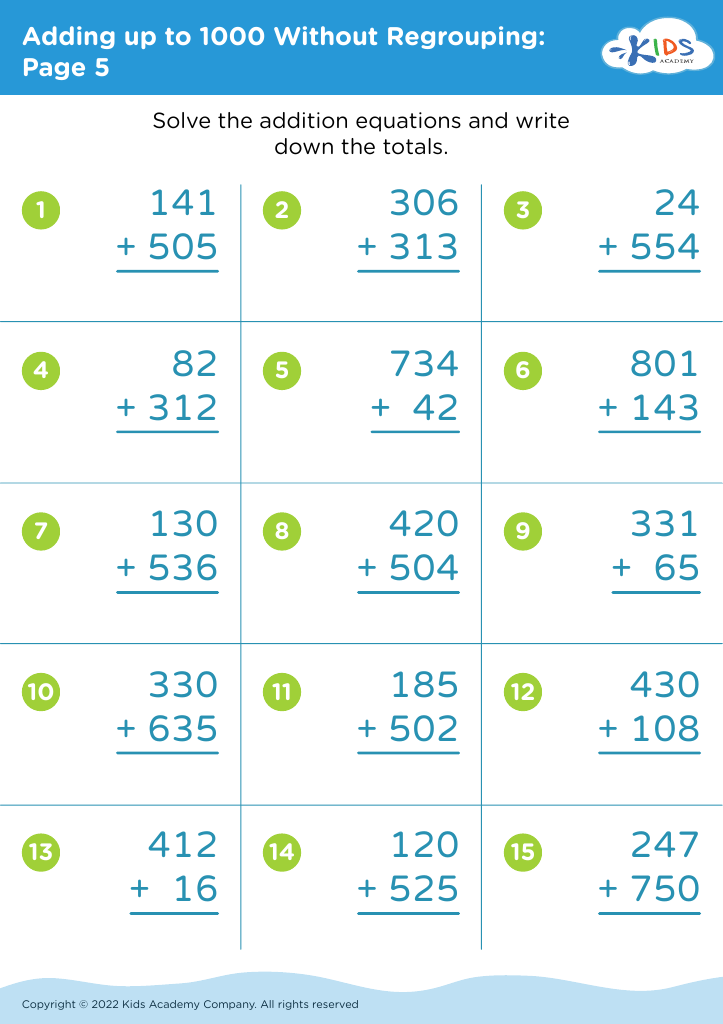
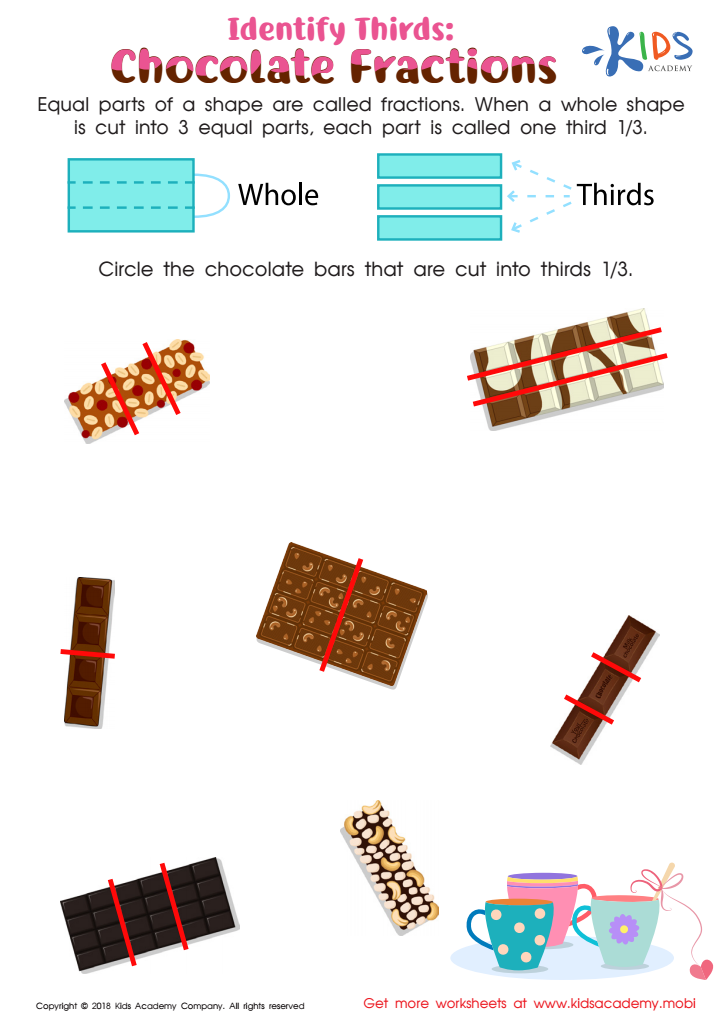
Identify Thirds: Chocolate Fractions Worksheet
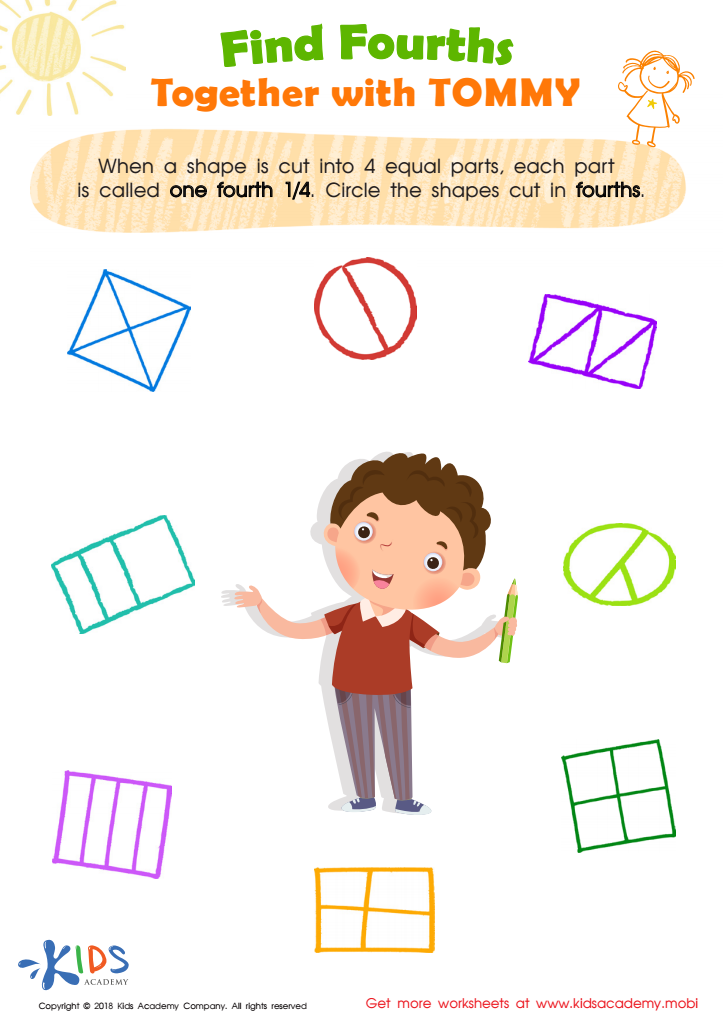
Find Fourths Together with Tommy Worksheet
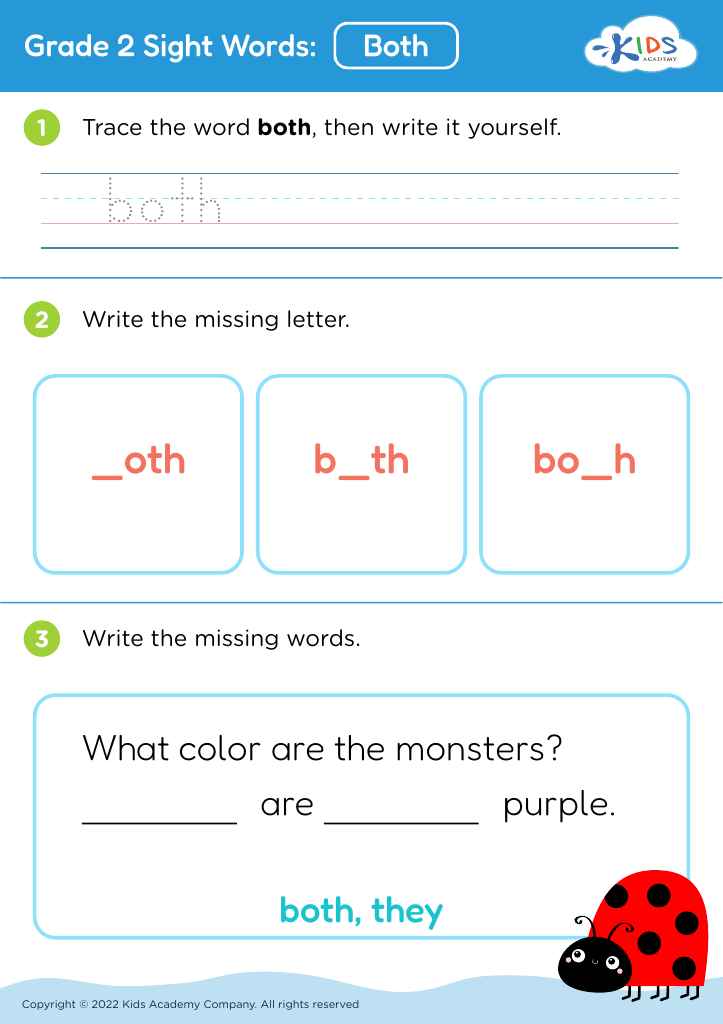
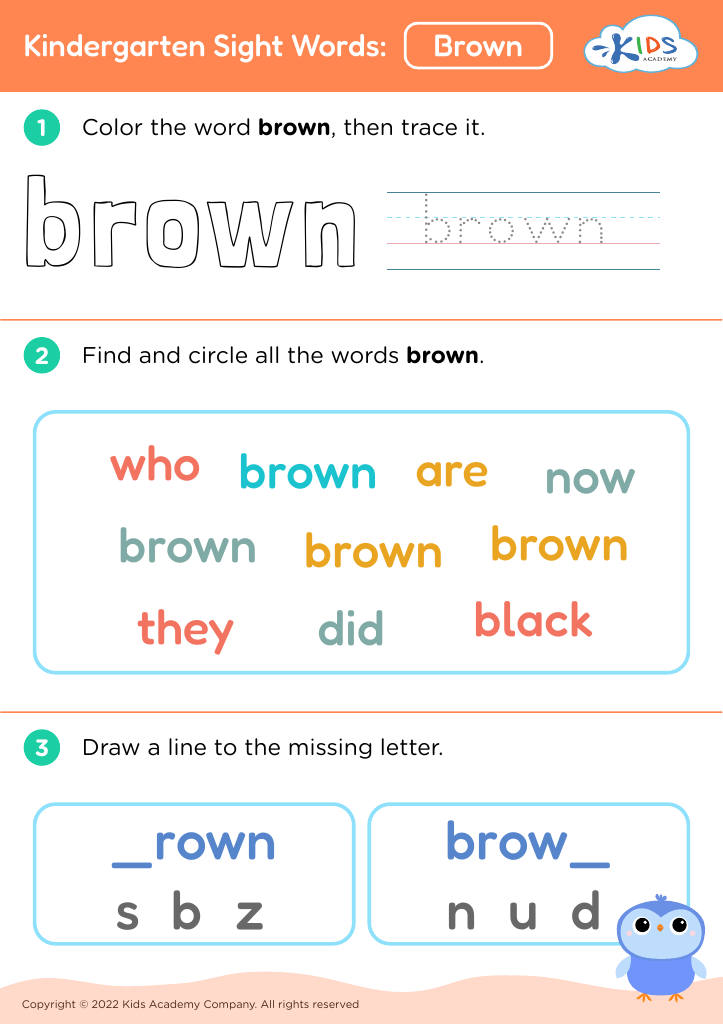








Visual representation comprehension is crucial for children aged 5-7 as it plays a significant role in their overall development and learning. At this age, children are developing cognitive skills and ways to process information. Understanding visual representations, such as images, graphs, drawings, and symbols, helps them to make sense of the world around them.
Firstly, visual comprehension enhances literacy skills. Children learn to decode text better when they connect it with visual elements, fostering greater engagement and improving reading and writing abilities.
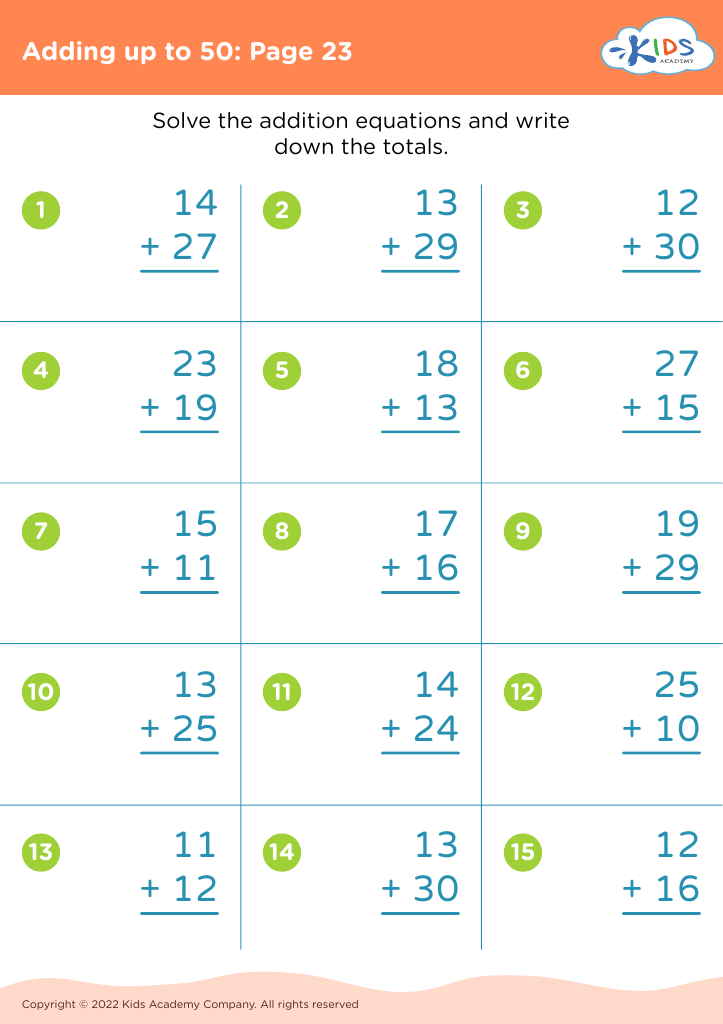
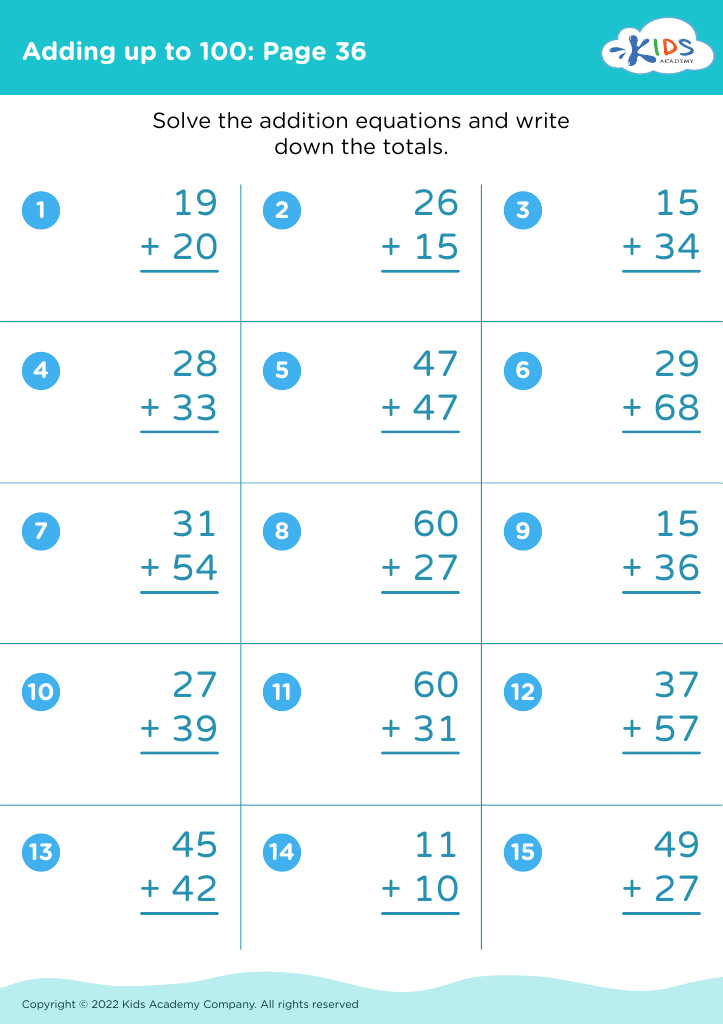
Secondly, it supports mathematical learning. Visual aids, like number lines or pie charts, help young learners grasp abstract concepts, such as addition or fractions, by transforming them into tangible forms, promoting better retention and application.
Moreover, strong visual representation skills encourage critical thinking. As children learn to analyze and interpret visual data, they develop the ability to ask questions, make inferences, and draw conclusions.
In today's visually-driven world, these skills are essential for effective communication and understanding. By nurturing visual representation comprehension, parents and teachers equip children with foundational skills that will benefit them across subjects, enhancing their academic experience and preparing them for future learning.








