Vocabulary Enrichment Worksheets for Ages 5-7 - Page 2
28 filtered results
-
From - To
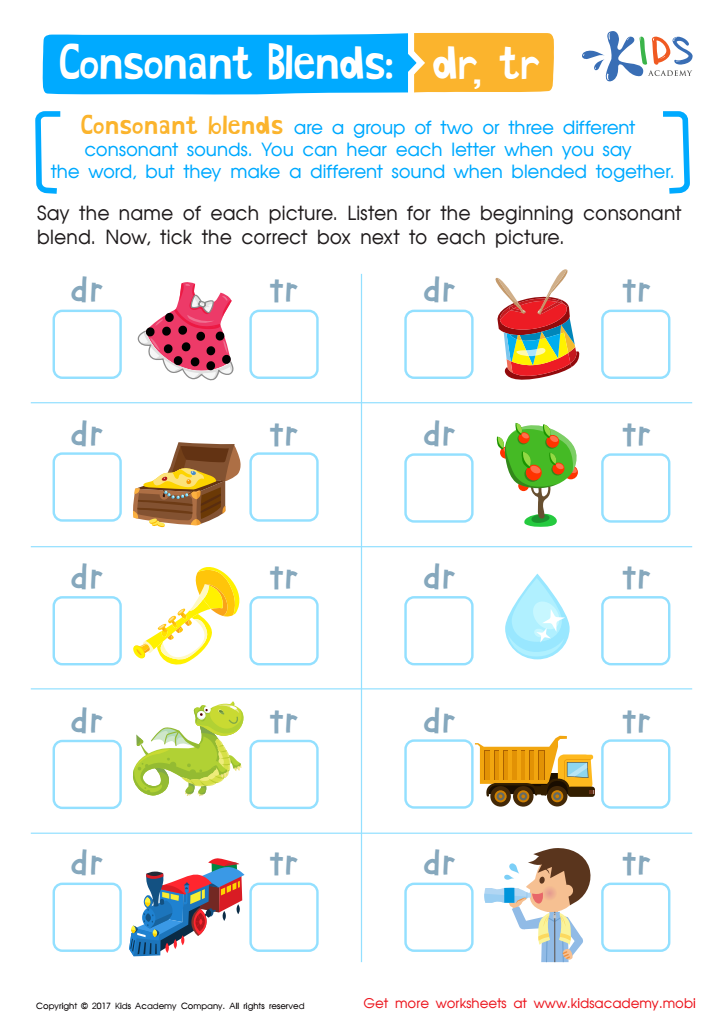
Consonant Blends: "Dr" and "Tr" Printable
 Assign to My Students
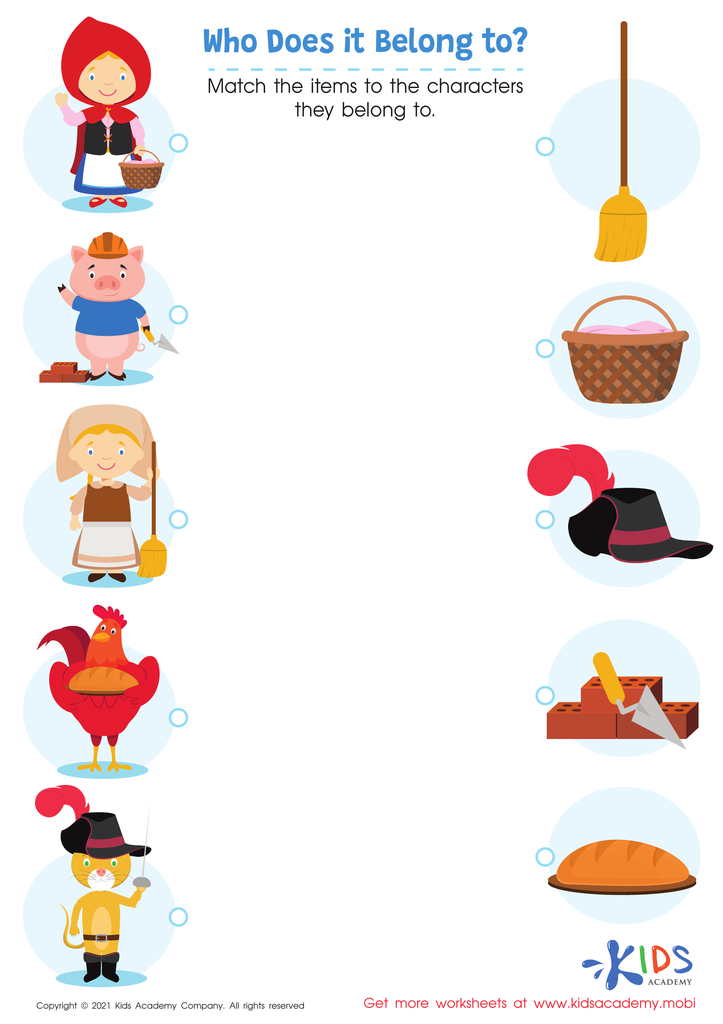
Who Does It Belong To? Worksheet
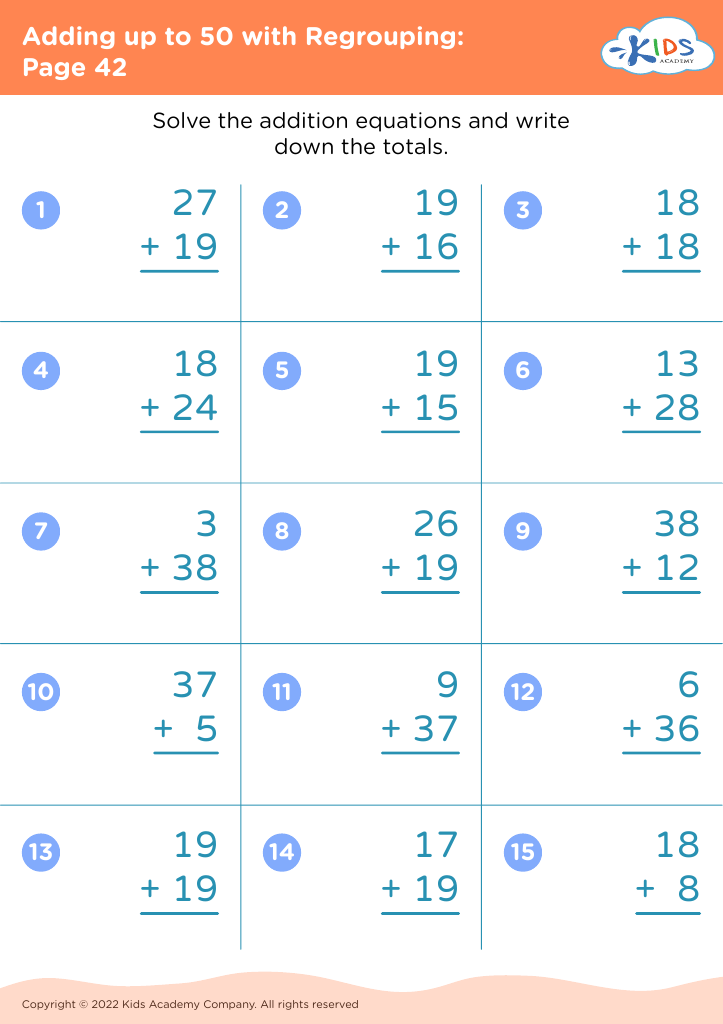
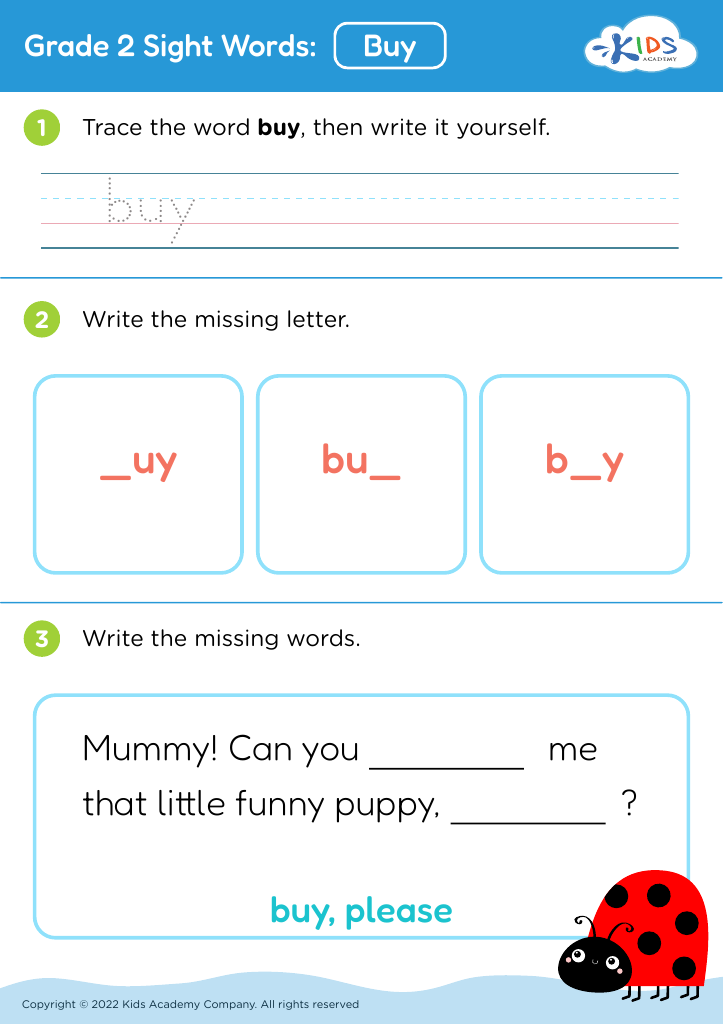








Vocabulary enrichment is crucial for children aged 5-7 as it lays the foundation for their lifelong language development and literacy skills. During this formative stage, children are rapidly acquiring language and are highly receptive to new words and concepts. A rich vocabulary enhances their ability to express thoughts and ideas clearly, leading to increased confidence in communication.
Moreover, vocabulary development is closely linked to reading comprehension. Children who possess a broader vocabulary tend to understand and engage more deeply with texts, paving the way for academic success. Engaging in vocabulary enrichment activities—such as storytime, word games, and interactive discussions—can enrich a child's linguistic environment, making learning enjoyable and effective.
Supporting vocabulary growth in these early years fosters critical thinking and curiosity; children gain the tools needed to articulate questions and explore the world around them. Furthermore, research indicates that early vocabulary knowledge correlates with later academic performance. Therefore, both parents and teachers are instrumental in creating rich, language-rich environments that promote exploration through words and ideas, ensuring children not only excel academically but also develop a love of learning that prepares them for future challenges. Ultimately, nurturing vocabulary in early childhood is an investment in a child’s future.








