Reading comprehension Adding up to 100 Misc Worksheets for Ages 5-7
3 filtered results
-
From - To
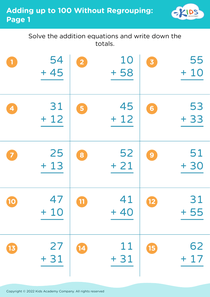
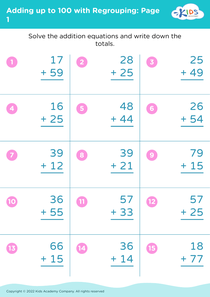
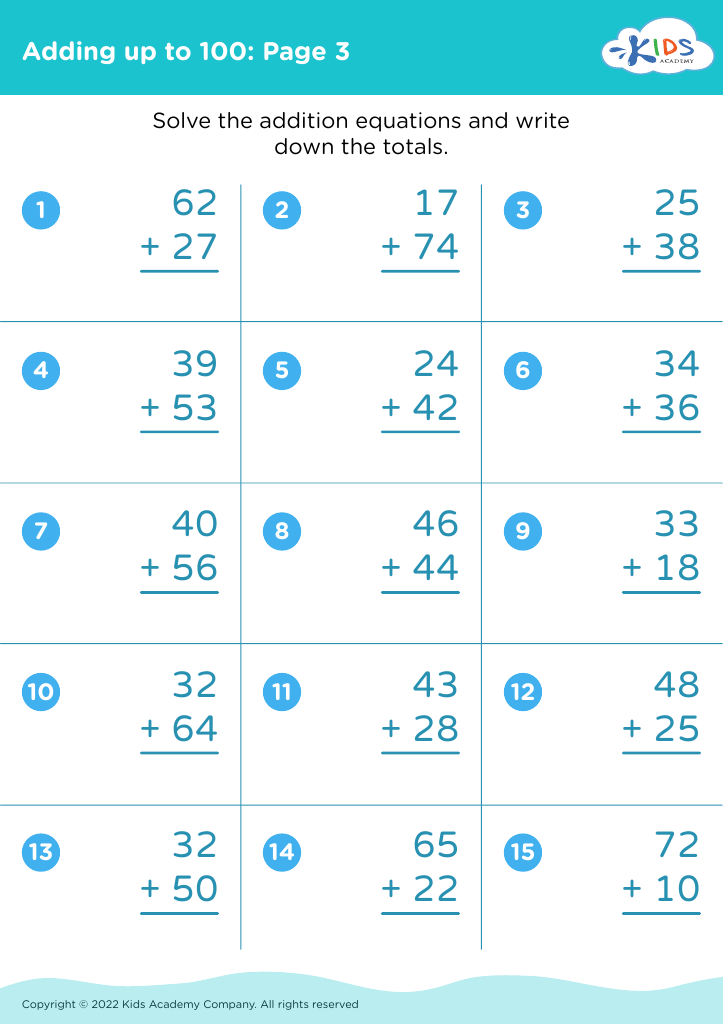
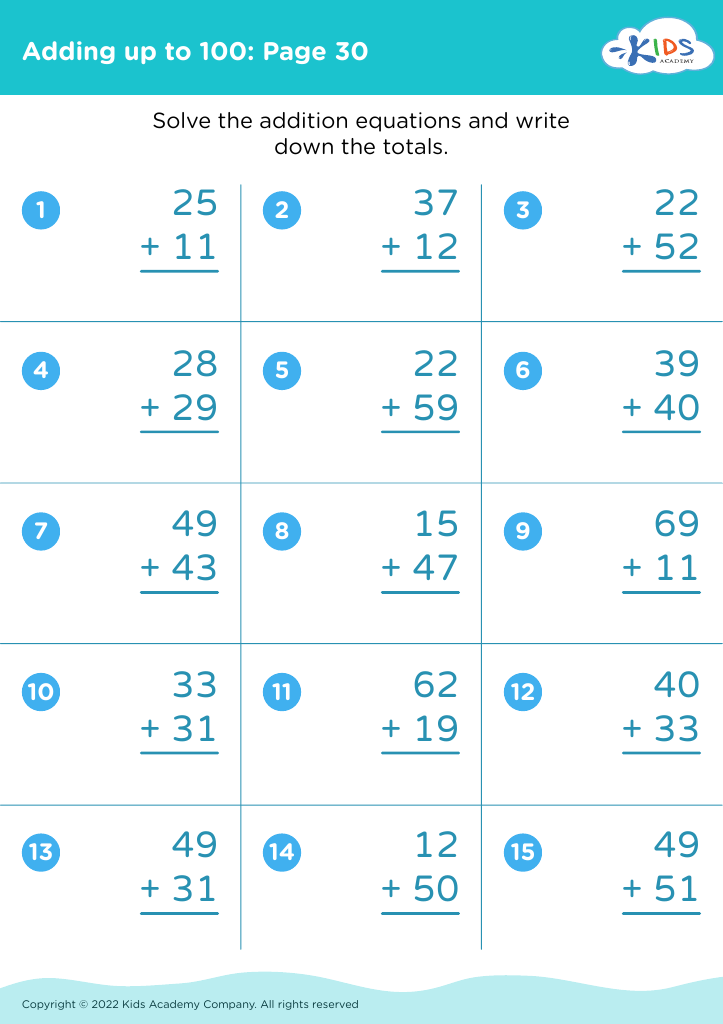
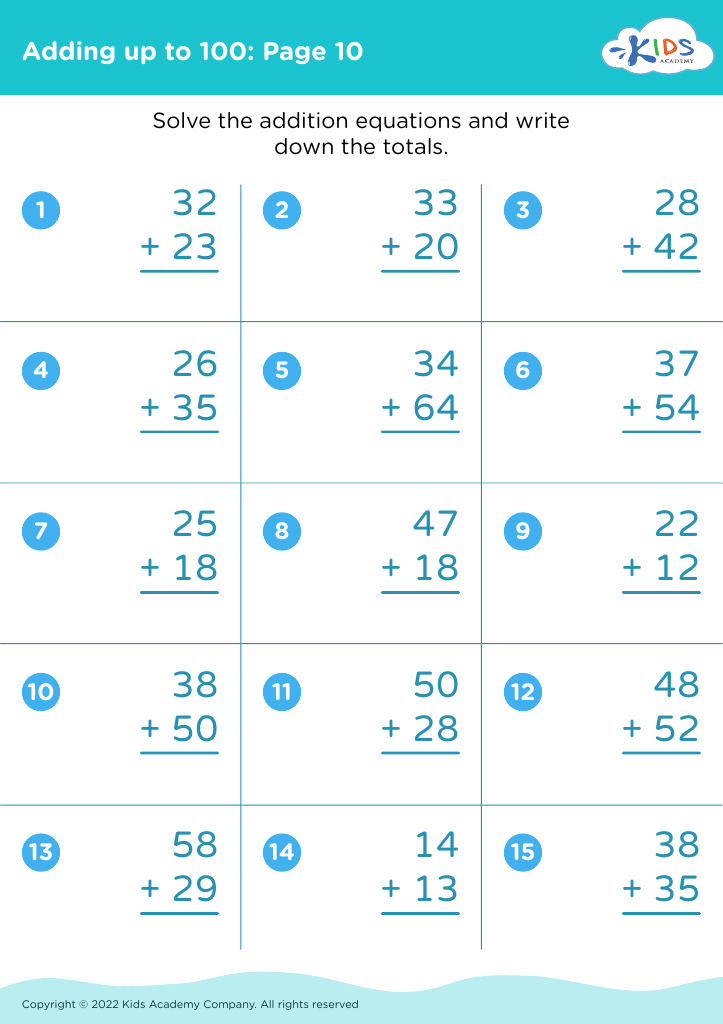
Enhance your child's reading comprehension and math skills with our collection of 100 engaging worksheets designed for ages 5-7. These printable resources focus on adding up to 100 while encouraging young learners to practice reading and interpreting instructions. Each worksheet includes fun exercises that reinforce comprehension through relatable scenarios and challenges, making learning enjoyable. Tailored to develop critical thinking and problem-solving abilities, these worksheets are perfect for classroom or home use. Equip your child with the foundational skills they need to excel in mathematics and reading – start exploring our diverse worksheets today for a fun learning experience!


Reading comprehension is crucial for children aged 5-7 as it lays the foundation for academic success and lifelong learning. At this developmental stage, children are enhancing their ability to understand and process text, which directly impacts their overall literacy skills.
Parents and teachers should care about reading comprehension because it goes beyond just recognizing words. It involves understanding the meaning of what is read, interpreting information, and relating it to prior knowledge and experiences. Strong reading comprehension skills help children become proficient readers, which is essential for managing increasingly complex texts in later grades across all subjects, including math and science.
Additionally, good comprehension supports cognitive development, enhancing critical thinking and problem-solving abilities. Engaging in discussions about stories and asking questions fosters a love of reading and boosts vocabulary, which further enriches children's communication skills.
By prioritizing reading comprehension, parents and teachers can nurture a child's confidence and enthusiasm for learning. This investment not only prepares them for future academic challenges but also cultivates a lifelong enjoyment of reading, shaping them into informed citizens. Therefore, focusing on reading comprehension at this age is a pivotal step in nurturing well-rounded, literate individuals.