
Basic math learning Addition & Subtraction Worksheets for Ages 5-7
3 filtered results
Difficulty Level
Grade
Age
-
From - To
Subject
Activity
Standards
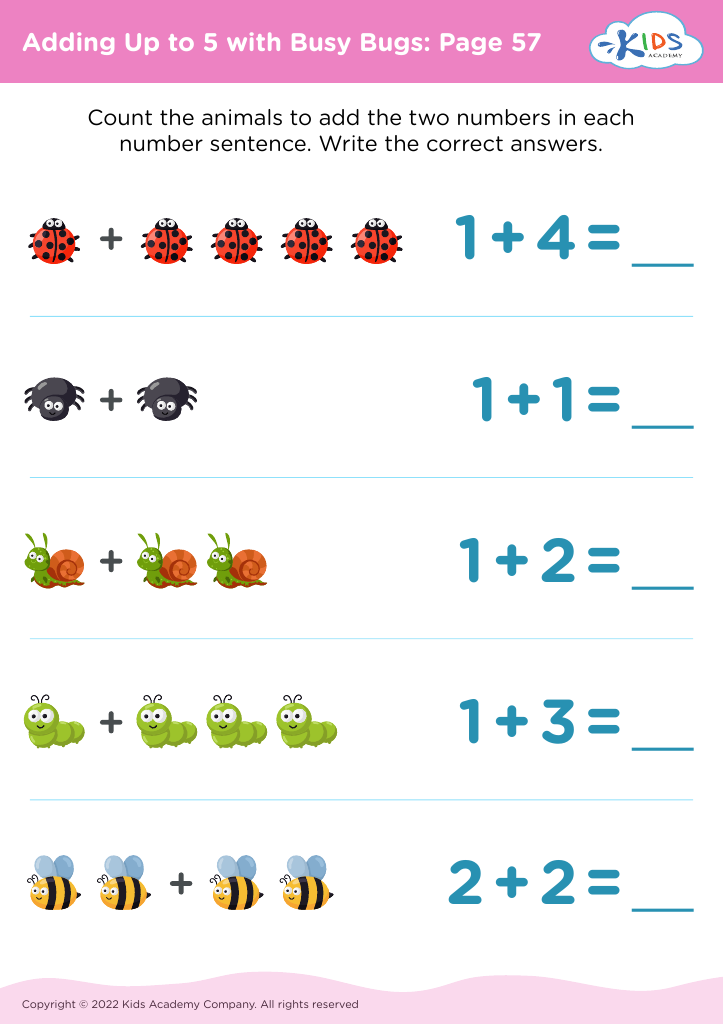
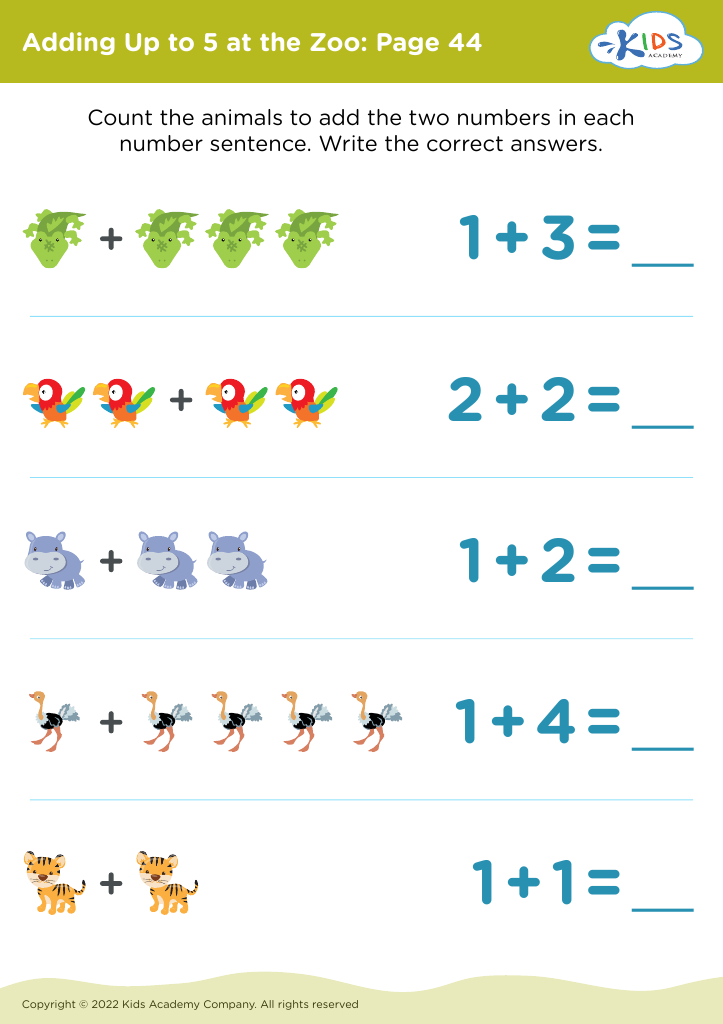
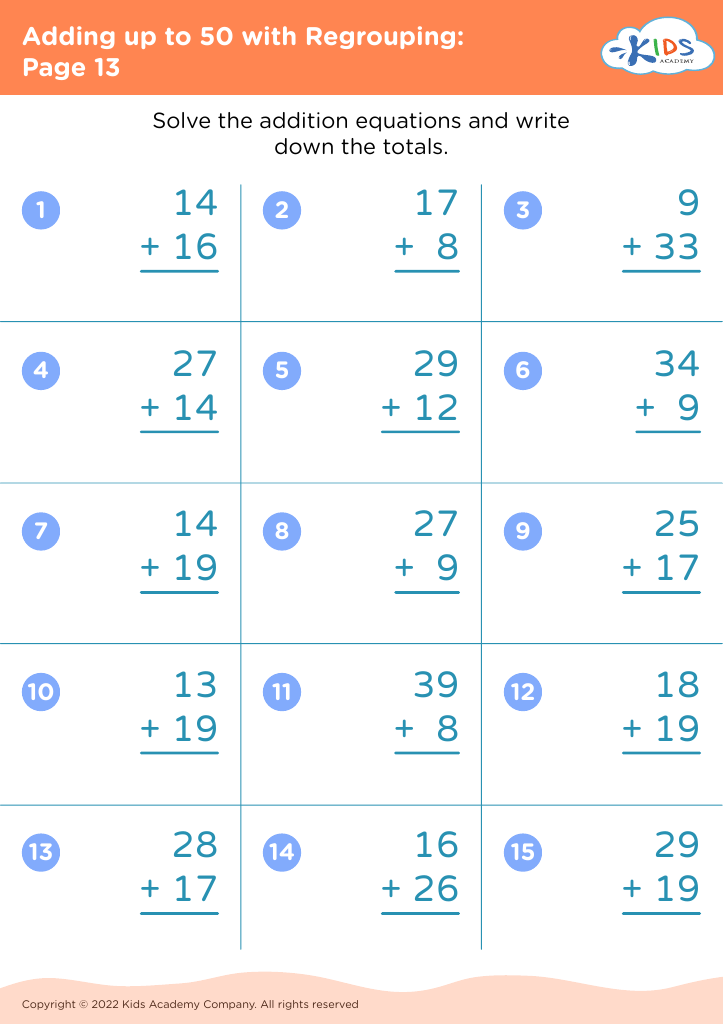
Discover a fun and effective way to help your child master addition and subtraction with our engaging worksheets designed for ages 5-7. These resources are tailored to enhance early math skills, ensuring foundational concepts are grasped with ease. Each worksheet is packed with colorful illustrations and age-appropriate exercises that captivate young learners while fostering their confidence in math. As children practice with our worksheets, they will improve their problem-solving skills, number recognition, and basic arithmetic. Perfect for both classroom activities and home learning, these addition and subtraction worksheets make mastering basics enjoyable and effective. Start your child's math journey today!
Favorites
With answer key
Interactive
Join Kids Academy for Free
Who is primarily going to use this learning content?








Basic math learning, particularly addition and subtraction, is crucial for children aged 5 to 7 as it lays the foundation for all future mathematical understanding. During these formative years, students are not only developing their cognitive skills but also learning how to think logically and solve problems. Mastery in addition and subtraction empowers children to approach more complex topics like multiplication and division with confidence as they progress through their education.
Furthermore, strong skills in these fundamental operations enhance a child’s ability to make sense of the world around them; from counting items at the grocery store to understanding basic financial concepts at a young age. Additionally, it fosters resilience and critical thinking as children learn to tackle problems and celebrate successes.
Parents and teachers should also recognize that a solid grasp of basic math promotes a positive attitude towards learning. When children are comfortable with these basic operations, they are more likely to engage in classroom activities and collaborate with peers.
Ultimately, investing time in teaching addition and subtraction not only equips children with essential life skills but also nurtures their self-esteem and motivation, setting them on a path for lifelong learning and achievement in mathematics and beyond.








