Comparing numbers Addition & Subtraction Worksheets for Ages 5-7
4 filtered results
-
From - To
Discover our engaging "Comparing Numbers Addition & Subtraction Worksheets" designed for children ages 5 to 7. These thoughtfully created resources help young learners build essential math skills through fun activities. By comparing numbers and practicing addition and subtraction, kids will enhance their understanding of mathematical concepts while developing critical thinking abilities. The worksheets promote confidence in arithmetic and foster a love for learning, all in a playful format that keeps students motivated. Perfect for homeschooling or classroom use, these worksheets are an excellent tool to support foundational math skills among early learners. Get started on an exciting math journey today!
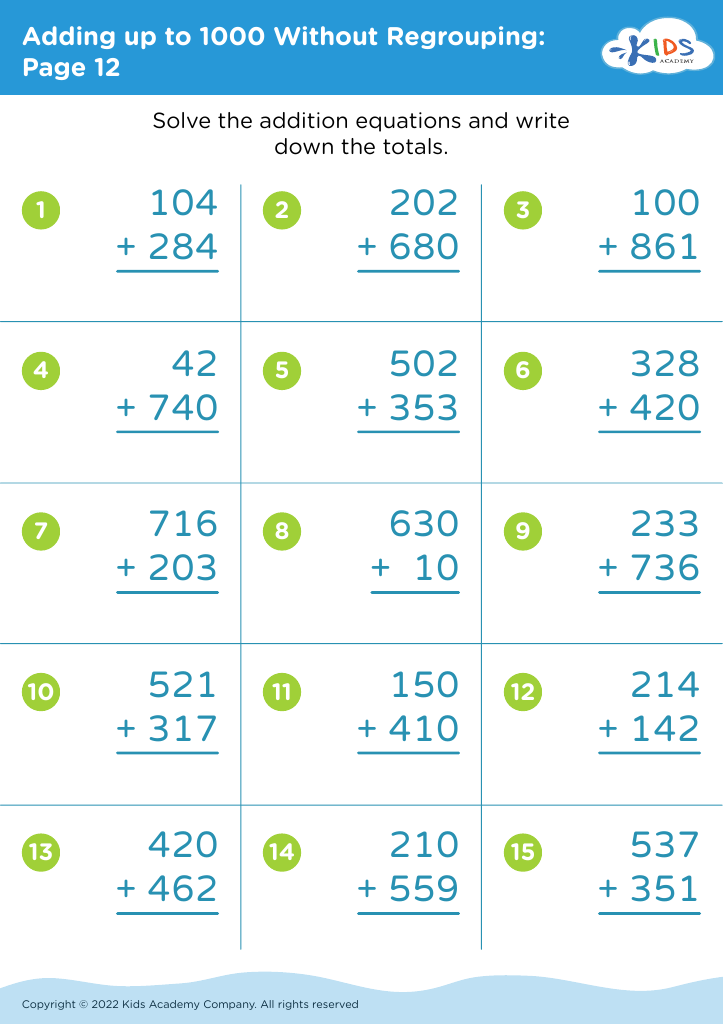
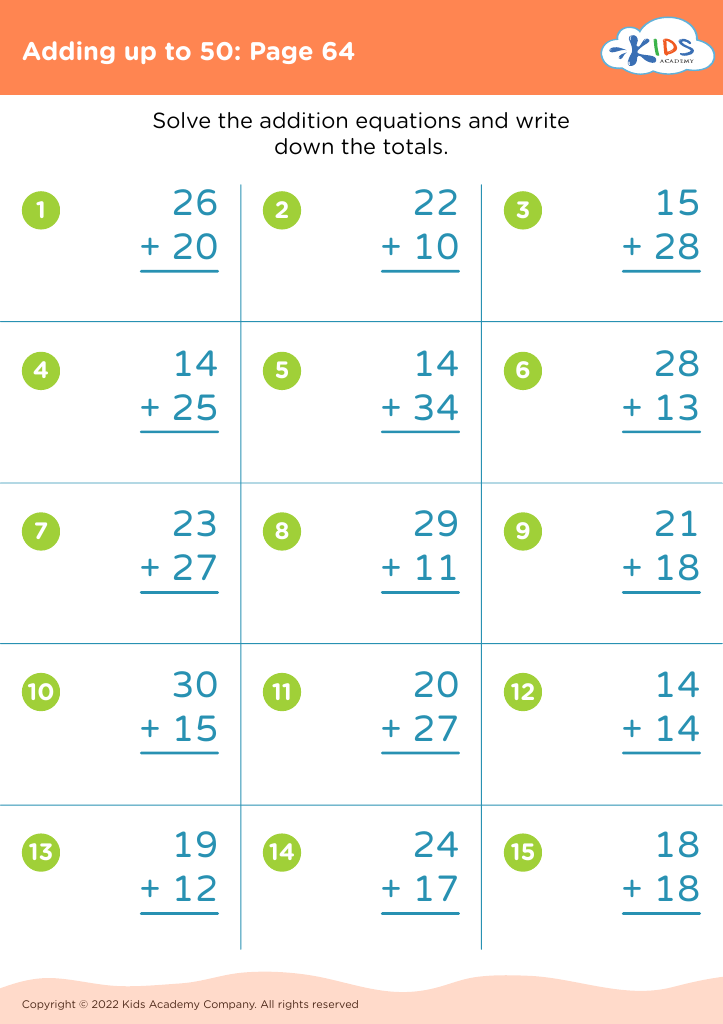
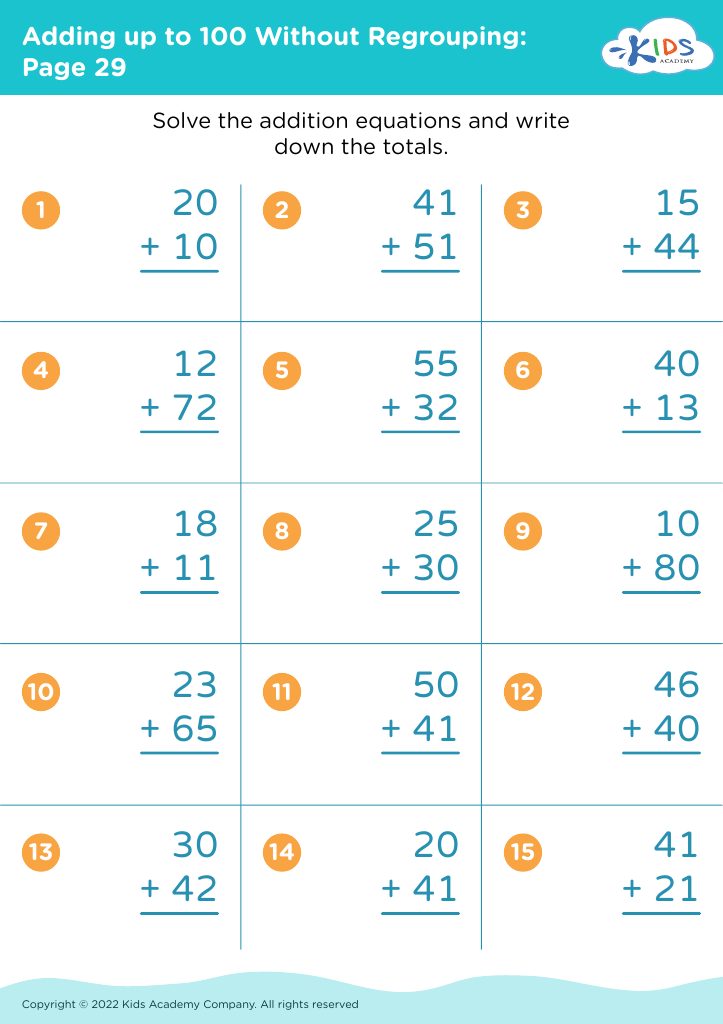
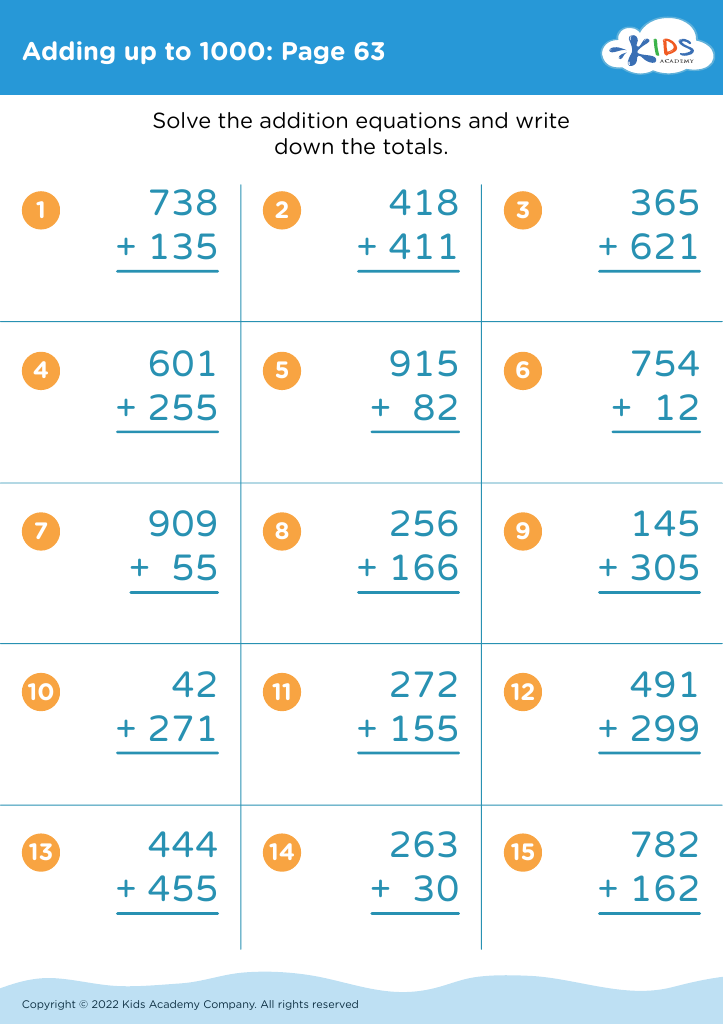








Understanding comparing numbers, addition, and subtraction is fundamental for young children aged 5-7, as it establishes the groundwork for their mathematical skills. At this developmental stage, children begin to grasp basic arithmetic operations, which are essential for everyday life and future learning.
Firstly, these skills help foster critical thinking. By comparing numbers, children learn to evaluate quantities, identify differences, and make choices based on numerical data. This foundational understanding enhances their ability to solve problems, a skill essential in both math and real-life situations.
Secondly, addition and subtraction are not just academic exercises; they reinforce basic concepts such as “more” and “less,” which are vital for effective communication and decision-making. Parents and teachers play a crucial role in making math relatable and fun, helping children see the relevance in games, real-life situations, or stories.
Encouraging proficiency in these areas promotes confidence and curiosity, paving the way for more complex mathematical concepts in later years. Parents and teachers should advocate for interactive and engaging practices, reinforcing these skills to ensure every child has a solid math foundation that will support their academic journey and inspire a love for learning.








