
Develop inference skills Addition & Subtraction Worksheets for Ages 5-7
3 filtered results
Difficulty Level
Grade
Age
-
From - To
Subject
Activity
Standards
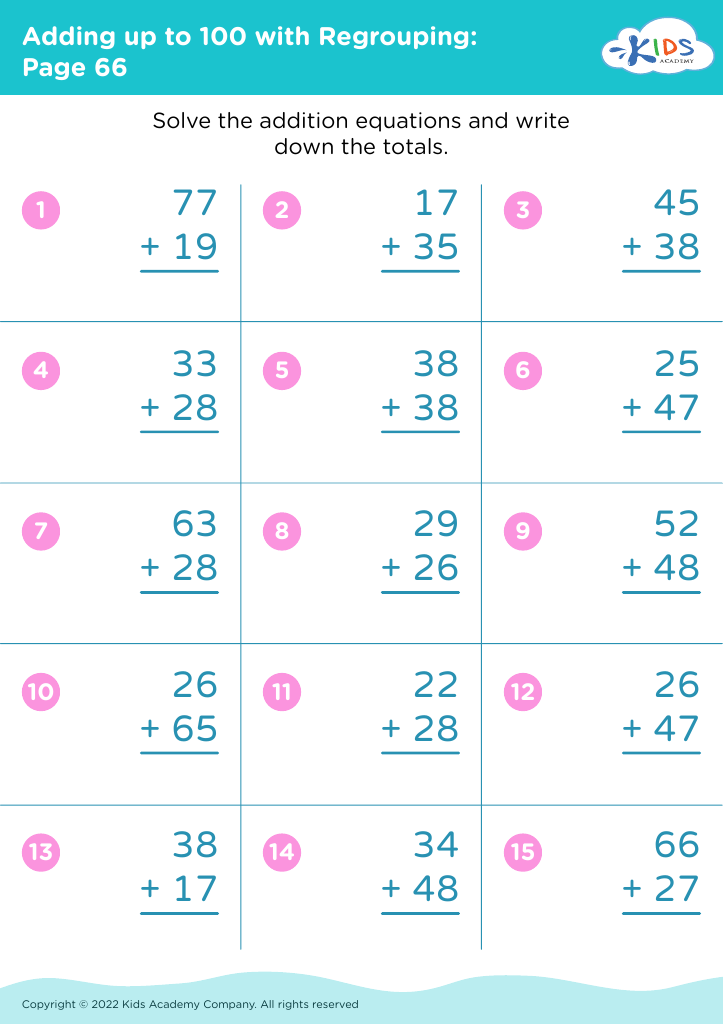
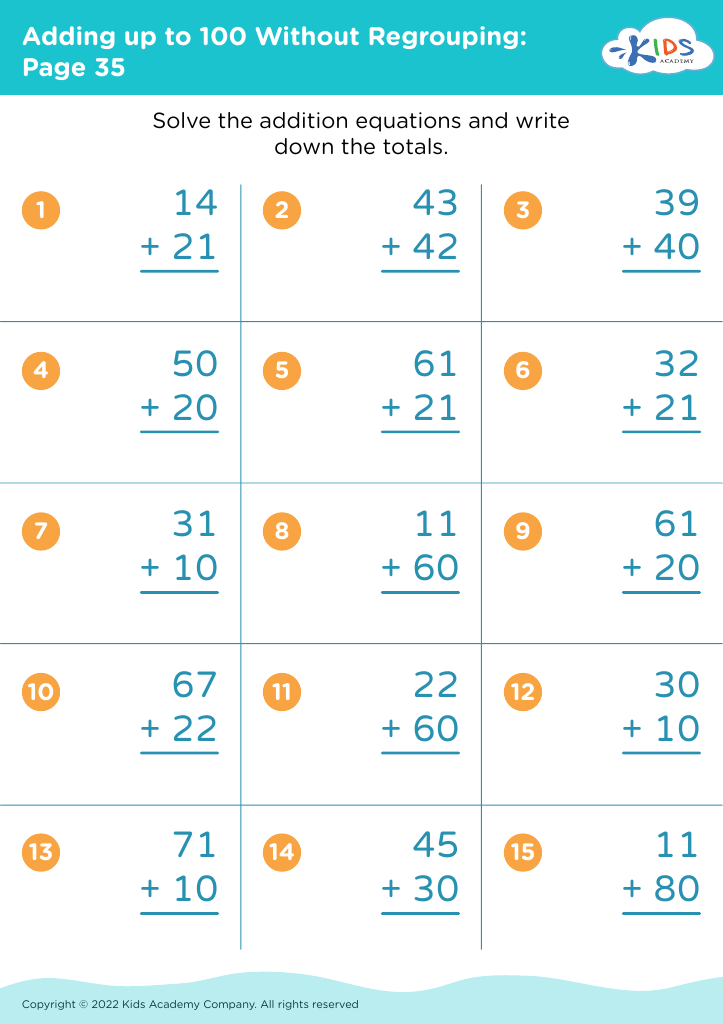
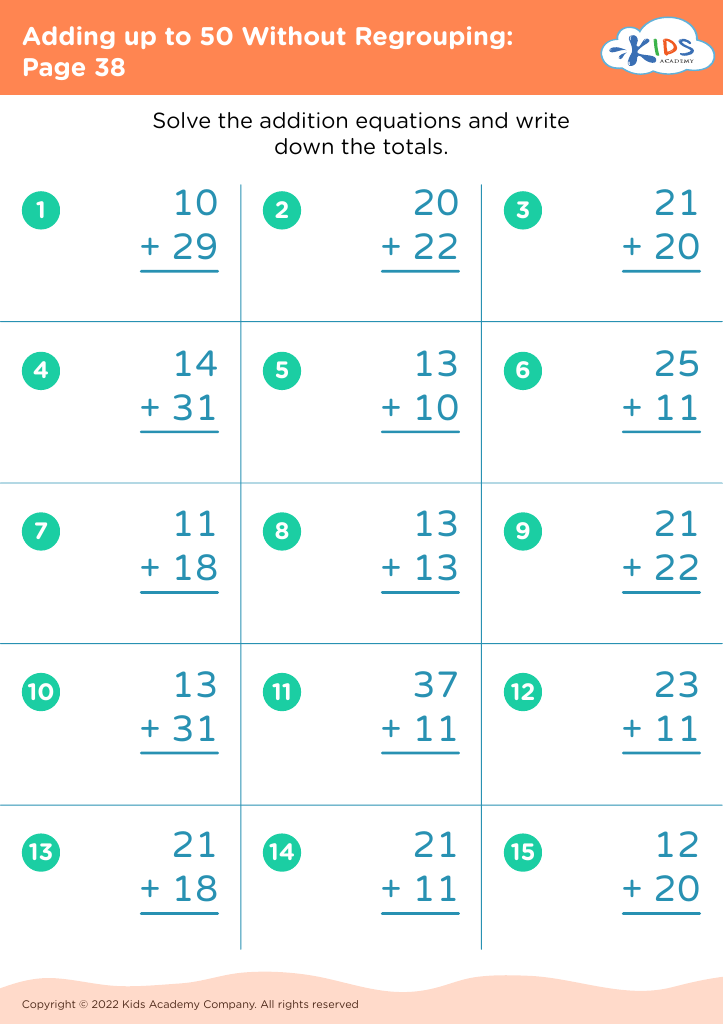
Enhance your child's math skills with our "Develop Inference Skills Addition & Subtraction Worksheets" designed for ages 5-7. These engaging worksheets provide a fun, interactive way to practice basic addition and subtraction while fostering critical thinking and inference abilities. Through a variety of colorful and age-appropriate exercises, children will learn to draw conclusions and make connections between numbers. Our resources are perfect for reinforcing classroom learning or supporting home education. Help your young learners become confident problem solvers and build a solid mathematical foundation with these thoughtfully crafted worksheets. Discover the joy of learning through engaging activities today!
Favorites
With answer key
Interactive
Join Kids Academy for Free
Who is primarily going to use this learning content?








Developing inference skills in addition and subtraction for children aged 5-7 is crucial for their mathematical foundation. Inference skills allow young learners to make meaning of mathematical concepts, identify patterns, and apply strategies to solve problems. When children learn to infer, they connect prior knowledge and experiences to new information, enhancing their understanding of numbers and operations.
Parents and teachers play a significant role in nurturing these skills. Early development of addition and subtraction through inference not only fosters critical thinking but also cultivates a positive attitude toward mathematics. It encourages children to ask questions, explore relationships between numbers, and discover various ways to arrive at answers.
Furthermore, strong inference skills in mathematics improve overall problem-solving abilities, essential in daily life beyond the classroom. As children learn to analyze, interpret, and draw conclusions from numerical data, they become better prepared for more complex mathematical concepts in the future.
Ultimately, when parents and teachers prioritize the development of inference skills, they set the stage for a love of learning, effective communication, and an ability to handle not just numbers, but challenges in various life scenarios. Thus, investing time in these skills now can yield long-term benefits for children’s academic journeys.








