Fraction conversion Addition & Subtraction Worksheets for Ages 5-7
3 filtered results
-
From - To
Unlock the world of fractions with our engaging Fraction Conversion Addition & Subtraction Worksheets tailored for kids aged 5-7! These worksheets make learning fun, allowing young learners to grasp essential fraction concepts through enjoyable activities. Students will practice converting fractions while mastering addition and subtraction skills, fostering both mathematical understanding and confidence. Our thoughtfully designed exercises cater to various learning styles, ensuring a comprehensive grasp of fractional math. Perfect for classroom use or at-home learning, these worksheets encourage independent exploration and help reinforce foundational skills. Give your child a head start in math with these engaging and educational resources!
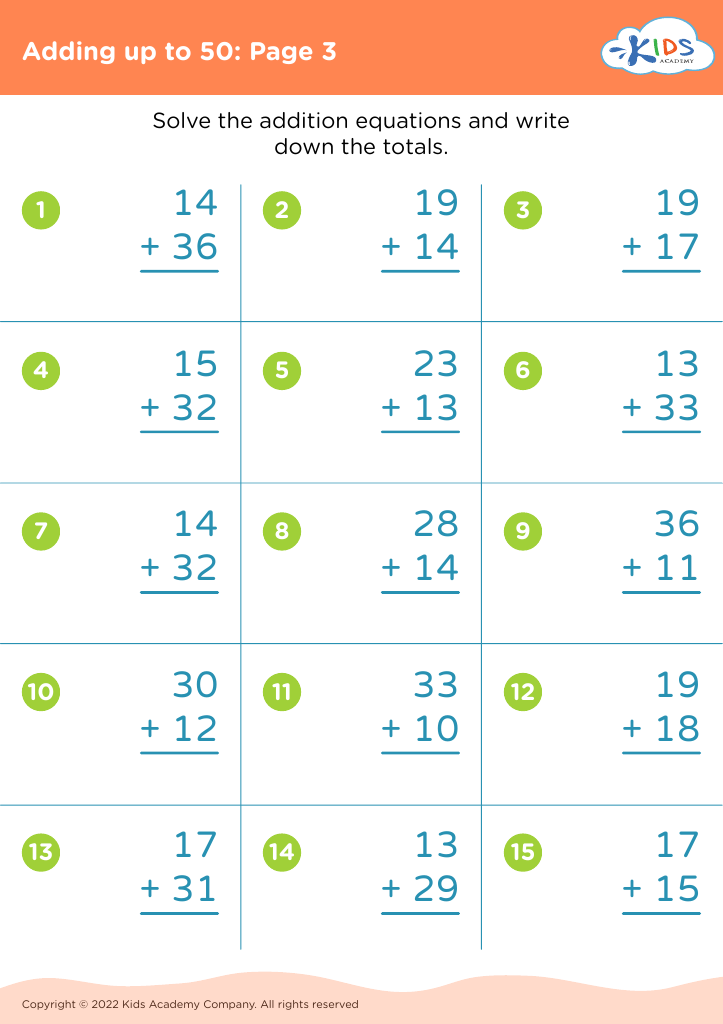
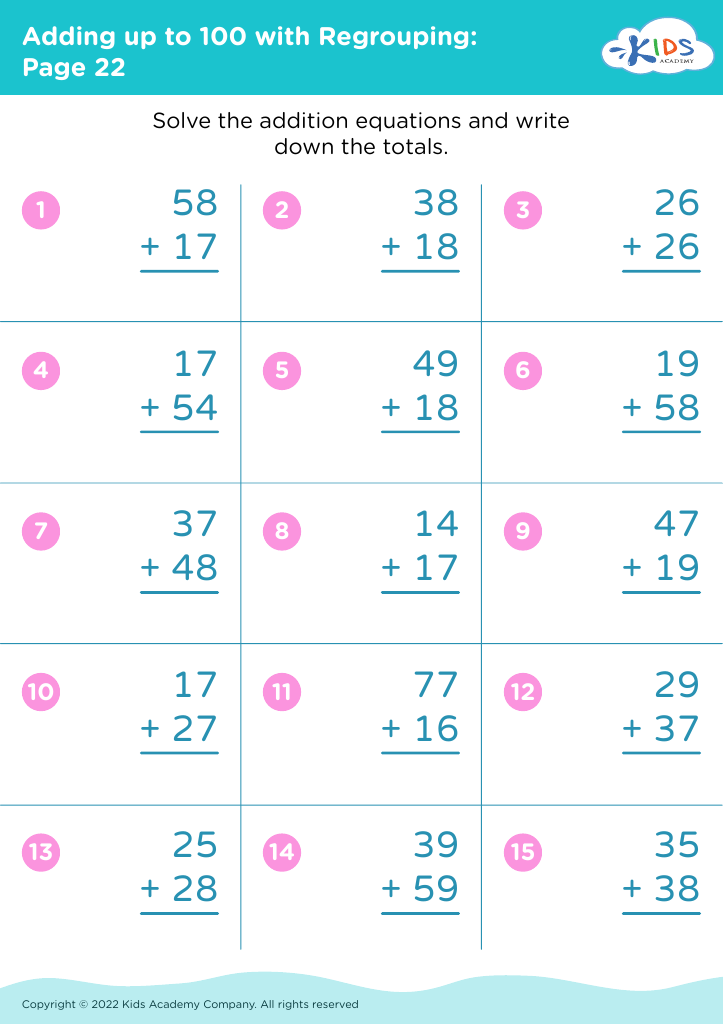
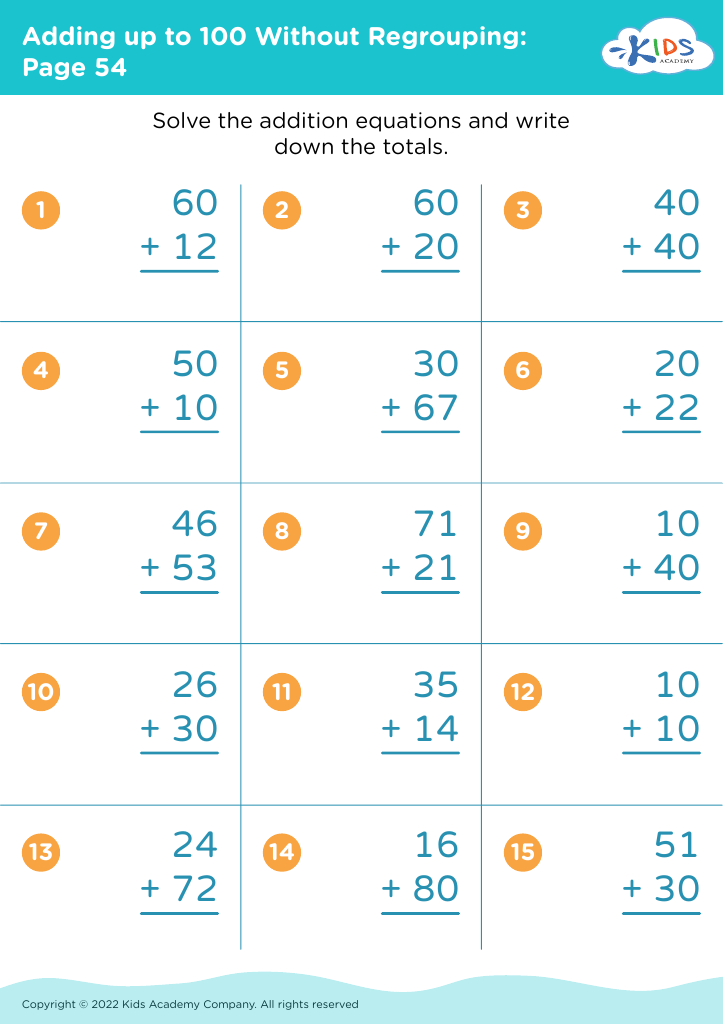








Fraction conversion, addition, and subtraction are foundational skills in early mathematics education for children aged 5-7. Understanding these concepts builds a child's ability to think critically and develop problem-solving skills.
Firstly, grasping fractions introduces children to the idea of parts of a whole, which is essential in various everyday situations, from cooking to sharing food. It helps them understand ratios, proportions, and fairness.
Furthermore, addition and subtraction involving fractions cultivate a sense of numerical fluency. By learning to manipulate fractions, children enhance their arithmetic skills, which is crucial as they advance in mathematics. This bedrock knowledge sets the stage for more complex concepts in later grades, including decimals, percentages, and algebraic thinking.
Additionally, engaging with fractions supports cognitive development. Through hands-on activities, like using pie slices or blocks, students learn to visualize abstract concepts, promoting deeper comprehension. Teachers and parents can foster a positive attitude towards math by making these lessons fun and relatable.
Ultimately, understanding fraction conversion, addition, and subtraction not only empowers children academically but also builds their confidence, equipping them with the tools needed for lifelong learning. It encourages a growth mindset, reinforcing that mastery in math is achievable through practice and perseverance.








