Identifying equivalent fractions Addition & Subtraction Worksheets for Ages 5-7
7 filtered results
-
From - To
Discover engaging worksheets designed specifically for children ages 5-7 to master identifying equivalent fractions through addition and subtraction. Our carefully crafted materials provide a fun and interactive way for young learners to build a solid foundation in understanding fractions. With colorful visuals and easy-to-follow exercises, kids will enjoy practicing their skills while reinforcing math concepts. The worksheets encourage critical thinking and problem-solving abilities, helping students make connections between equivalent fractions and operations. Perfect for classroom or home use, these resources aim to boost confidence and proficiency in early math learning. Start your child's journey in mastering fractions today!
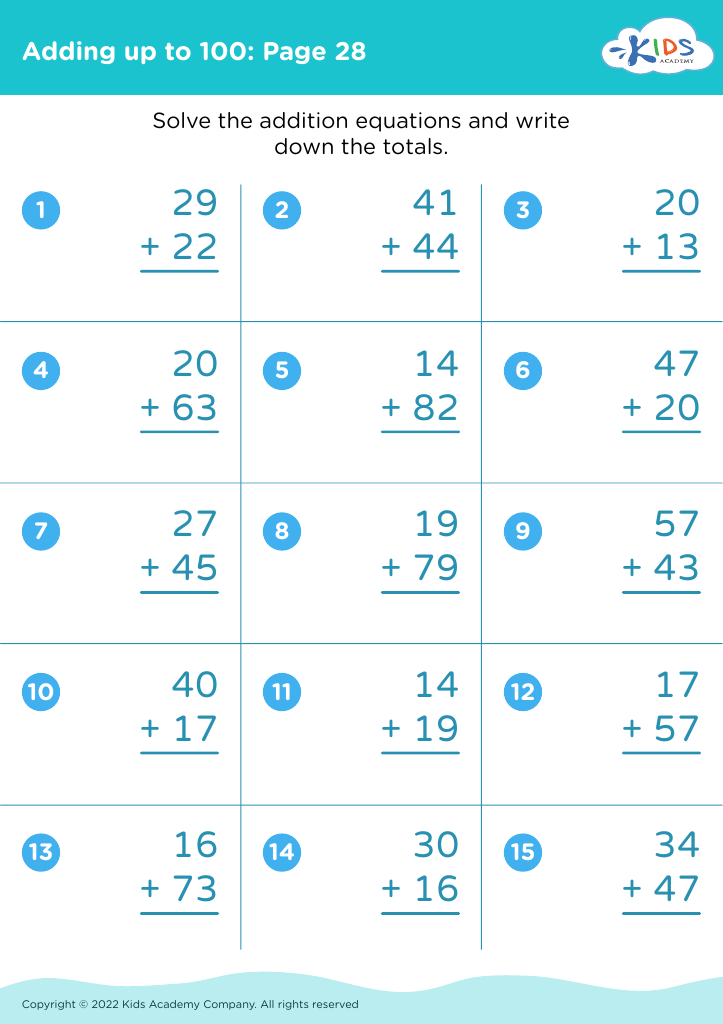
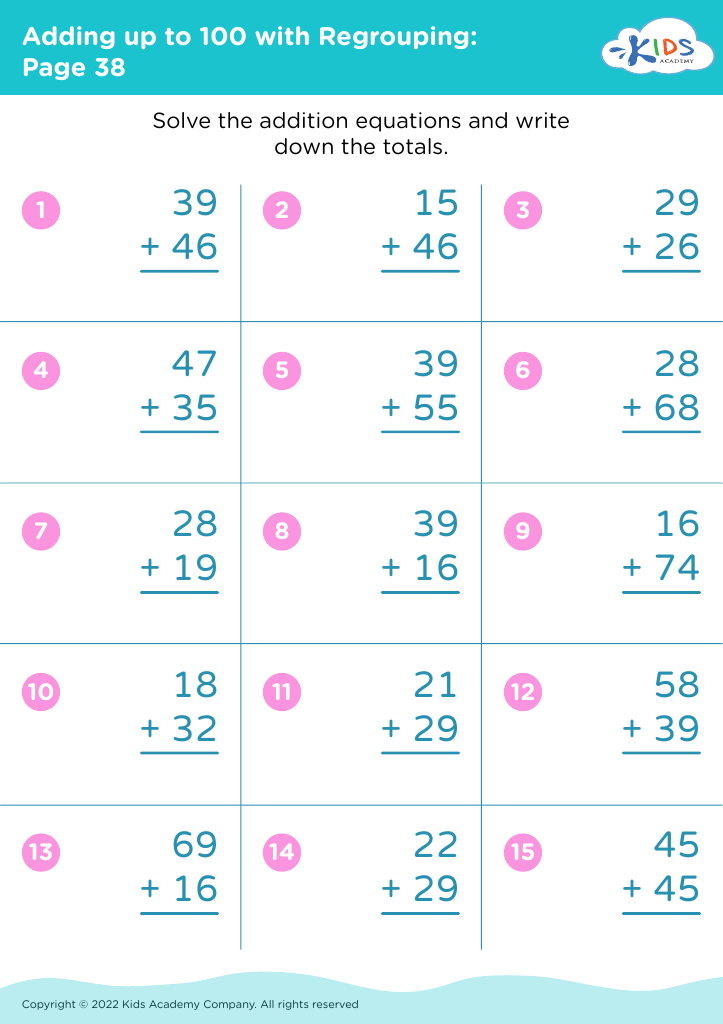
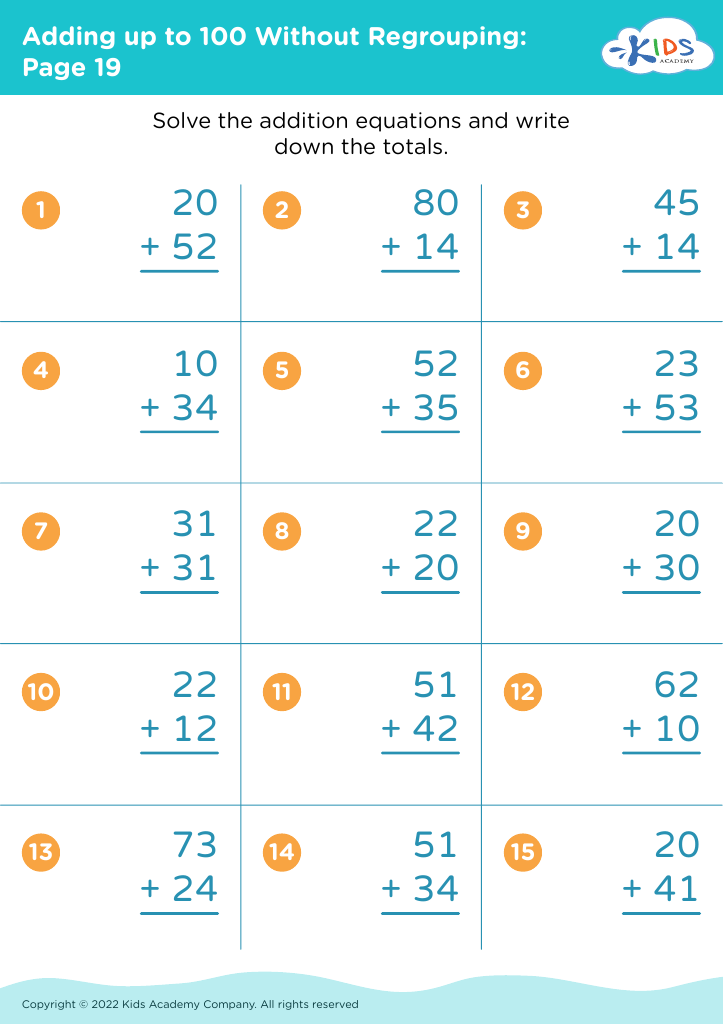
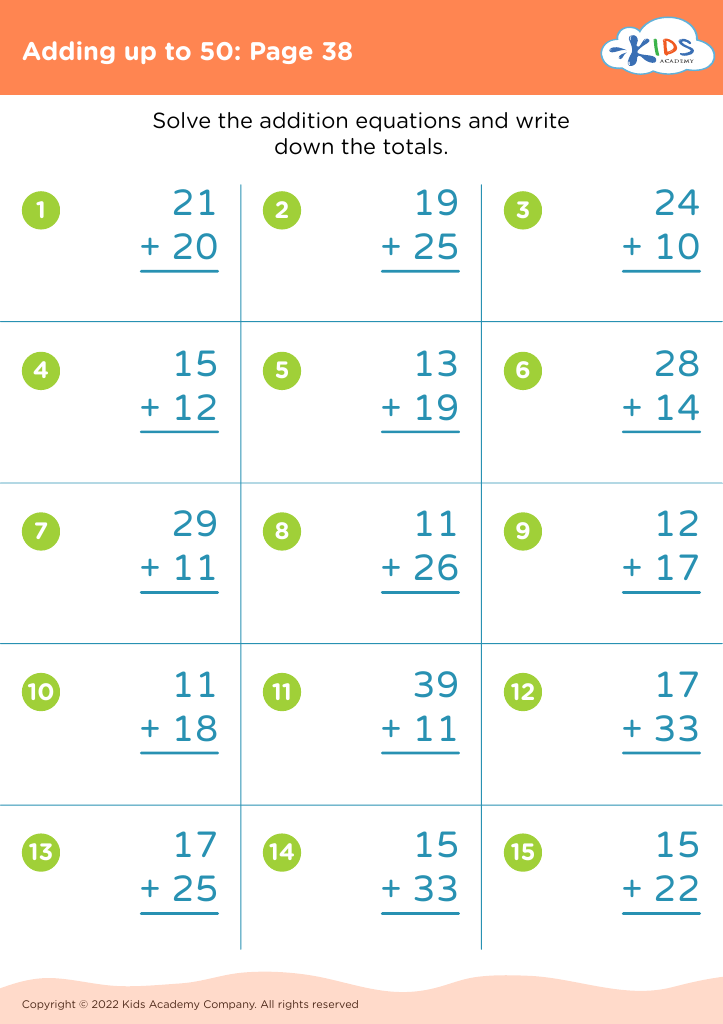
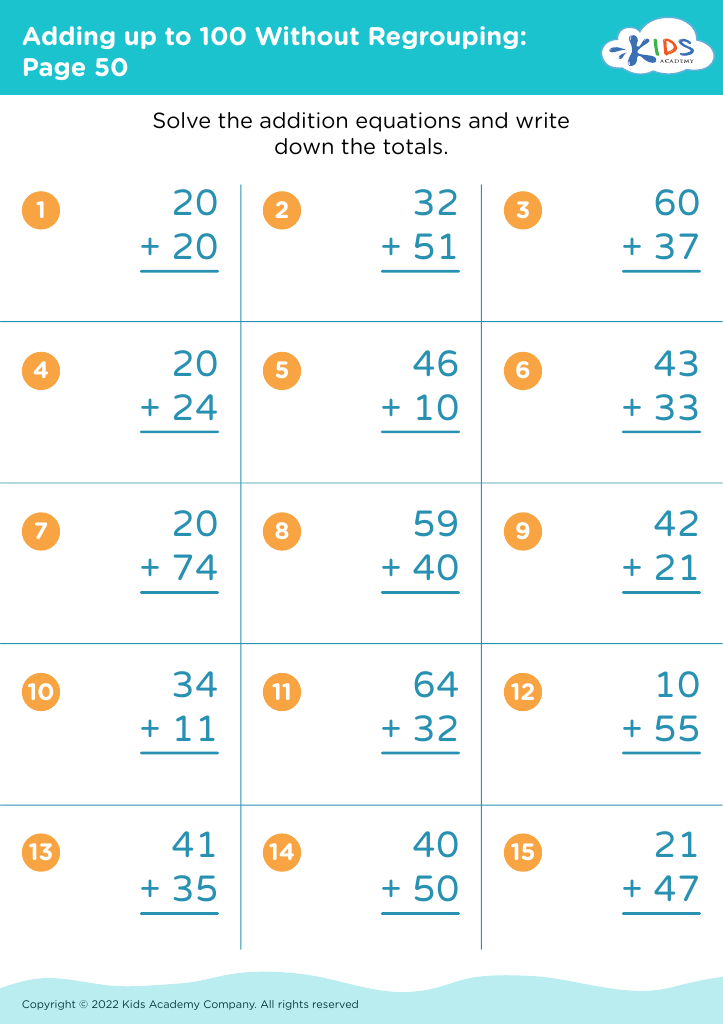
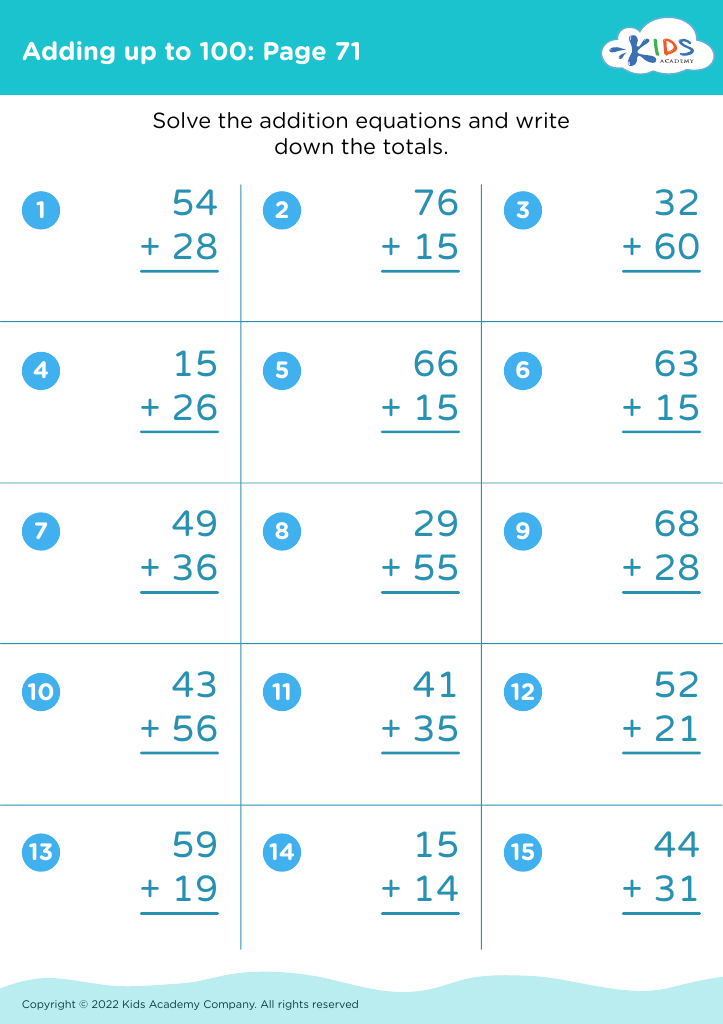
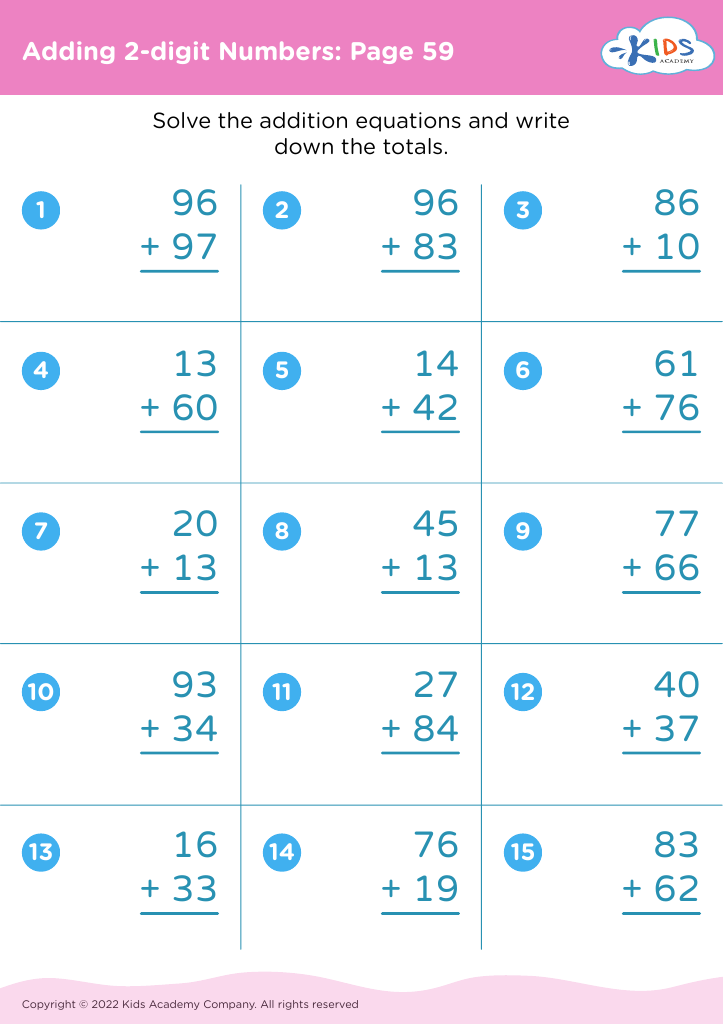








Identifying equivalent fractions and understanding the basics of addition and subtraction are fundamental mathematical skills, particularly for children ages 5-7. Parents and teachers should care about these concepts because they lay the groundwork for more complex mathematical operations in later grades. Fraction understanding enhances a child’s ability to recognize relationships between numbers, developing critical thinking skills.
Teaching equivalent fractions equips children with the tools to compare different fractions, fostering a deeper comprehension of thewhole and its parts. This skill is essential for everyday experiences, such as sharing food or measuring ingredients in cooking, which can easily be incorporated into real-life learning.
Moreover, focusing on addition and subtraction of fractions encourages conceptual understanding rather than mere rote memorization. As children grasp these fundamental operations, they develop resilience and problem-solving abilities, promoting a positive attitude toward math as they progress in their education.
Ultimately, by emphasizing these concepts, parents and teachers support the development of a solid mathematical foundation, nurture confidence in learners, and prepare them for future success in math and related subjects. Engaging children with playful and interactive learning experiences further fosters a love for math at this critical age.








