
Improve math skills Addition & Subtraction Worksheets for Ages 5-7
17 filtered results
Difficulty Level
Grade
Age
-
From - To
Subject
Activity
Standards
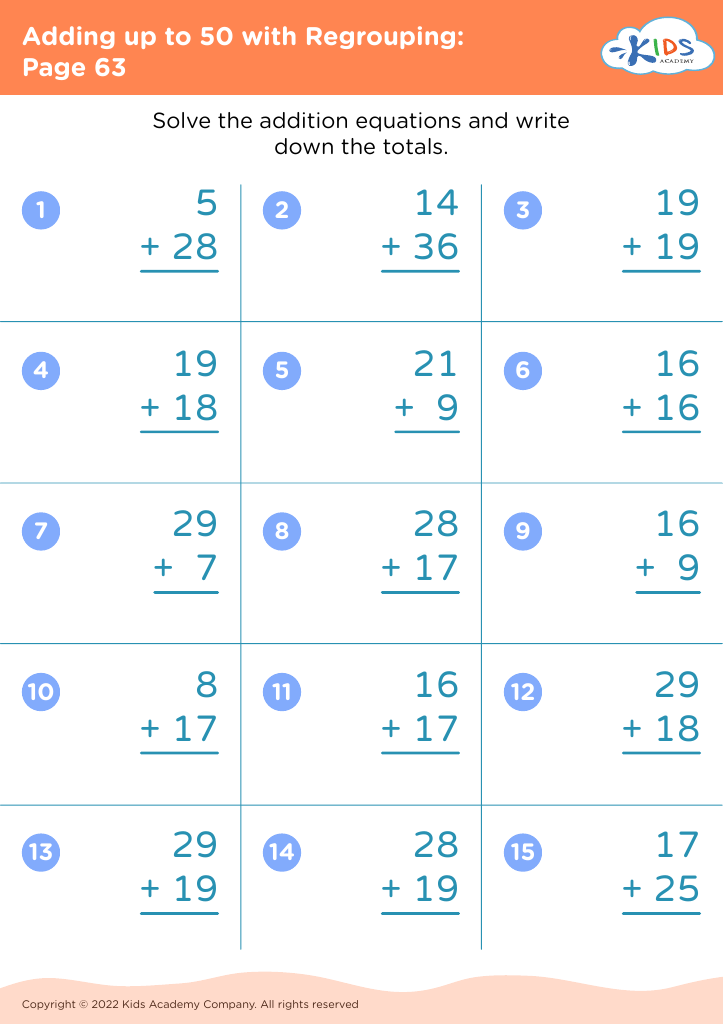
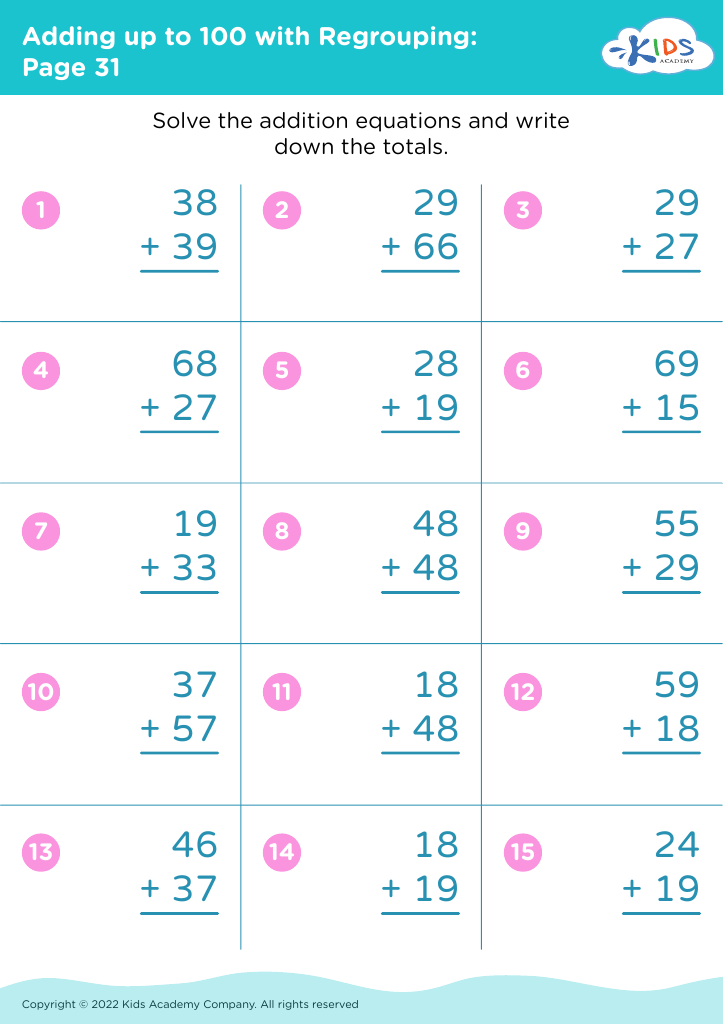
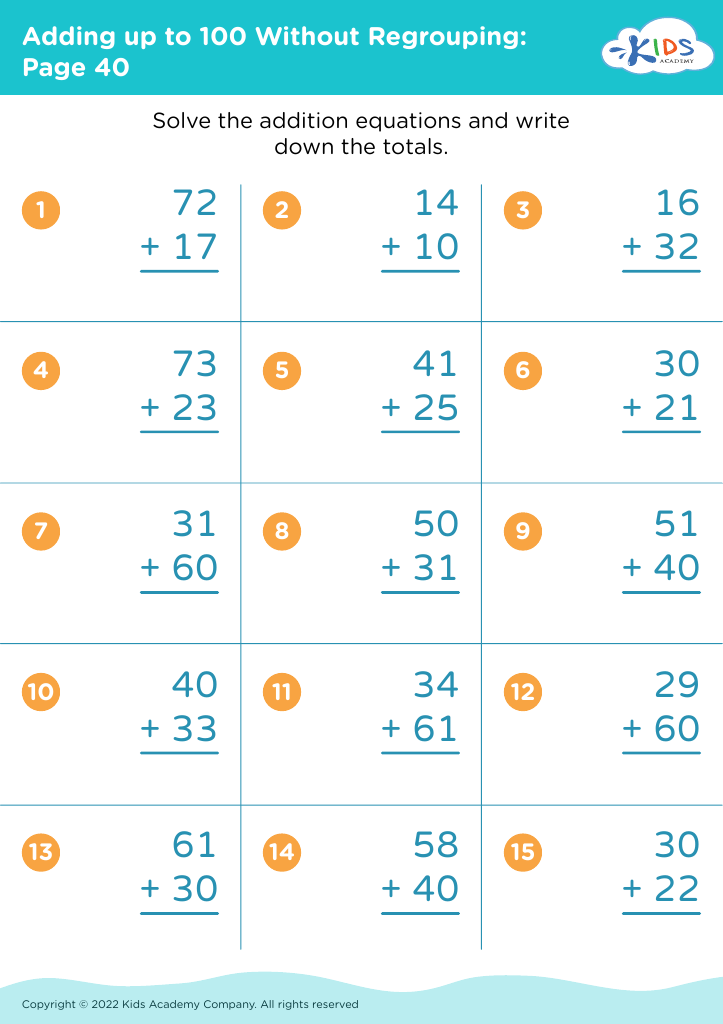
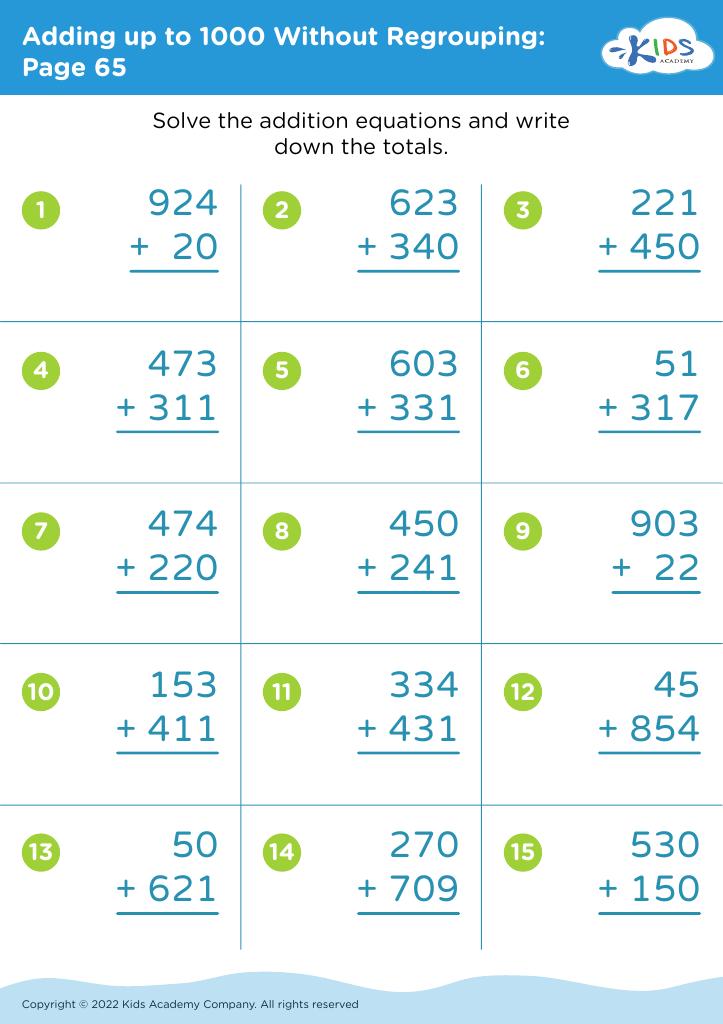
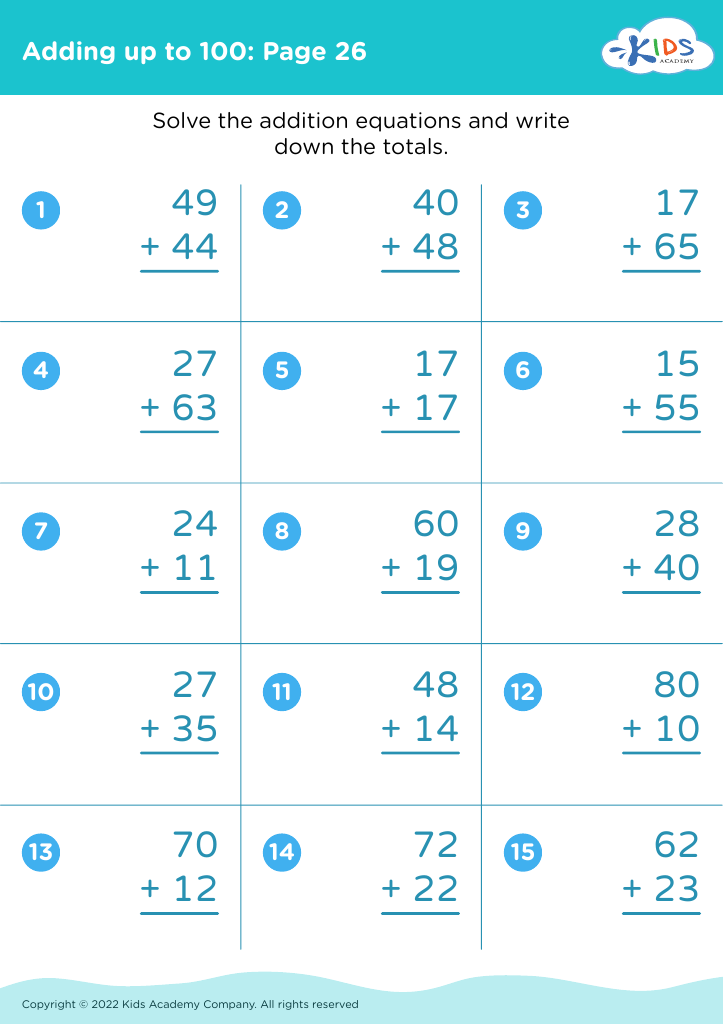
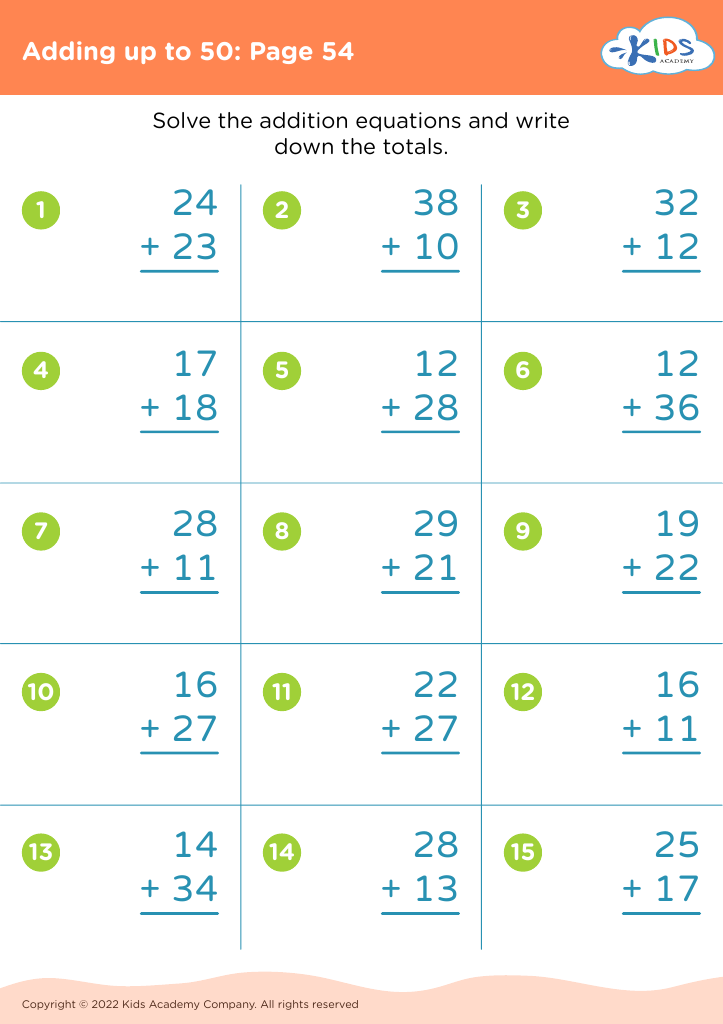
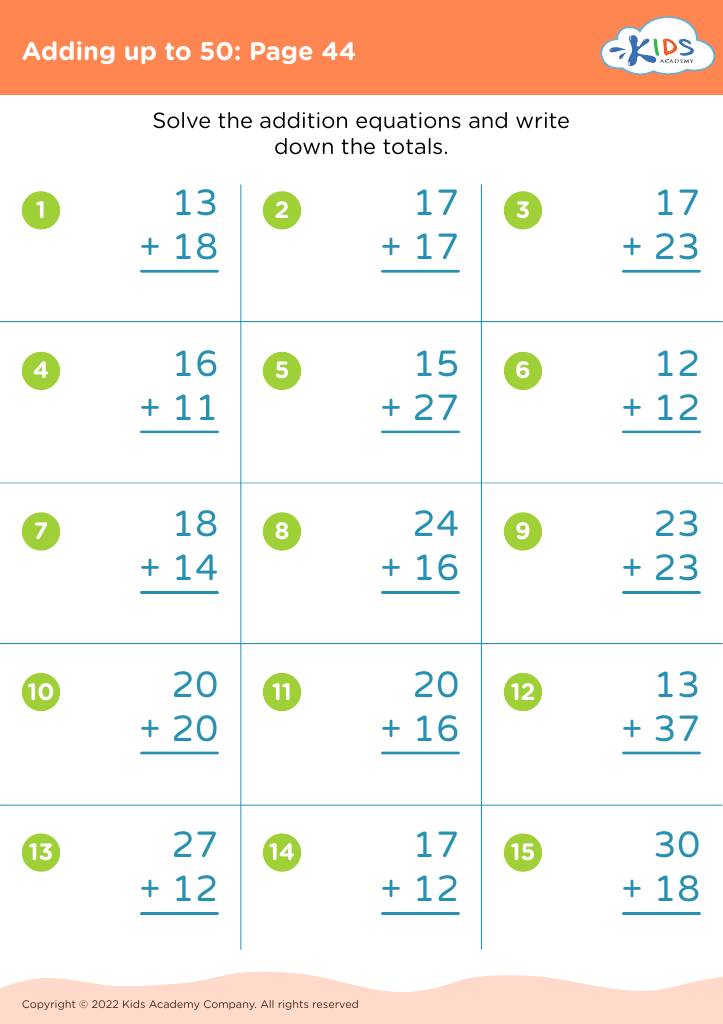
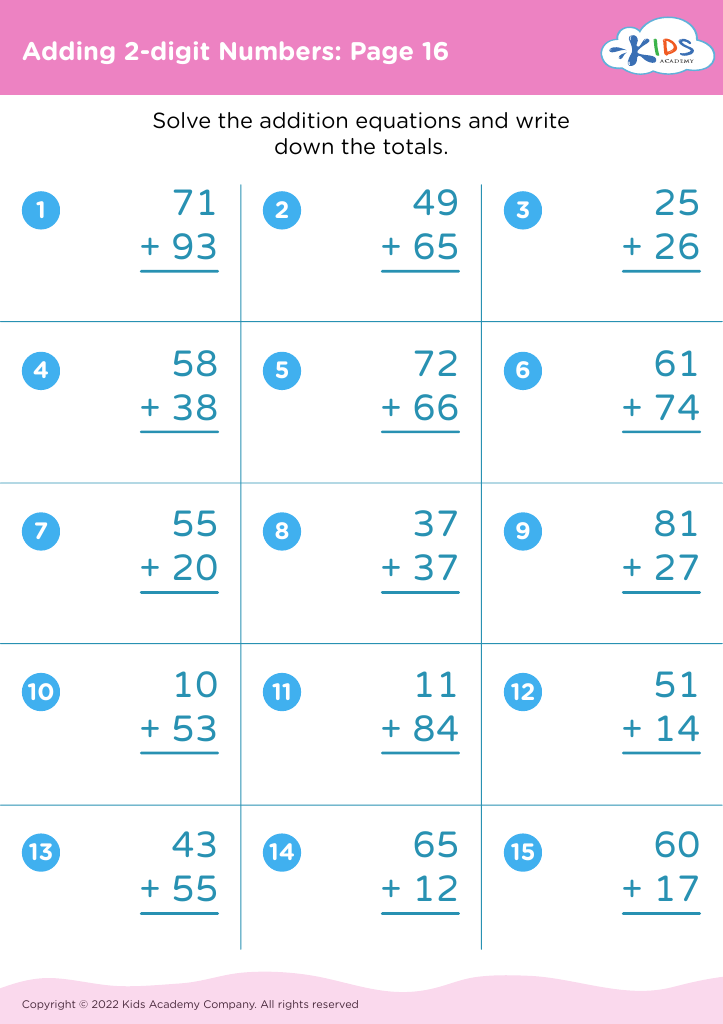
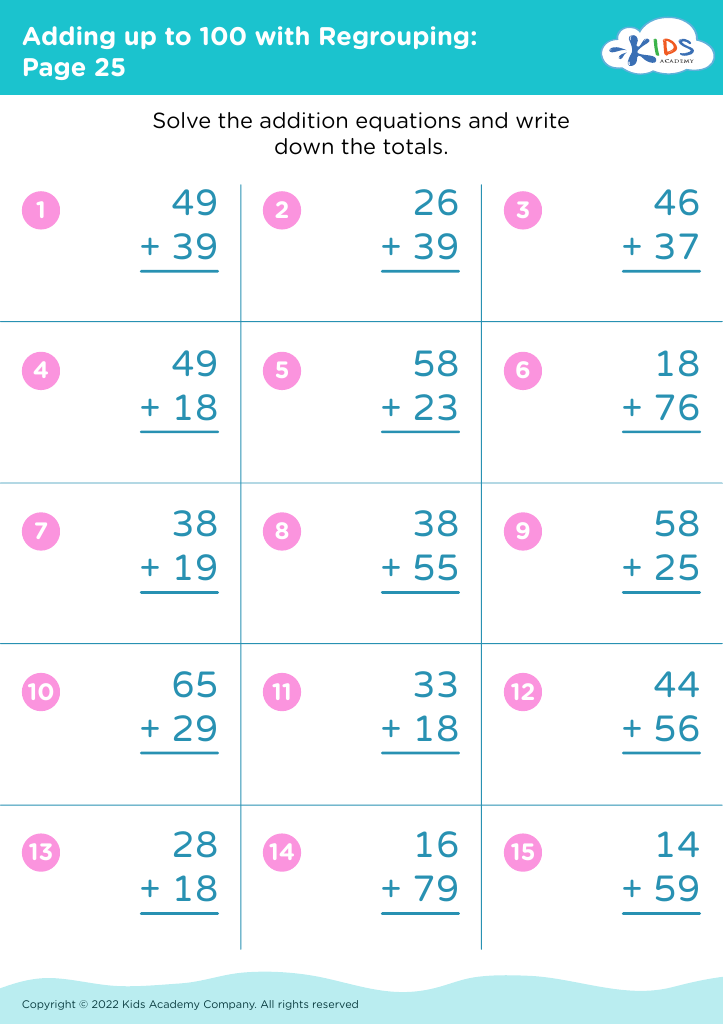
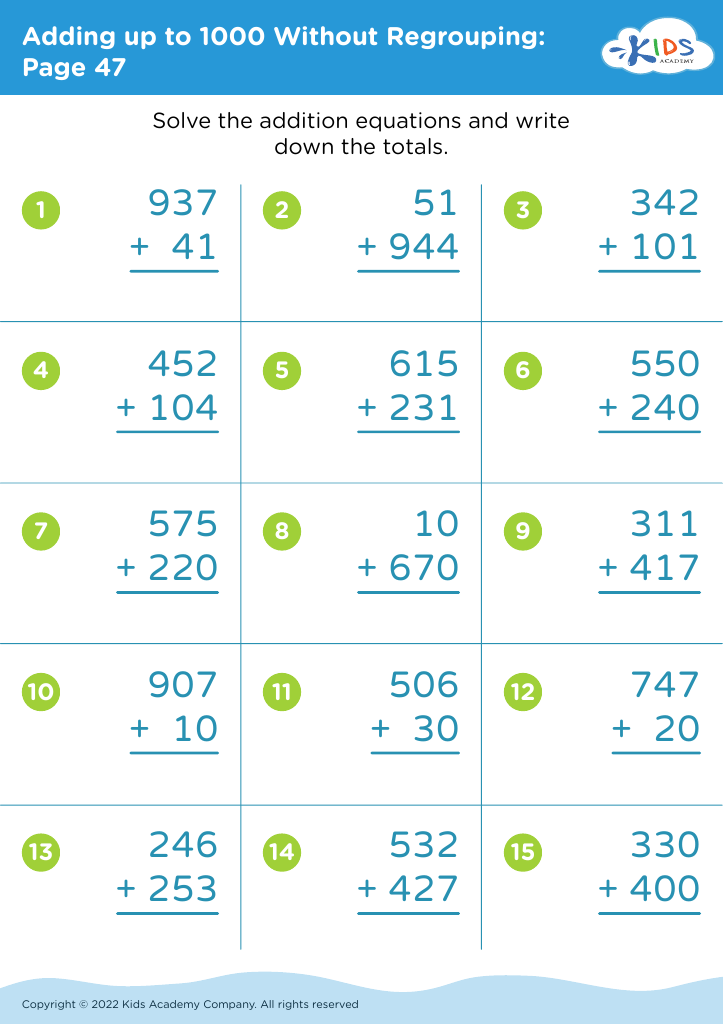
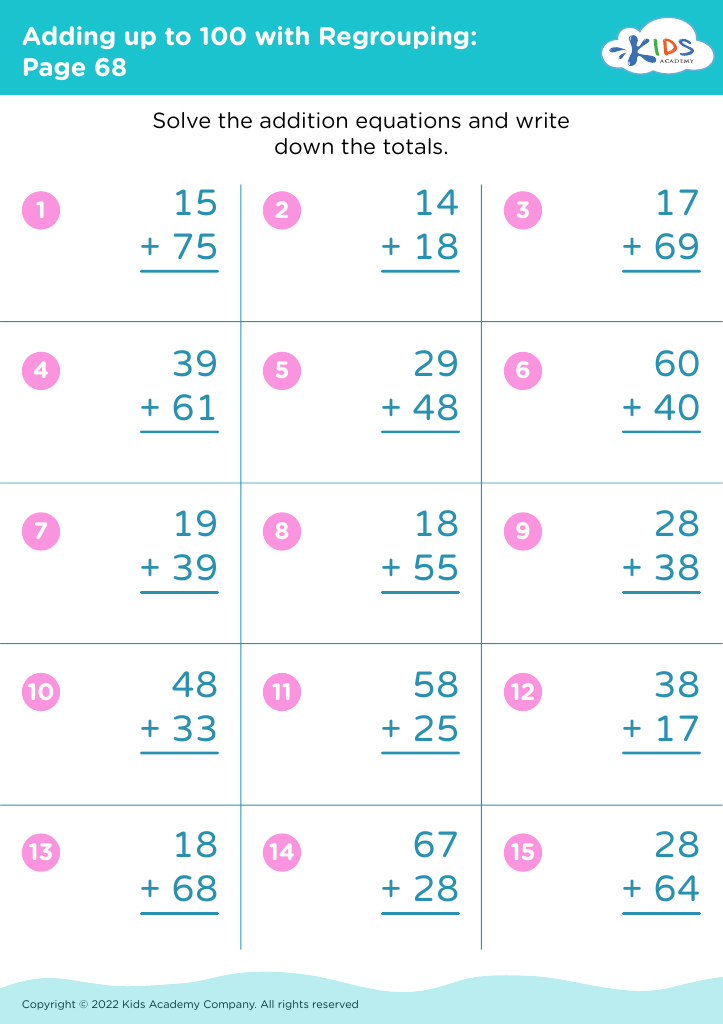
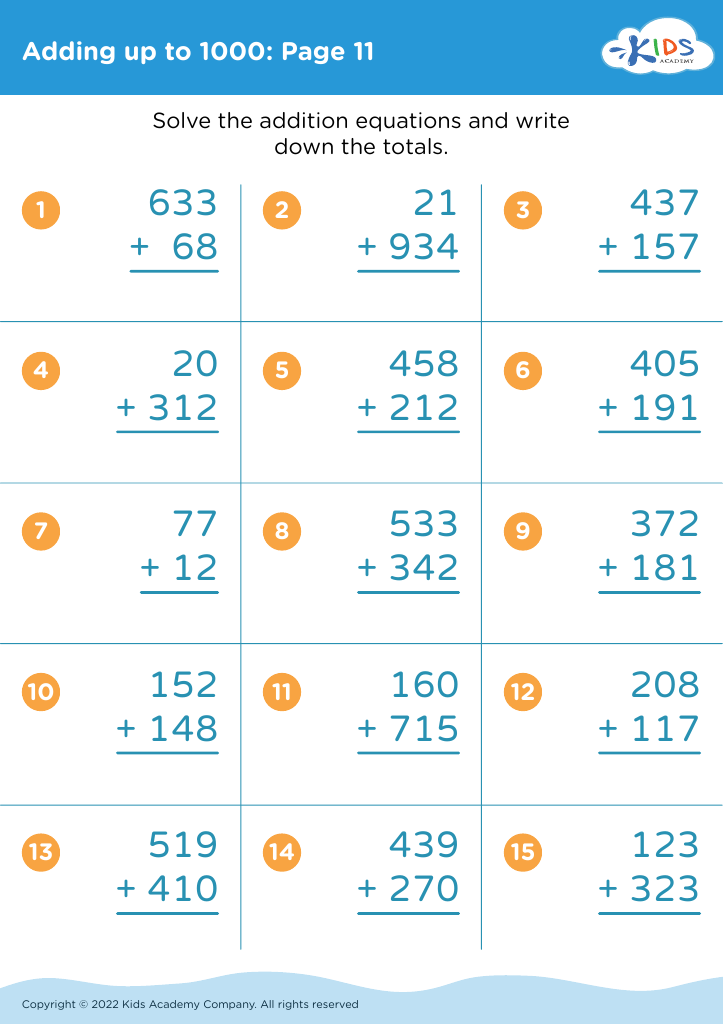
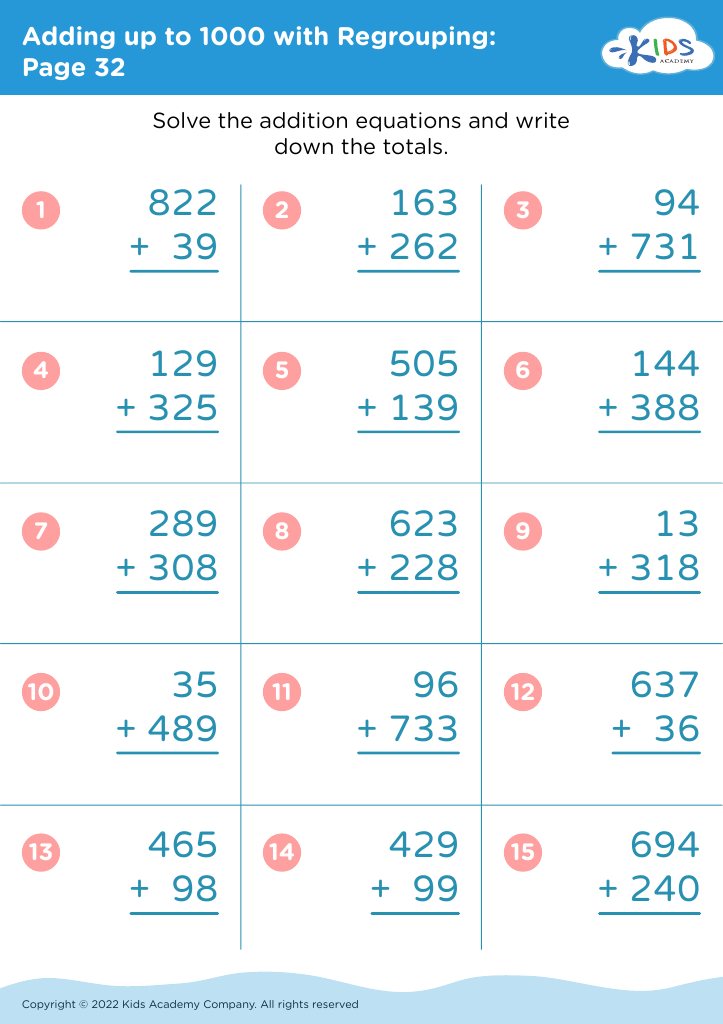
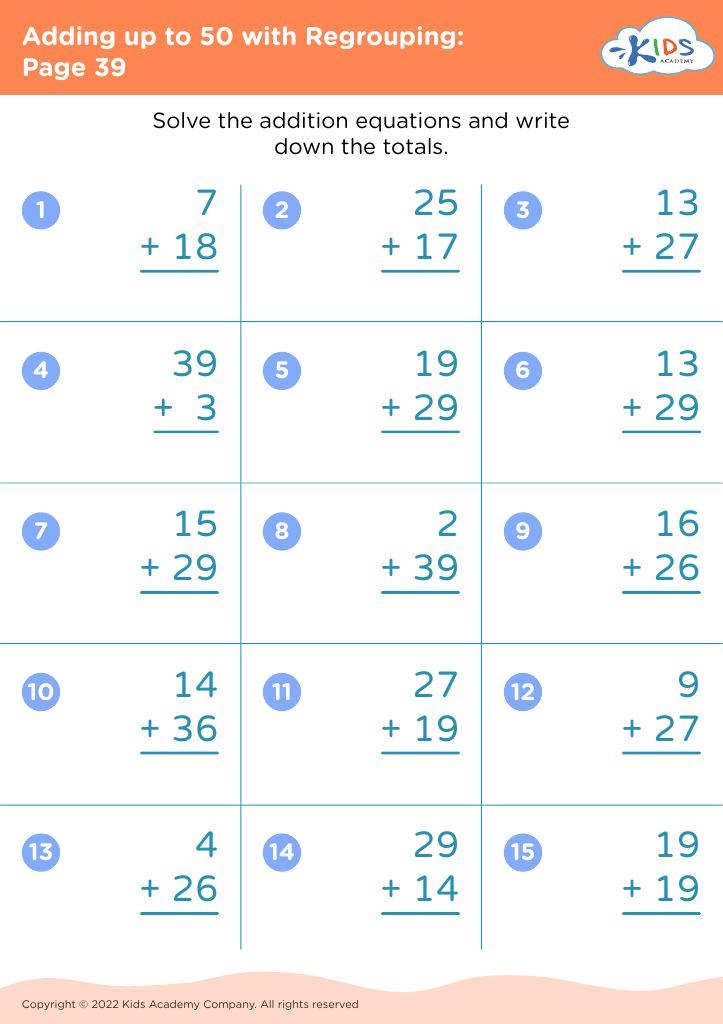
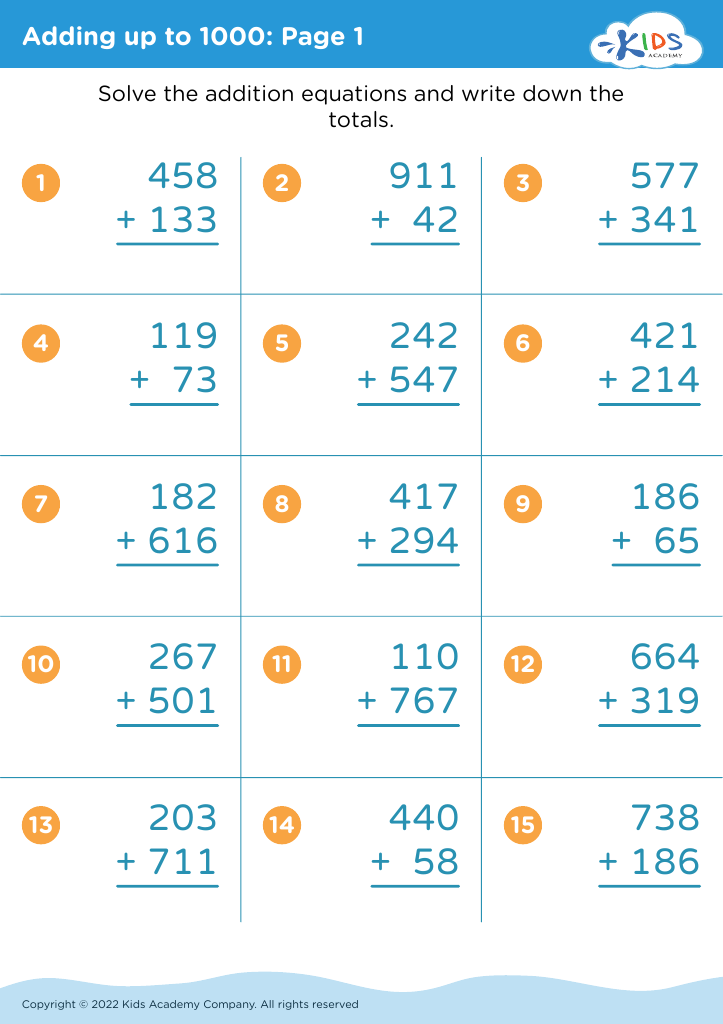
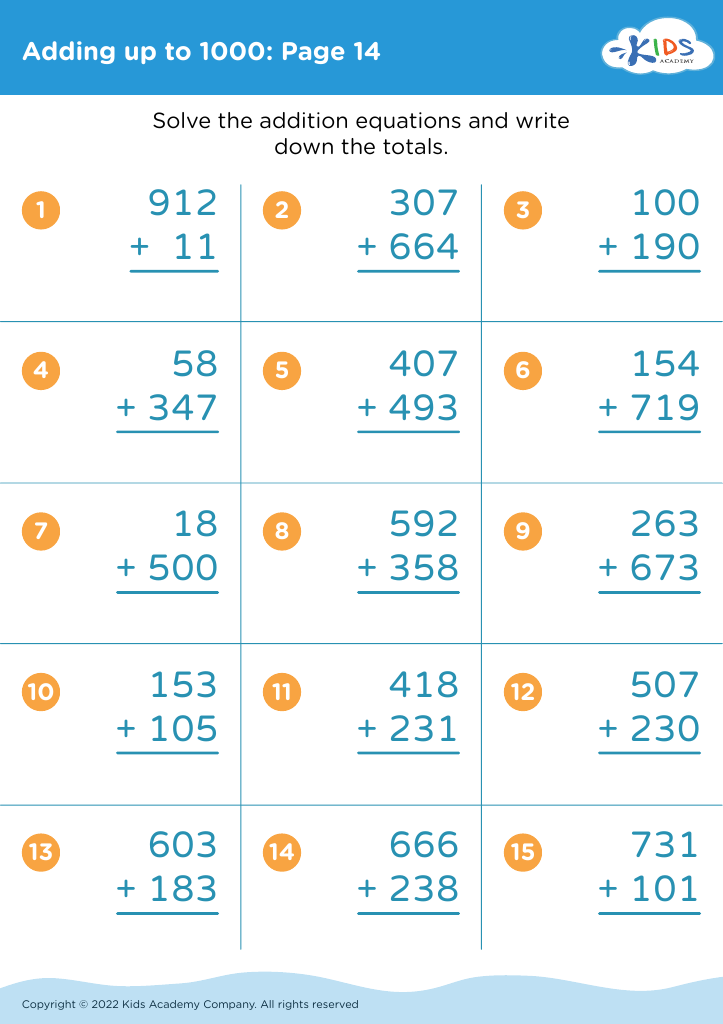
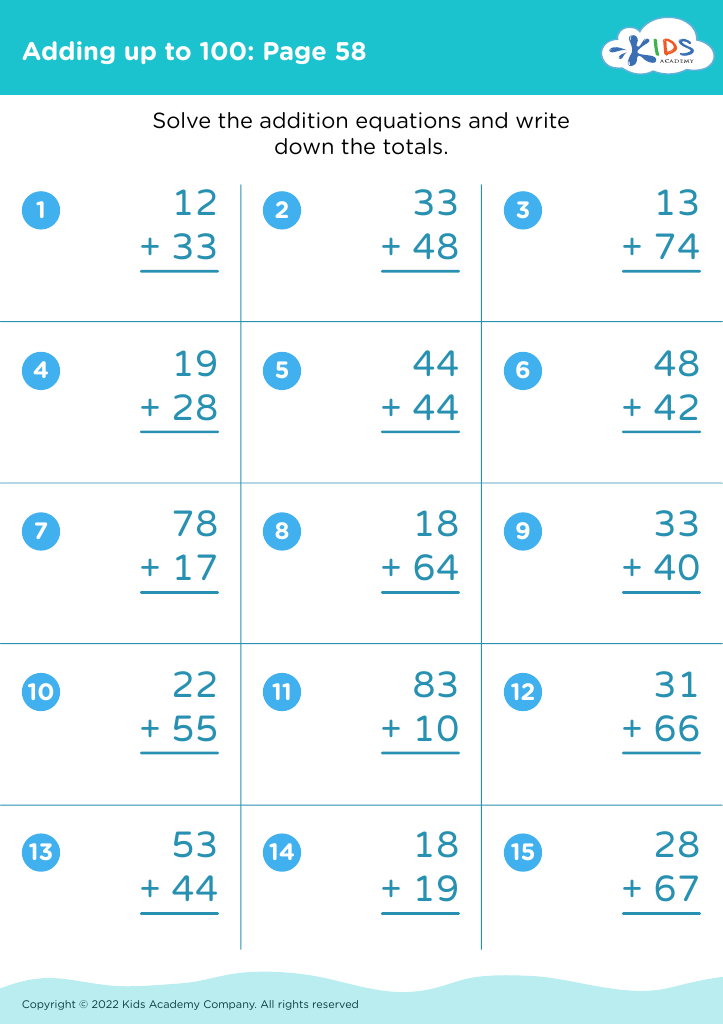
Enhance your child's math skills with our engaging addition and subtraction worksheets designed specifically for ages 5-7! These worksheets are tailored to boost understanding and confidence in early math concepts. Each activity encourages children to practice adding and subtracting through fun and interactive exercises, making learning enjoyable. Our comprehensive resources include colorful, visually appealing tasks that help reinforce key skills, aiding young learners in developing a strong mathematical foundation. Explore our collection to support your child's academic growth and ensure they master addition and subtraction concepts in a playful and effective way. Perfect for both classroom and home learning environments!
Favorites
With answer key
Interactive
Join Kids Academy for Free
Who is primarily going to use this learning content?








Improving addition and subtraction skills in children aged 5-7 is crucial for several reasons. At this developmental stage, students are forming foundational mathematical concepts that will significantly impact their future learning. Mastery of basic math operations is essential for developing critical thinking and problem-solving abilities, which are vital skills in today's fast-paced world.
Early math skills also foster confidence in students. When children grasp these concepts, they are more likely to engage in more advanced mathematical reasoning and participate actively in math-related activities. This confidence extends beyond math, promoting a positive attitude toward learning in general.
Furthermore, strong addition and subtraction skills help children understand real-life applications. From budgeting their allowance to measuring ingredients in cooking, these skills form the basis for everyday activities.
Additionally, differentiated instruction at this stage can help address learning disparities, ensuring that all children, regardless of background, have the opportunity to succeed. By supporting early math skill development, parents and teachers can nurture a generation of learners who not only excel academically but also approach challenges with enthusiasm and resilience. After all, a solid math foundation sets the stage for lifelong learning and success.








