Reading analog clocks Addition & Subtraction Worksheets for Ages 5-7
4 filtered results
-
From - To
Introduce your young learners to the world of time-telling with our engaging Reading Analog Clocks Addition & Subtraction Worksheets designed for ages 5-7! These interactive worksheets provide children with essential practice in both telling time on analog clocks and mastering basic addition and subtraction skills. Through fun exercises and colorful graphics, kids will enhance their numerical abilities while reinforcing their understanding of time. Perfect for classroom use or at-home learning, our resources help build confidence and problem-solving skills as children discover the connections between clocks and math. Foster a love for learning and let your child shine in math and time-telling!
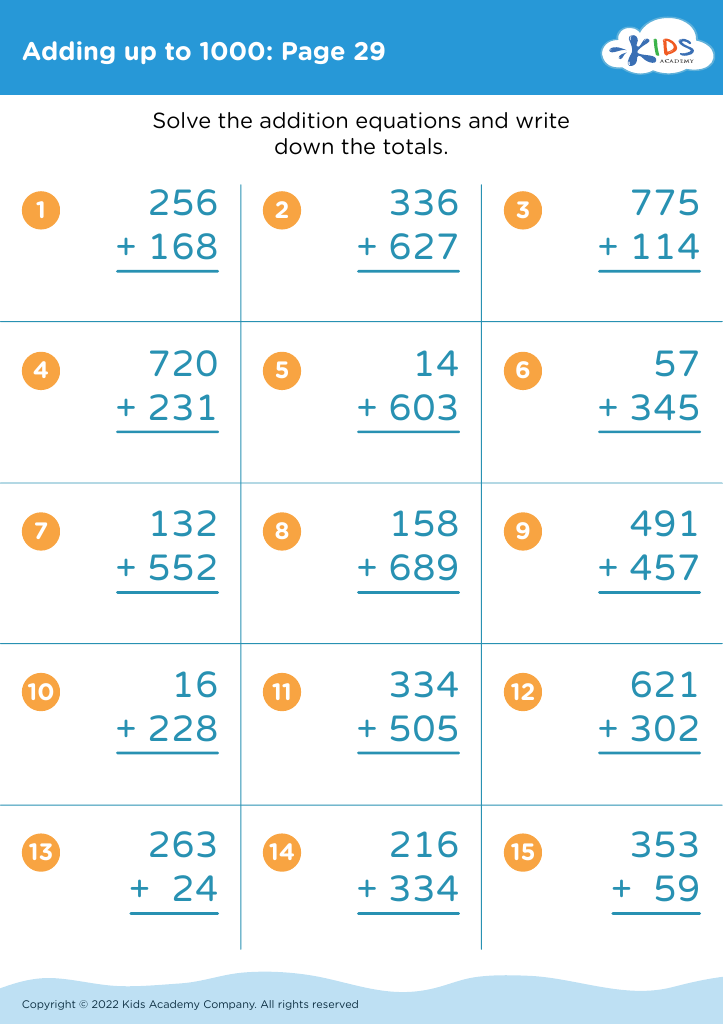
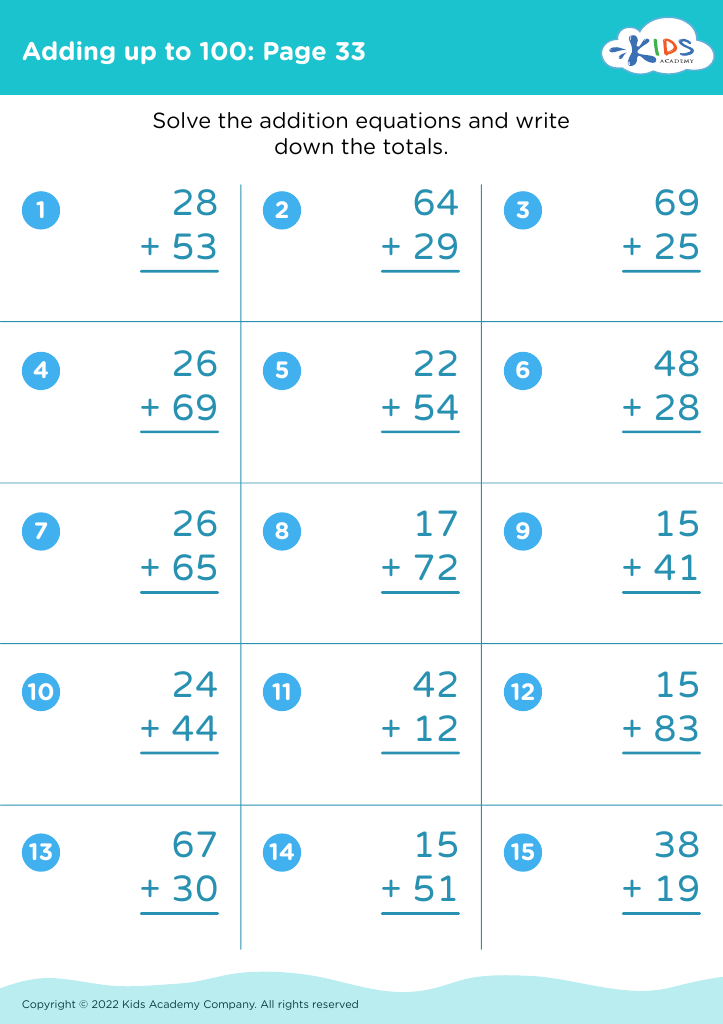
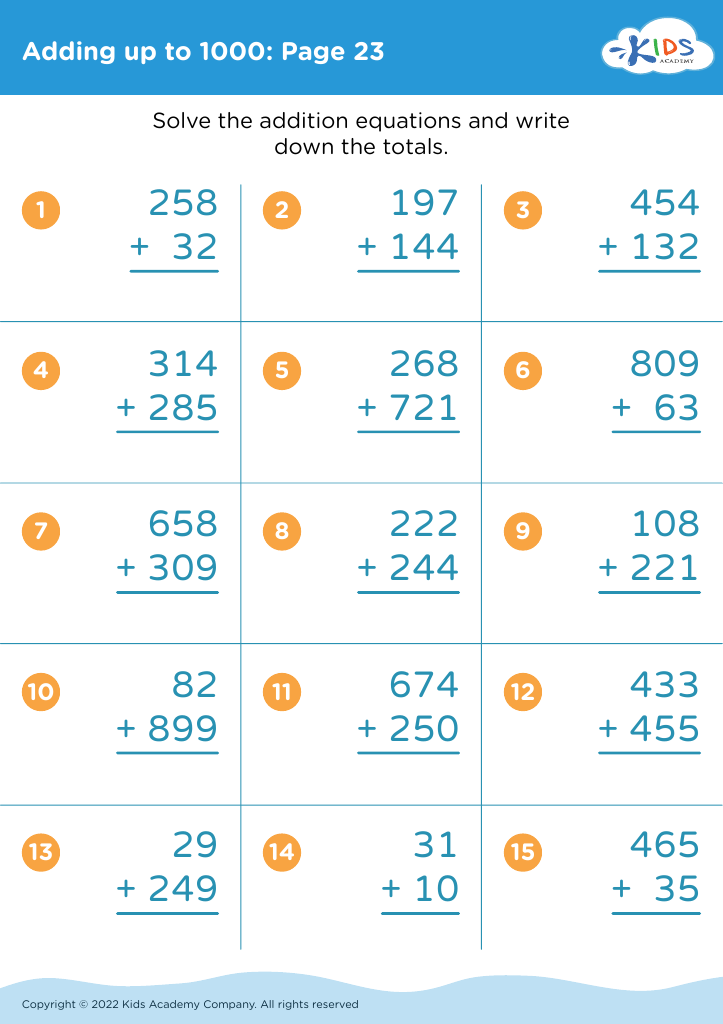
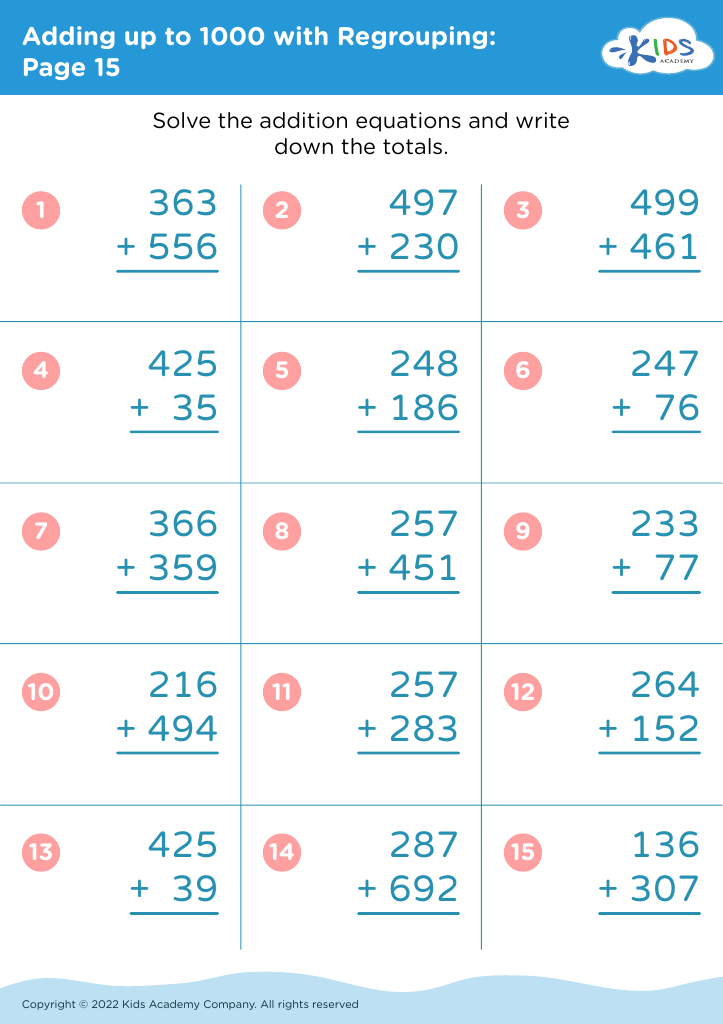








Teaching young children to read analog clocks and understand addition and subtraction is crucial for their overall development in math and life skills. At ages 5-7, children are beginning to grasp the basics of numbers, and incorporating time concepts enriches their learning experience. Understanding how to read analog clocks hones their ability to interpret visual information and builds spatial awareness. It also enhances their number sense, as they learn to connect time-telling with number values.
Moreover, addition and subtraction skills are foundational for future math concepts. Mastery of basic operations reflects a child’s ability to engage in problem-solving and critical thinking. Integrating time-telling with addition and subtraction promotes real-life applications—such as calculating how long until an event starts or determining elapsed time—and reinforces these calculations in a context children can relate to.
For parents and teachers, fostering these dual skill sets can increase confidence in young learners, as it demonstrates the practical importance of what may initially seem like just numbers. Both abilities are essential for successful daily functioning, introducing kids to important concepts they'll utilize in academics and everyday situations. Engaging children in these fun, interactive experiences can significantly enhance their enthusiasm for learning and discovery.








