Recognizing shapes Addition & Subtraction Worksheets for Ages 5-7 - Page 2
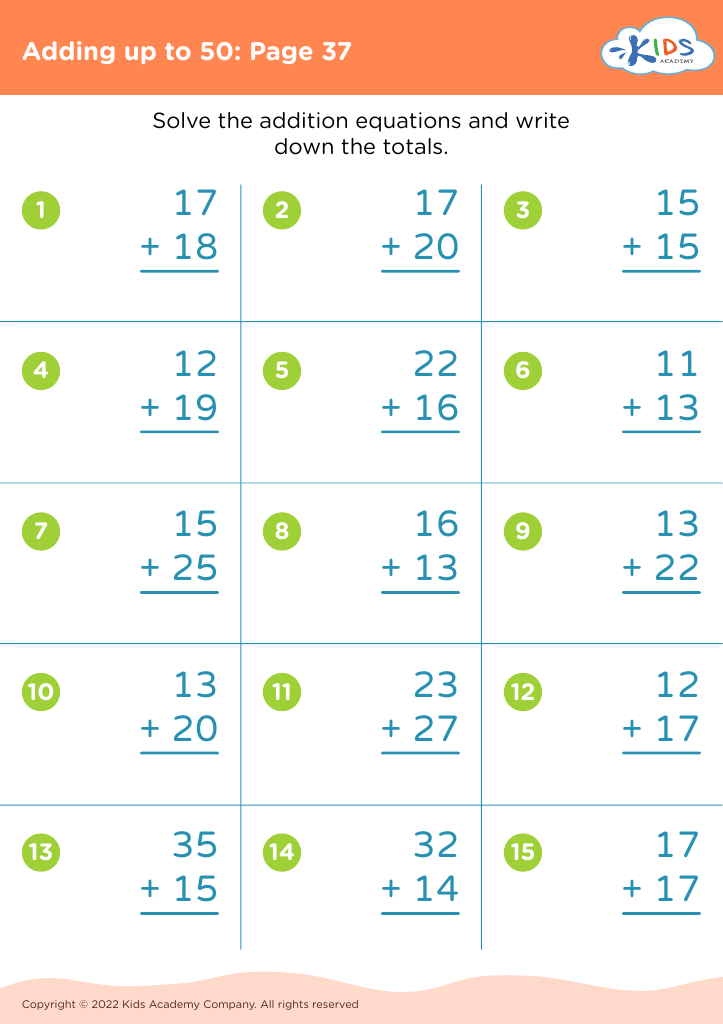
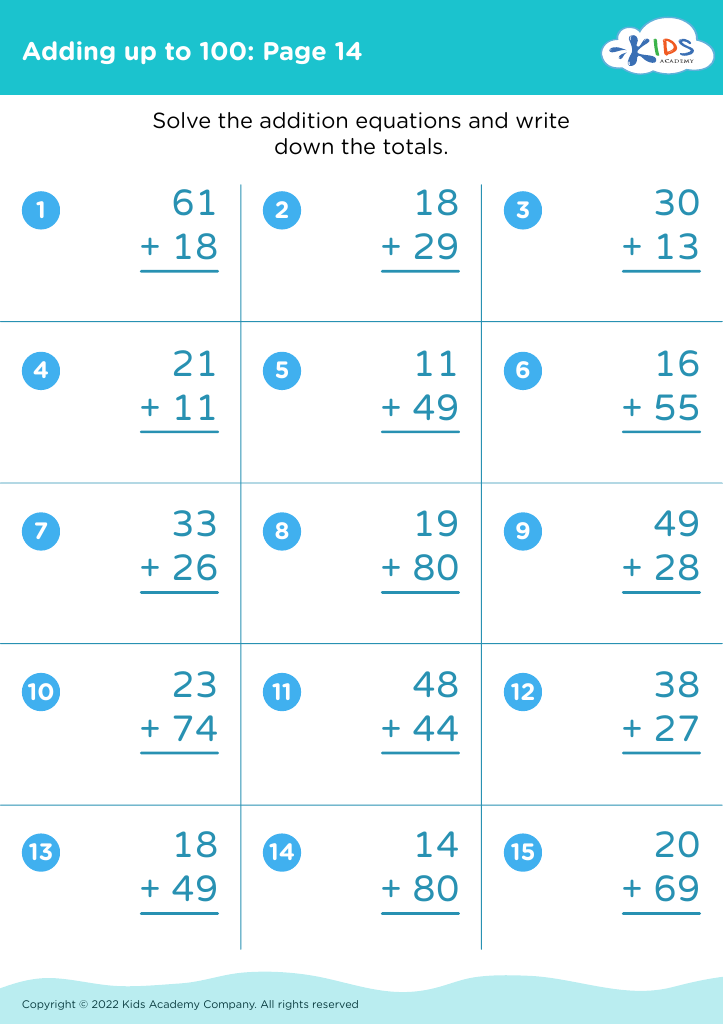
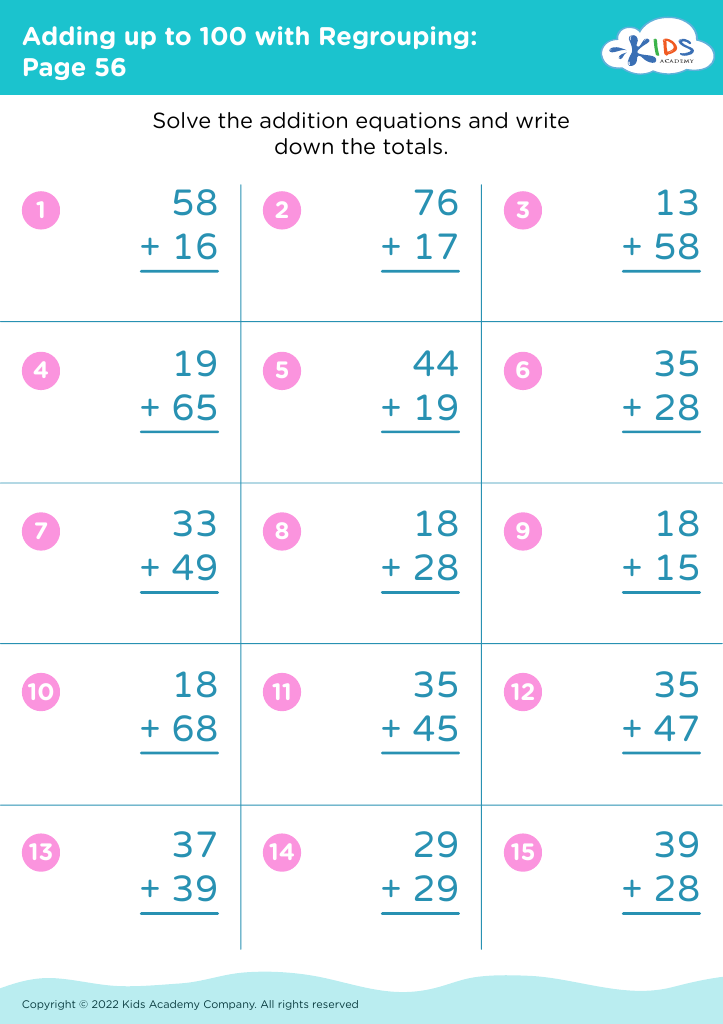
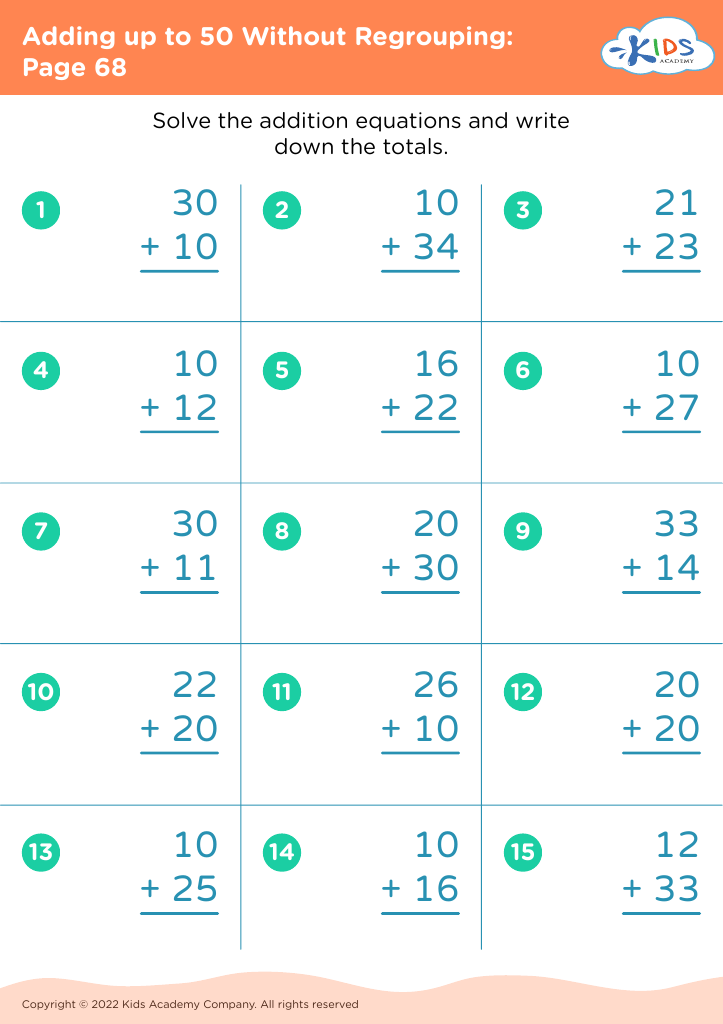








Recognizing shapes and understanding addition and subtraction are foundational skills for children ages 5 to 7, significantly influencing their overall mathematical development. Parents and teachers should care about these concepts because they are essential building blocks for more complex math skills needed later in life.
Recognizing shapes helps young learners develop spatial awareness and visual perception. These skills translate to problem-solving abilities, as children learn to categorize objects and understand their attributes. Geometry also encourages logical reasoning, which is beneficial in everyday situations and future academic pursuits.
Similarly, mastering addition and subtraction forms the core of arithmetic. These operations teach children to understand number relationships, fostering analytical thinking. Early arithmetic skills support their ability to tackle word problems, measurements, and data interpretation, essential in real-world scenarios.
Moreover, early exposure to these concepts cultivates a positive attitude toward math. Children who feel confident in recognizing shapes and performing basic operations are more likely to engage enthusiastically with mathematical pursuits, reducing anxiety around the subject in later years.
In summary, focusing on shape recognition and basic addition and subtraction equips children with critical cognitive skills necessary for academic success while fostering a lifelong love of learning.








