Understand subtraction Addition & Subtraction Worksheets for Ages 5-7
6 filtered results
-
From - To
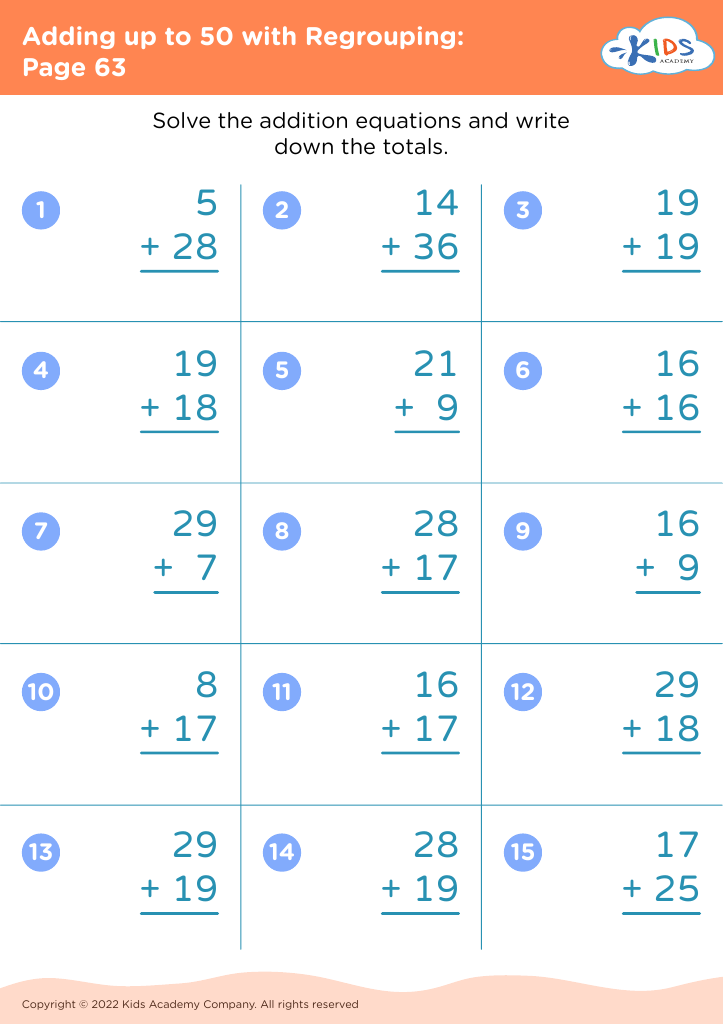
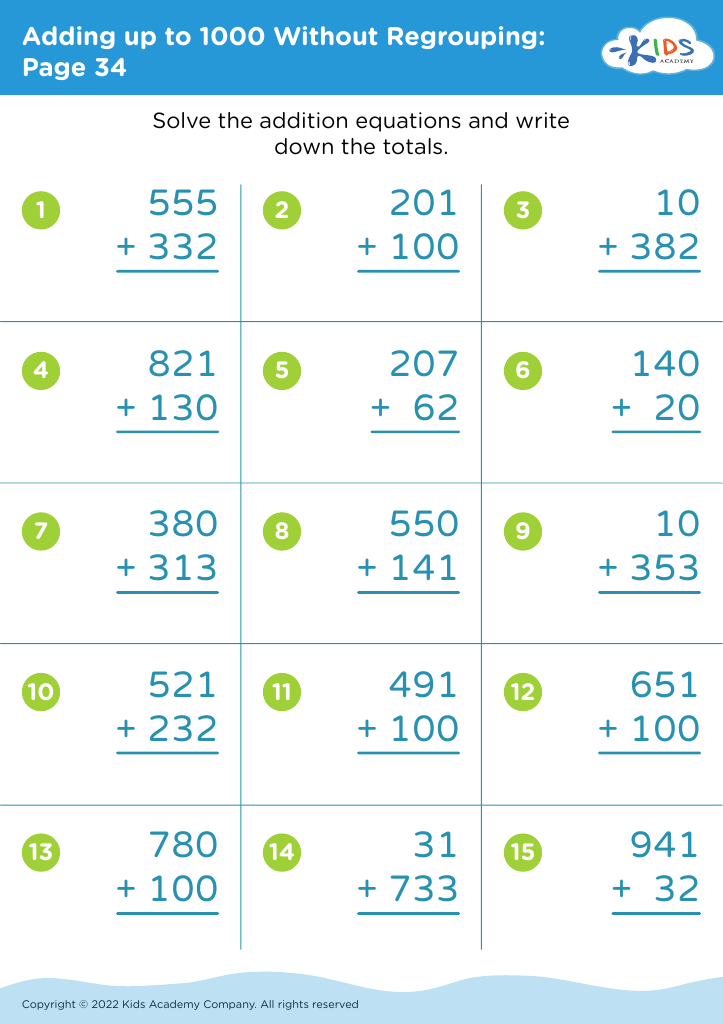
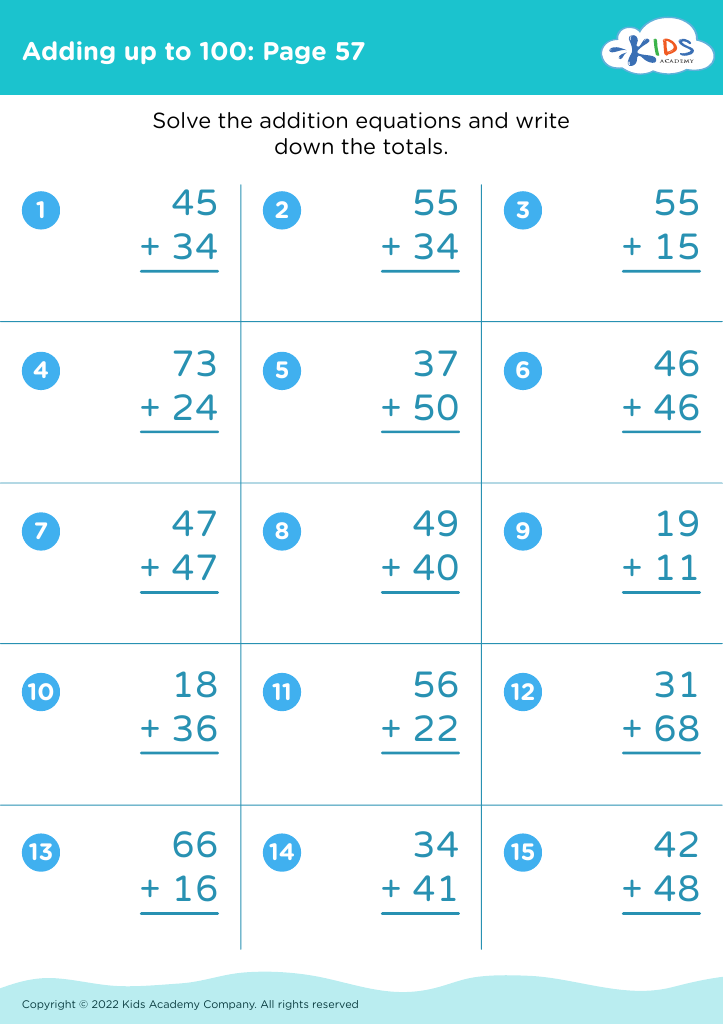
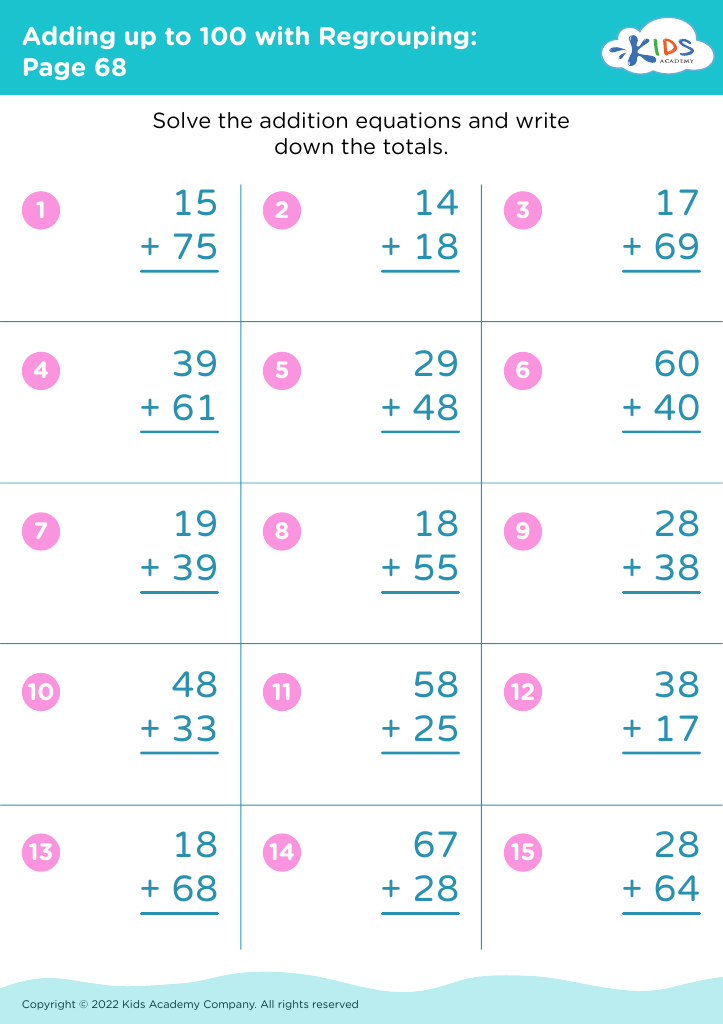
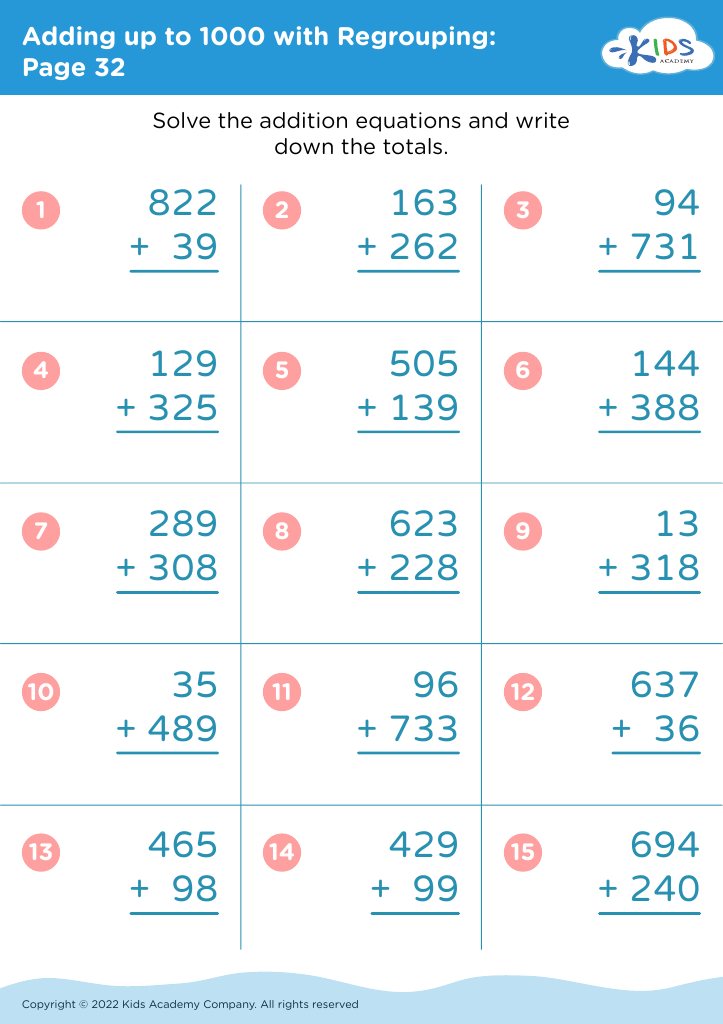
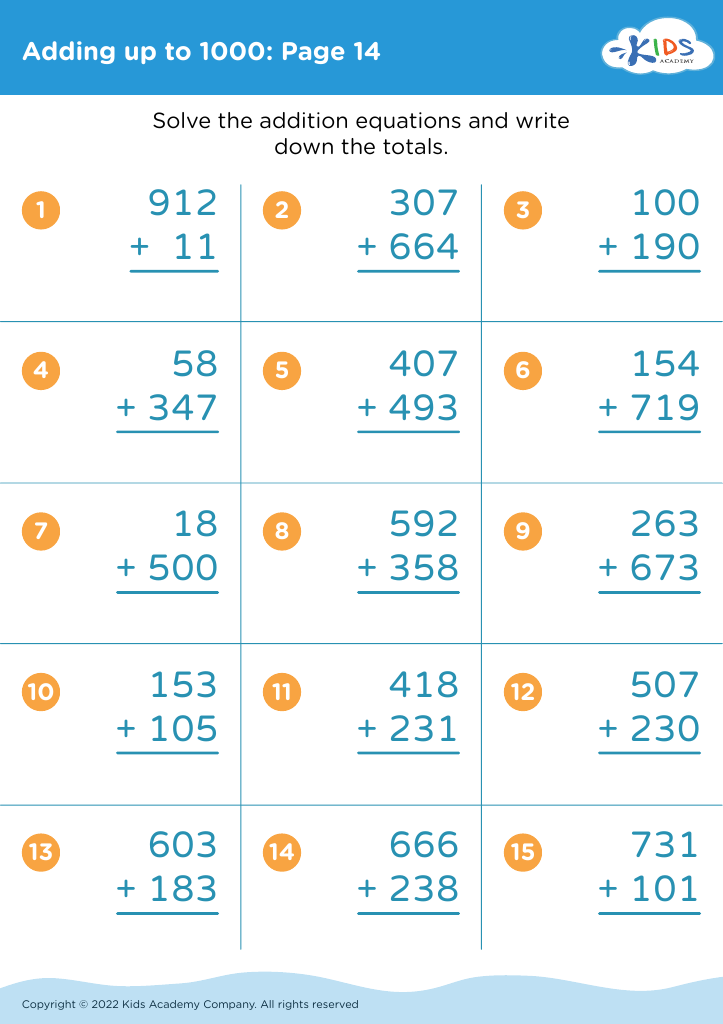
Welcome to our "Understand Subtraction Addition & Subtraction Worksheets" page for children ages 5-7! Our engaging worksheets are designed to help young learners master fundamental math concepts. Featuring colorful illustrations and interactive exercises, these activities make learning subtraction and addition fun and effective. Kids will explore basic subtraction techniques, understand number relationships, and enhance their problem-solving skills. Ideal for parents and teachers, our resources support classroom learning or at-home practice. With a variety of problems tailored to different learning levels, your child will build confidence and a solid foundation in math. Download our printable worksheets and watch their skills grow!








Understanding addition and subtraction is vital for children aged 5-7 as it serves as the foundation for their mathematical skills. At this crucial developmental stage, acquiring these basic concepts fosters logical reasoning and problem-solving abilities that extend beyond mathematics into everyday life.
Firstly, addition and subtraction develop numeracy skills, enabling children to make sense of numbers and understand their relationships. This knowledge is essential for more advanced arithmetic and practical applications such as budgeting or measuring.
Secondly, these skills enhance cognitive development, as children learn to manipulate numbers, recognize patterns, and grasp the concept of operations. They foster analytical thinking, encouraging kids to approach problems systematically.
Moreover, mastering these fundamentals builds confidence in young learners, reducing anxiety around math as they progress into higher grades. It prepares them for future academic challenges, creating a positive attitude towards learning.
For parents and teachers, actively engaging children in addition and subtraction through games, stories, and real-life scenarios cultivates a love for math, making the learning experience enjoyable. In summary, nurturing these skills in early education will provide lasting benefits, producing well-rounded individuals equipped for future success in various aspects of life.








