Understanding symmetry Addition & Subtraction Worksheets for Ages 5-7
25 filtered results
-
From - To
Explore our "Understanding Symmetry Addition & Subtraction Worksheets" tailored specifically for children ages 5-7. These engaging resources introduce young learners to the concept of symmetry while reinforcing essential addition and subtraction skills. Through colorful graphics and fun activities, children will discover how symmetrical shapes relate to mathematical operations. Each worksheet encourages critical thinking, problem-solving, and creativity, making math enjoyable and accessible. Parents and teachers can easily integrate these worksheets into their lesson plans to enhance learning outcomes. Foster a strong mathematical foundation in your child today with our thoughtfully crafted symmetry exercises! Download and get started on the path to math mastery!
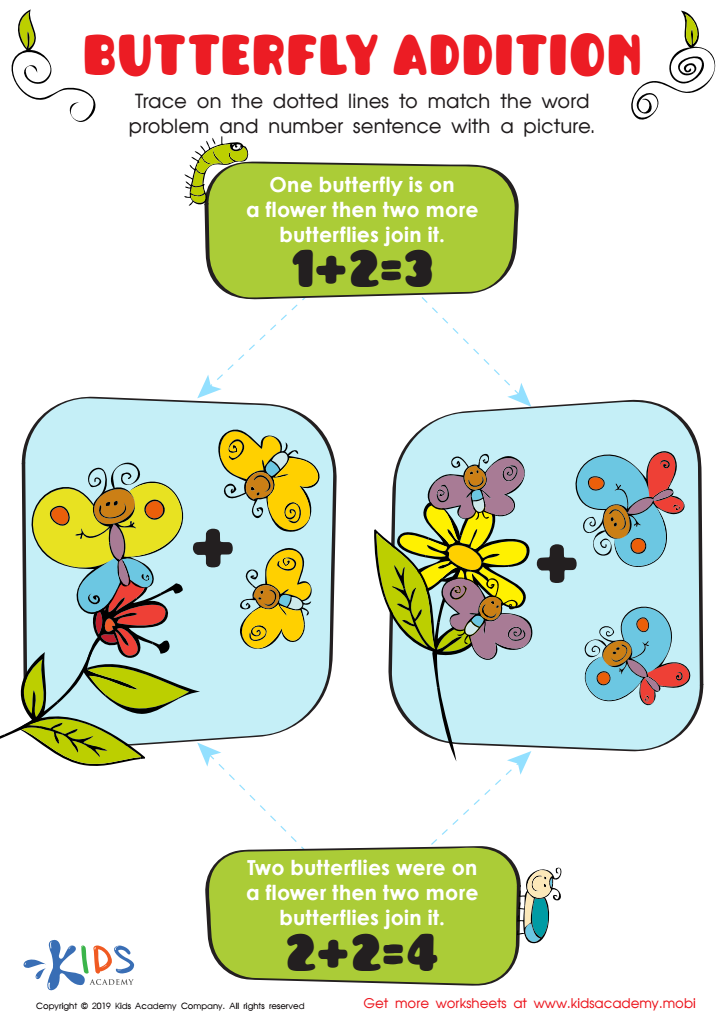
Butterfly Addition Worksheet
 Assign to My Students
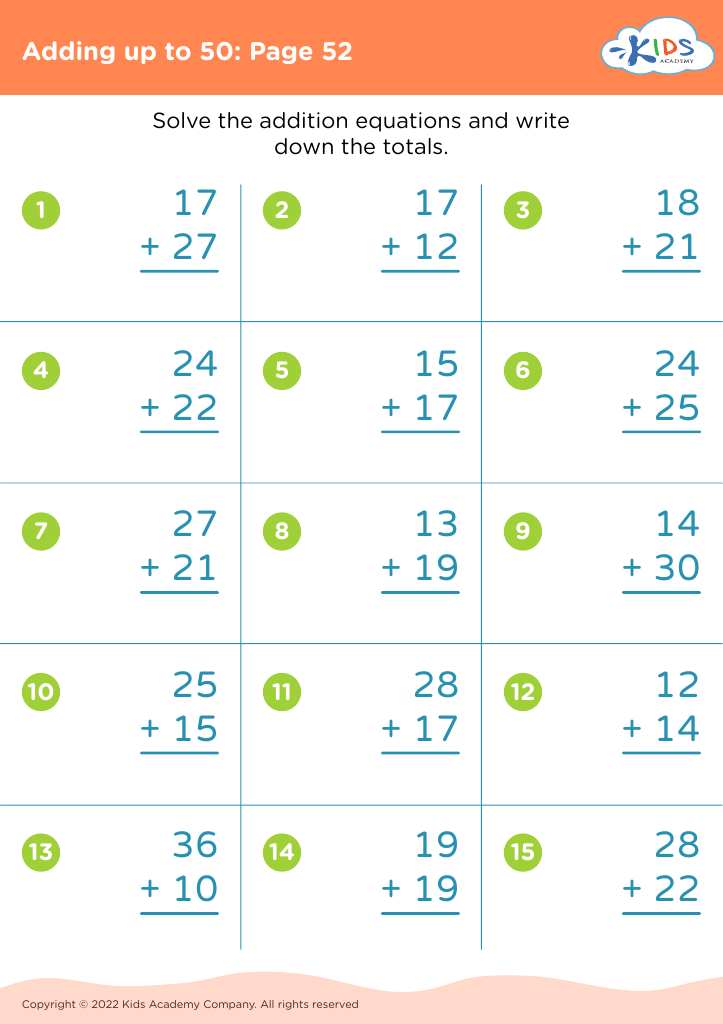
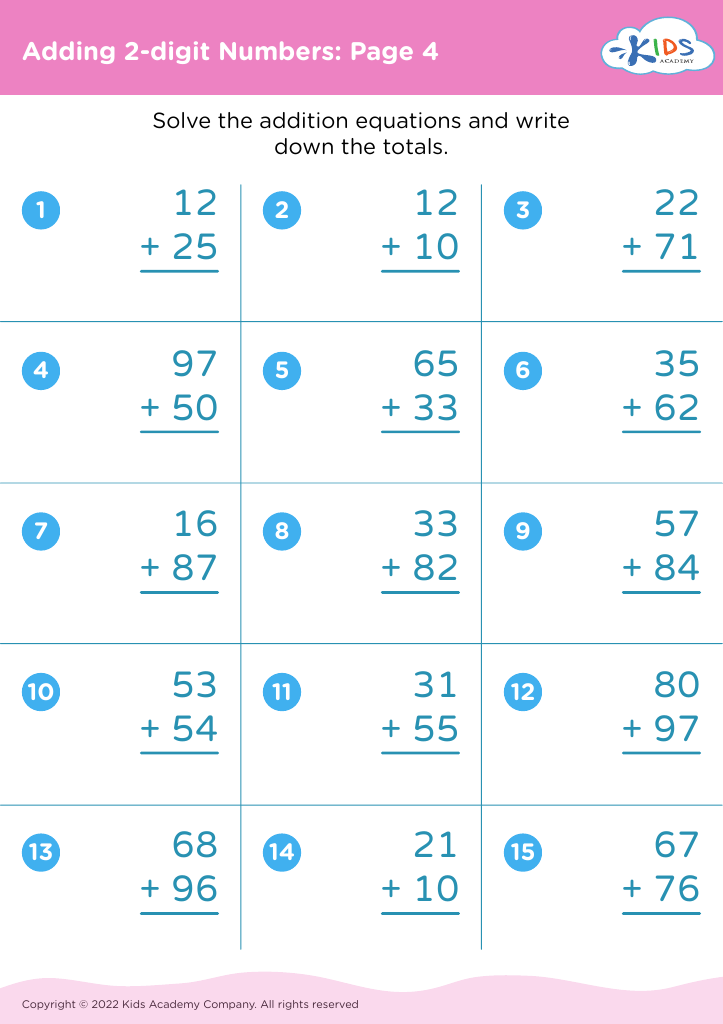
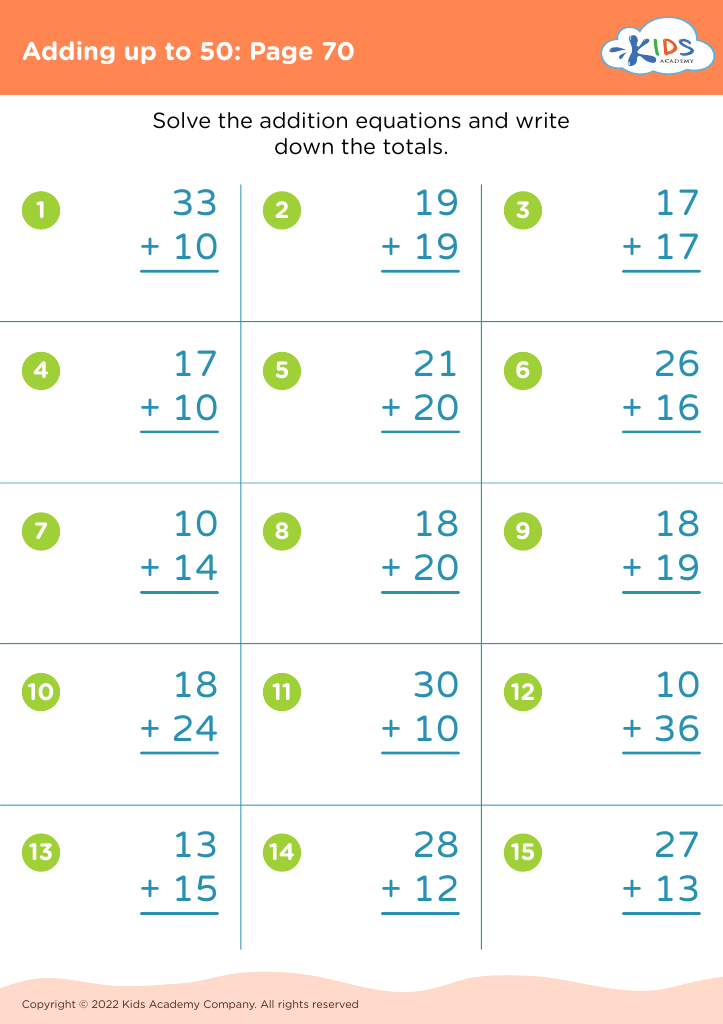
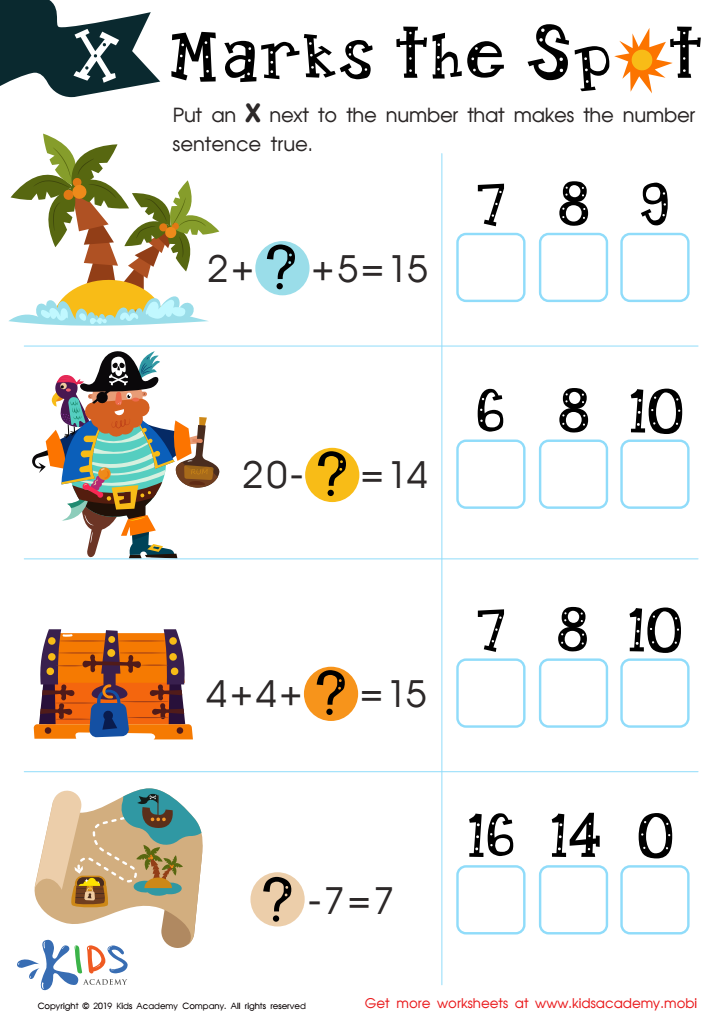
X Marks the Spot Worksheet
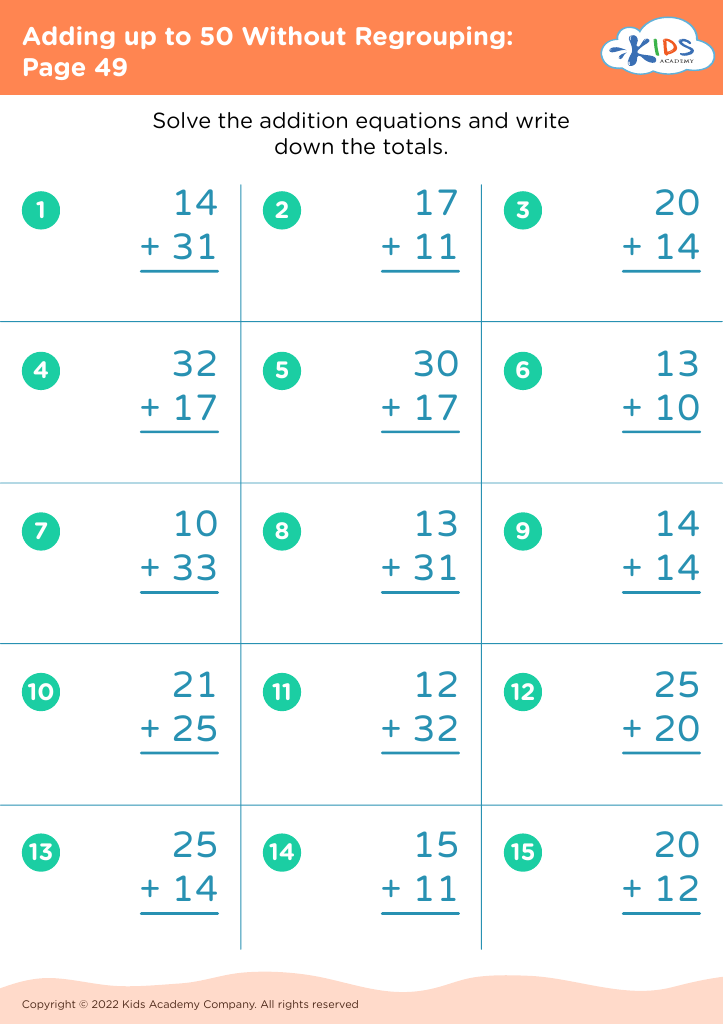
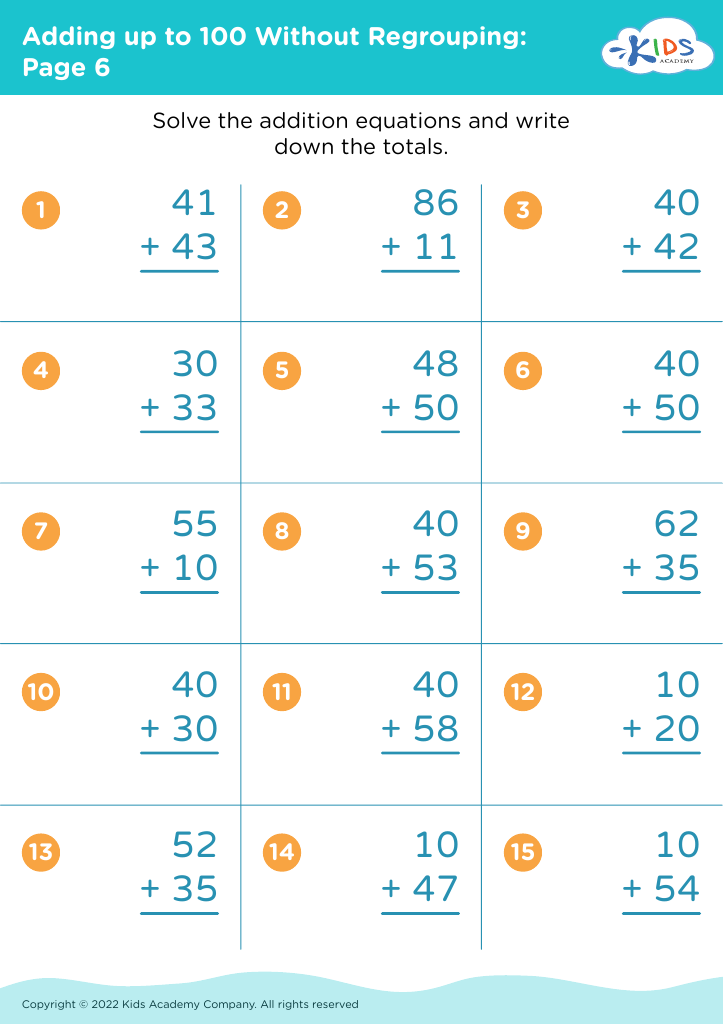
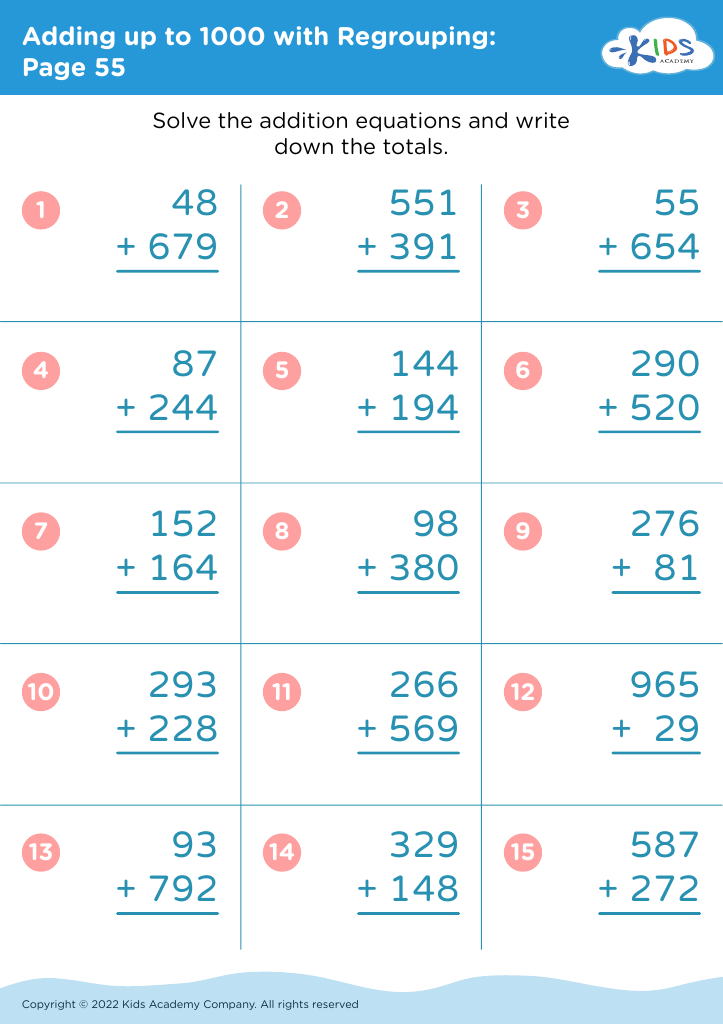
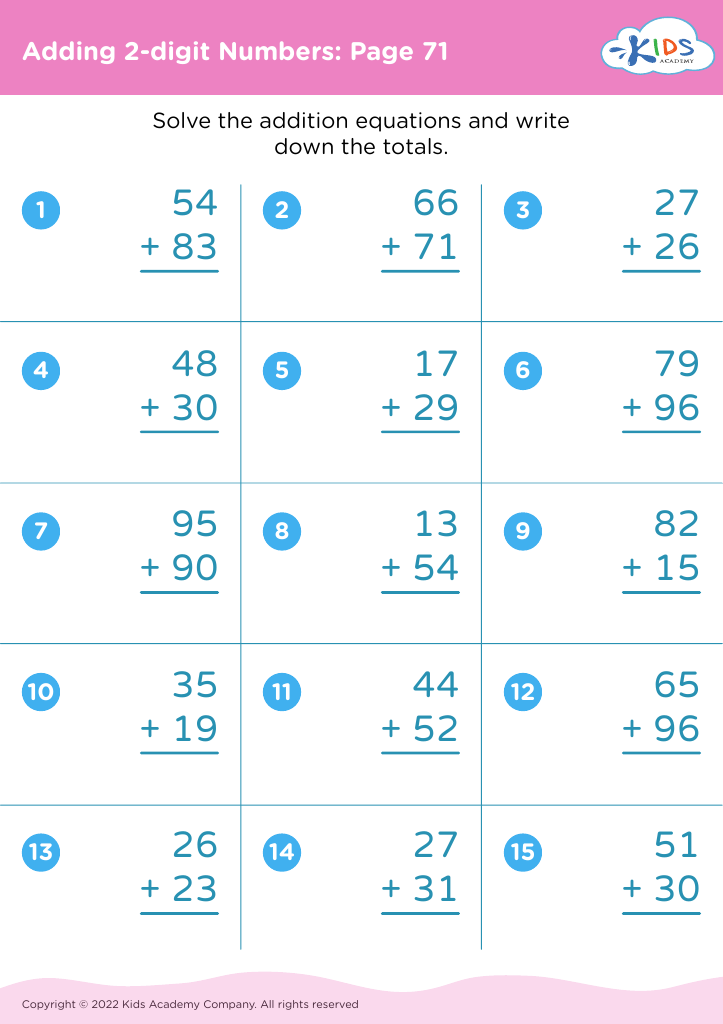
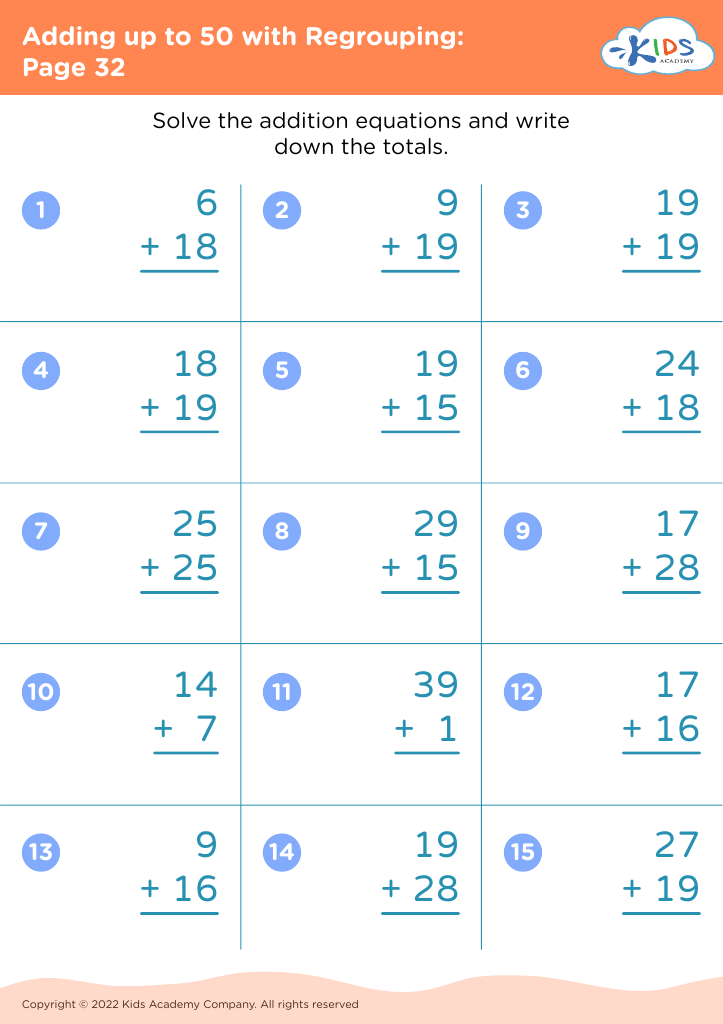
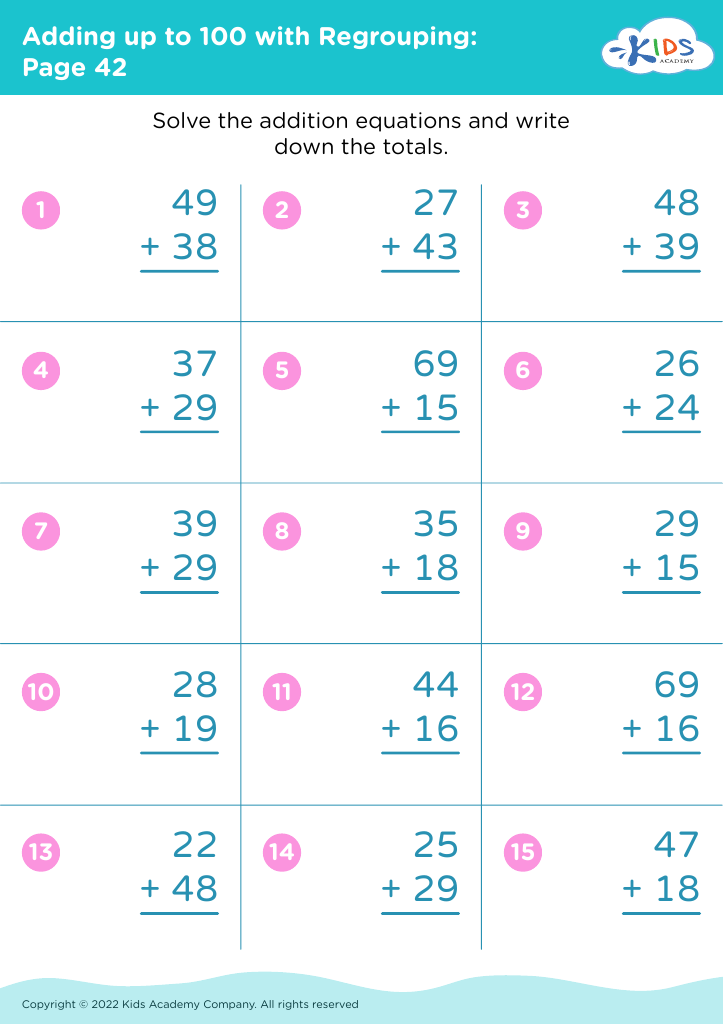
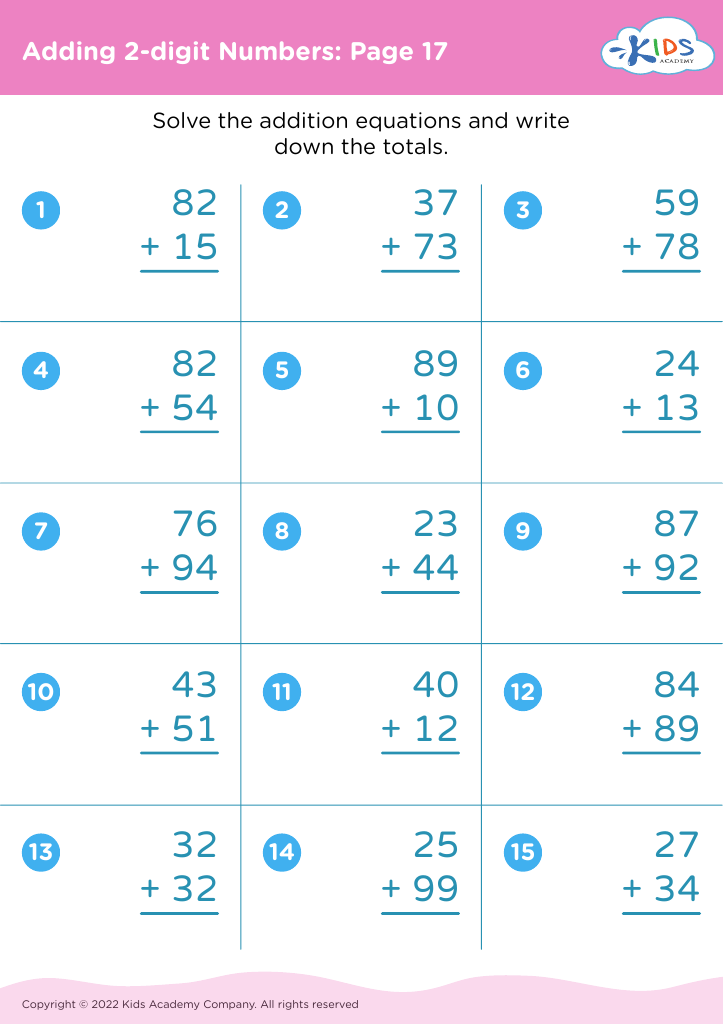
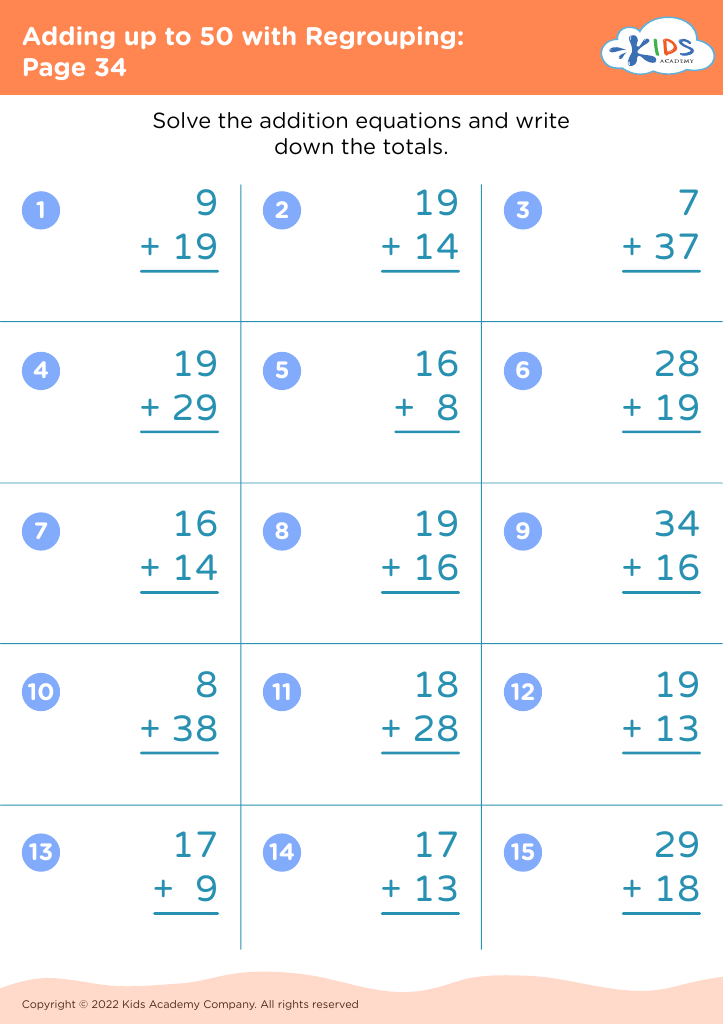
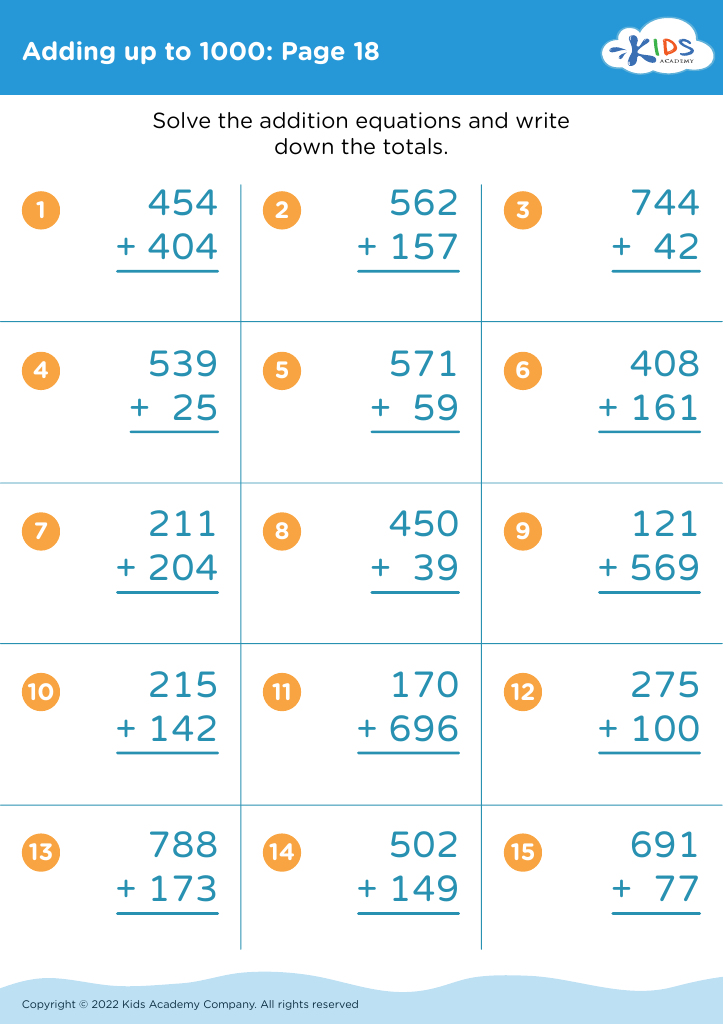
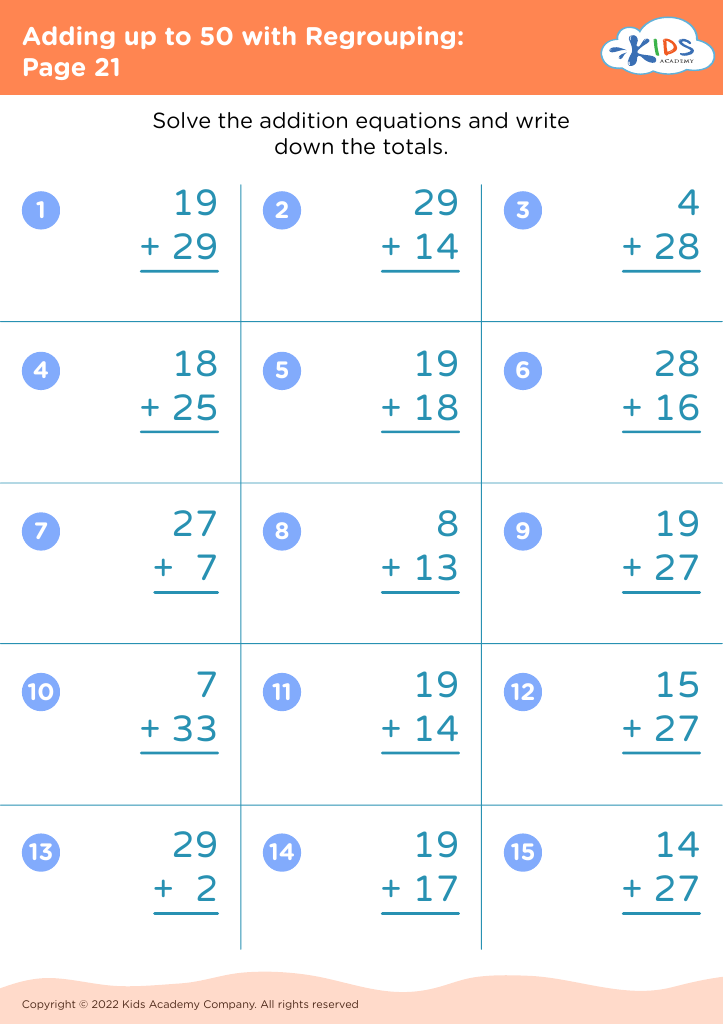
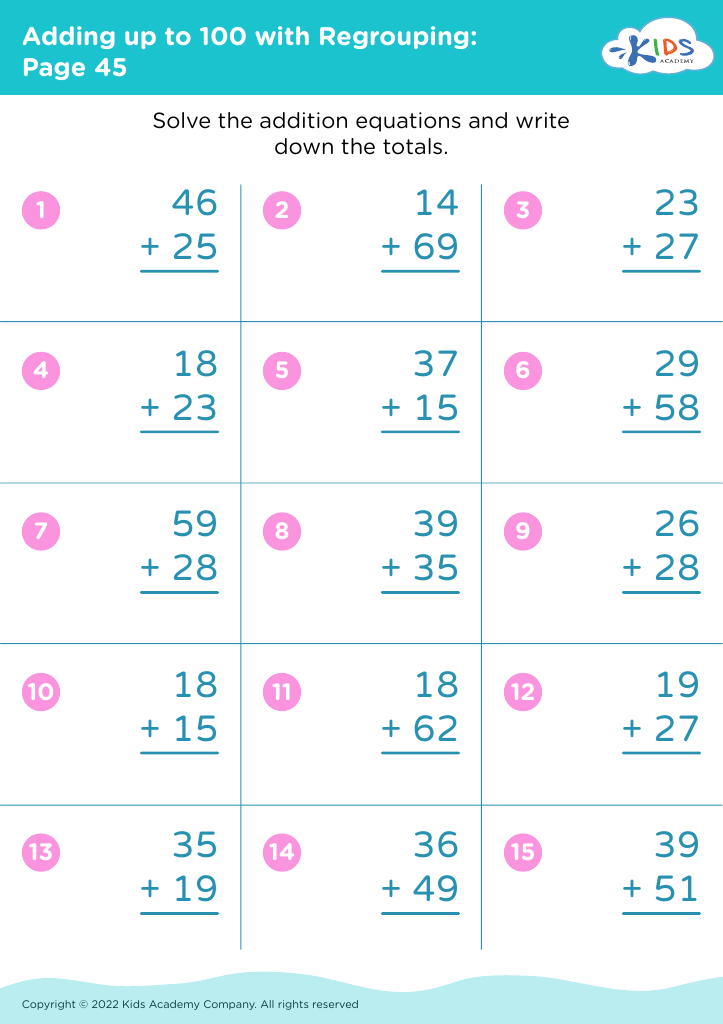
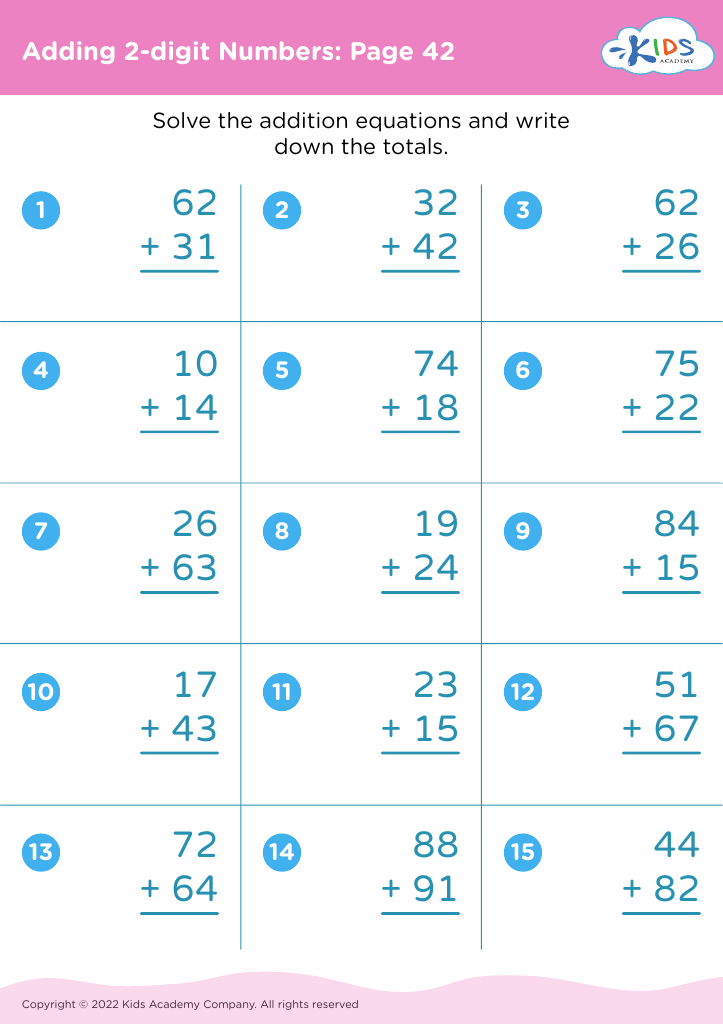








Understanding symmetry, addition, and subtraction is crucial for children aged 5-7, as it lays the foundation for their mathematical reasoning and problem-solving skills.
Symmetry helps children recognize patterns, which enhances their ability to analyze shapes and develop spatial awareness. This understanding is essential not just in math, but also in art and nature, encouraging creativity and observational skills.
Meanwhile, mastering addition and subtraction is fundamental to early numeracy. These operations are the building blocks for all future mathematical concepts, including multiplication and division. By mastering these skills early, children can approach complex math with confidence, reducing math anxiety in later years.
Moreover, engaging with these concepts at a young age supports cognitive development. Children learn to think logically and critically, using strategies such as counting on fingers or using visual aids, which promote stronger memory retention.
Teachers and parents should focus on making learning these concepts fun and interactive, using games, real-life situations, or hands-on activities. Early exposure to symmetry, addition, and subtraction not only equips children with necessary skills but also fosters a positive attitude toward math, encouraging lifelong learning and exploration. Investing in these foundational skills will provide children with confidence and competence in their mathematical journey.








