Alphabet Recognition Addition Worksheets for Ages 5-7
4 filtered results
-
From - To
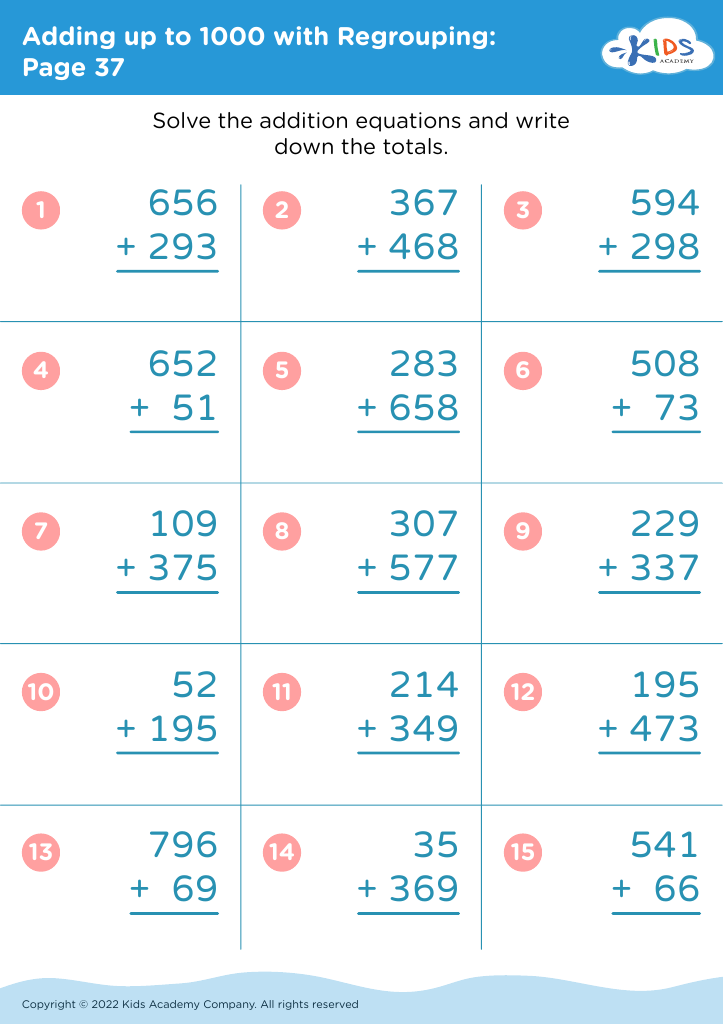
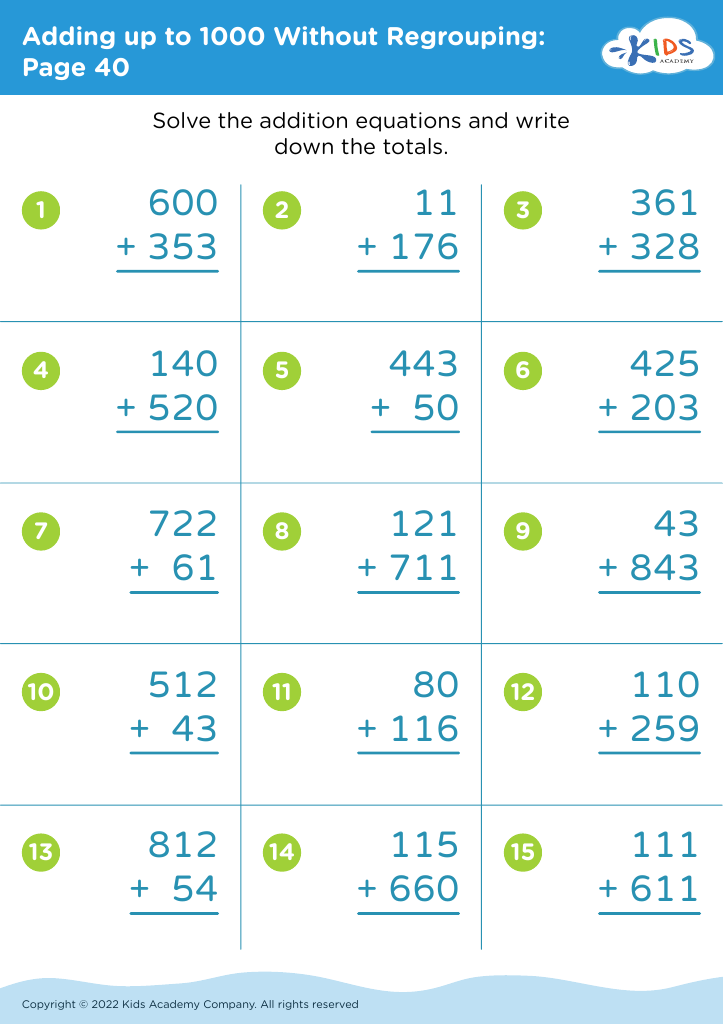
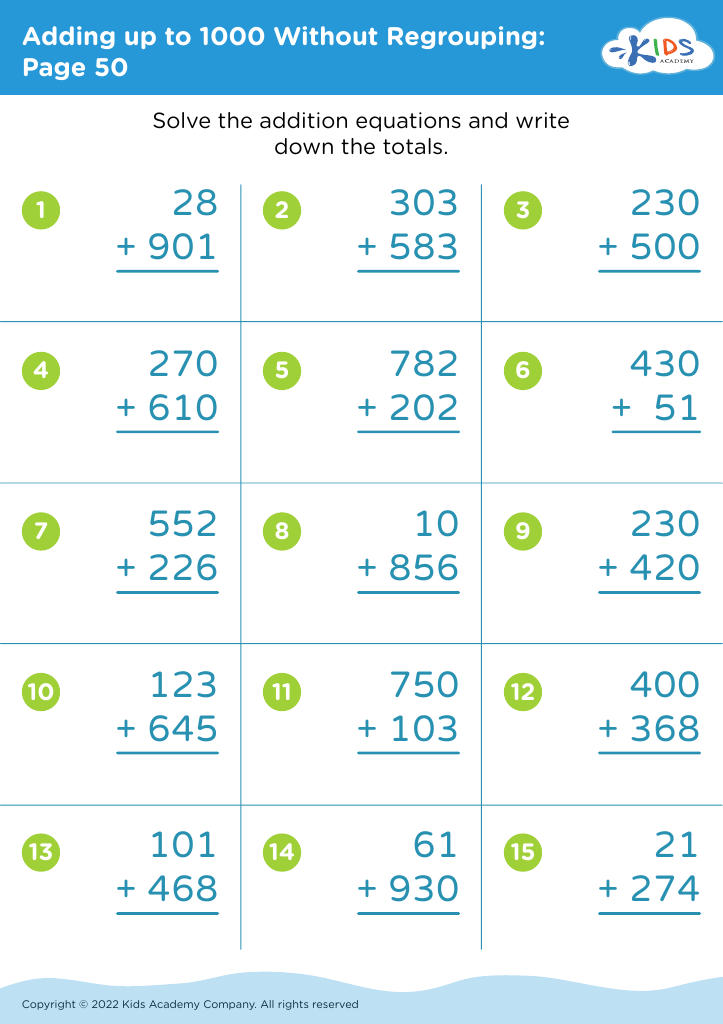
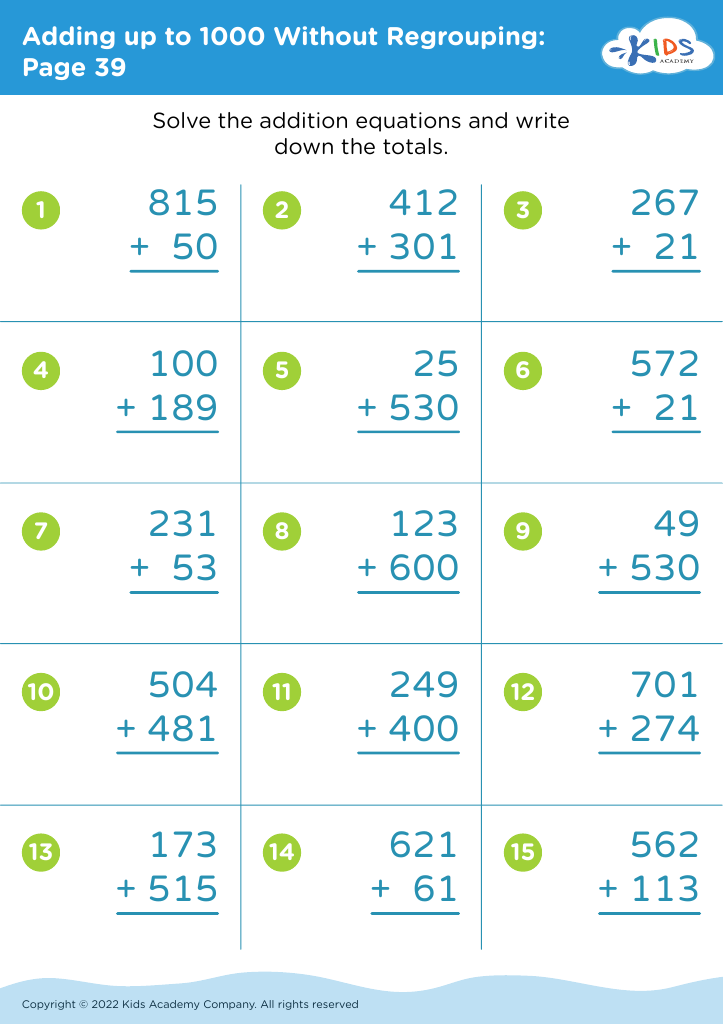
Discover our engaging Alphabet Recognition Addition Worksheets designed for children aged 5-7! These interactive worksheets blend alphabet learning with basic addition skills, providing a fun and educational experience. Each worksheet encourages young learners to identify letters while solving simple addition problems, enhancing both their literacy and math abilities. Perfect for homeschooling or classroom reinforcement, these resources foster essential skills through colorful visuals and charming illustrations. Parents and educators will appreciate the straightforward layout and guided instructions that make learning enjoyable. Download these printable worksheets today to support your child's early academic journey and build a strong foundation for future success!






.jpg)

Alphabet recognition is a foundational skill crucial for children aged 5-7 as it sets the stage for reading and writing proficiency. At this age, kids are introduced to letters and their sounds—a process vital for developing phonemic awareness. Recognizing letters not only helps children decode words but also enhances vocabulary, allowing them to express themselves more competently.
Beyond language skills, alphabet recognition carries cognitive and social benefits. As children become familiar with letters, they engage in play-based activities that promote critical thinking and problem-solving. Teachers and parents can use interactive games and creative exercises to make learning enjoyable, fostering a positive attitude toward education.
Moreover, fostering alphabet recognition plays a pivotal role in building self-confidence. Children who master this skill are more likely to participate actively in classroom discussions and reading activities, reducing anxiety about literacy tasks. Given the tremendous pressure to achieve academic benchmarks, parents and teachers must prioritize this skill to ensure a solid educational foundation.
In essence, understanding the importance of alphabet recognition is crucial for adults guiding children. It not only prepares them for future academic success but also enhances overall cognitive and emotional development, making early learning enriching and effective.








