Filters

114 filtered results

Clear all filters
Favorites
With answer key
Interactive

114 filtered results

Difficulty Level

Grade


Subject

Check out this FREE Trial Lesson on Addition for age 5-7!

Subtracting with 1's

Favorites
With answer key
Interactive
  • 5-7
  • Cognitive Development
  • Addition
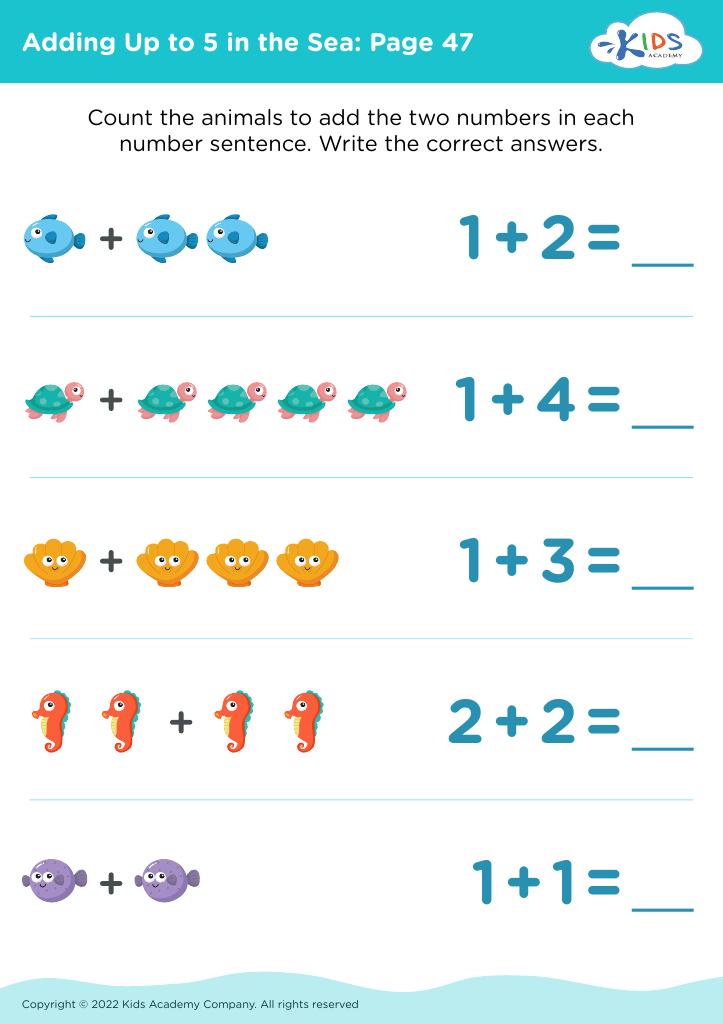
Adding Up to 5 in the Sea: Page 47
Worksheet
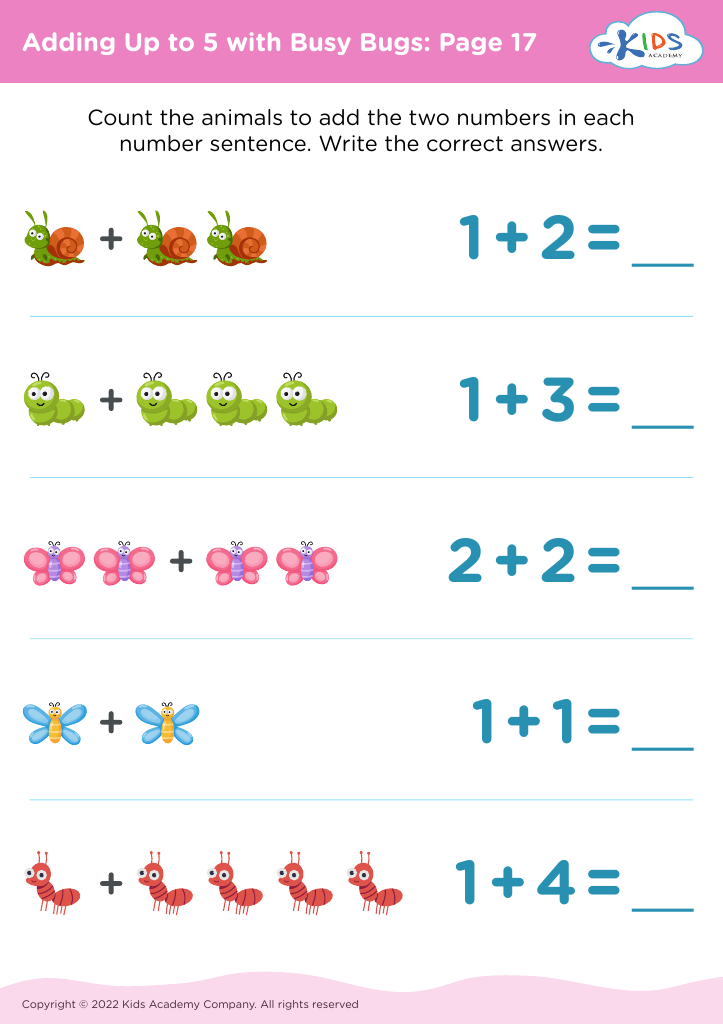
Adding Up to 5 with Busy Bugs: Page 17
Worksheet
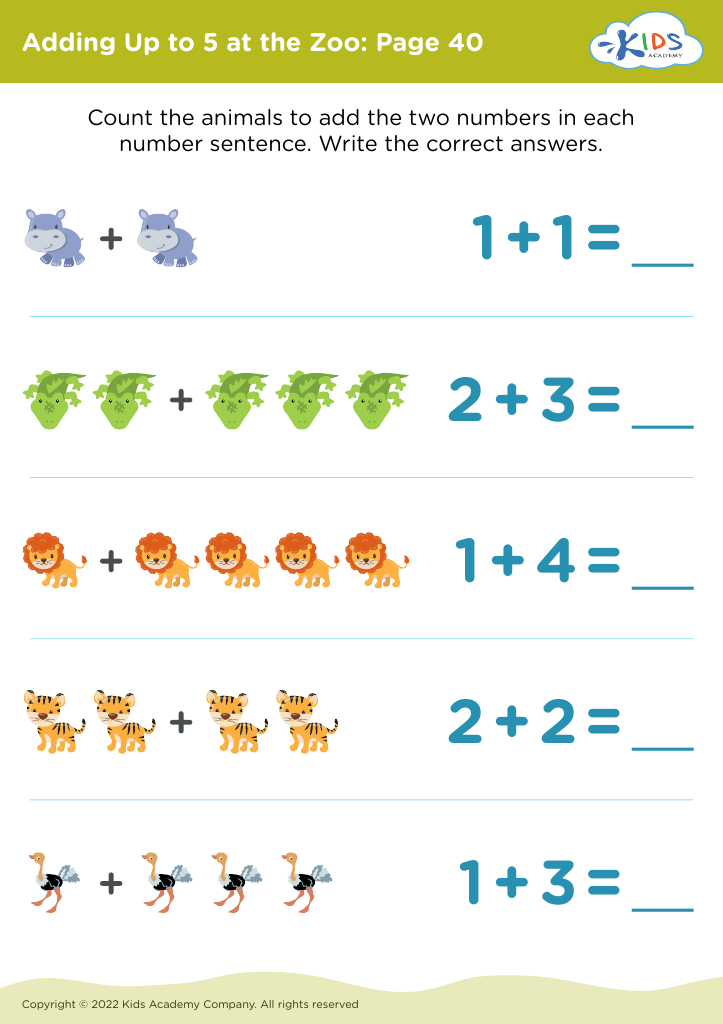
Adding Up to 5 at the Zoo: Page 40
Worksheet
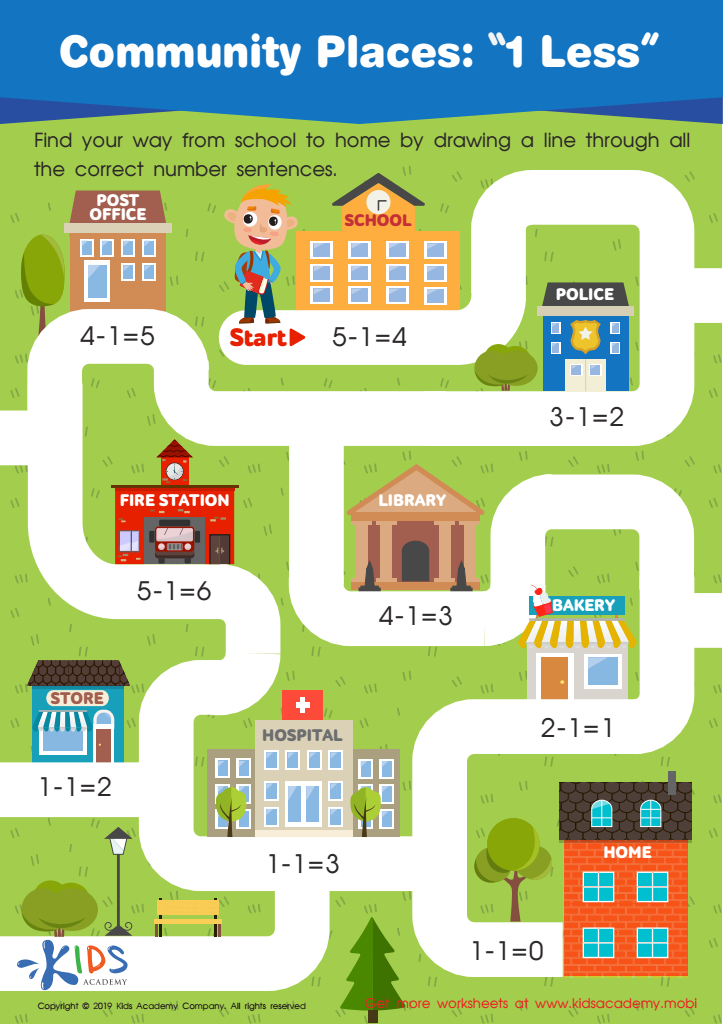
Community Places: 1 Less Worksheet

Community Places: 1 Less Worksheet

Have your kindergarteners draw a line through the correct number sentences as they find their way home from school. Ask them to identify the people, places, and buildings in their community and the jobs they do.
Community Places: 1 Less Worksheet
Worksheet
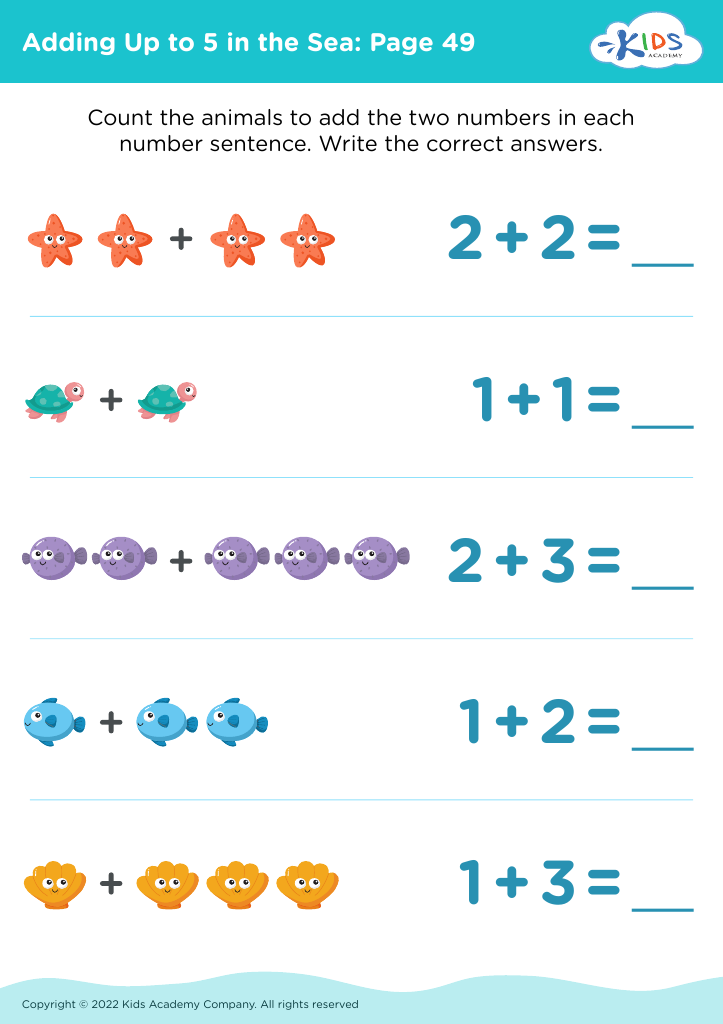
Adding Up to 5 in the Sea: Page 49
Worksheet
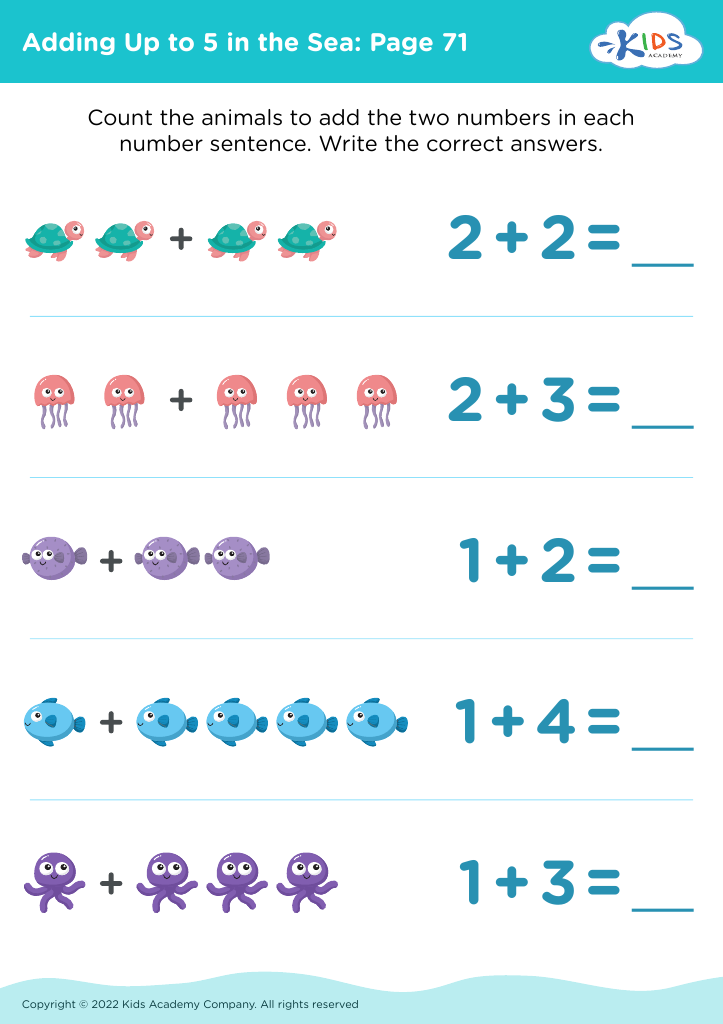
Adding Up to 5 in the Sea: Page 71
Worksheet
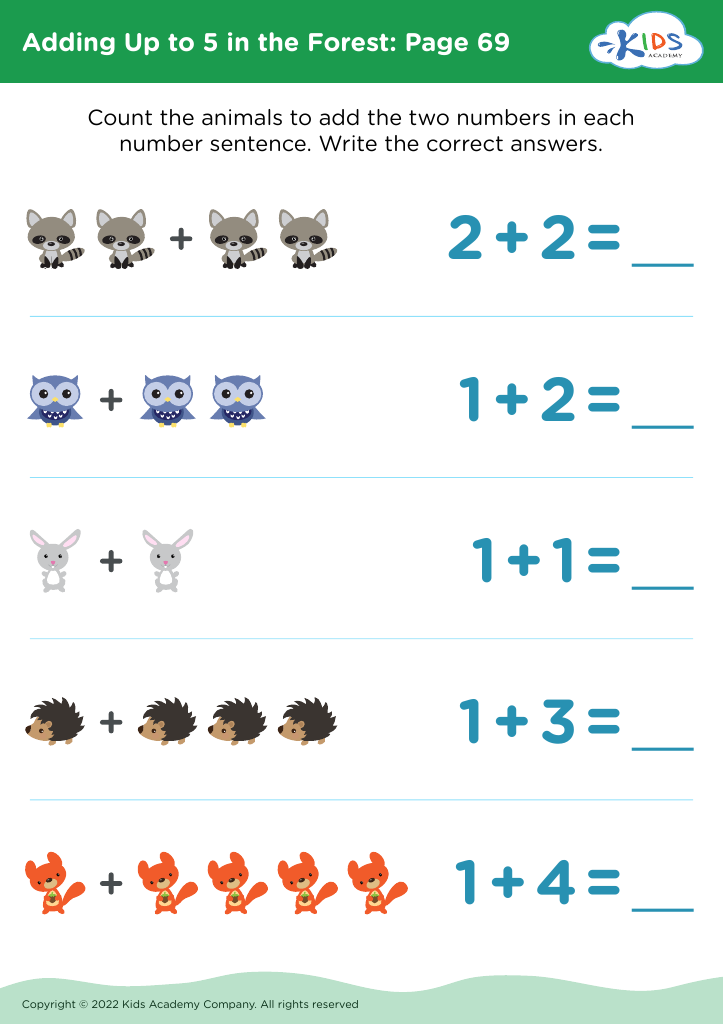
Adding Up to 5 in the Forest: Page 69
Worksheet
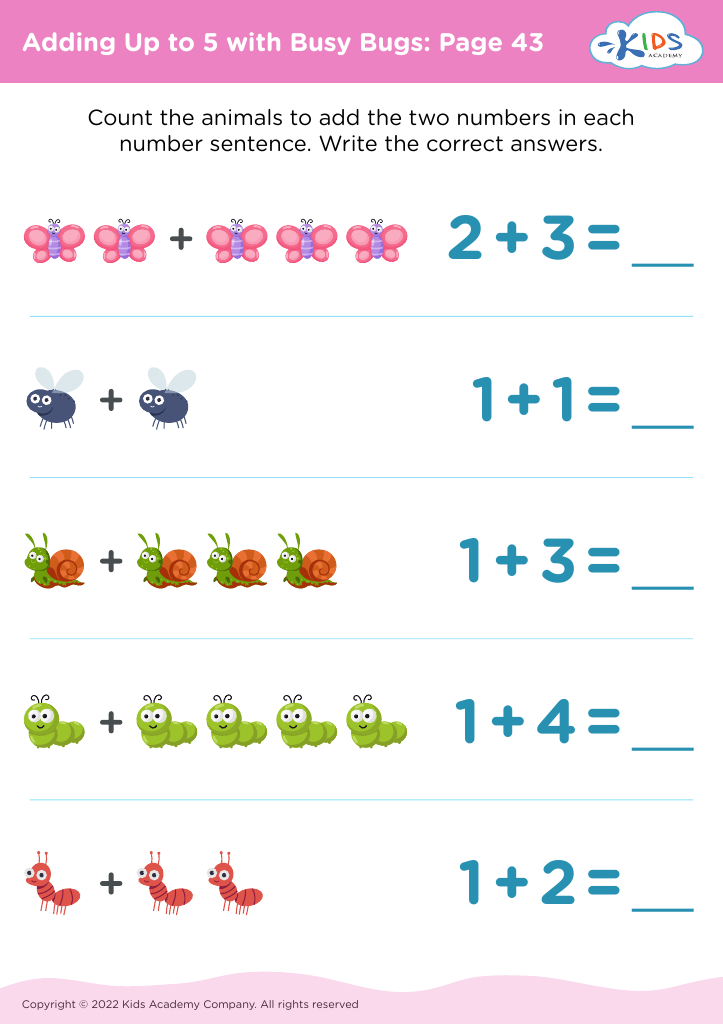
Adding Up to 5 with Busy Bugs: Page 43
Worksheet
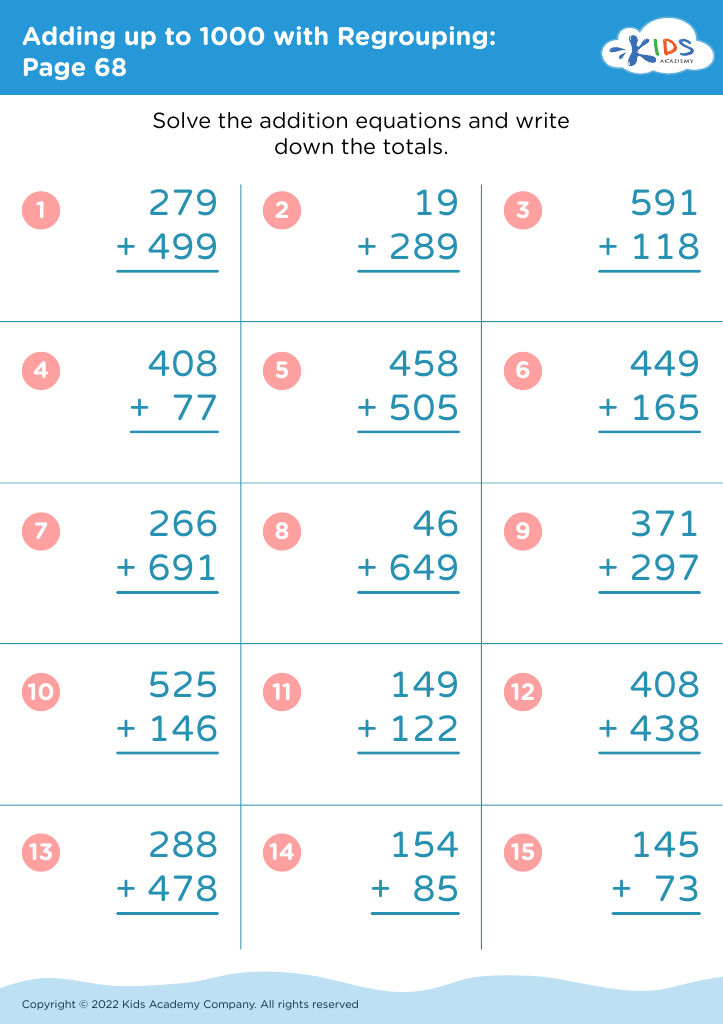
Adding up to 1000 with Regrouping: Page 68
Worksheet
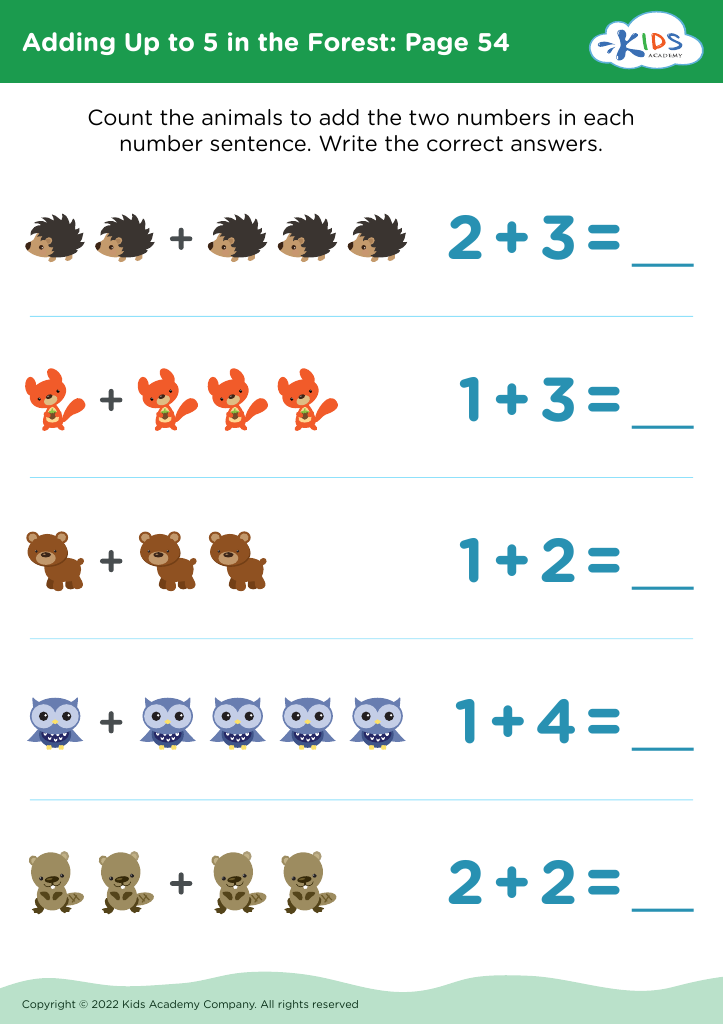
Adding Up to 5 in the Forest: Page 54
Worksheet
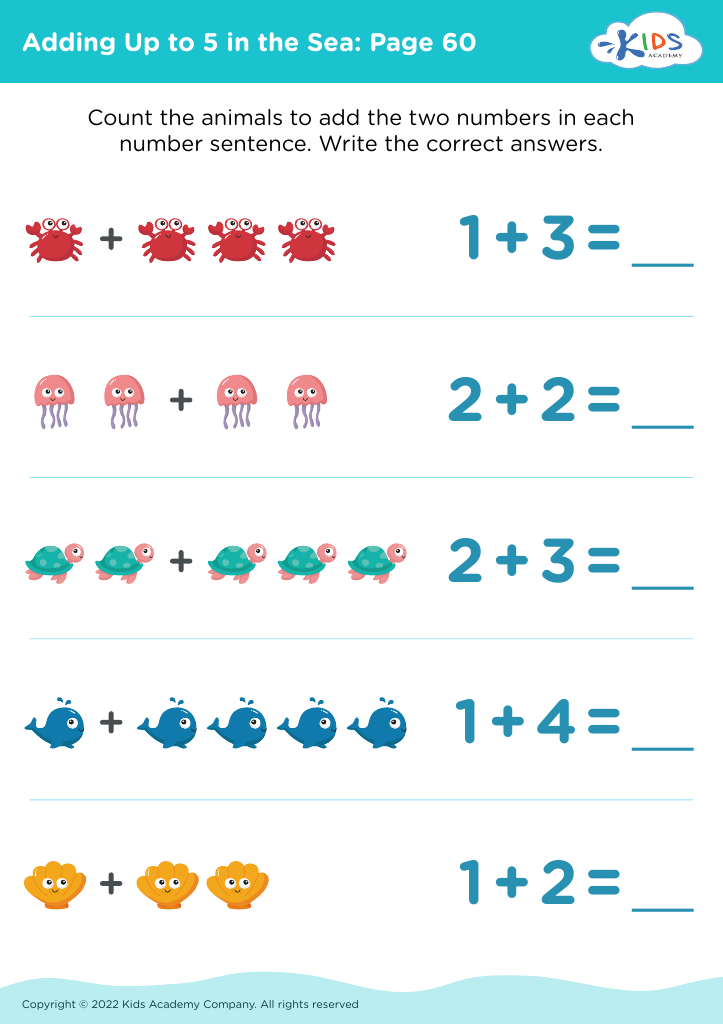
Adding Up to 5 in the Sea: Page 60
Worksheet
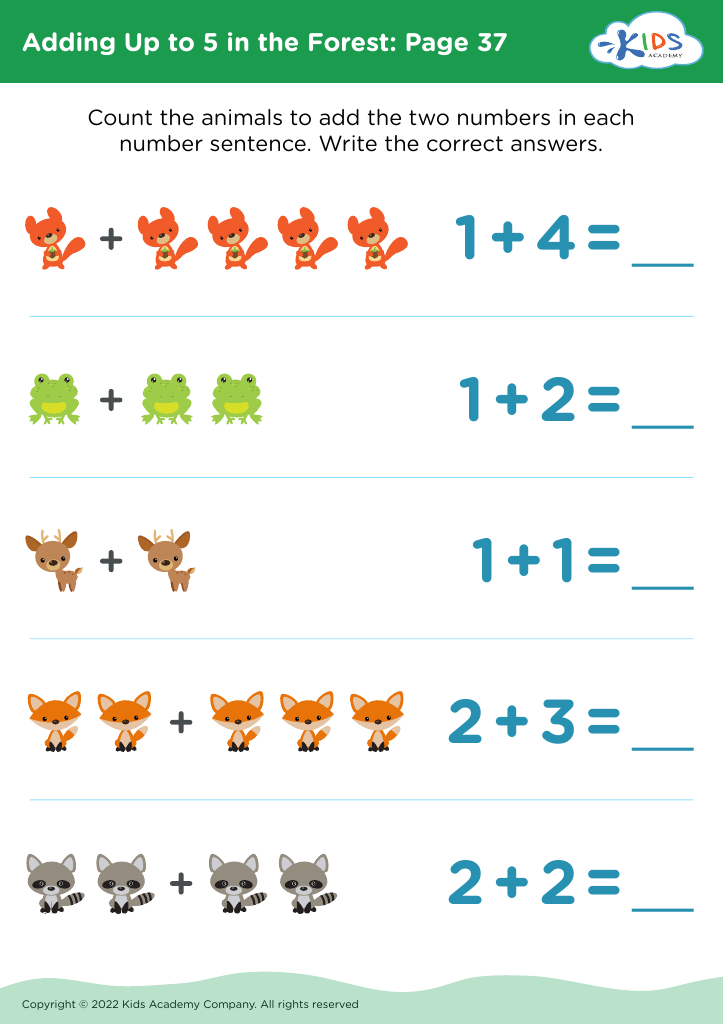
Adding Up to 5 in the Forest: Page 37
Worksheet
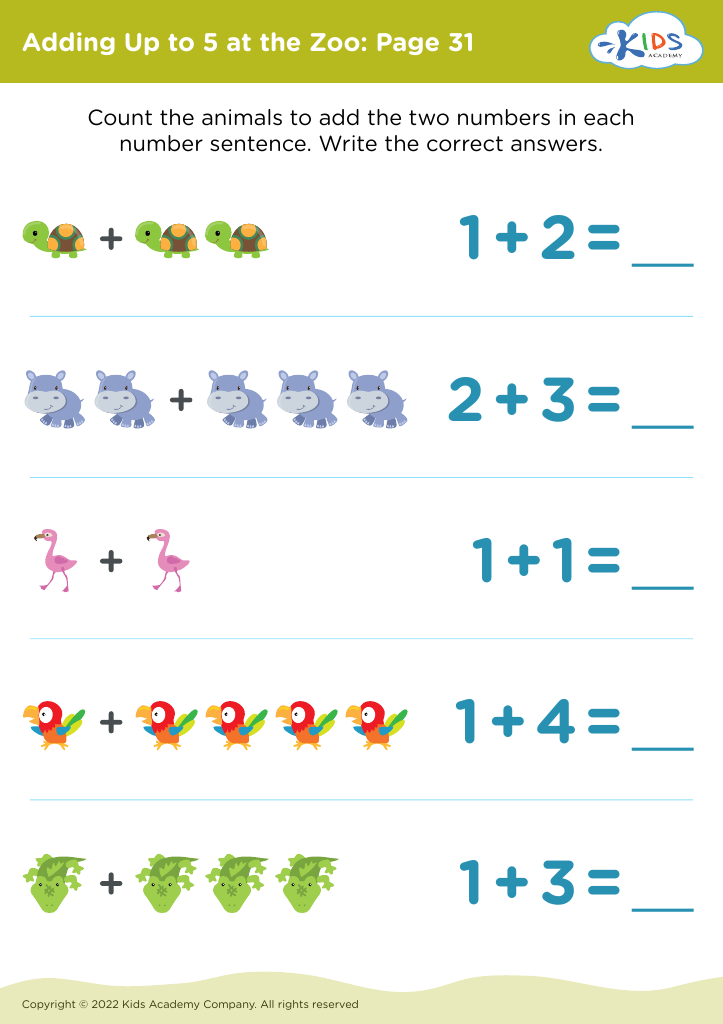
Adding Up to 5 at the Zoo: Page 31
Worksheet
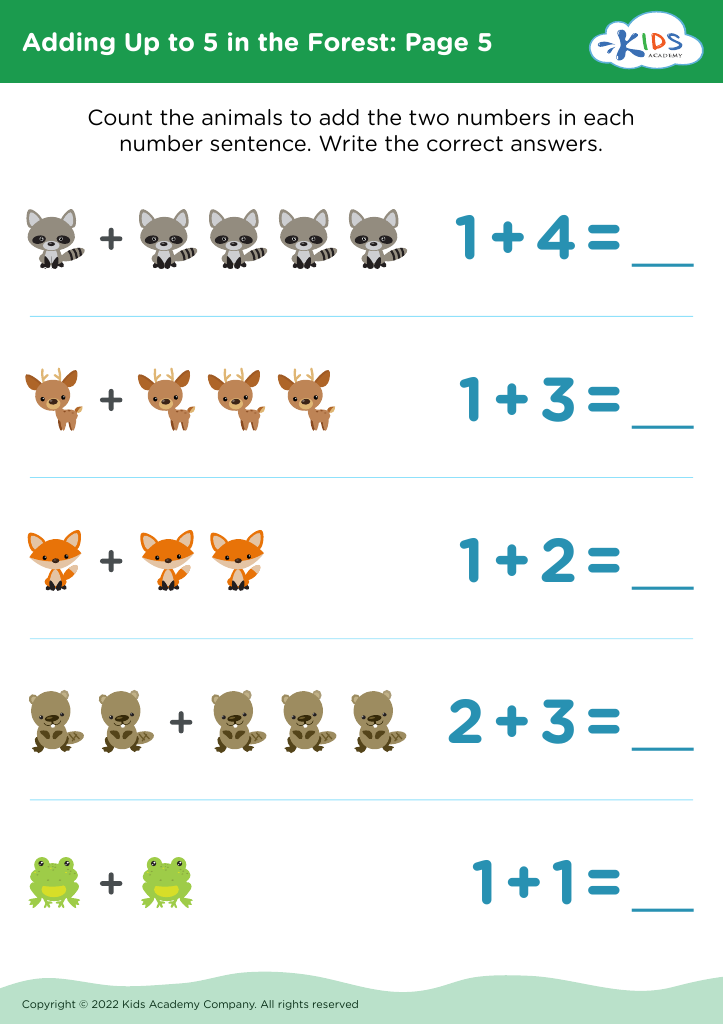
Adding Up to 5 in the Forest: Page 5
Worksheet
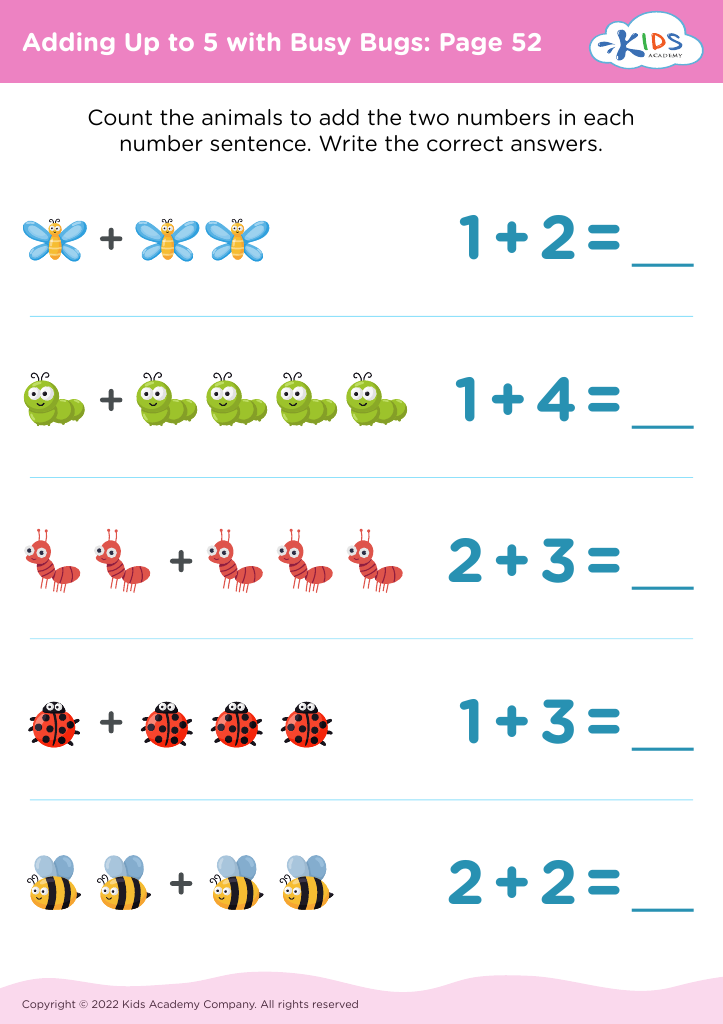
Adding Up to 5 with Busy Bugs: Page 52
Worksheet
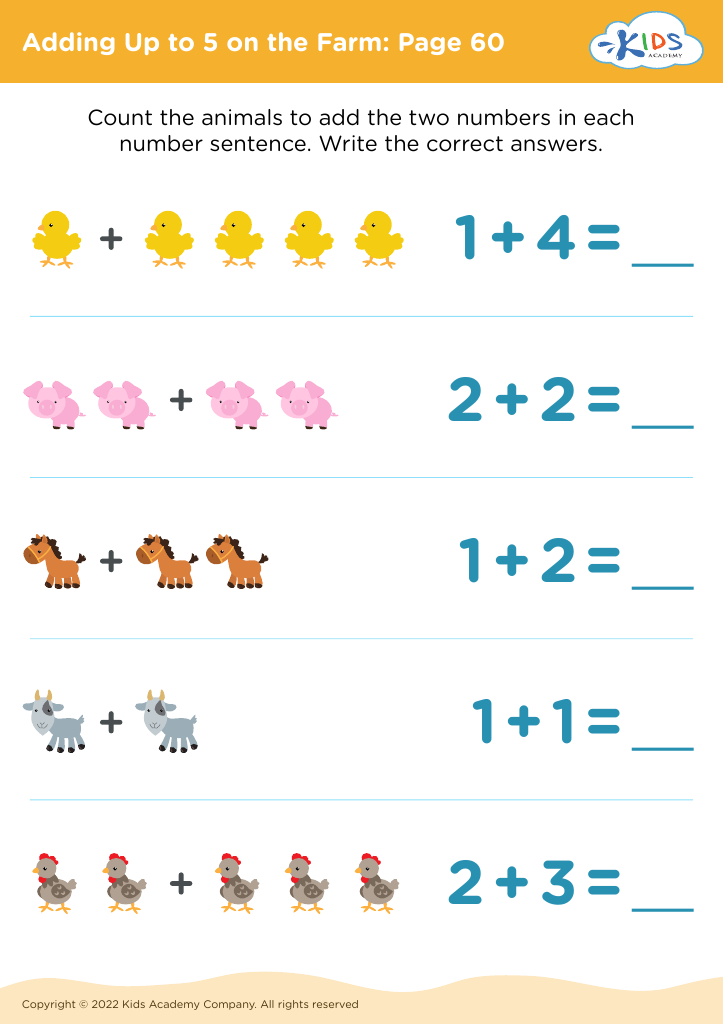
Adding Up to 5 on the Farm: Page 60
Worksheet
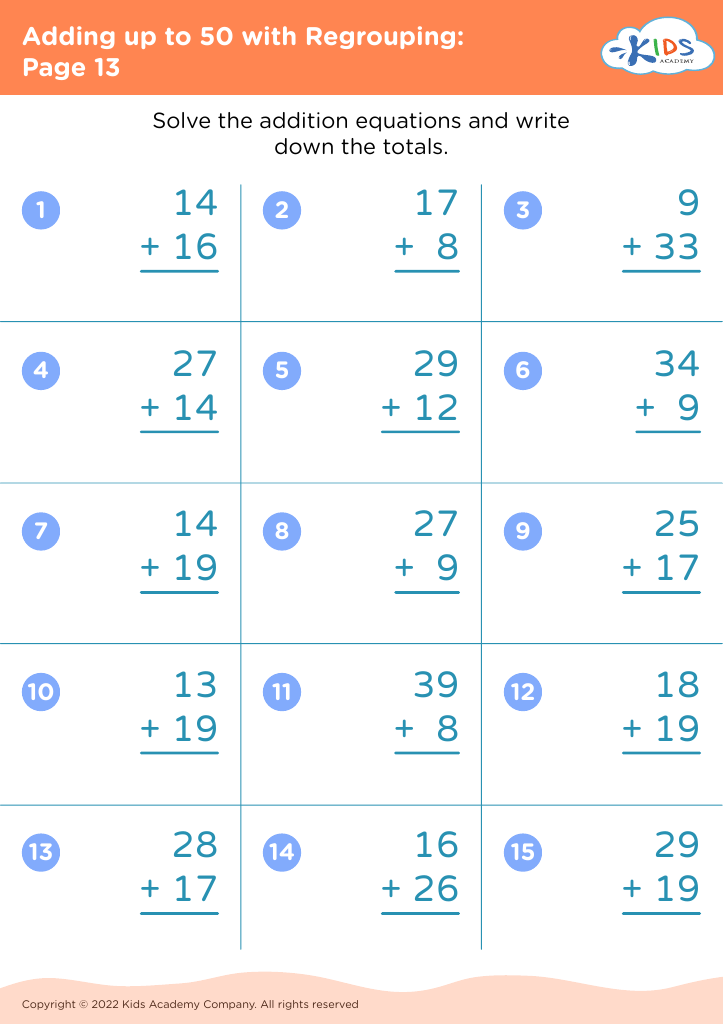
Adding up to 50 with Regrouping: Page 13
Worksheet
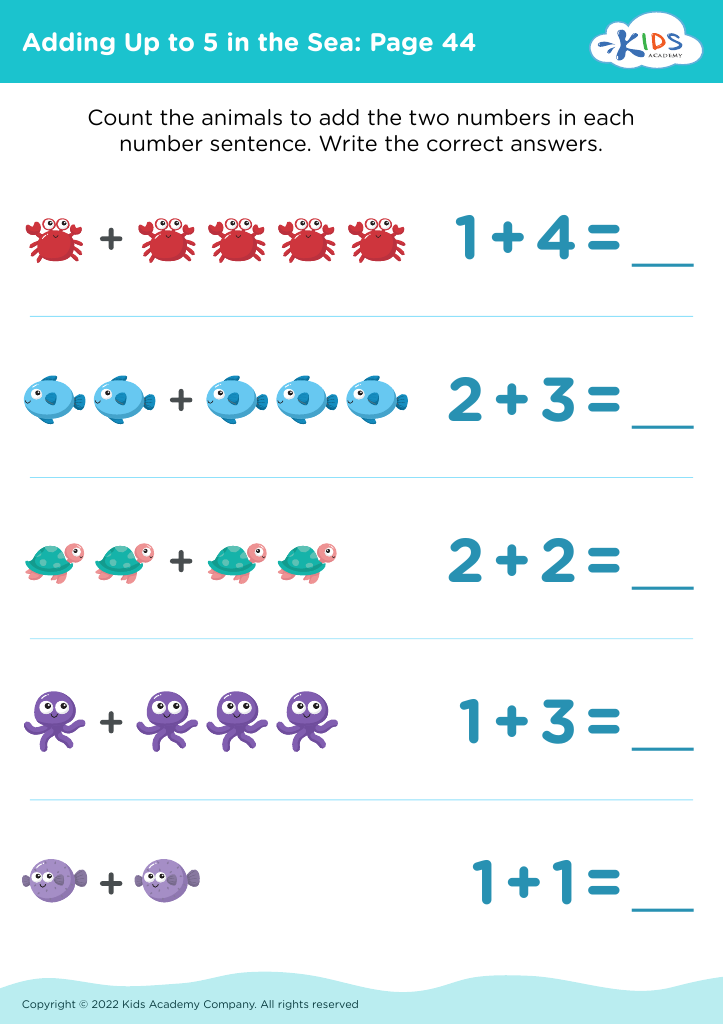
Adding Up to 5 in the Sea: Page 44
Worksheet


... 4 5

Cognitive development is crucial in the early years of a child’s life, particularly between ages 5-7, as it lays the foundation for future learning and problem-solving skills. During this period, children experience significant growth in their ability to think abstractly, understand concepts, and connect ideas. Teaching them addition not only reinforces basic math skills but also fosters critical thinking, logic, and reasoning.

Parents and teachers should care because strong cognitive skills contribute to overall academic success and enhance a child's confidence and independence in learning. Engaging children in addition helps them to develop persistence and resilience as they tackle new challenges, which are vital traits for lifelong learning.

Moreover, children’s social skills improve as they participate in group activities involving learning addition, promoting teamwork and communication. Additionally, early mastery of such fundamental skills can help reduce math anxiety and encourage a positive attitude towards education. By prioritizing cognitive development through addition, educators and families can equip children with essential tools that will benefit them across subject areas and in real-life situations, setting them on a path for future academic and personal success.