Drawing skills Addition Worksheets for Ages 5-7
6 filtered results
-
From - To
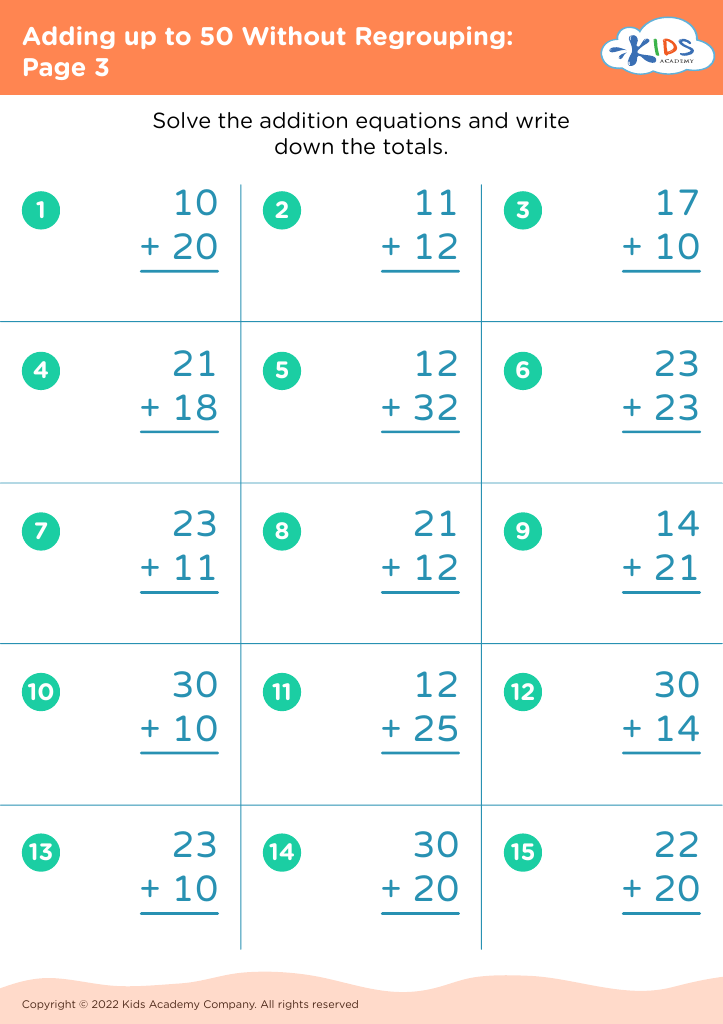
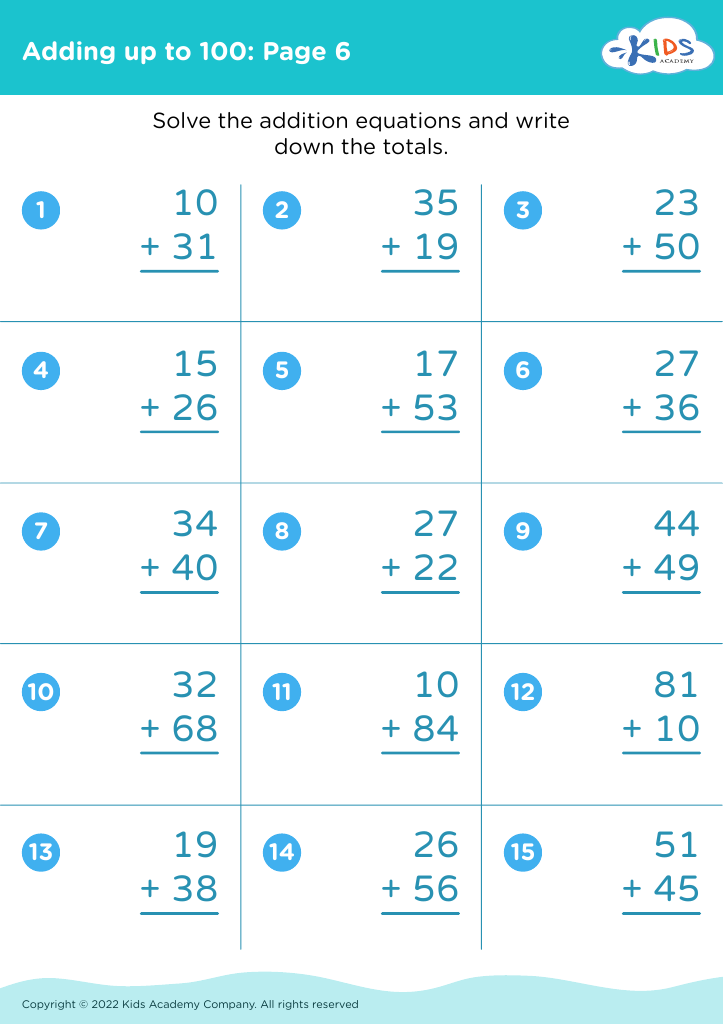
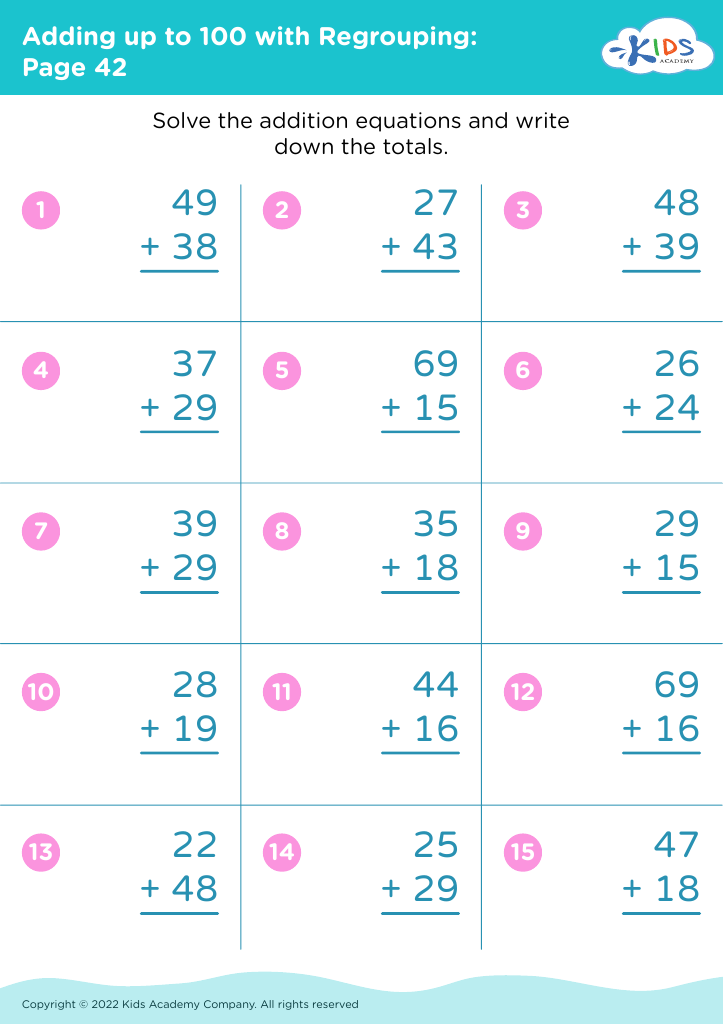
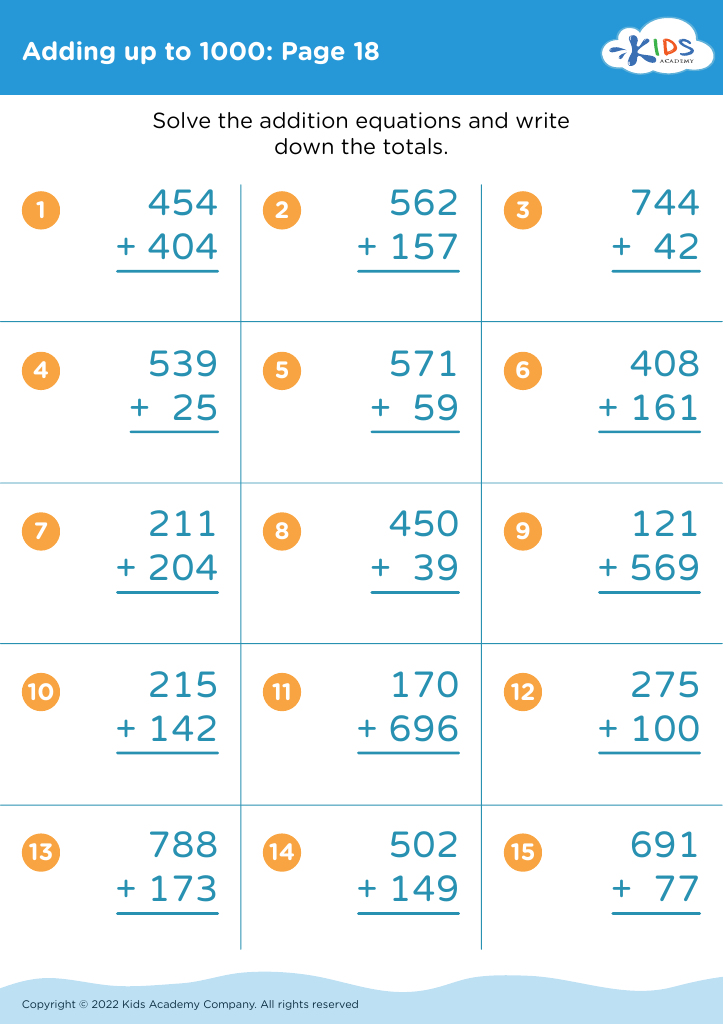
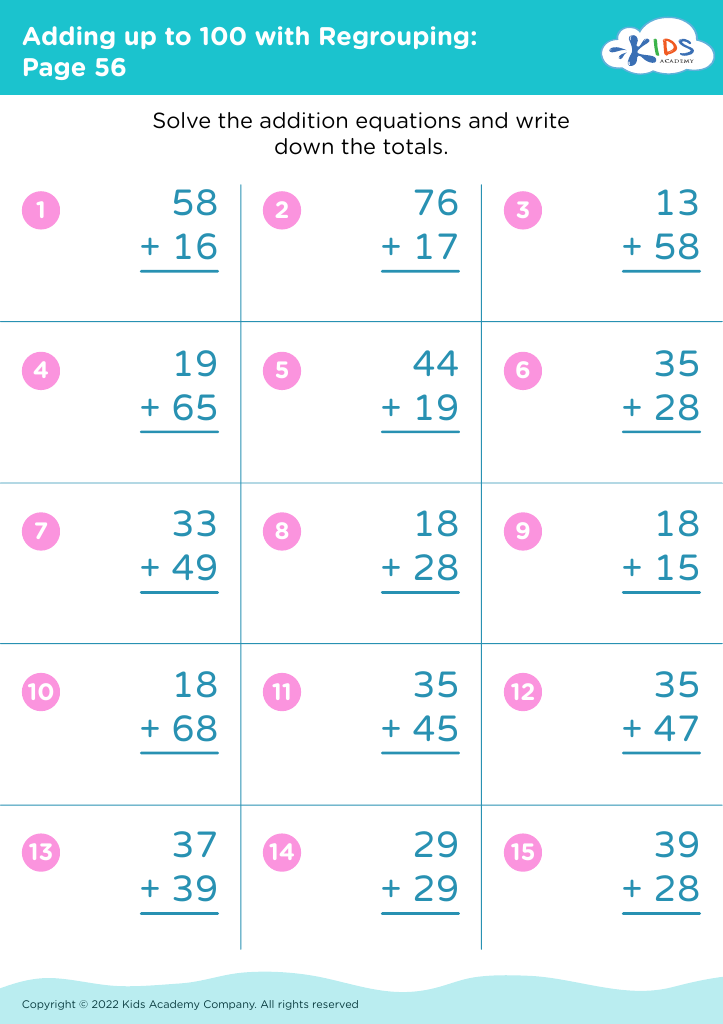
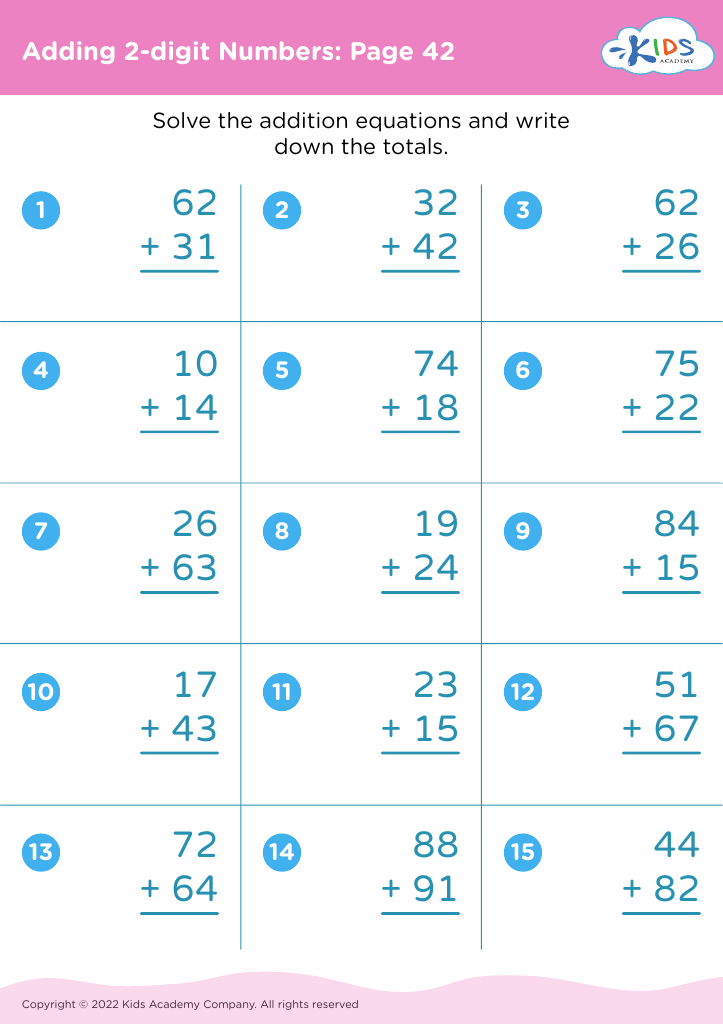
Discover our engaging Drawing Skills Addition Worksheets for children ages 5-7, designed to make math fun! These worksheets combine the joy of drawing with essential addition practice, helping young learners visualize numbers and enhance their creativity. Each worksheet features age-appropriate addition problems alongside exciting illustrations that encourage children to draw while solving problems. These interactive activities promote not just math skills, but also fine motor development and artistic expression. Perfect for home or classroom use, our materials aim to foster a love of learning through play. Encourage your child's confidence in math with our unique and enjoyable worksheets today!








Drawing skills are vital for children aged 5-7 as they lay the foundation for various developmental areas. Firstly, drawing enhances fine motor skills, allowing children to improve their hand-eye coordination and dexterity. This is crucial for tasks like writing, cutting, and everyday activities.
Moreover, drawing serves as a form of self-expression, enabling children to communicate their thoughts, feelings, and experiences visually. Encouraging drawing fosters creativity and imagination, which are essential for problem-solving and innovation later in life.
As children create, they engage in critical thinking and spatial awareness. They learn to observe details and represent them on paper, helping with cognition and visual literacy. Drawing also allows children to share their ideas, facilitating communication and social interaction with peers and adults.
Additionally, integrating drawing skills into learning promotes a multisensory approach, making educational experiences more engaging and memorable. When teachers and parents recognize the importance of drawing skills, they can provide the necessary opportunities and resources for practice, like art supplies and guided sessions.
In summary, fostering drawing skills in young children is crucial for their holistic development and can significantly impact their academic and social success.








