
Fraction conversion Addition Worksheets for Ages 5-7
3 filtered results
Difficulty Level
Grade
Age
-
From - To
Subject
Activity
Standards
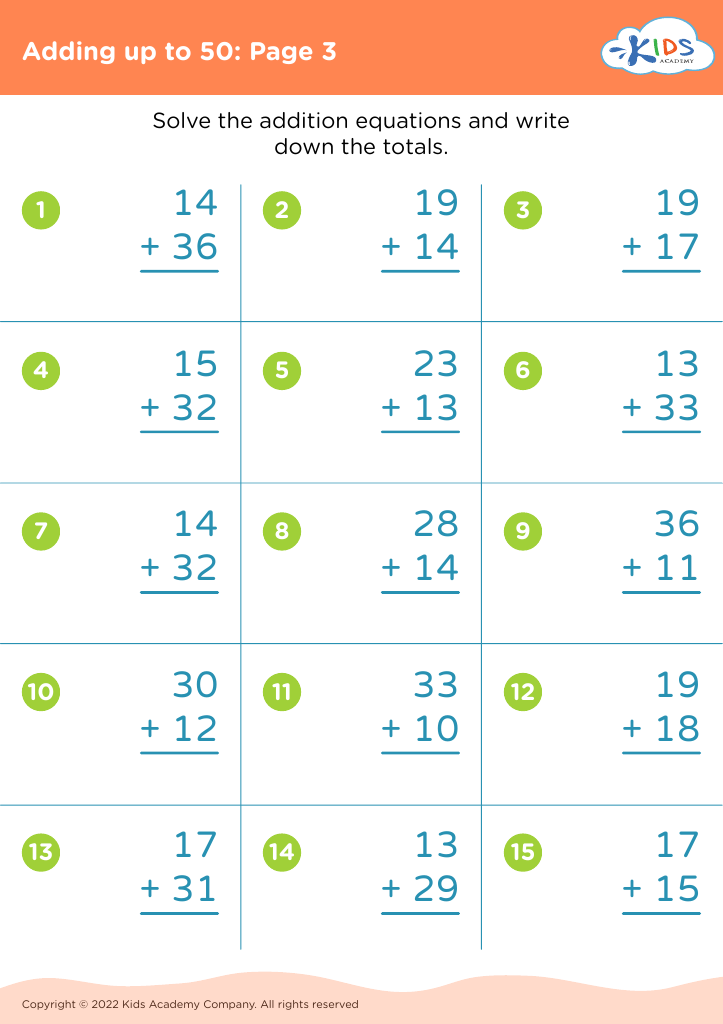
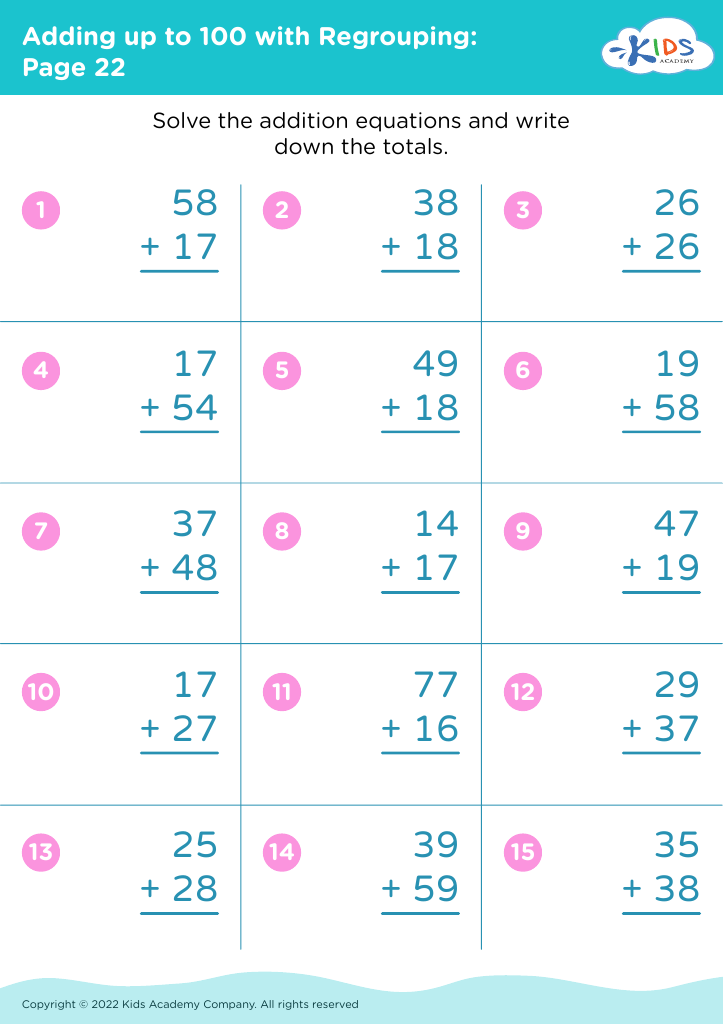
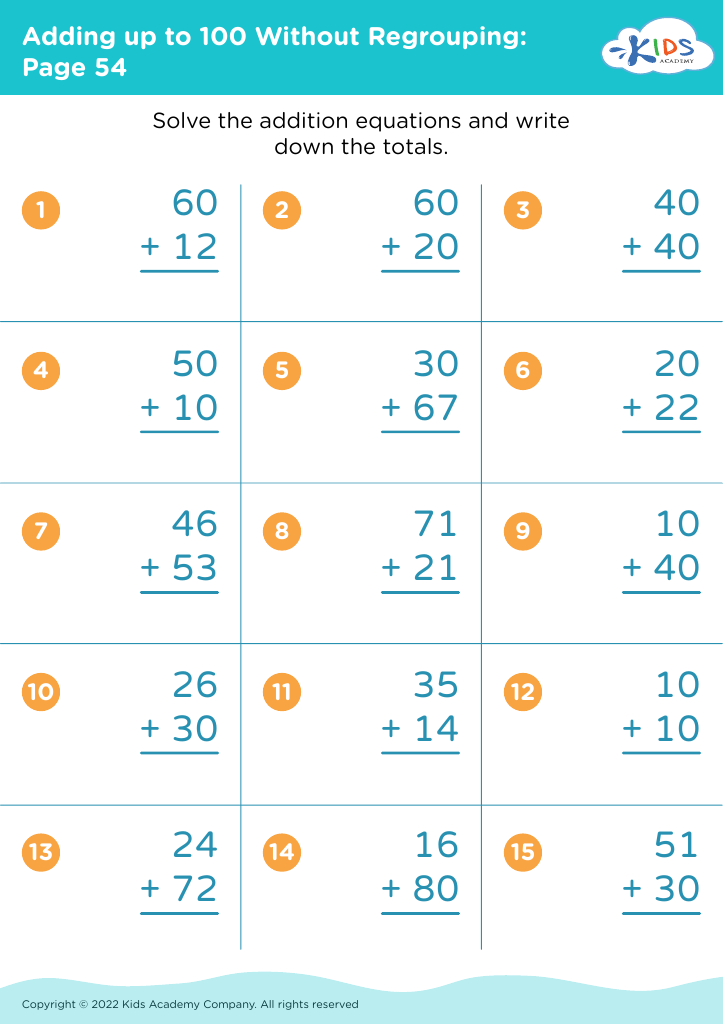
Discover our engaging Fraction Conversion Addition Worksheets designed specifically for children aged 5-7! These interactive worksheets help young learners grasp the concept of fractions and how to convert them during addition. With colorful visuals and age-appropriate exercises, kids will enjoy tackling fun problems that reinforce their math skills. Perfect for both classroom use and at-home learning, our worksheets boost confidence and enhance understanding of fractions in a playful way. Foster a love for math through practice and creativity. Explore our collection and watch your child's math abilities flourish! Start their journey towards math mastery today!
Favorites
With answer key
Interactive
Join Kids Academy for Free
Who is primarily going to use this learning content?








Understanding fraction conversion and addition is crucial for children aged 5-7 as it lays the groundwork for their mathematical development. During this formative stage, children begin to grasp fundamental concepts of numbers and relationships between them, making it an ideal time to introduce fractions.
Fraction conversion helps students understand parts of a whole, fostering their comprehension of division and proportion, which are pivotal in everyday situations, such as sharing food or dividing resources. By introducing simple concepts of how to add fractions, teachers and parents can enhance children's problem-solving skills and their ability to think critically about numbers.
When children learn to convert and add fractions, they build their confidence in math, setting a strong foundation for more complex topics in future grades. Moreover, mastering these skills promotes logical reasoning and reinforces the idea that mathematics is not just abstract, but a practical life skill.
Lastly, engaging with fractions can be enjoyable and interactive, encouraging collaborative learning between parents and teachers, and making math a fun experience for young learners. Strengthening children’s knowledge of fraction conversion prepares them for ongoing success in their academic journey.








