Letter recognition Addition Worksheets for Ages 5-7
3 filtered results
-
From - To
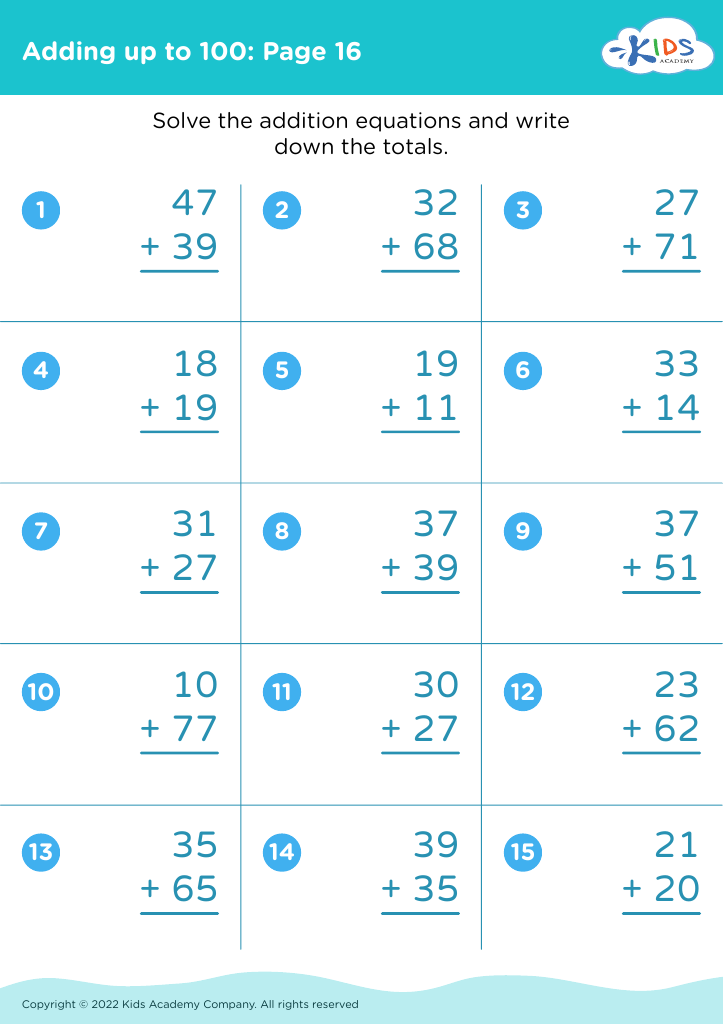
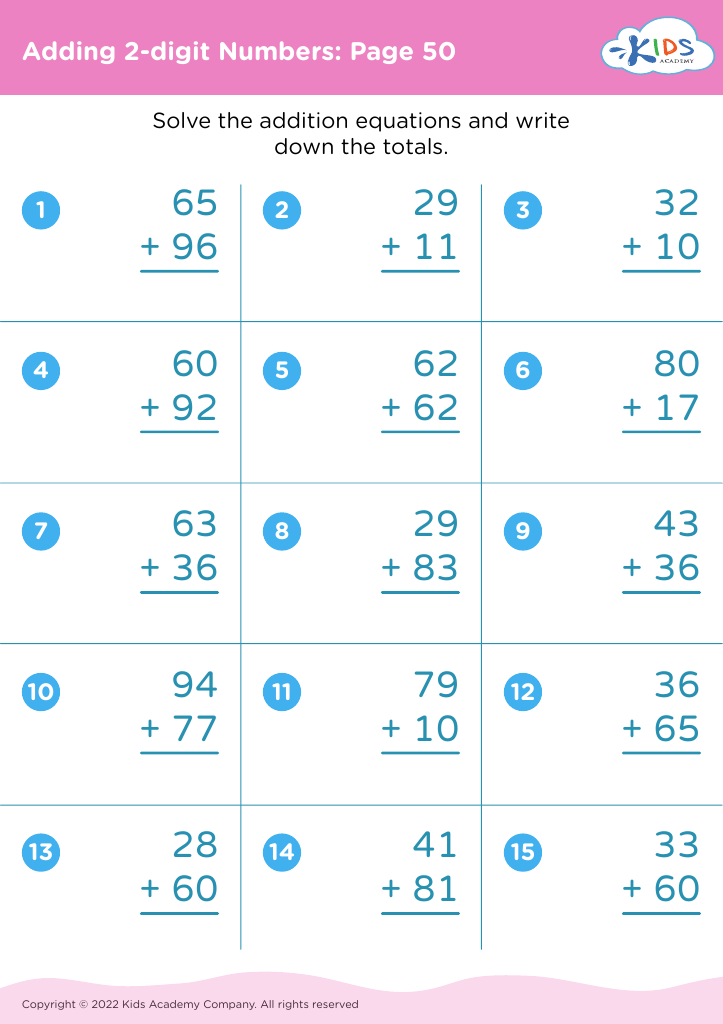
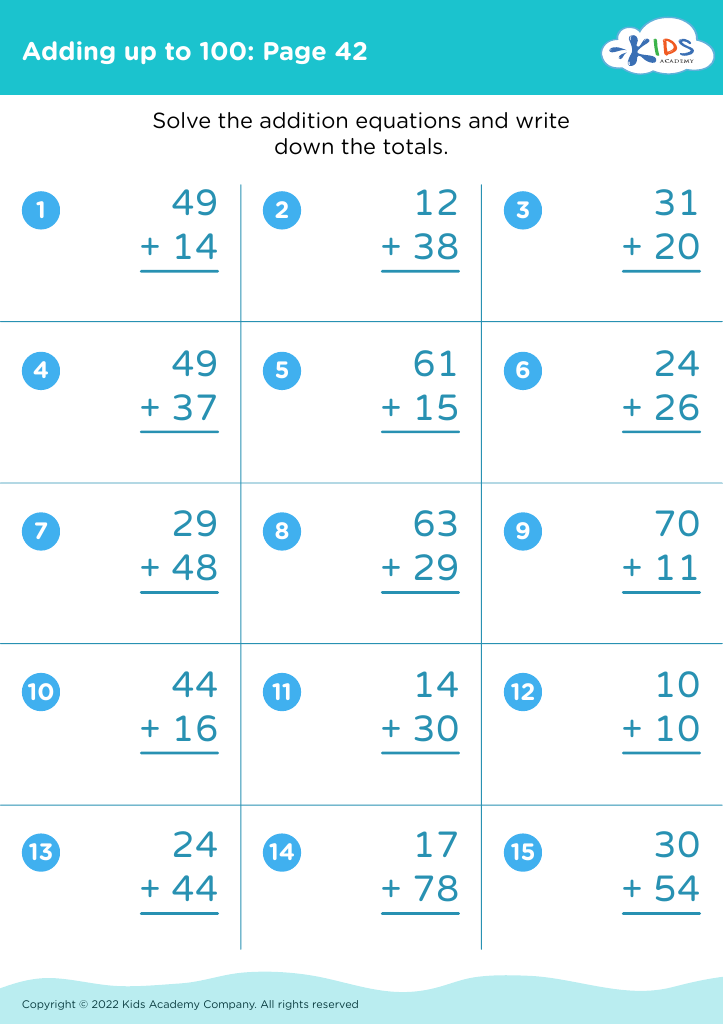
Enhance your child's learning experience with our engaging Letter Recognition Addition Worksheets designed for ages 5-7! These interactive worksheets seamlessly combine letter recognition with foundational addition skills, helping young learners explore letters while solving fun math problems. Each worksheet is thoughtfully crafted to captivate children's attention and promote hands-on learning, making it easy for them to connect letters with numbers. These resources foster essential cognitive skills, boost confidence in math, and encourage a love for learning. Perfect for home or classroom use, our worksheets are designed to support early literacy and numeracy development in a fun and effective way!



.jpg)




Letter recognition is a fundamental skill crucial for young learners, especially those aged 5 to 7. This developmental stage is vital as children begin to make connections between letters and their corresponding sounds, which are foundational to reading and writing. Parents and teachers should care about promoting letter recognition because it significantly impacts literacy development, paving the way for proficient reading skills.
When children recognize letters, they gain confidence in their reading abilities, leading to increased engagement with texts. This skill also supports vocabulary growth, as recognizing letters enhances their capability to decode words. Early literacy skills are linked to overall academic success; thus, promoting letter recognition helps establish a solid foundation for future learning.
Additionally, letter recognition fosters cognitive growth, boosts critical thinking, and nurtures creativity. Engaging in activities such as reading together, playing letter games, or practicing letter writing can make learning enjoyable and interactive. Ultimately, caring about letter recognition equips children with essential tools for communication and learning, enabling them to navigate their educational journeys more successfully. By investing time in this skill, parents and teachers play a pivotal role in shaping children's future potential and love for learning.








