Shape Recognition Addition Worksheets for Ages 5-7
31 filtered results
-
From - To
Welcome to our engaging "Shape Recognition Addition Worksheets" designed specifically for children ages 5-7! These worksheets seamlessly combine shape recognition and basic addition, offering an exciting way to enhance your child's math skills. Each worksheet features colorful visuals that captivate young learners while promoting recognition of different shapes, such as circles, squares, and triangles. Fun addition problems will help reinforce math concepts, making learning enjoyable. Ideal for home schooling or classroom settings, our worksheets aim to build confidence in young math enthusiasts. Spark your child’s curiosity and reinforce their skills with our interactive and educational materials today!
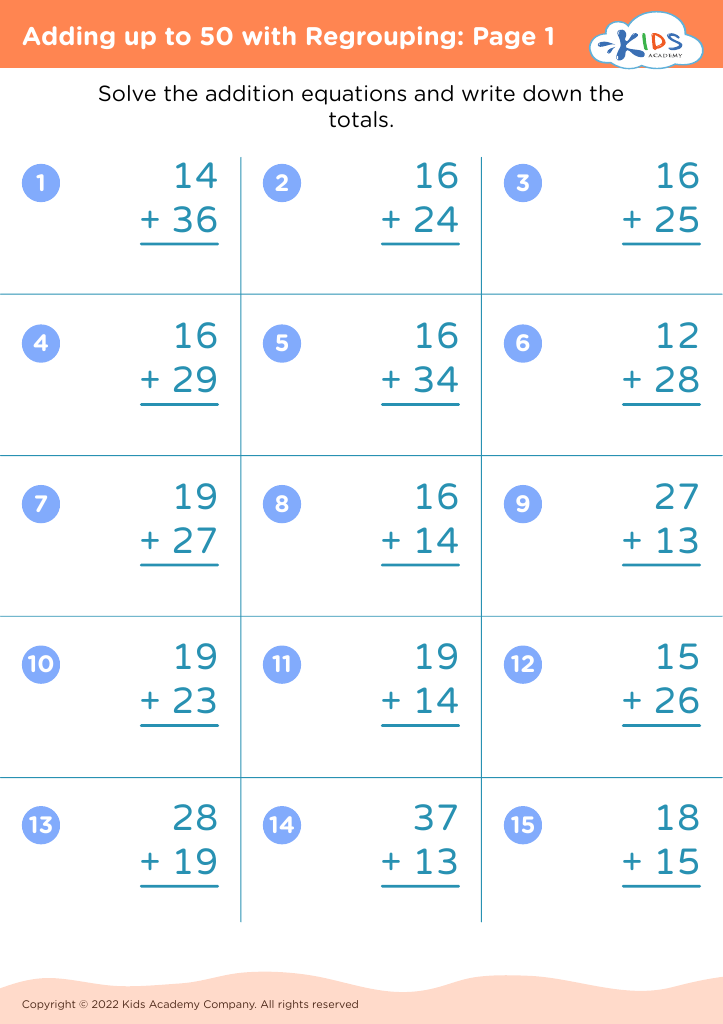
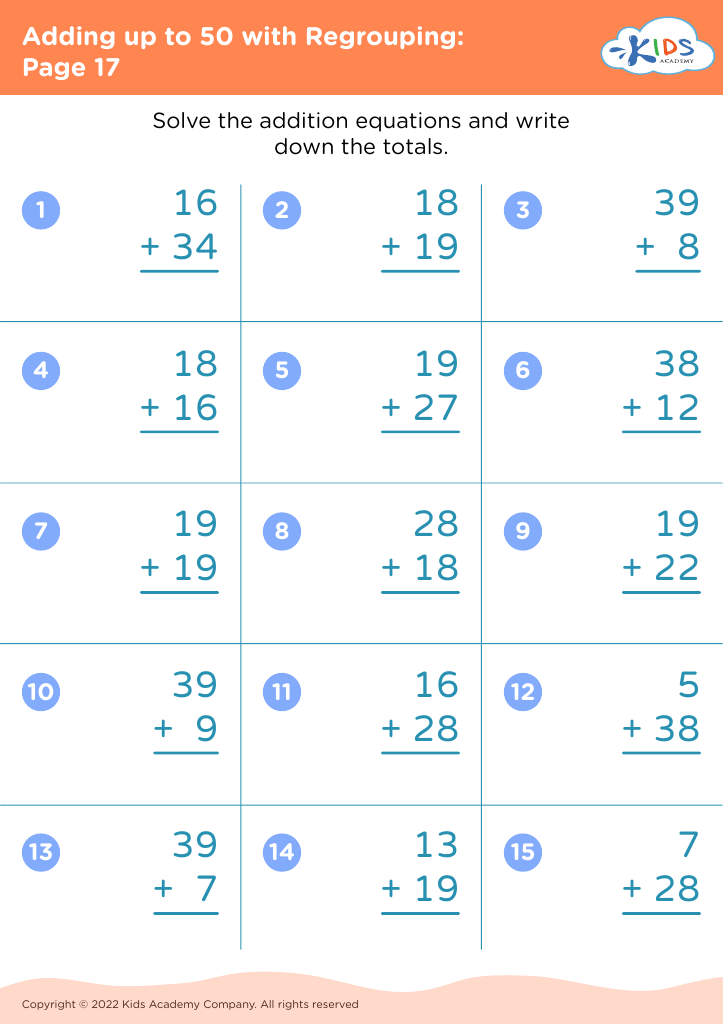
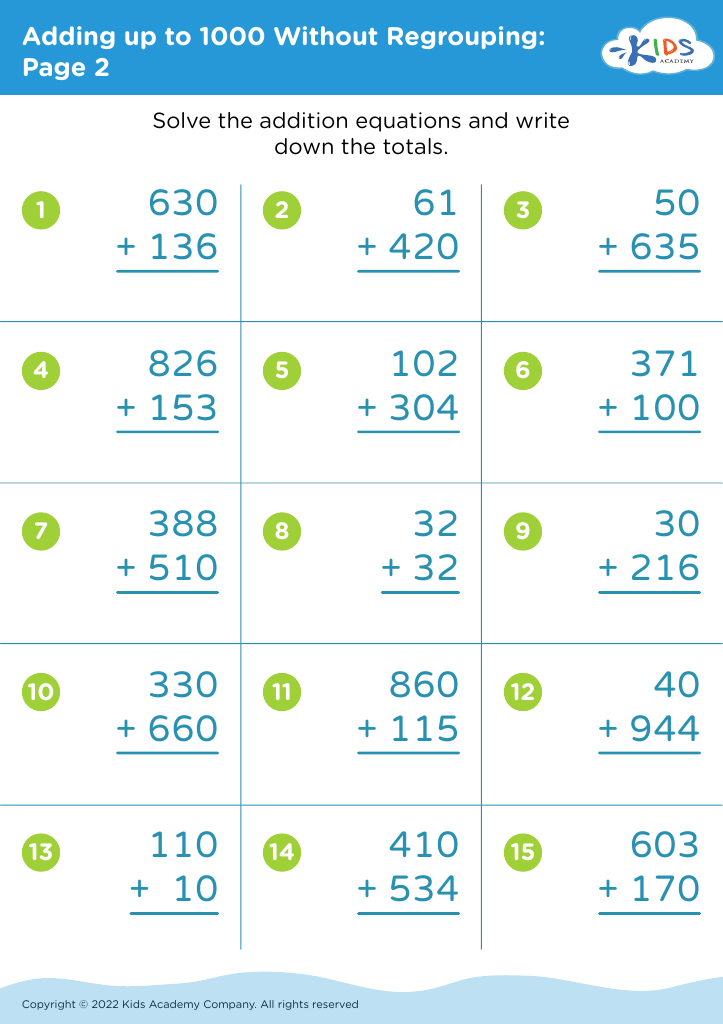
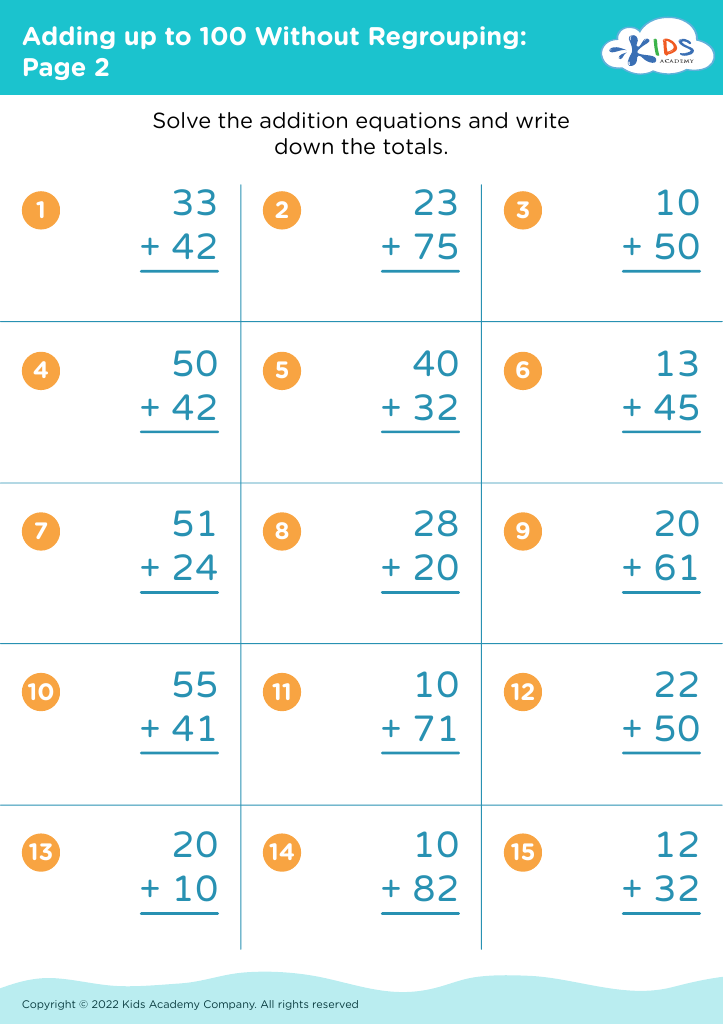
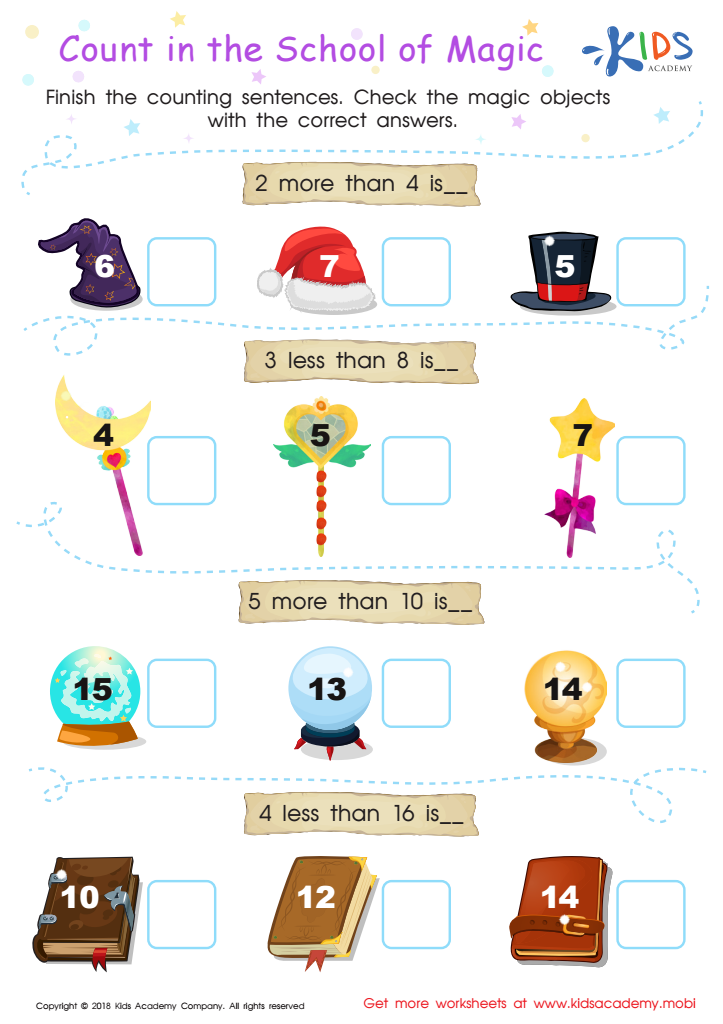
Count in the School of Magic Worksheet
 Assign to My Students
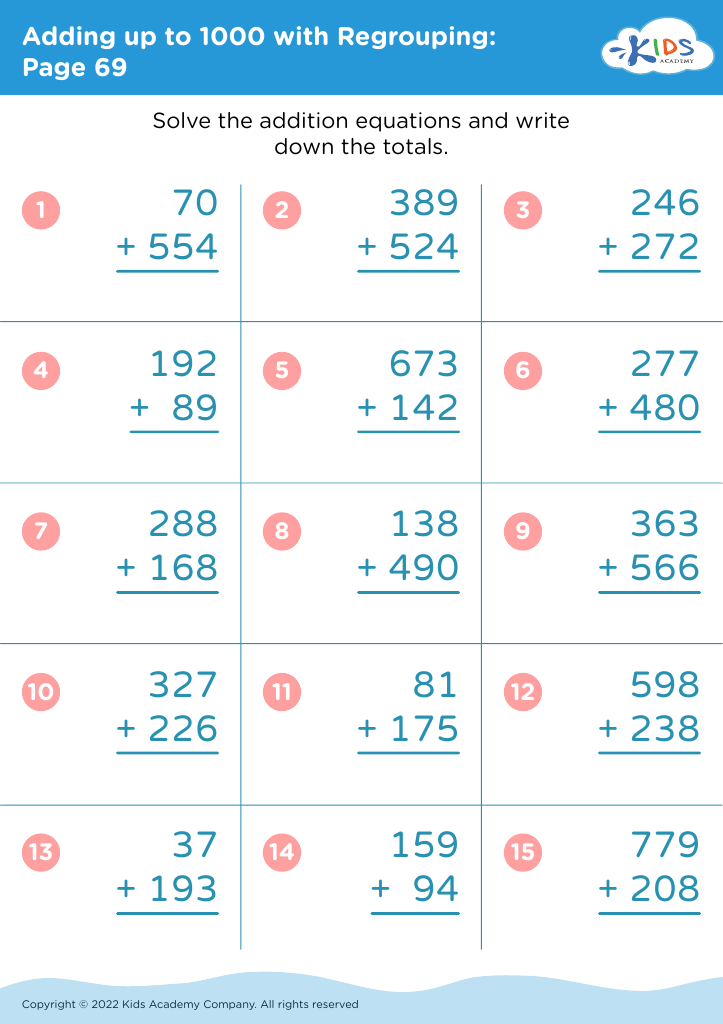
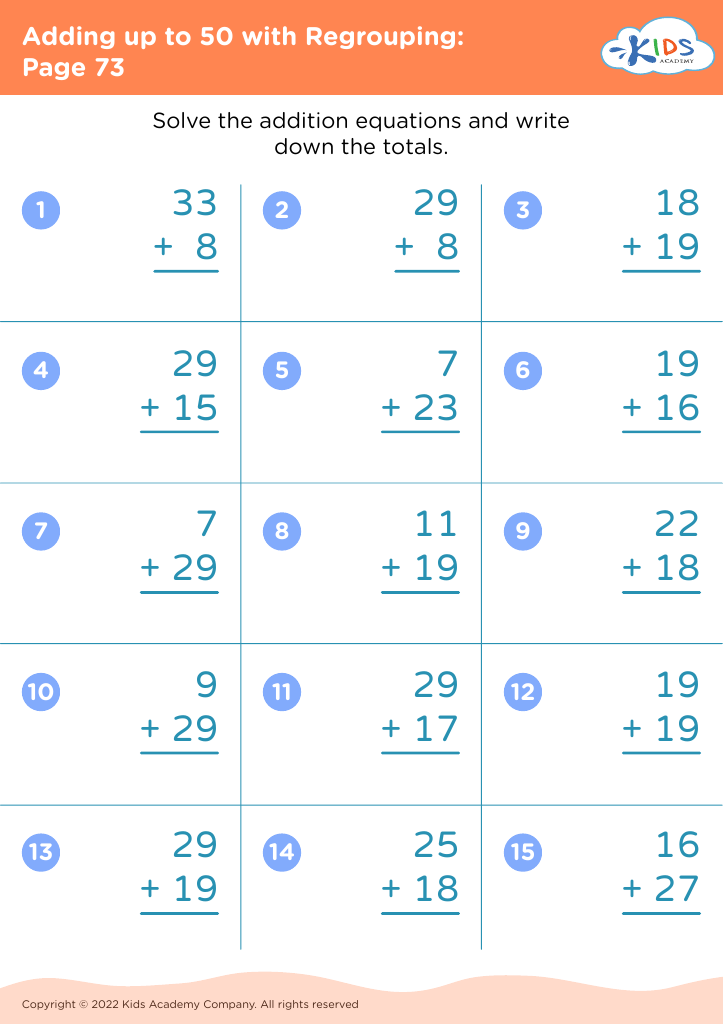
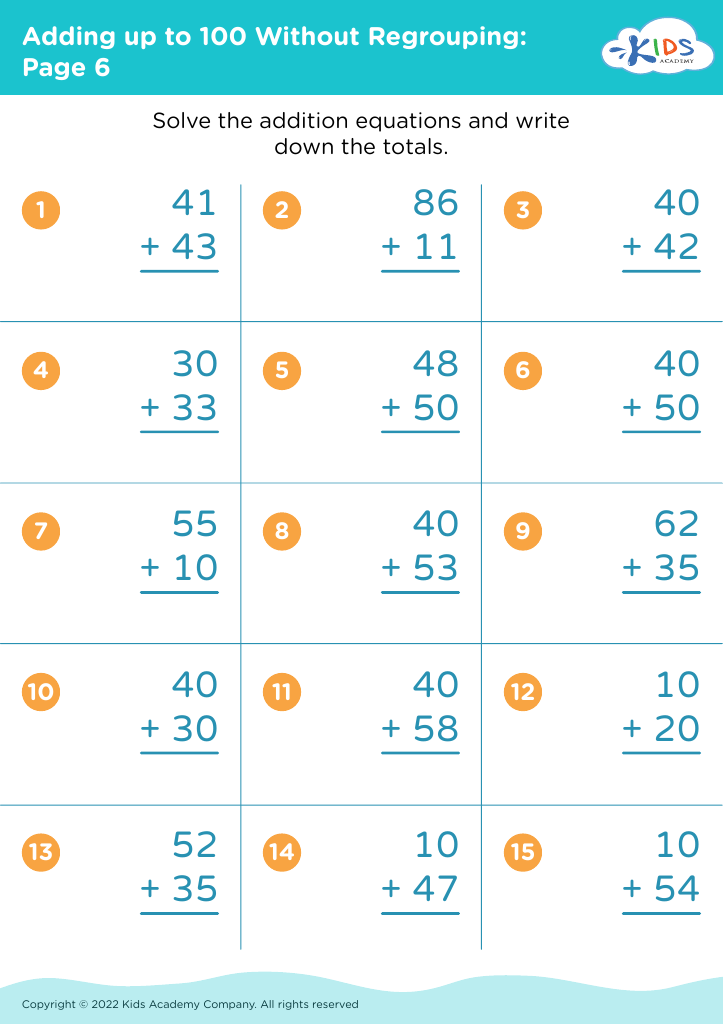
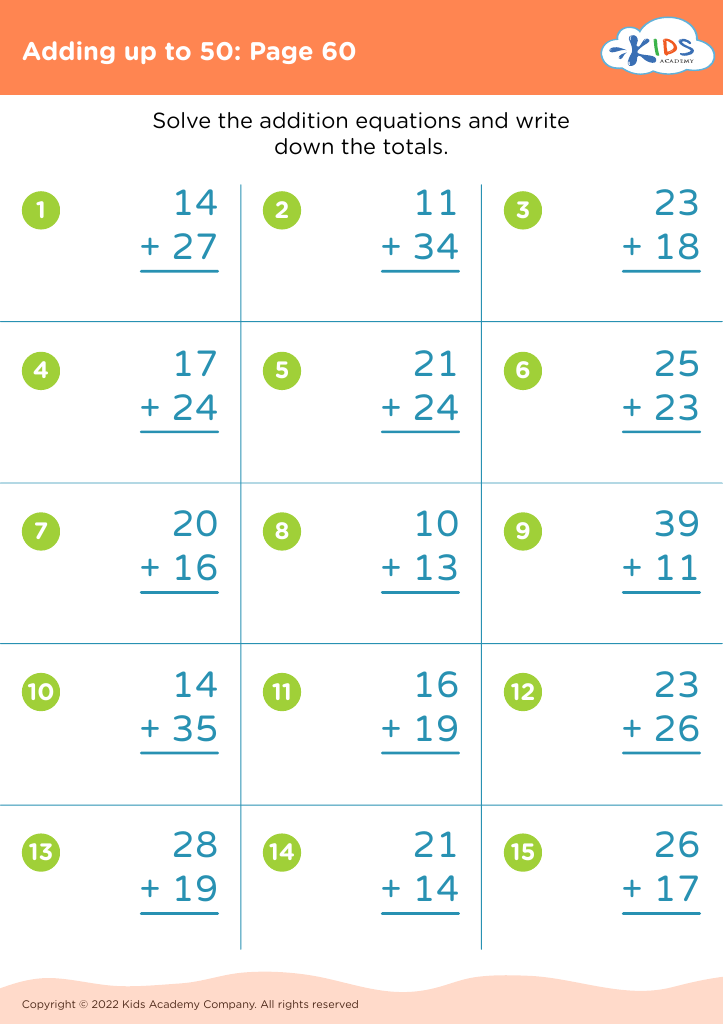
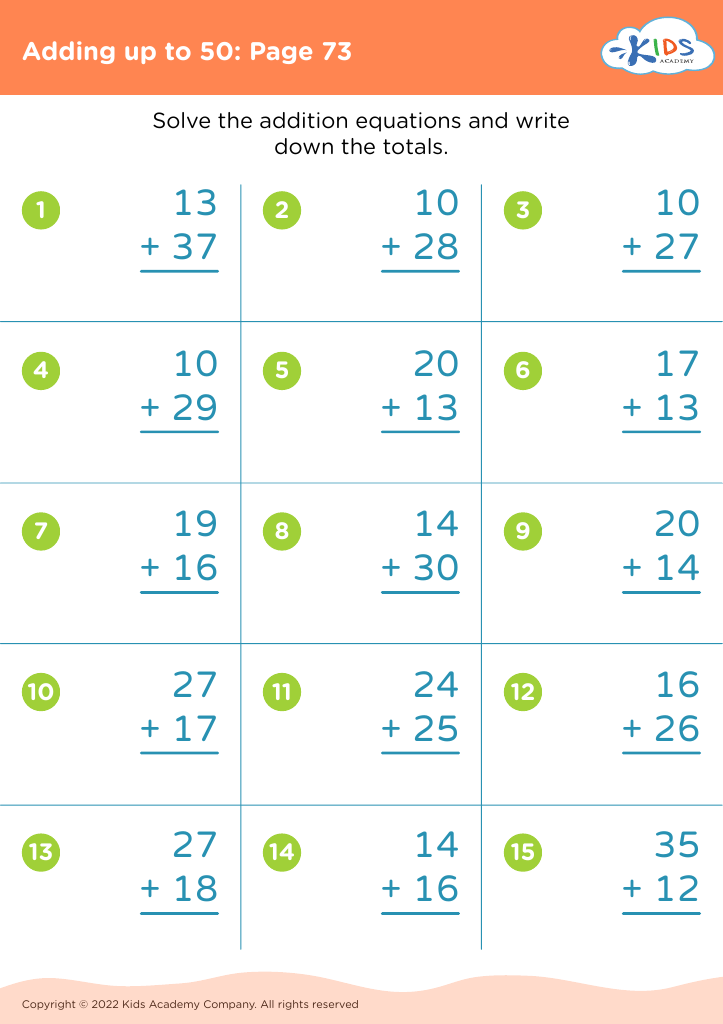
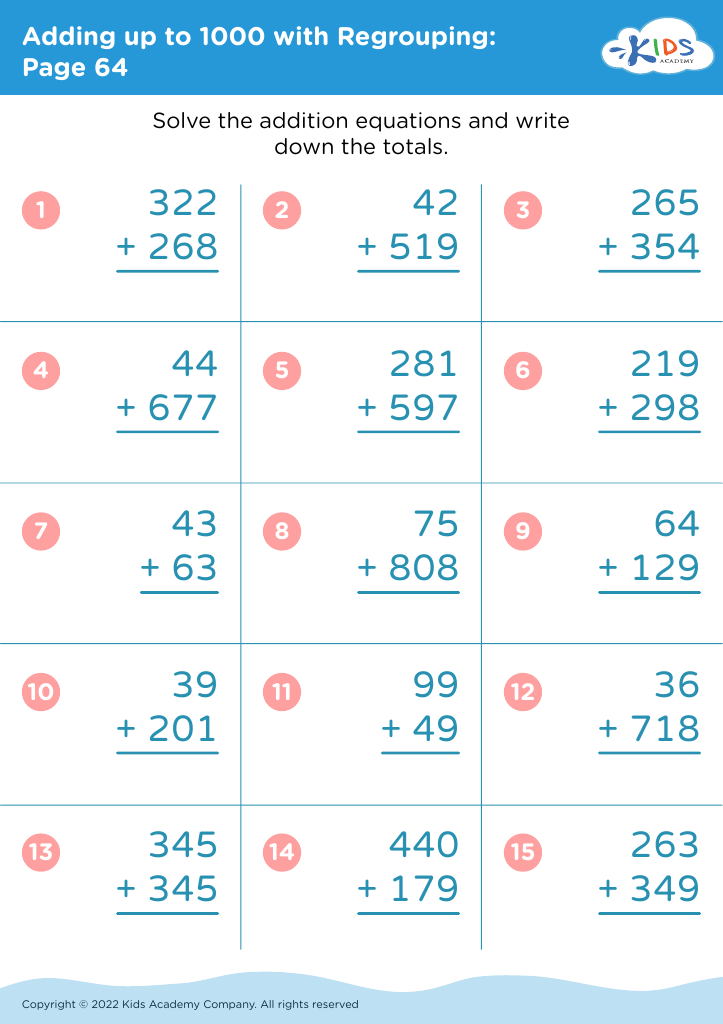
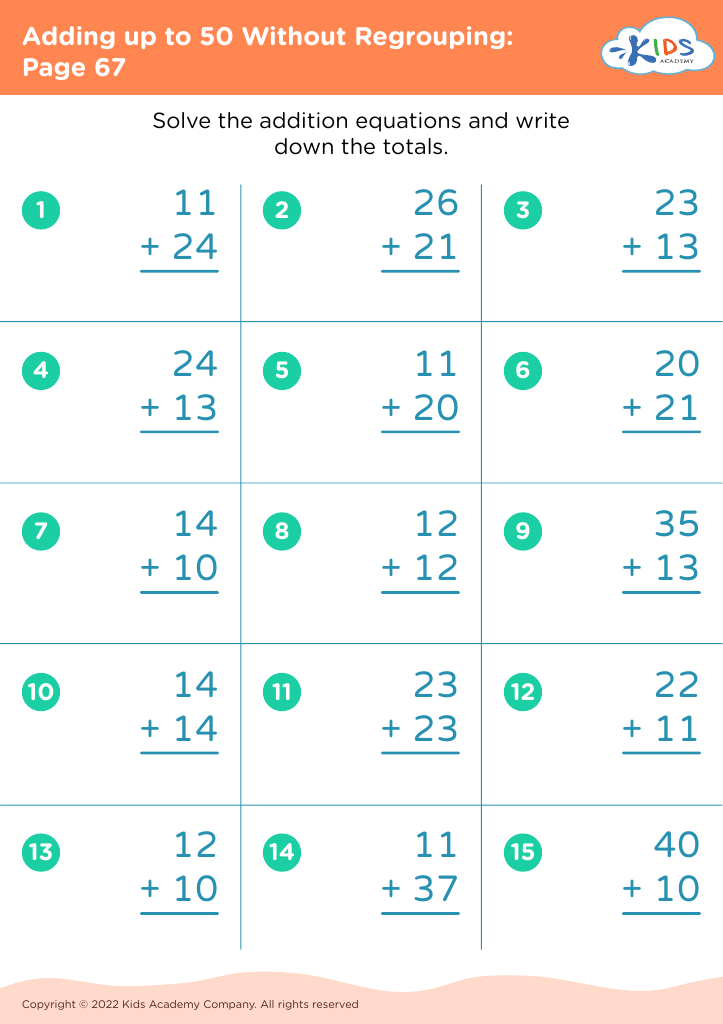
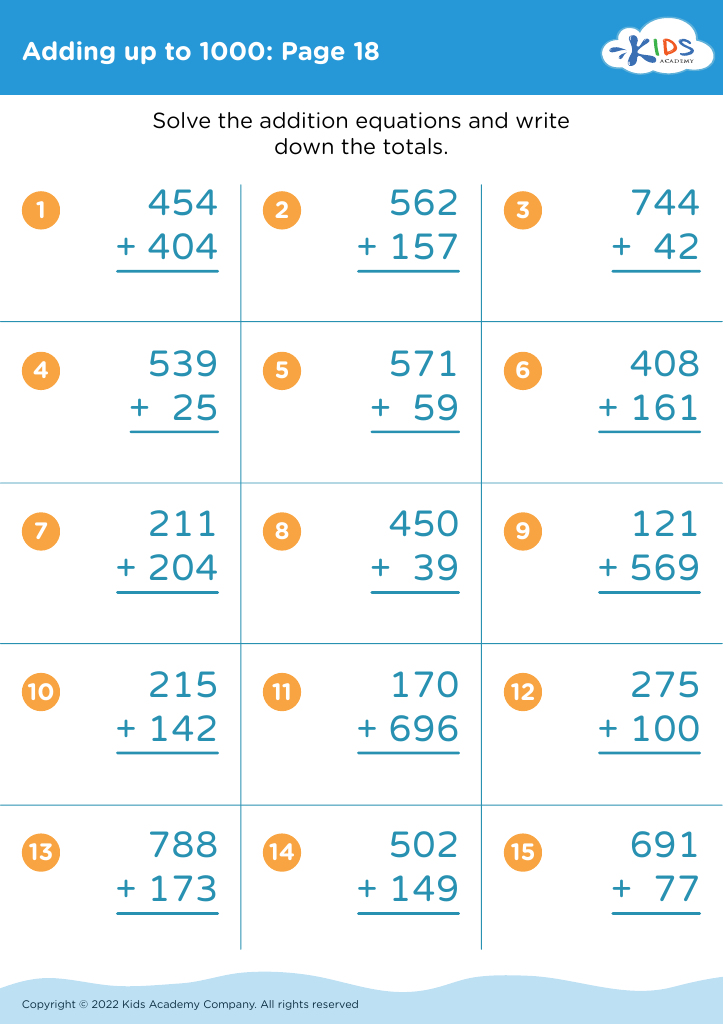








Shape recognition addition for ages 5-7 is a crucial foundational skill that enhances children's cognitive and mathematical abilities. At this age, children are naturally inquisitive and eager to learn about their environment, making it an ideal time to incorporate shape recognition into their educational experiences.
Firstly, recognizing shapes helps children develop spatial awareness, which is essential for understanding geometry and mathematical concepts later on. Engaging with shapes visually and tactilely allows young learners to distinguish between different forms, laying the groundwork for more complex math operations.
Moreover, integrating addition with shape recognition presents a fun, engaging way to build basic math skills. For example, children can solve simple addition problems using shapes, reinforcing their understanding of numbers and encouraging them to visualize mathematical concepts. This dual focus on shapes and numbers supports the development of critical thinking and problem-solving skills.
Finally, shape recognition addition encourages collaboration and social interaction among peers, fostering communication skills and teamwork. By promoting these activities, parents and teachers can nurture a positive attitude towards mathematics, laying the groundwork for lifelong learning and success in various academic disciplines. This holistic approach to early education creates a rich environment for healthy cognitive and emotional growth.








