Understanding money Addition Worksheets for Ages 5-7
3 filtered results
-
From - To
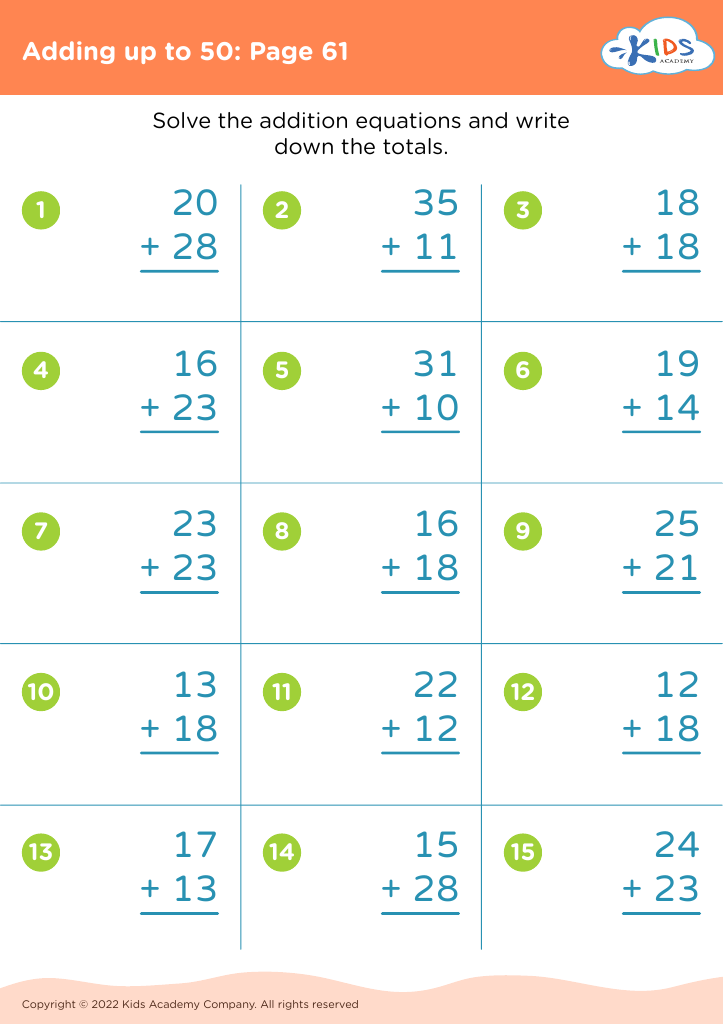
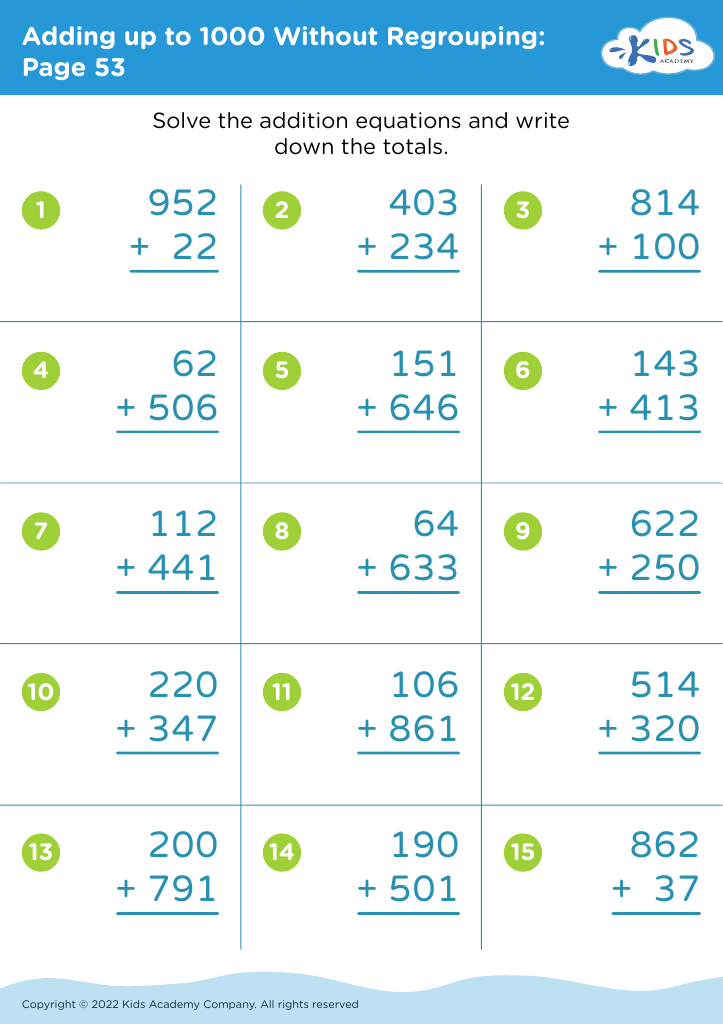
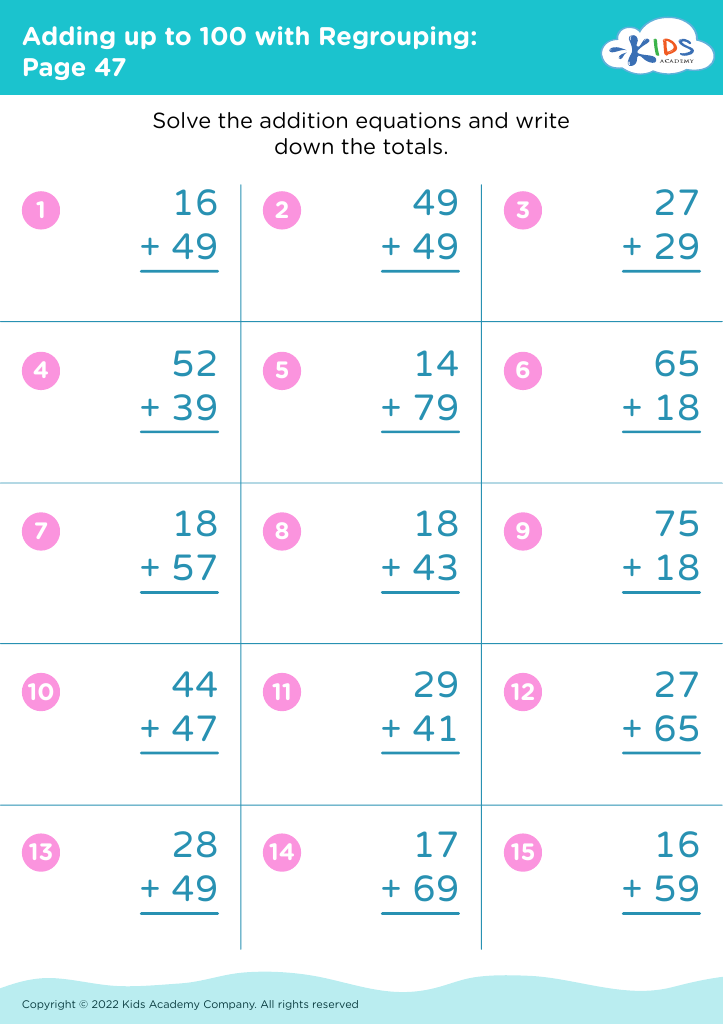
Enhance your child’s math skills with our "Understanding Money Addition Worksheets" tailored for ages 5-7. These engaging, educator-designed worksheets focus on teaching young learners the basics of adding money. By combining colorful visuals and practical exercises, children grasp the concept of currency while honing their addition skills. These printable worksheets make learning fun and interactive, reinforcing math fundamentals and financial awareness. Ideal for both classroom settings and homeschooling, they support continuous learning at your child's pace. Foster numerical confidence and essential money management skills early on with our expertly crafted worksheets.








Understanding money addition for ages 5-7 is crucial as it lays the foundation for essential life skills. At this tender age, children are at a critical cognitive development stage where they begin to grasp basic math concepts. Teaching them how to add money helps nurture their numerical and operational skills, making them more comfortable with math in general.
Money addition also introduces the concept of value. Children start recognizing different denominations and understand that different coins and bills have different worth, which promotes practical learning. This ability becomes a building block for future financial literacy, enabling them to make smart decisions about saving and spending.
Moreover, learning about money addition helps develop problem-solving and critical thinking skills. By engaging in activities such as pretend play shopping or handling an allowance, children gain real-world experience in managing transactions. This also supports skills like counting, sorting, and comparing numbers.
Understanding money empowers children with a sense of responsibility and independence. Parents and teachers contribute significantly to this foundational aspect, benefiting the child's academic growth and everyday life. Early exposure builds confidence and competence in later financial dealings, setting a solid groundwork for productive and informed adulthood.








