Visual-motor skills Addition Worksheets for Ages 5-7
4 filtered results
-
From - To
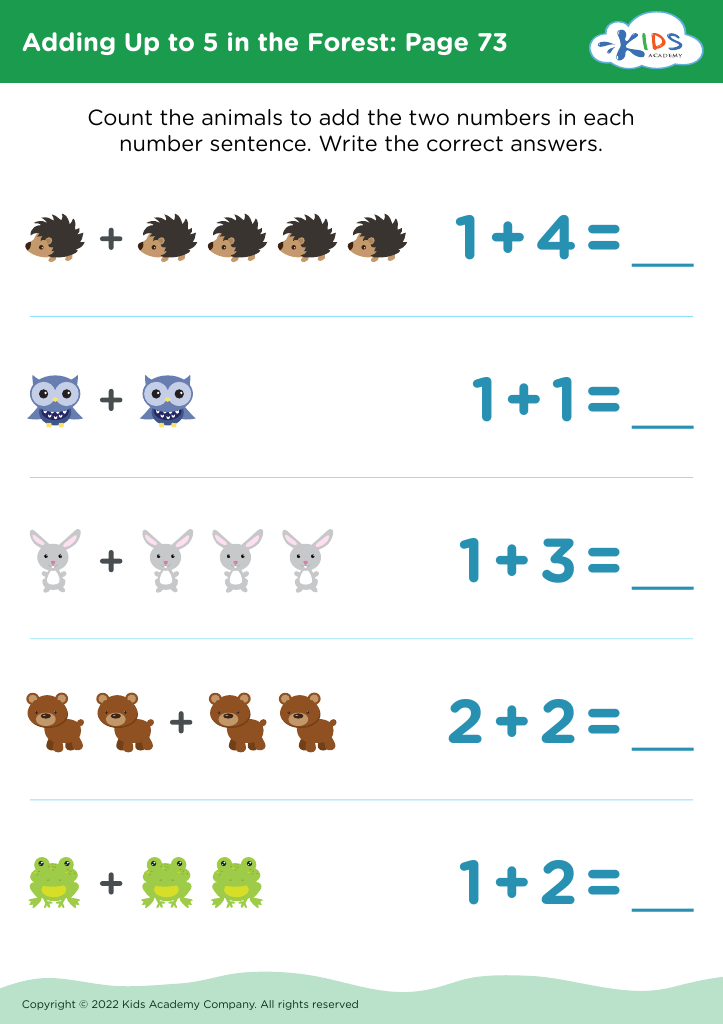
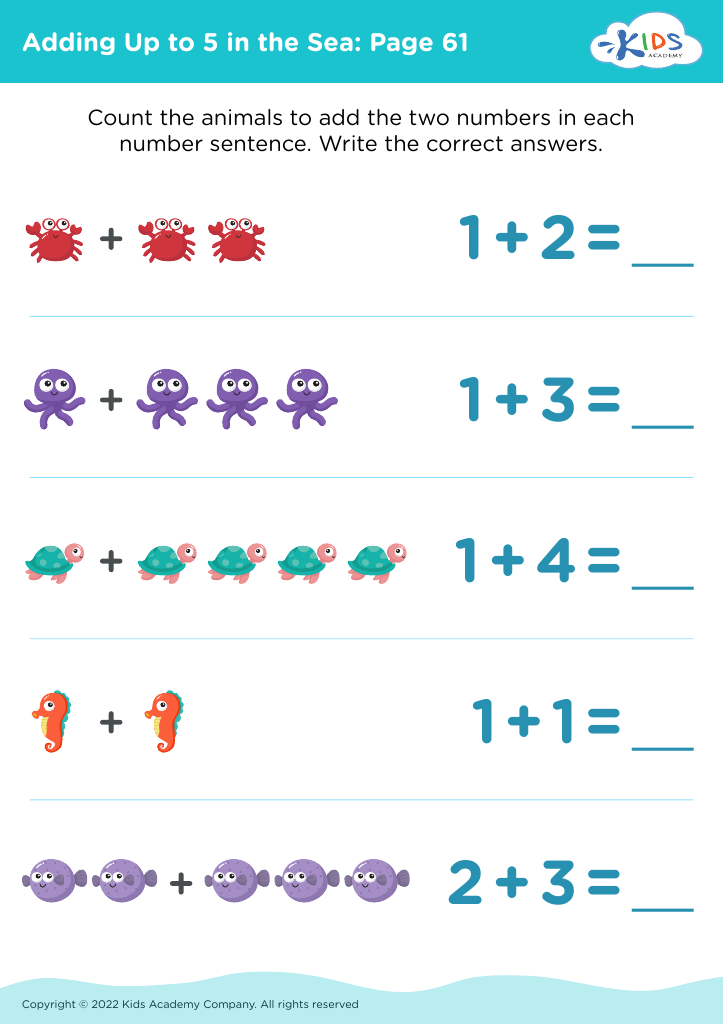
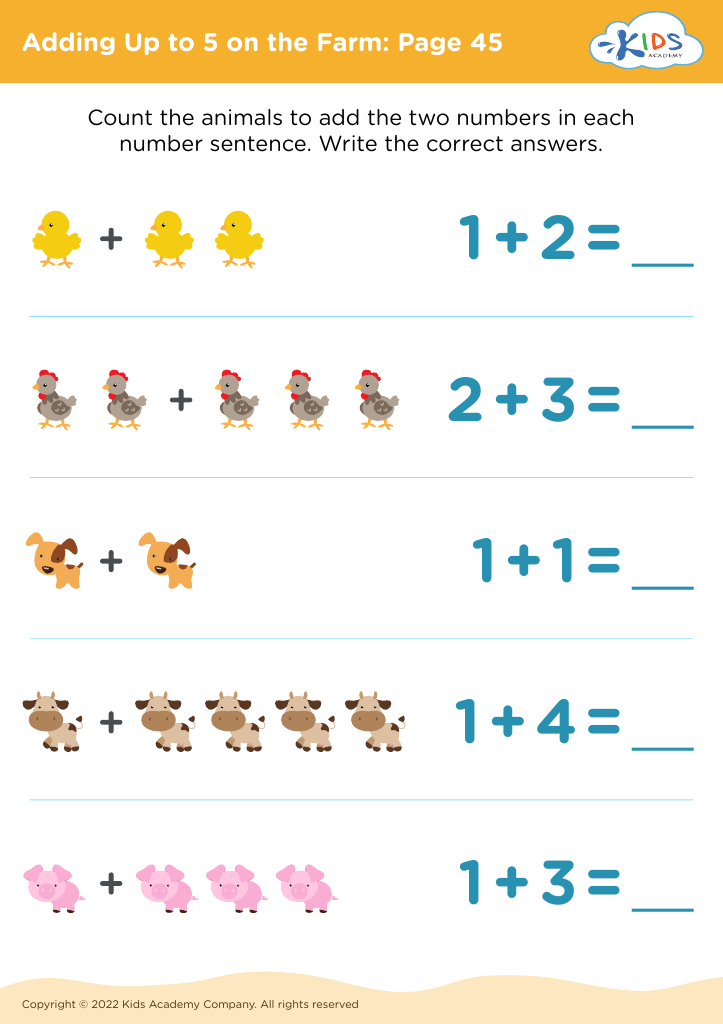
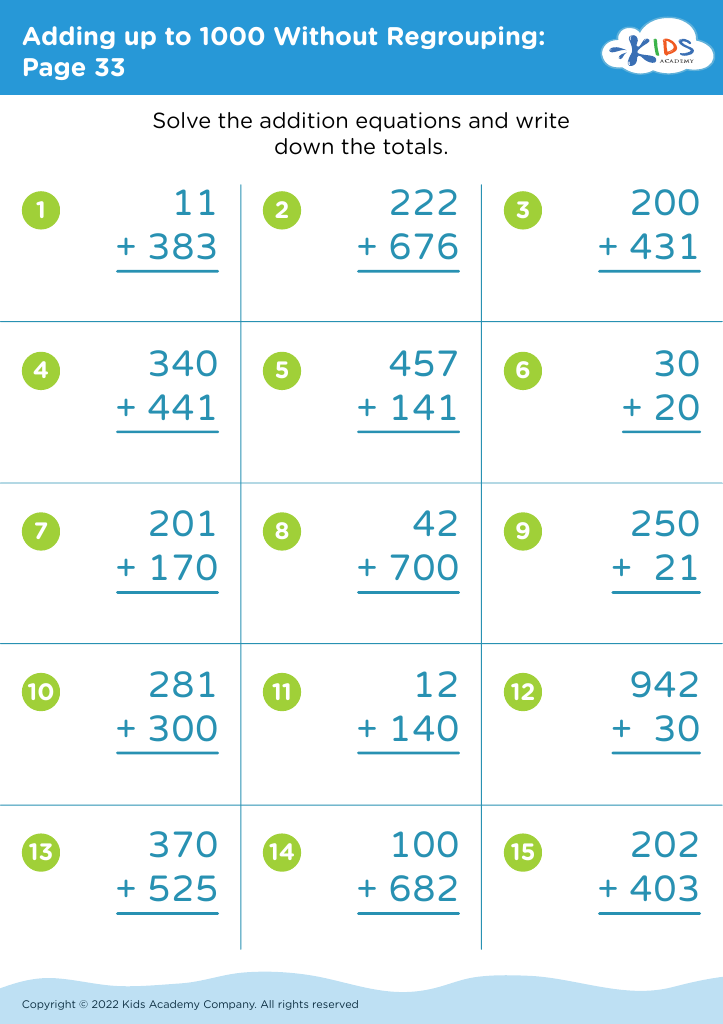
Enhance your child's learning with our Visual-Motor Skills Addition Worksheets, specially crafted for ages 5-7. These engaging worksheets focus on developing your child's visual-motor coordination, a critical skill for handwriting, sports, and daily tasks. Our fun, interactive addition problems not only make learning math enjoyable, but also help young learners improve their hand-eye coordination as they draw, trace, and solve. Perfect for kindergarten and first-grade students, these worksheets provide a balanced approach to education, blending math practice with fine motor development. Visit us today to give your child the tools they need to succeed!




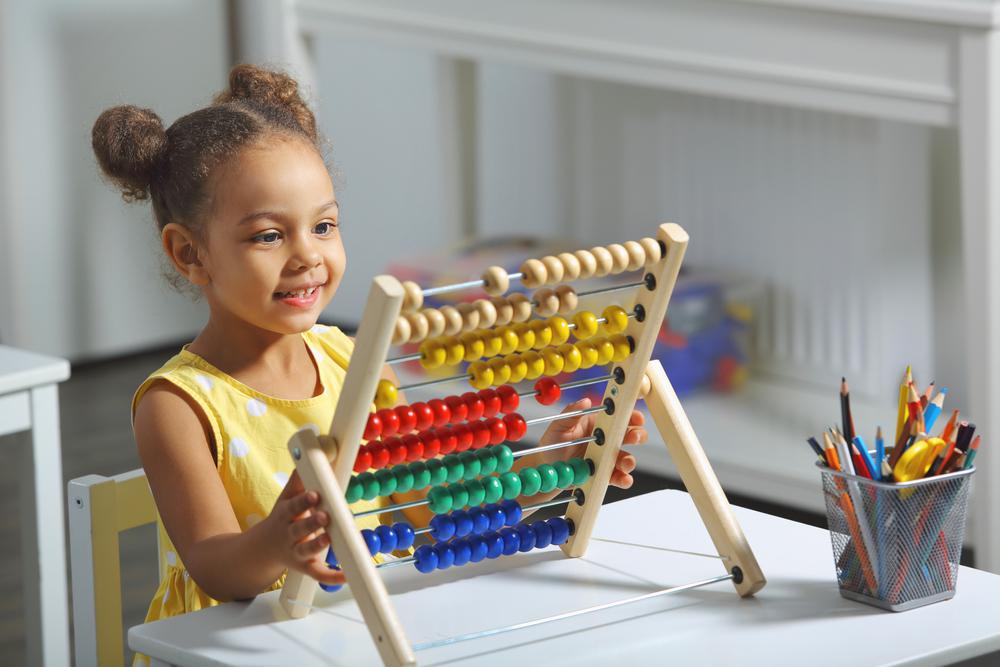



Visual-motor skills, the coordination between visual perception and physical movement, are crucial for children ages 5-7 as they lay the foundation for a variety of essential life skills. For parents and teachers, fostering these skills means promoting overall development and academic success. Activities that enhance visual-motor skills, such as drawing, cutting with scissors, or playing catch, sharpen children's ability to coordinate their eyes with their hands, which is vital for writing, reading, and even numerical tasks like addition.
Early proficiencies in these areas lead to better hand-eye coordination, allowing children to write legibly, space their words properly, and excel in structured fine motor activities. Visual-motor integration also impacts other subjects like math, where children must align numbers correctly and understand spatial relationships. Poor visual-motor skills could lead to frustrations, hindered academic performance, and a reluctance to engage in educational activities.
By investing in strategies to improve visual-motor skills, such as using educational games or structured physical activities, parents and teachers help set a solid foundation for cognitive and academic development. This holistic growth promotes confidence, a positive attitude towards learning, and better preparedness for future educational challenges. Thus, caring about visual-motor skills adds substantial value to early childhood development.








