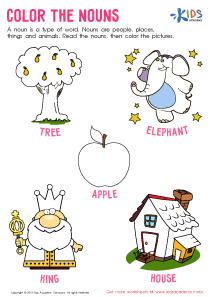
Comparing quantities Comparing Numbers Worksheets for Ages 5-7
3 filtered results
-
From - To
Welcome to our "Comparing Quantities and Comparing Numbers Worksheets" designed specifically for children ages 5-7. These engaging worksheets are perfect for young learners, helping them understand the concepts of more, less, and equal. With fun visuals and interactive exercises, kids will develop essential math skills while boosting their confidence in comparison tasks. Our resources promote critical thinking as children learn to compare different groups of objects and numbers effectively. Whether at home or in the classroom, these worksheets provide a fantastic way for children to practice and gain mastery in comparing quantities, laying a strong foundation for future math success!
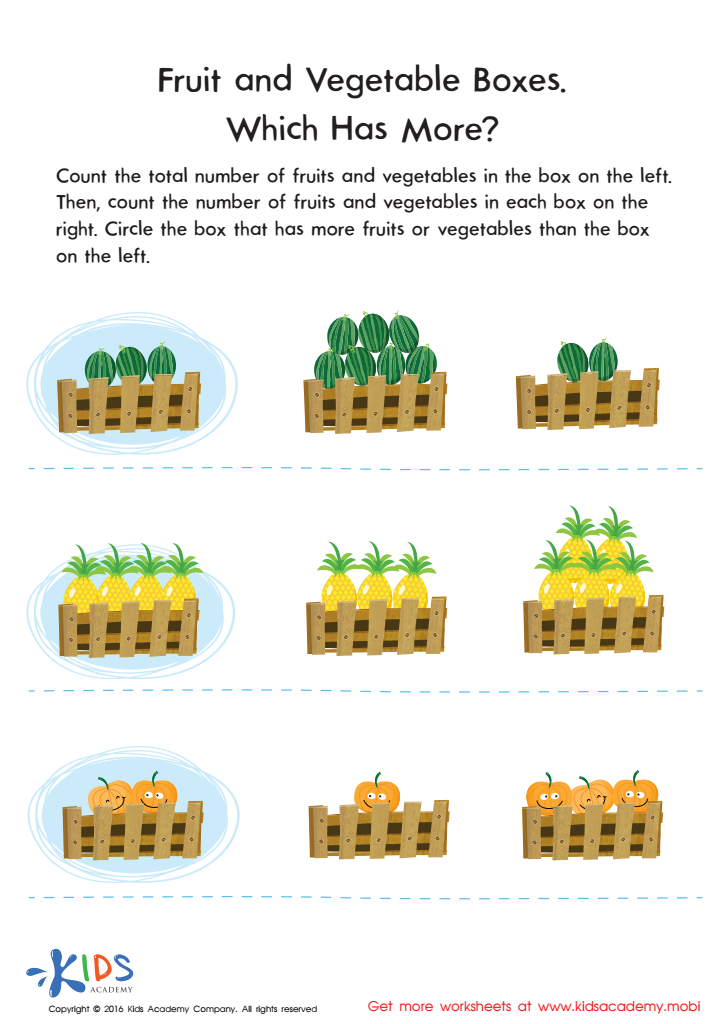
Which Has More? Size Worksheet
 Assign to My Students
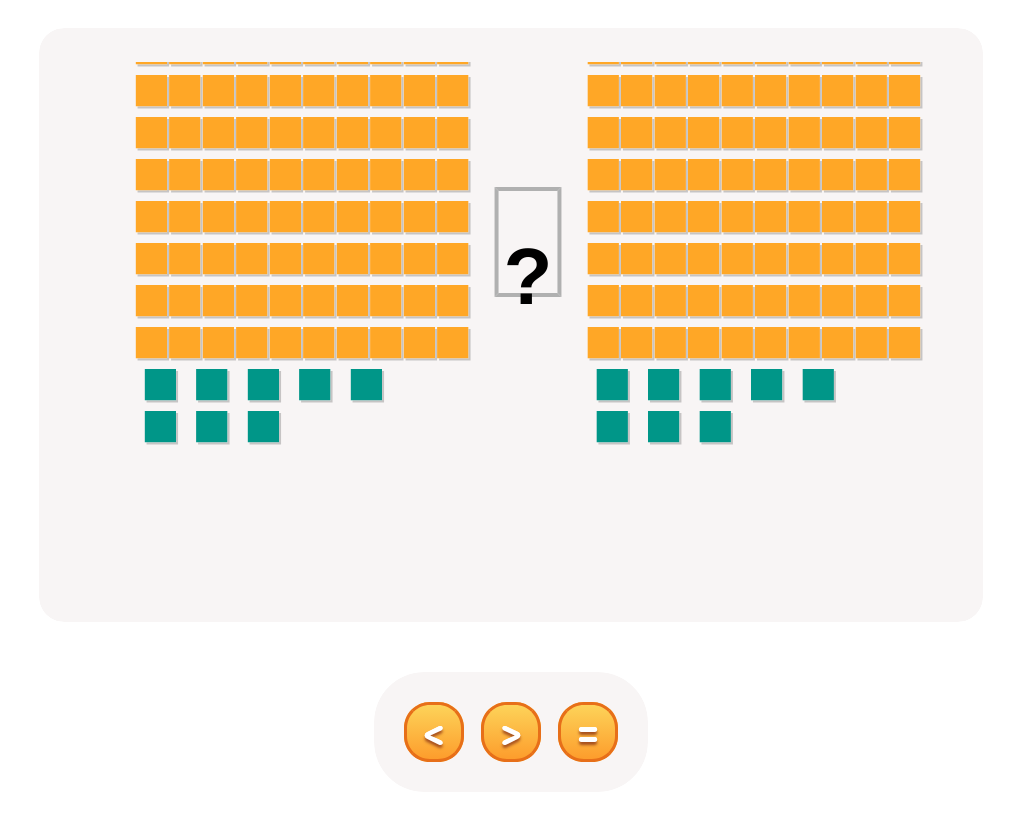

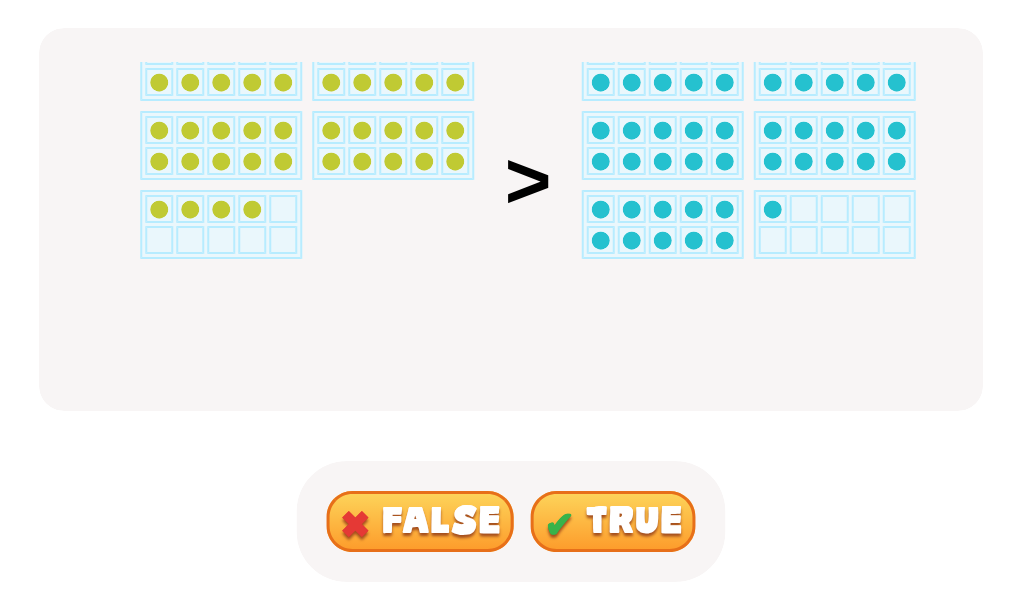
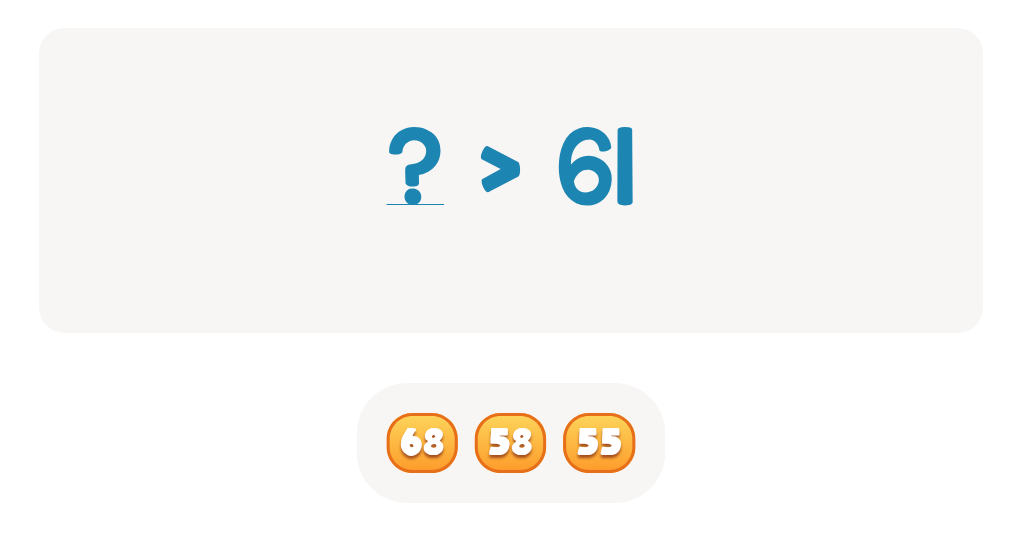
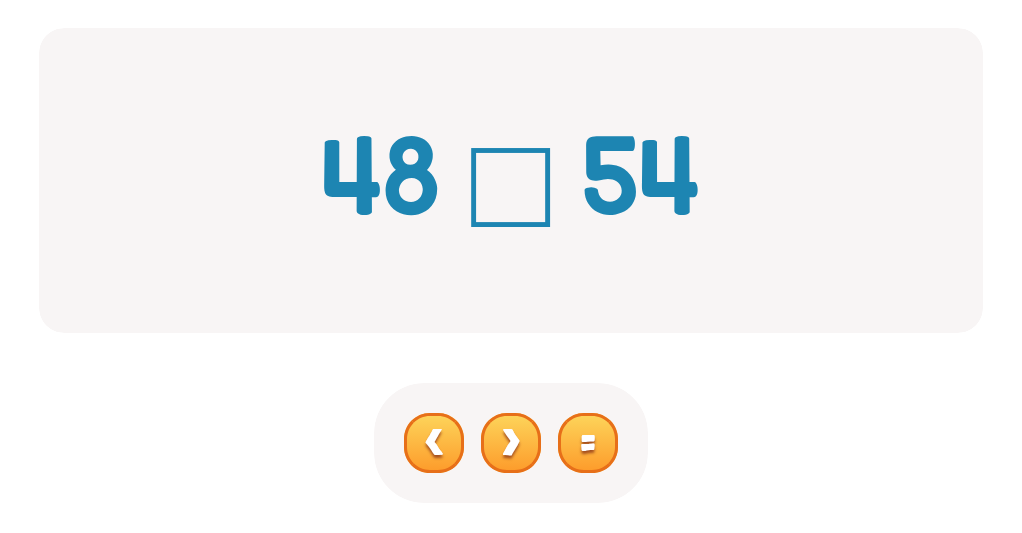
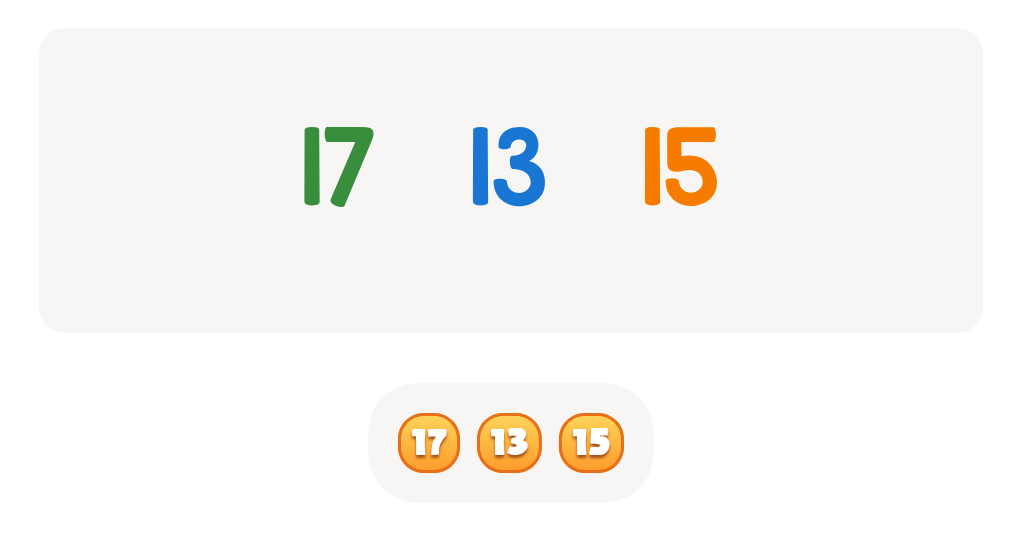
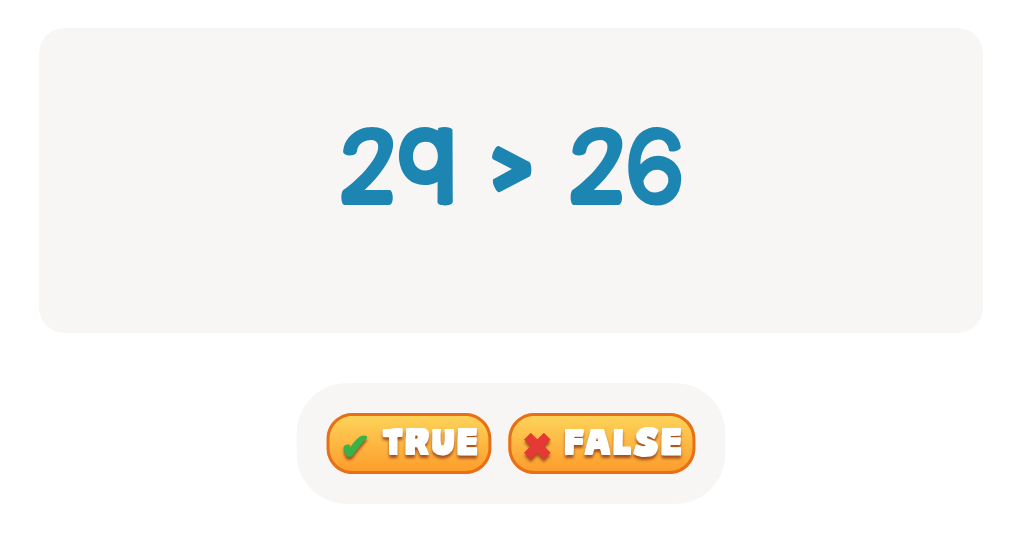
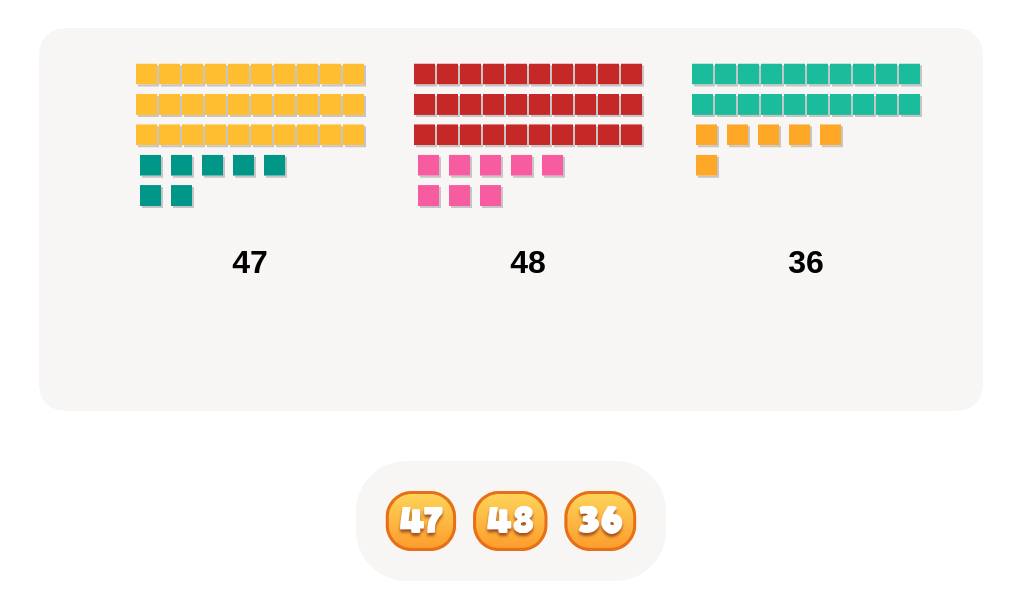
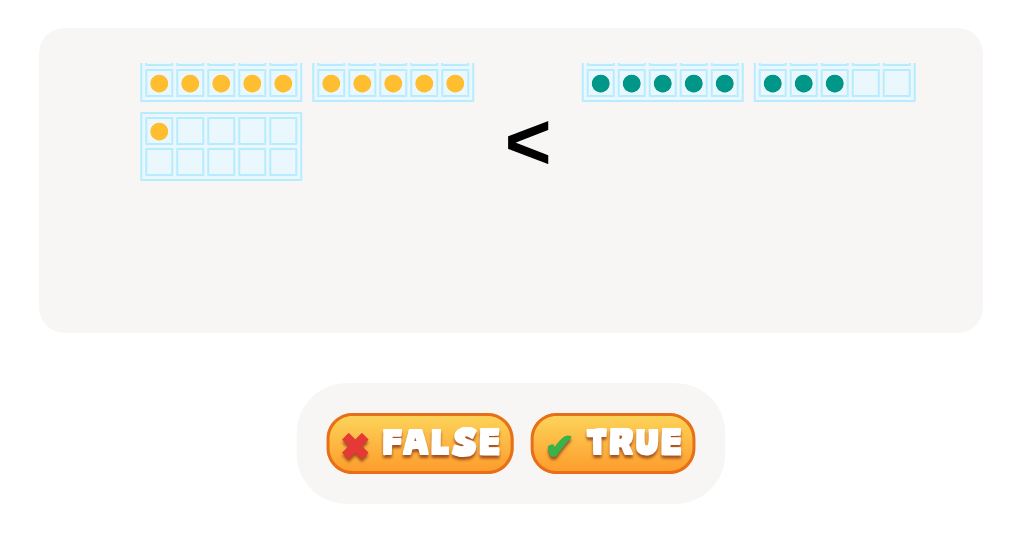
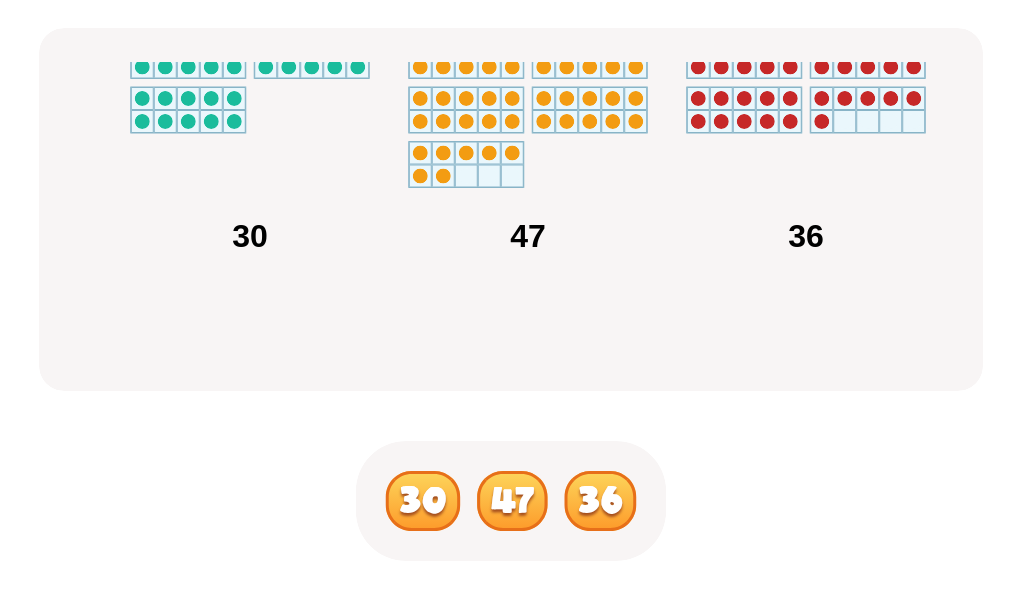
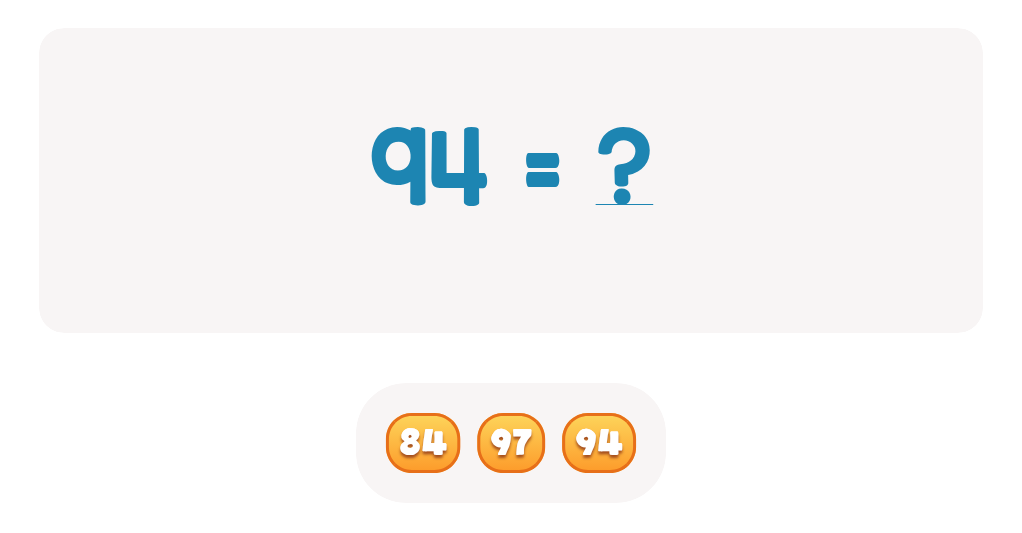
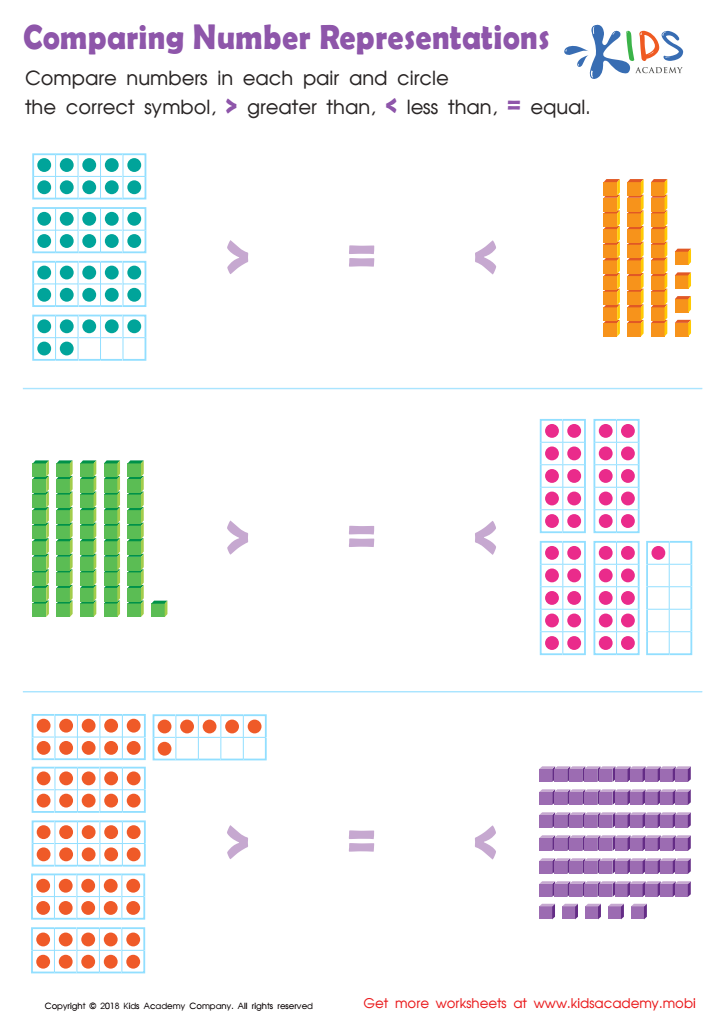
Comparing Number Representations Worksheet
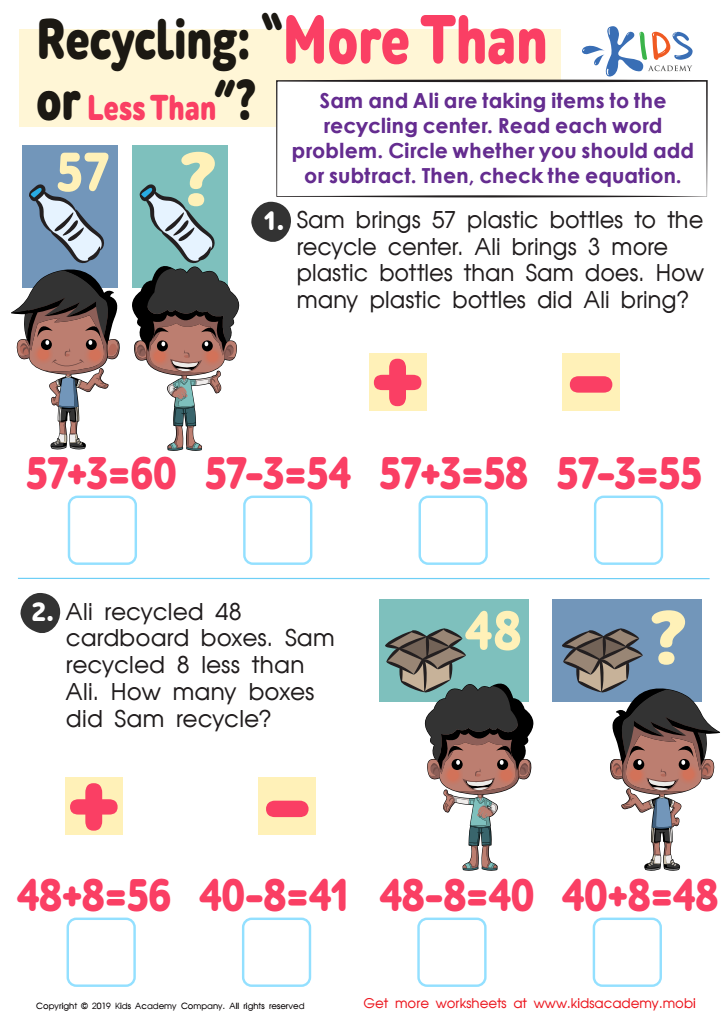
Recycling - More or Less Worksheet








Comparing quantities and comparing numbers is a fundamental skill for children aged 5-7 that forms the basis for their mathematical understanding. For parents and teachers, fostering this skill is vital because it promotes critical thinking and problem-solving abilities. When children learn to compare quantities, they develop a sophisticated understanding of concepts like greater than, less than, and equal to. This enables them to make sense of real-world scenarios, such as understanding prices while shopping or measuring ingredients during cooking.
Moreover, comparing quantities lays the groundwork for future mathematical concepts. As children progress in their education, they will encounter more complex operations such as addition, subtraction, multiplication, and division. A strong foundation in comparing numbers equips them to tackle these challenges more confidently.
In addition, engaging in activities that involve comparing quantities can enhance children's reasoning abilities and boost their self-esteem. It encourages discussions, interactions, and collaborative learning, further enhancing their social skills. Ultimately, parents and teachers should prioritize comparing quantities and numbers as strategic steps in nurturing mathematically proficient learners who are well-prepared for future educational endeavors. Implementing fun games and activities can make learning this skill enjoyable, thereby fostering a lifelong love for math.