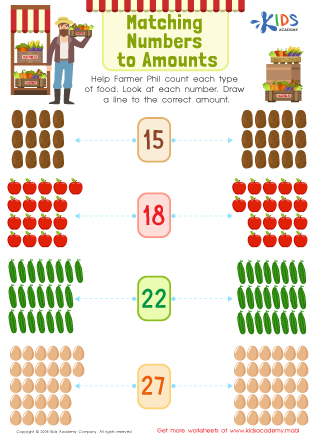
Improving counting skills Comparing Numbers Worksheets for Ages 5-7
3 filtered results
-
From - To
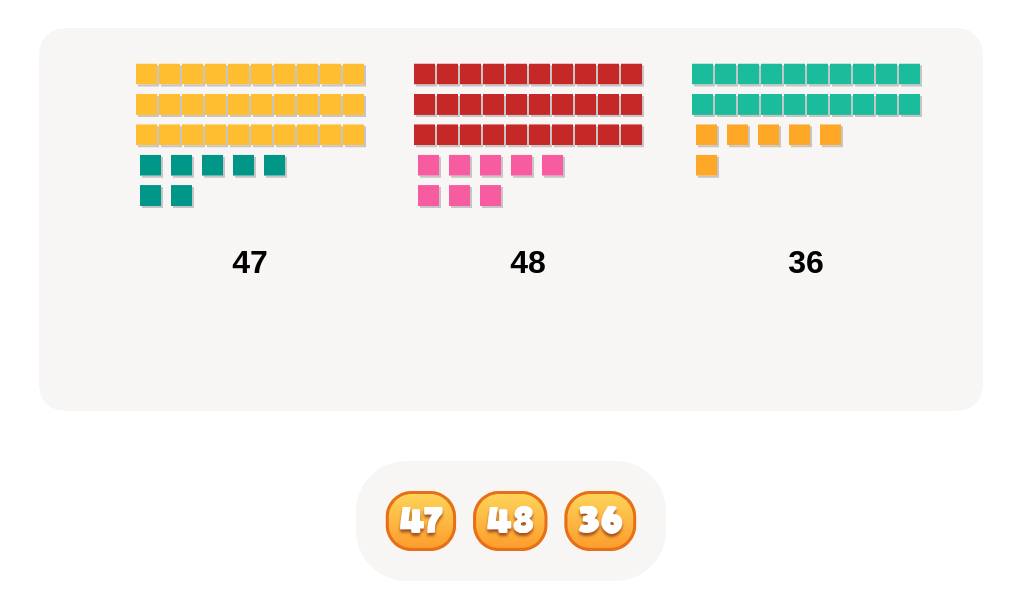
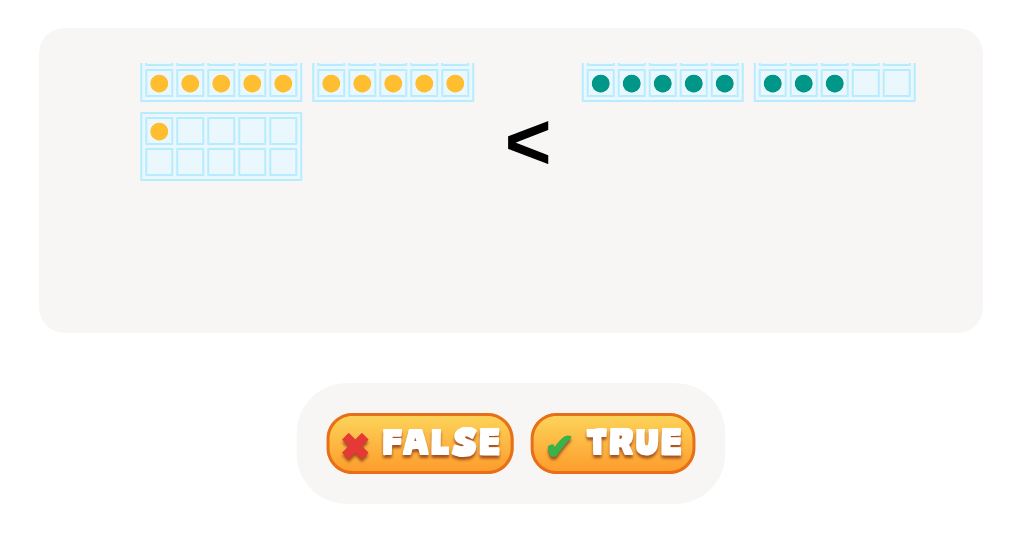
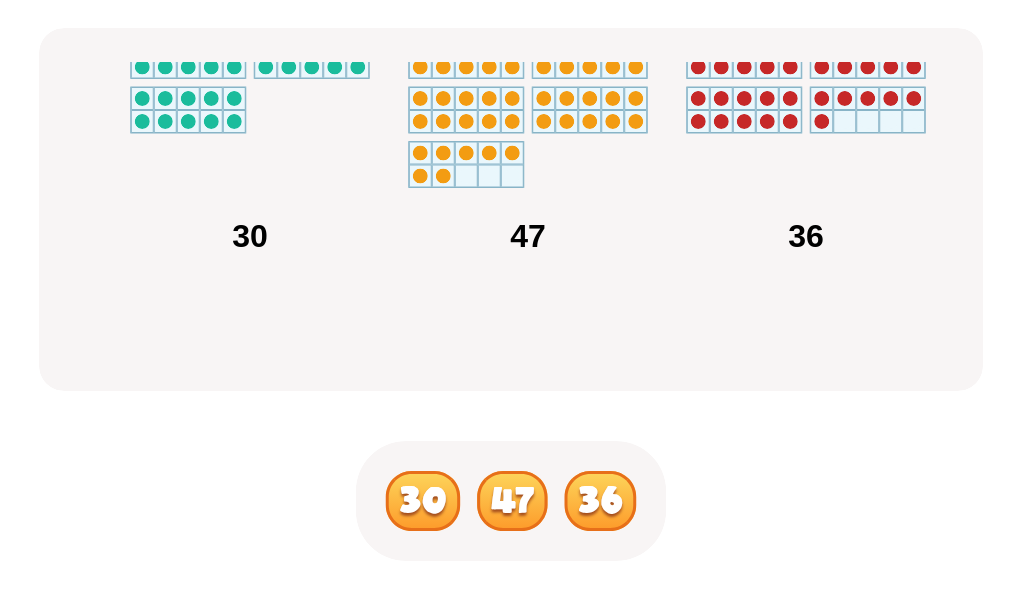
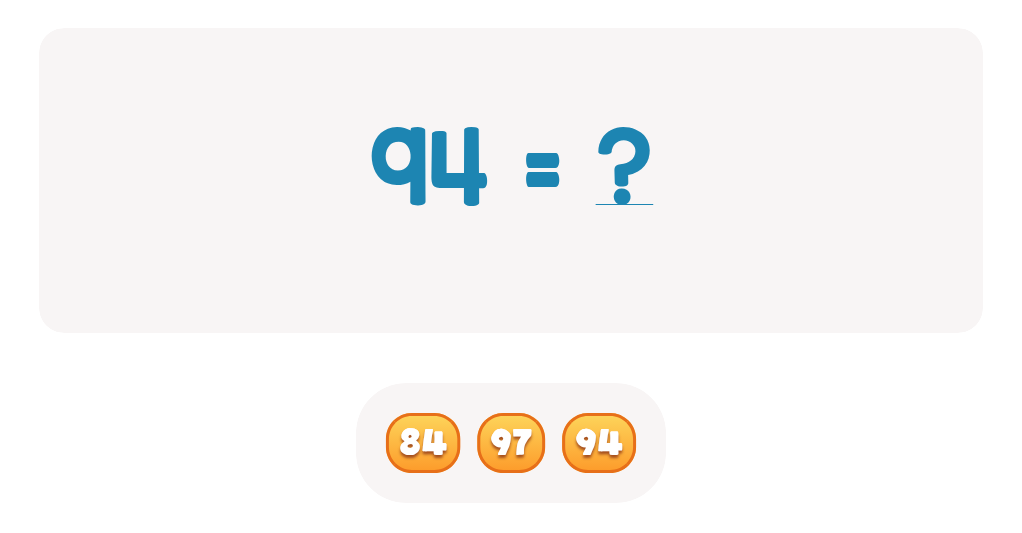
Enhance your child's counting abilities with our "Comparing Numbers Worksheets for Ages 5-7." Specially designed to boost essential math skills, these worksheets focus on comparing quantities and understanding number values. By engaging in fun and interactive activities, children learn to distinguish between greater than, less than, and equal to, fostering a strong mathematical foundation. Perfect for early learners, our printable resources promote confidence and proficiency in counting through hands-on practice. Elevate your child's number sense and reasoning with exciting, age-appropriate exercises that make learning both enjoyable and effective! Explore more and watch your child thrive.
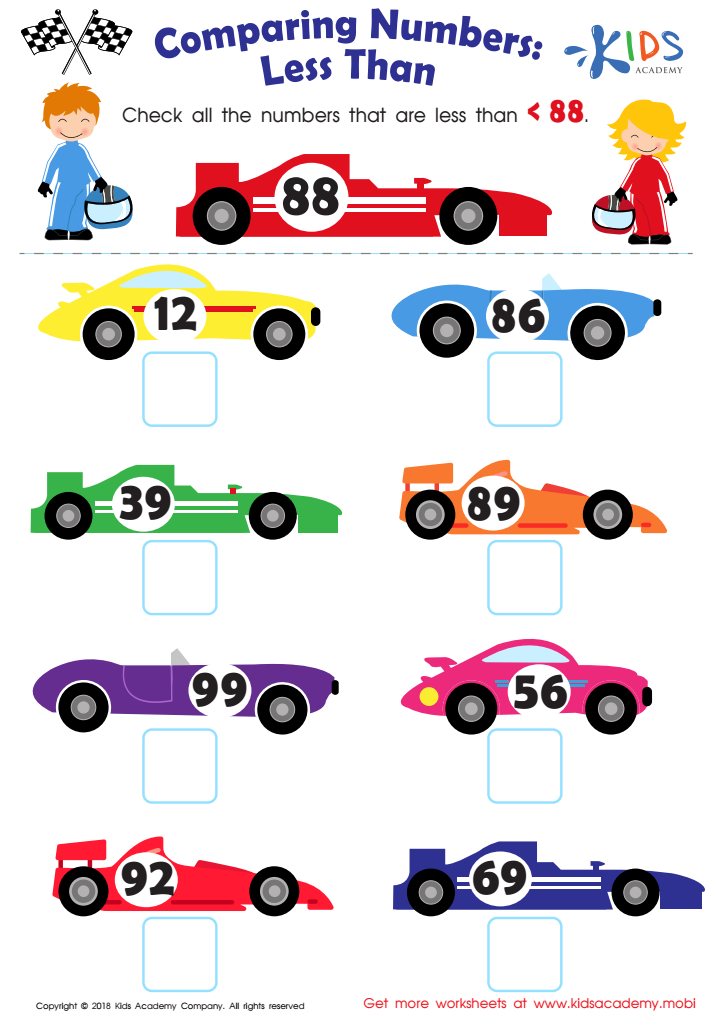
Less Than Worksheet
 Assign to My Students
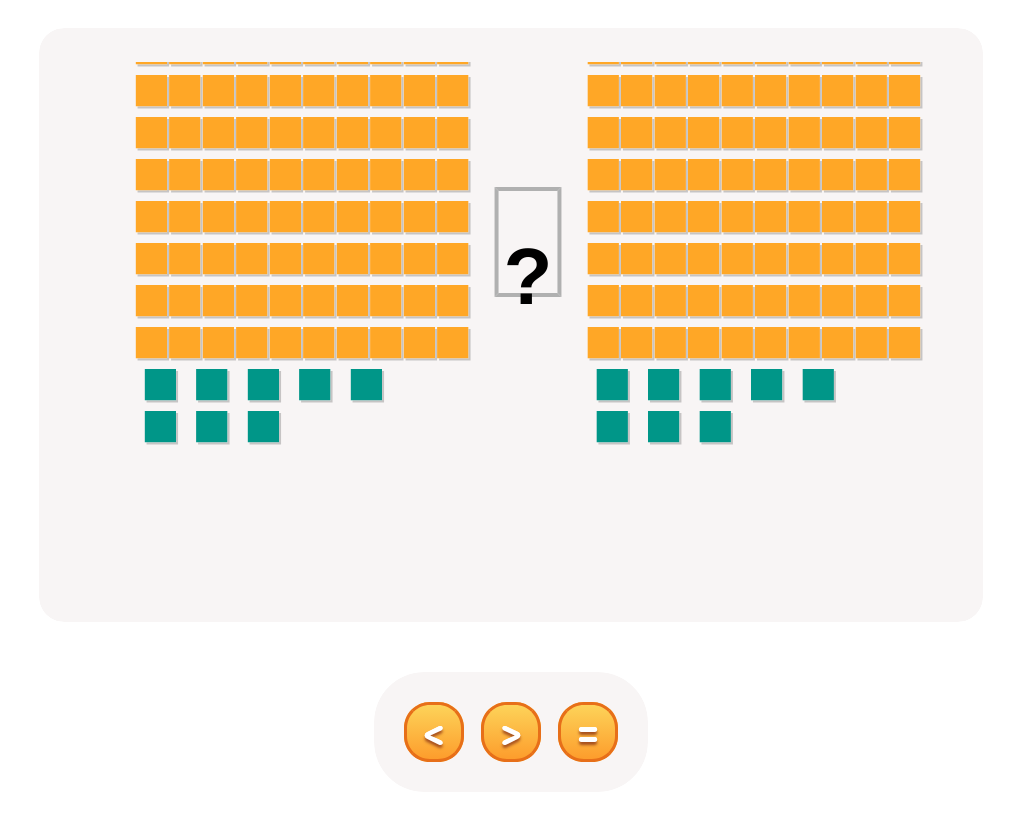

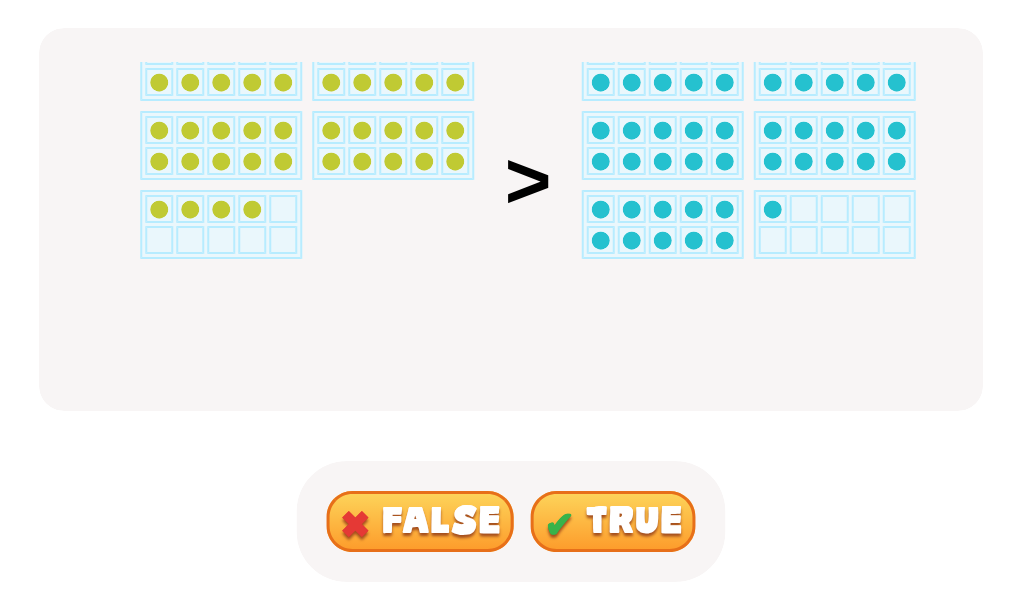
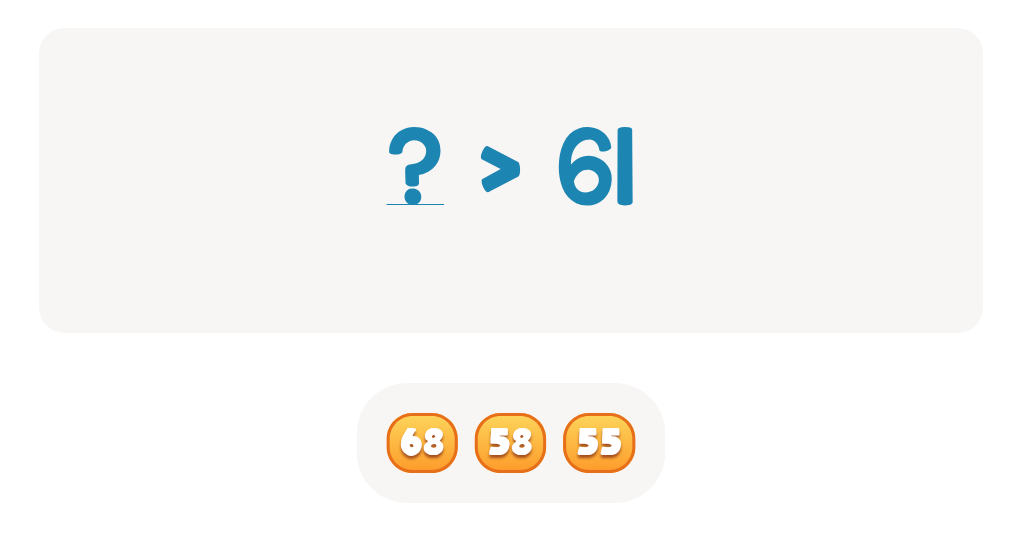
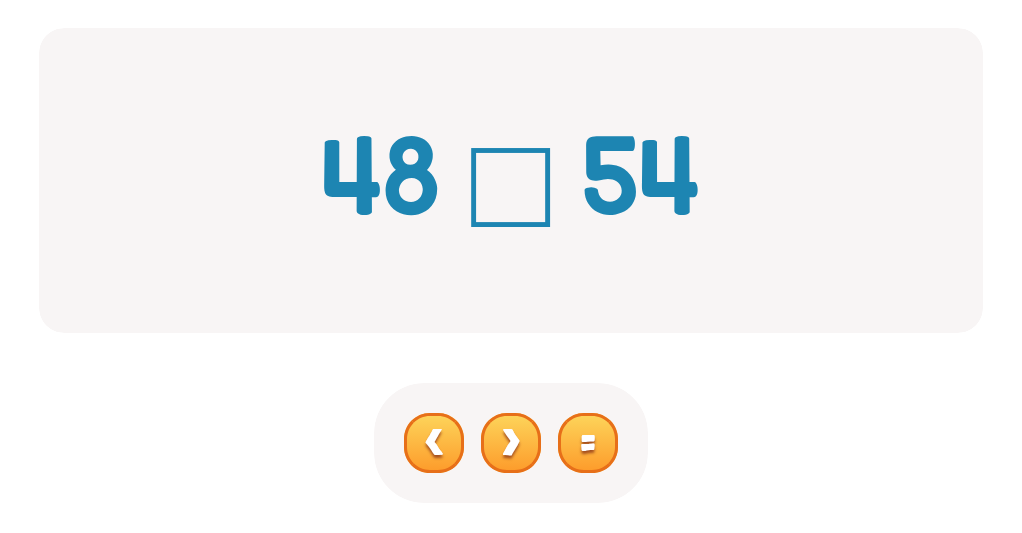
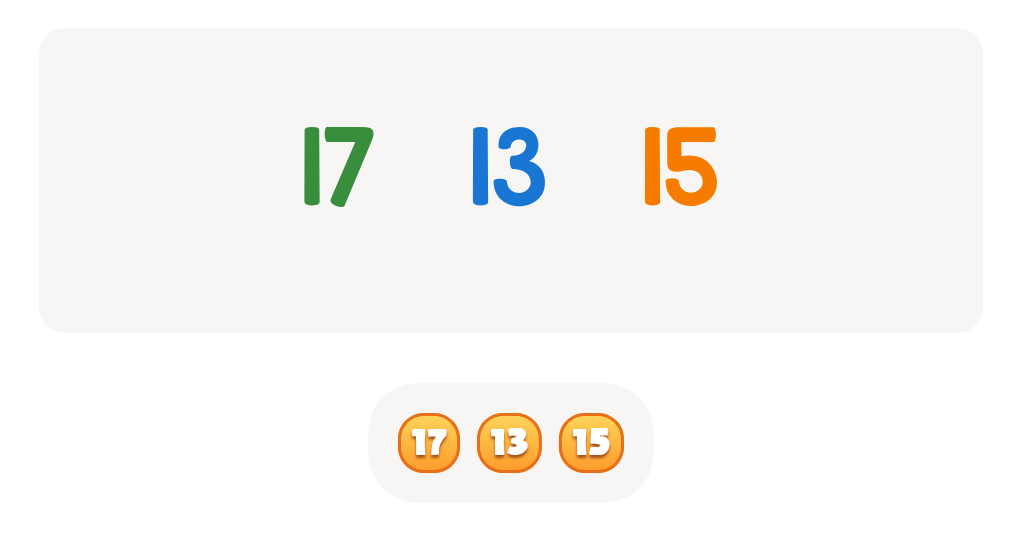
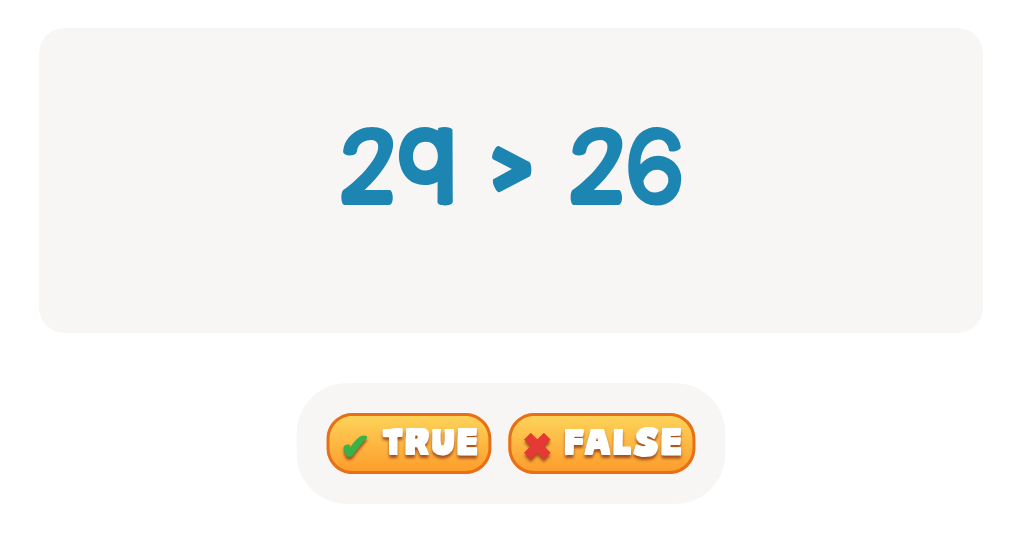
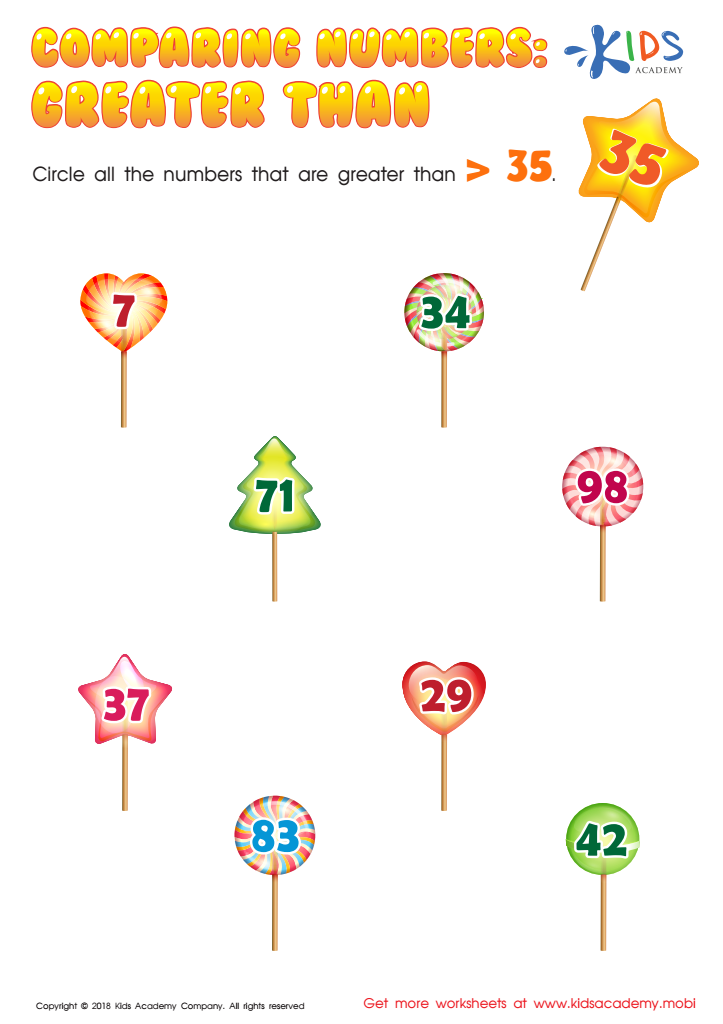
Greater Than Worksheet
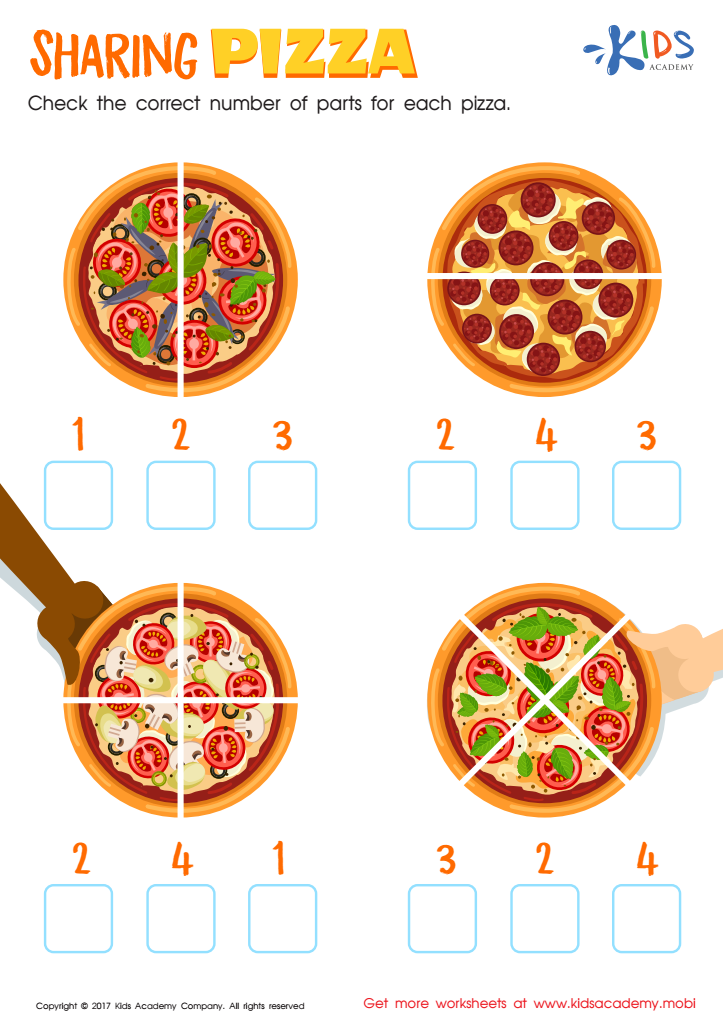
Sharing Pizza Worksheet








Improving counting skills and the ability to compare numbers for children ages 5-7 is critically important for several reasons. First, these skills serve as foundational building blocks for all future math learning. Early mastery in counting and number comparison not only enhances confidence but also fosters a positive attitude toward mathematics as a subject. When children can confidently count and compare numbers, they are essentially learning the rules and patterns that underlie our number system.
Second, these skills have real-world applications. Simple tasks such as sorting objects, understanding quantity, making fair trades, and even telling time rely on a basic understanding of counting and numerical comparison.
Furthermore, early mastery of these skills has been linked to stronger mathematical and academic performance in later years. Children who struggle with early number concepts may find it difficult to catch up with peers, leading to frustration and a sense of inadequacy that can affect their overall academic experience.
Lastly, improving these skills promotes critical thinking and problem-solving abilities. Comparing numbers requires making decisions about greater than, less than, or equal to situations, fostering logical thinking processes.
In summary, focusing on these skills prepares children for future academic success, boosts their confidence, and equips them with essential life skills. Parents and teachers play a crucial role in nurturing these abilities through engaging activities and positive reinforcement.