Alphabet Recognition Math Worksheets for Ages 5-7
6 filtered results
-
From - To
Help your young learners master the building blocks of literacy with our engaging Alphabet Recognition Math Worksheets designed for ages 5-7! These printable worksheets combine fun and educational activities, enabling children to practice their letter recognition while exploring early math concepts. Each worksheet features vibrant illustrations and interactive exercises that make learning enjoyable. Tailored to enhance fine motor skills, cognitive abilities, and problem-solving techniques, these resources are perfect for home or classroom use. Support your child’s educational journey and watch their confidence flourish as they become proficient in both the alphabet and essential math skills. Start their learning adventure today!
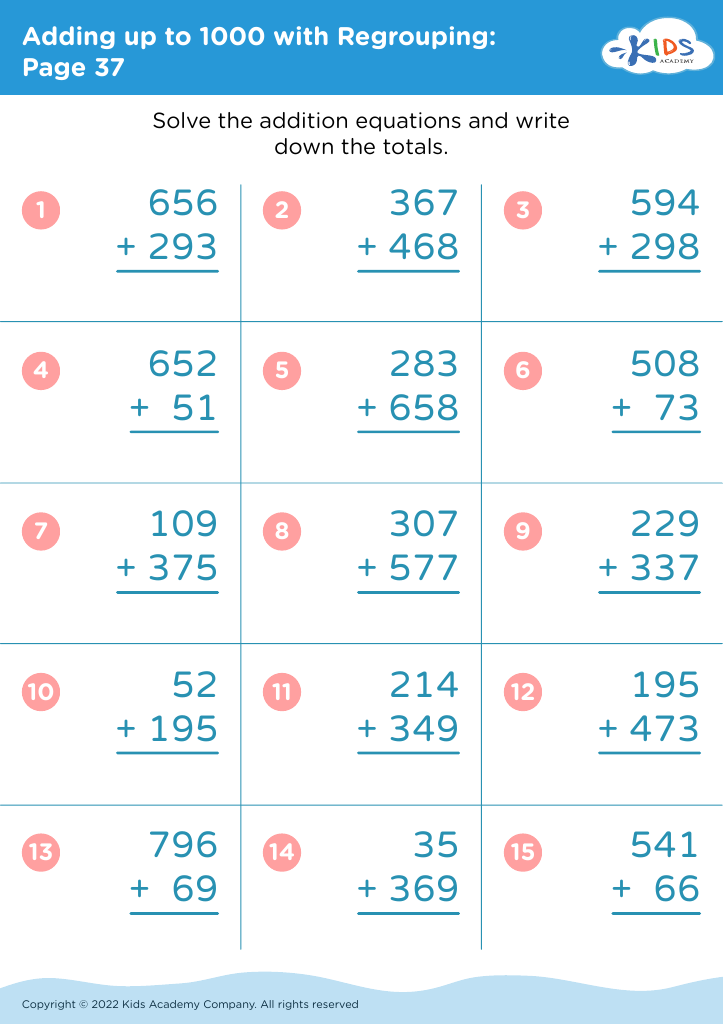
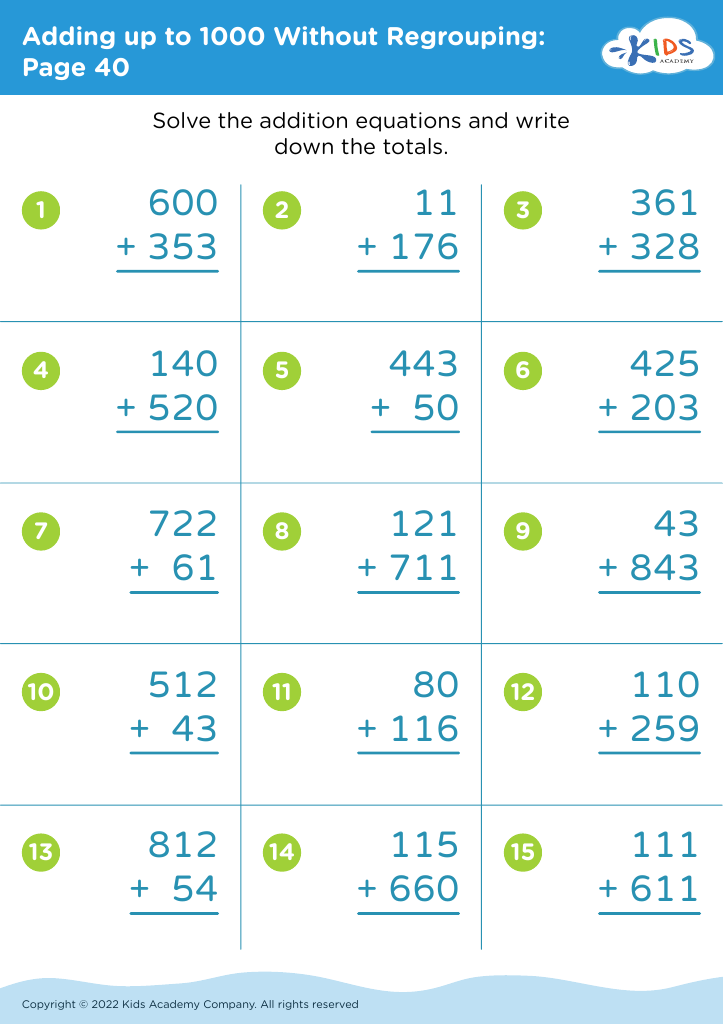
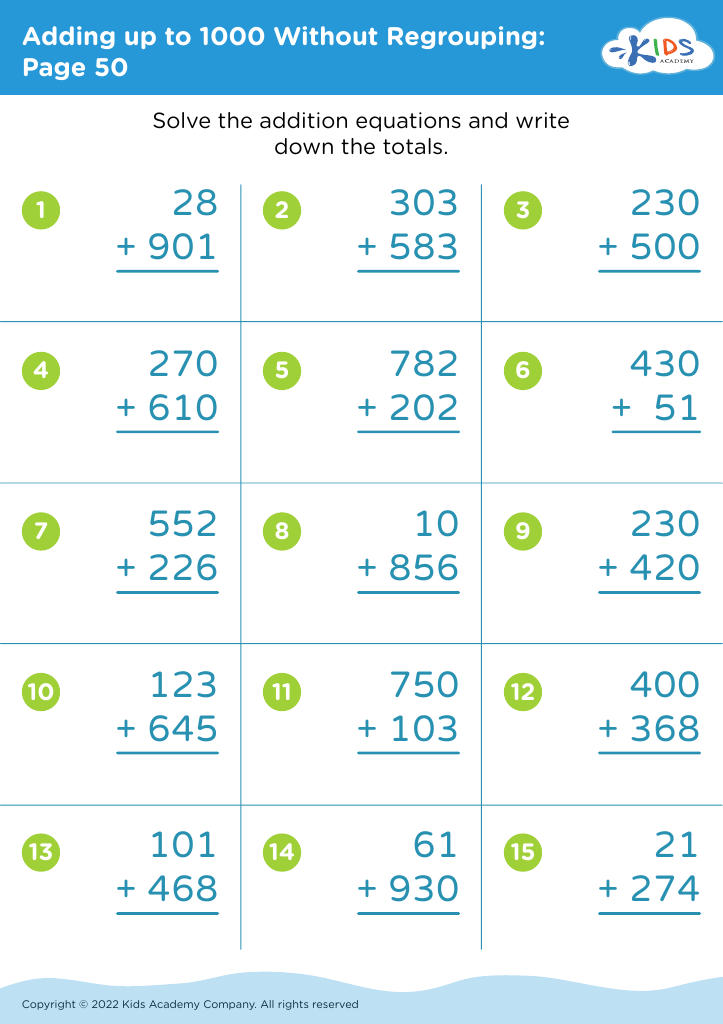
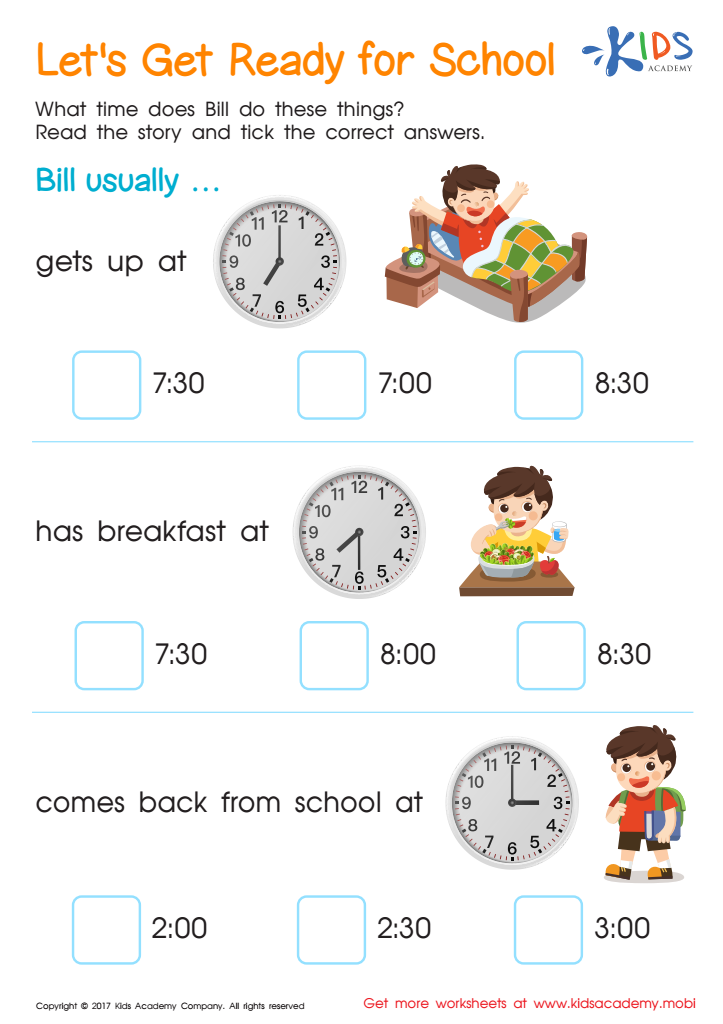
Lets Get Ready For School Time Printable
 Assign to My Students
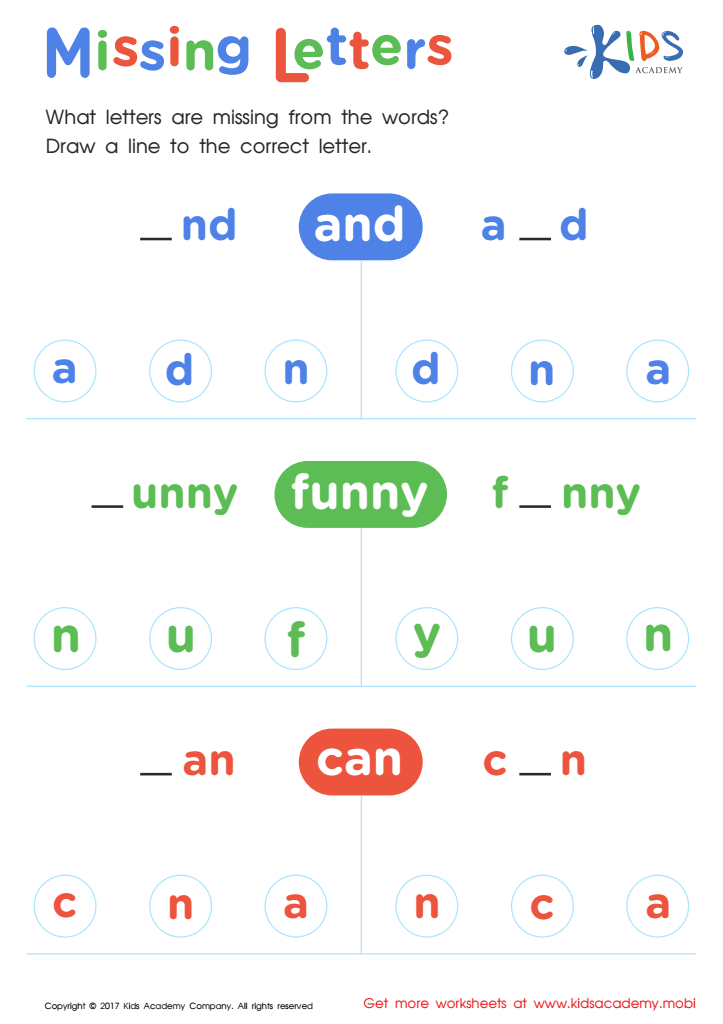
Missing Letters Worksheet








Alphabet recognition is a foundational skill for children aged 5-7 that serves as a critical building block for their academic journey. For parents and teachers, fostering this skill is important for several reasons.
Firstly, alphabet recognition plays a pivotal role in literacy development. Children who can recognize letters are better prepared to read, write, and spell, which contributes to their overall academic success. Understanding letters and their corresponding sounds promotes phonemic awareness, a vital skill for reading fluency.
Secondly, alphabet recognition enhances cognitive development. Engaging with letters stimulates children’s brains, encouraging them to recognize patterns and make connections. This cognitive engagement lays the groundwork for future learning in subjects like mathematics and science as it builds essential skills such as sorting, categorizing, and sequencing.
Furthermore, alphabet recognition supports social-emotional growth. As children develop confidence in their letter recognition, they become more motivated to participate in classroom activities and discussions, fostering a love for learning.
In summary, prioritizing alphabet recognition in early education is instrumental for literacy skills, cognitive growth, and emotional engagement, making it an essential responsibility of both parents and teachers in shaping well-rounded learners.








