Associative learning Math Worksheets for Ages 5-7
4 filtered results
-
From - To
Discover our engaging Associative Learning Math Worksheets designed specifically for ages 5-7! These worksheets promote essential mathematical skills through fun, interactive activities that encourage children to explore relationships between numbers and foster a deeper understanding of addition and subtraction. By incorporating visual aids and real-life examples, our resources make learning math enjoyable and effective. Whether in the classroom or at home, our worksheets provide young learners with a solid foundation in numerical concepts, boosting their confidence and problem-solving abilities. Perfect for reinforcing classroom learning or as supplementary practice, our worksheets are a valuable tool for every young mathematician. Start your learning journey today!
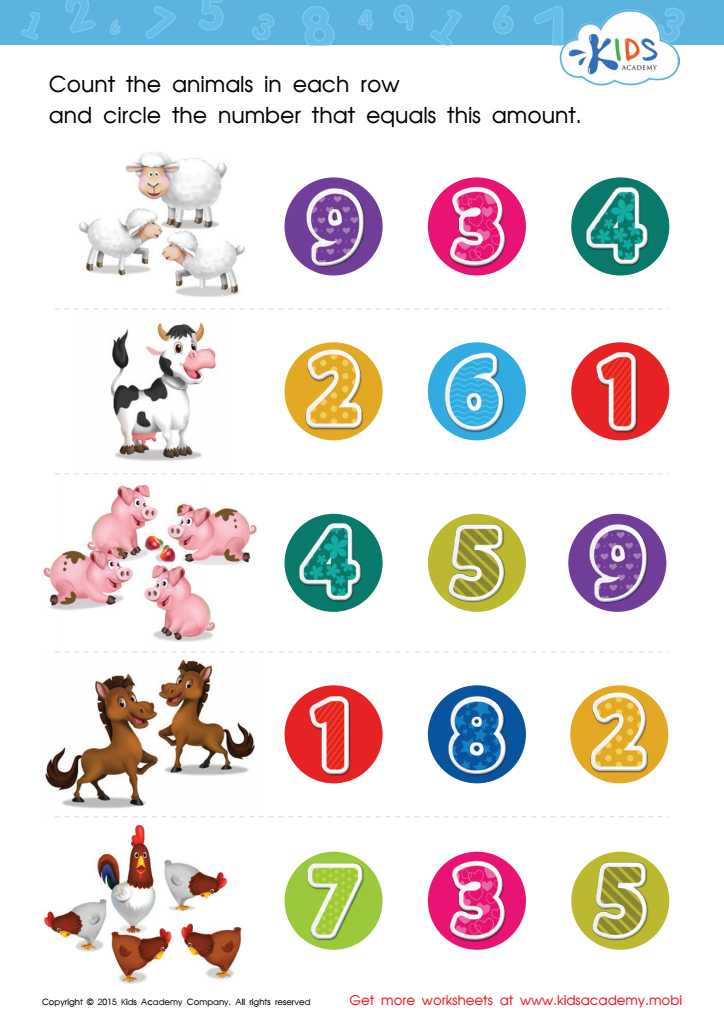
Count and Match 1 – 5 Math Worksheet
 Assign to My Students
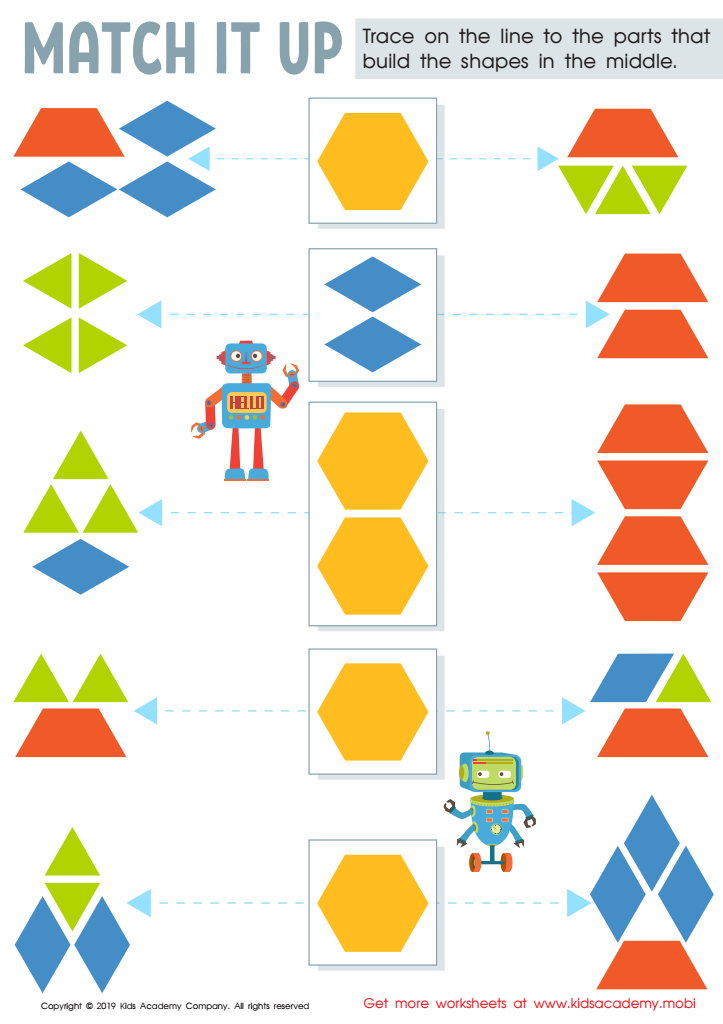
Match It up Worksheet
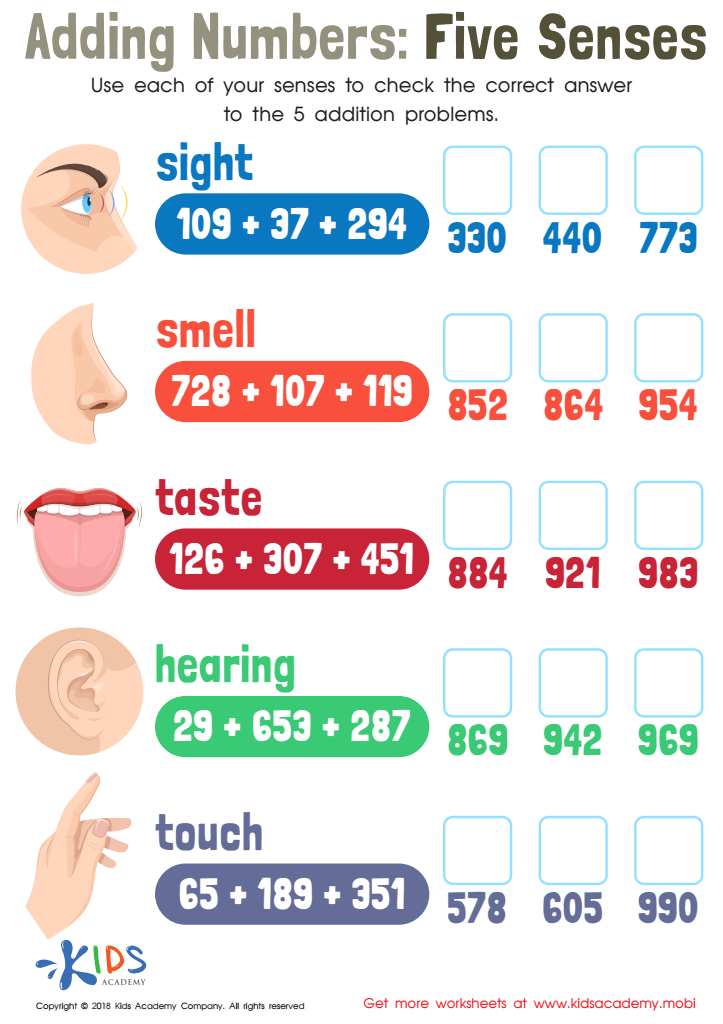
Adding Numbers: Five Senses Worksheet
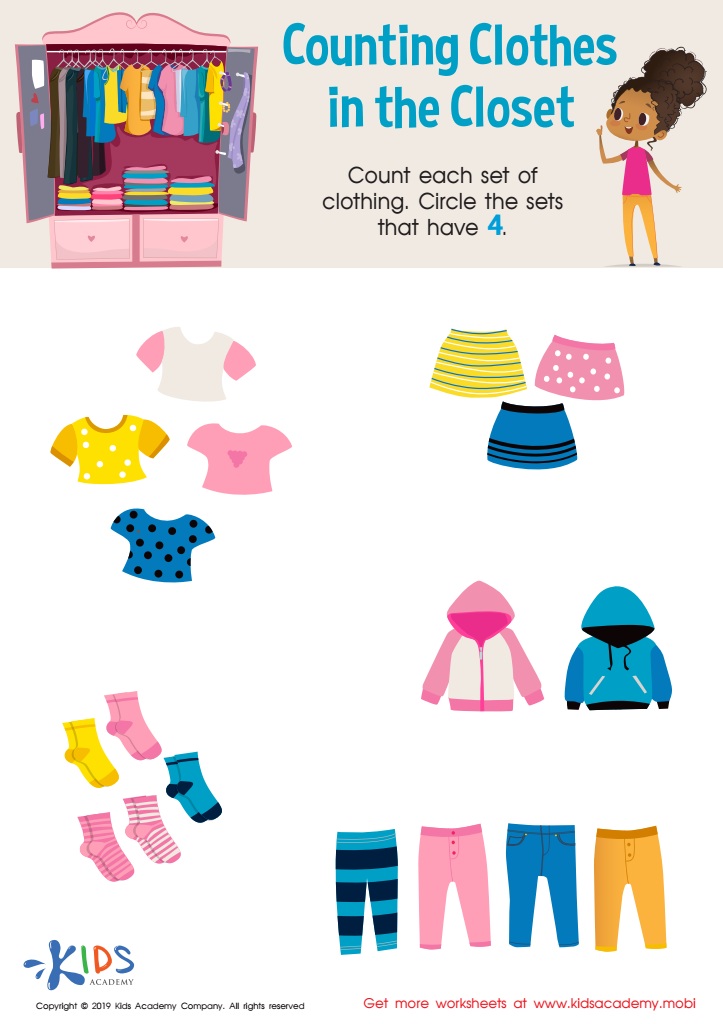
Counting Clothes Worksheet








Associative learning in math, particularly for children aged 5 to 7, is crucial for building a strong foundation in mathematical understanding. During these formative years, children learn best through connections and relationships, rather than through rote memorization. Associative learning involves making associations between numbers, patterns, and mathematical concepts, which enhances cognitive development and problem-solving skills.
When parents and teachers engage children in associative learning, they encourage the development of critical thinking skills. For example, instead of simply teaching addition as "2 + 3 = 5," educators can help children visualize groups of objects or relate numbers to real-life scenarios, making concepts more relevant and easier to grasp. This relational understanding fosters a deeper comprehension of math rather than superficial recall.
Additionally, promoting associative learning can bolster a child's confidence and enjoyment in math. Helping them see mathematical relationships as intuitive can reduce anxiety often associated with math learning. As children learn to approach problems from various perspectives, they develop resilience and creativity in their thinking.
In conclusion, prioritizing associative learning in math for young children lays the groundwork for future academic success, encourages a love of learning, and equips them with essential life skills. This makes it vital for both parents and teachers to recognize and support this style of learning.








