Basic math learning Math Worksheets for Ages 5-7
3 filtered results
-
From - To
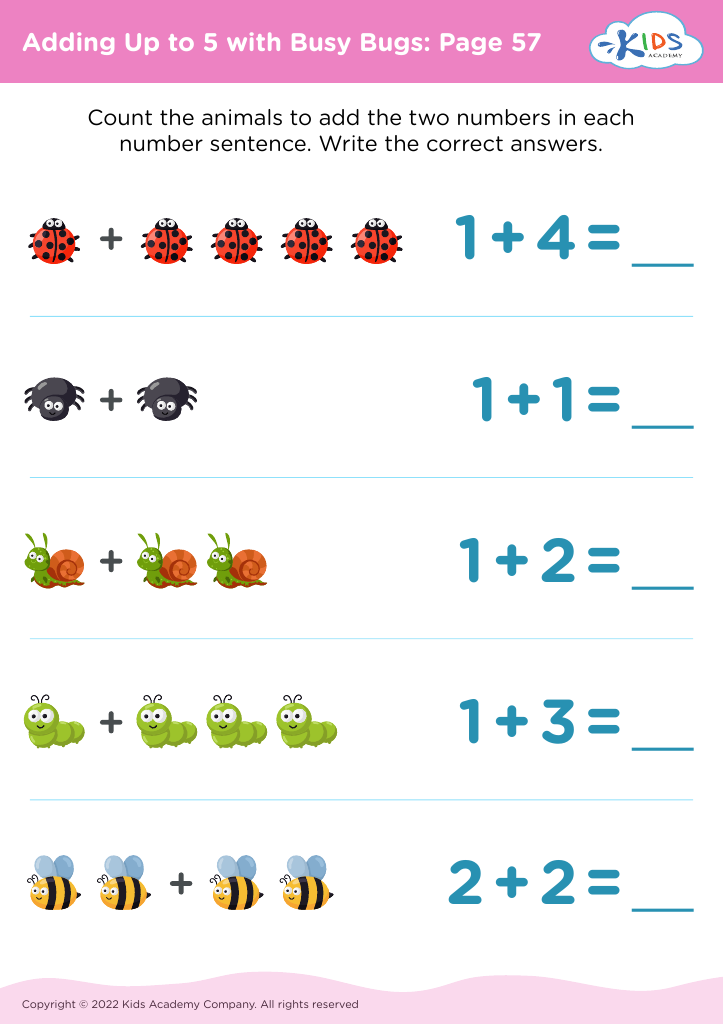
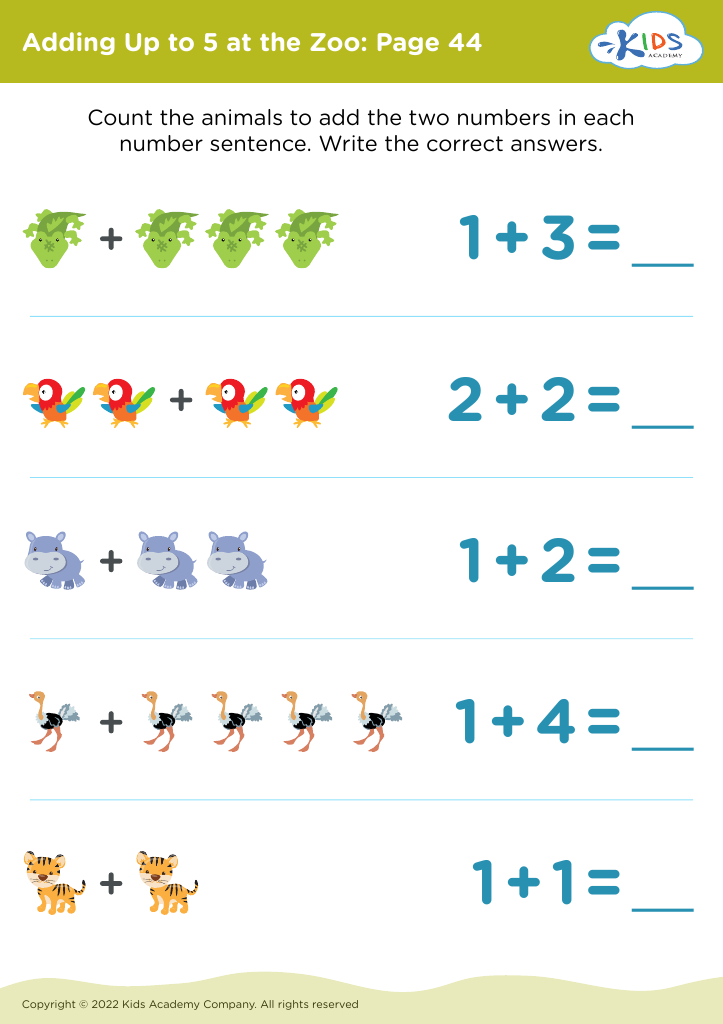
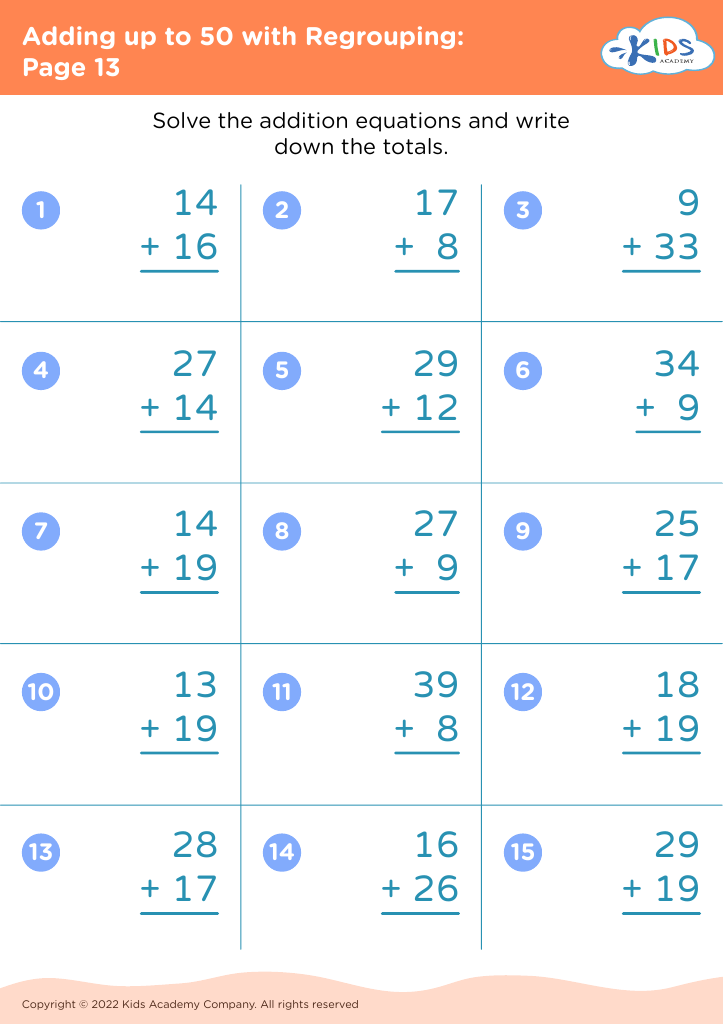
Our Basic Math Learning Worksheets for ages 5-7 provide foundational mathematics practice, essential for young learners. Perfectly tailored for kindergarten to first grade, these worksheets cover fundamental skills including addition, subtraction, counting, and number recognition. Engage your child with fun and educational activities that enhance their problem-solving abilities and build a strong math foundation. Designed by educational experts, our printable resources align with early learning standards to support kids' arithmetic development at home or in the classroom. Give your child the tools they need to succeed in math with our beginner-friendly worksheets.








Basic math learning for children aged 5-7 is foundational and has long-lasting impacts on their academic, cognitive, and everyday life skills. At this young age, children develop critical thinking, problem-solving, and logical reasoning abilities through basic math. These skills are applicable in a wide array of future learning scenarios, from complex mathematical concepts to essential life tasks such as time management and financial literacy.
When children grasp basic math concepts such as counting, addition, and subtraction, they build a strong foundation for more advanced math. Proficiency in these early skills promotes confidence and a positive attitude towards learning, minimizing math anxiety later on.
Moreover, engaging in math activities fosters spatial and sensory development. It encourages children to recognize patterns, shapes, and to make connections with the physical world, enhancing their innate curiosity and creativity.
Parents and teachers play crucial roles in nurturing these early math skills through supportive interactions and structured activities. By prioritizing basic math learning, they empower children to succeed academically and develop a lifelong appreciation for learning, ensuring they are equipped with the essential tools to navigate and succeed in a complex, numerate world. Prioritizing early math education paves the way for academic success and cognitive development, impacting children's futures profoundly.








