Counting practice Math Worksheets for Ages 5-7 - Page 5
358 filtered results
-
From - To
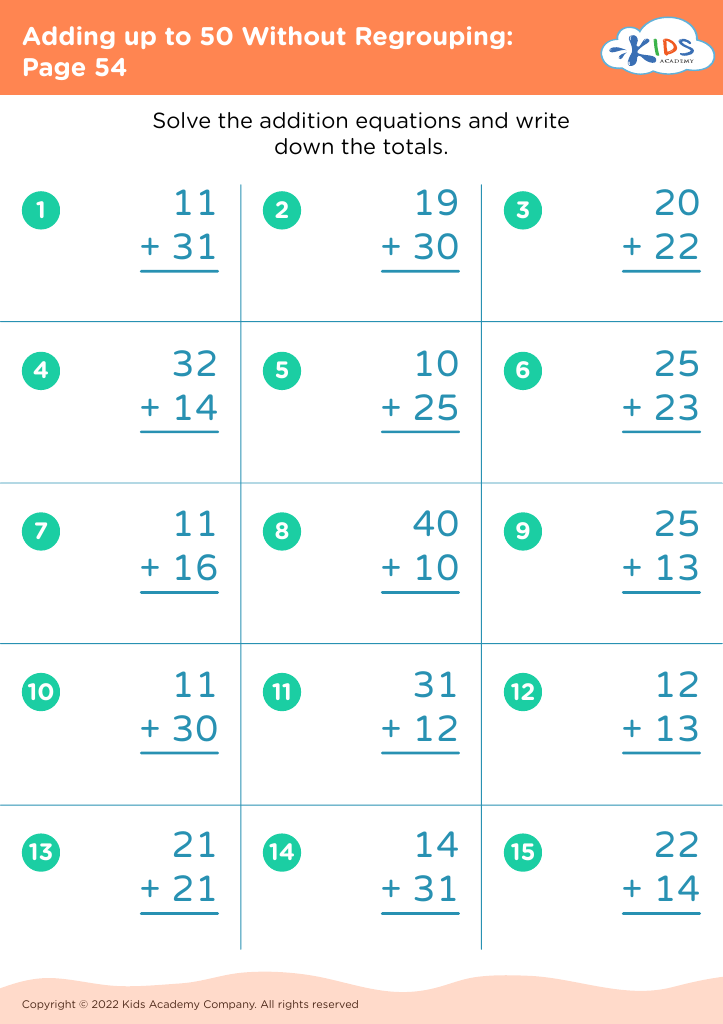
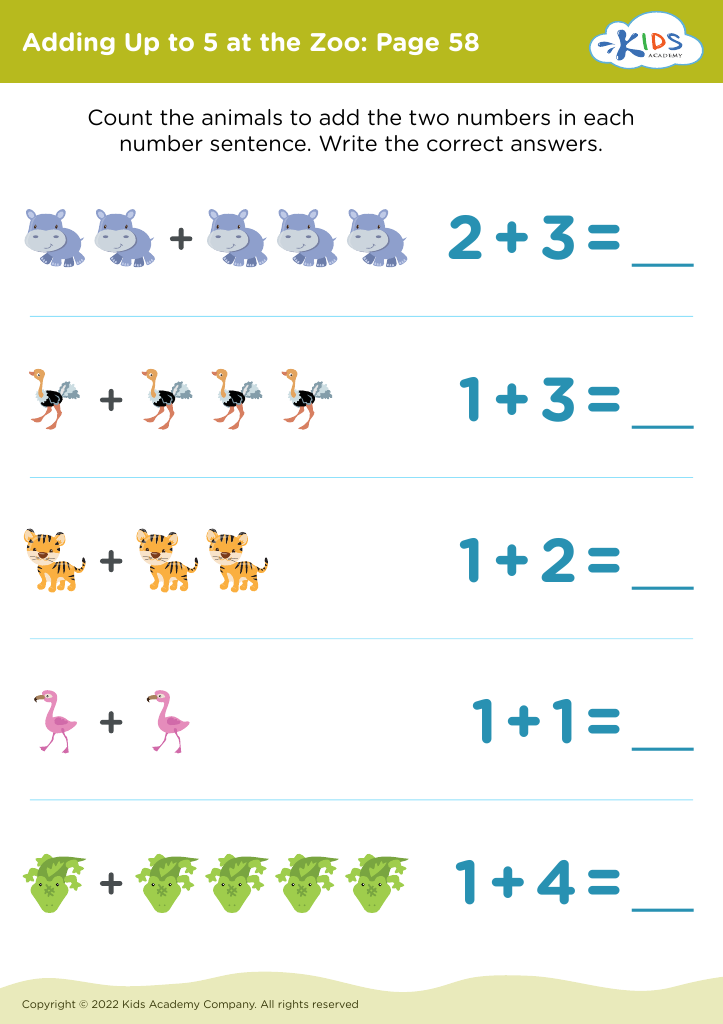
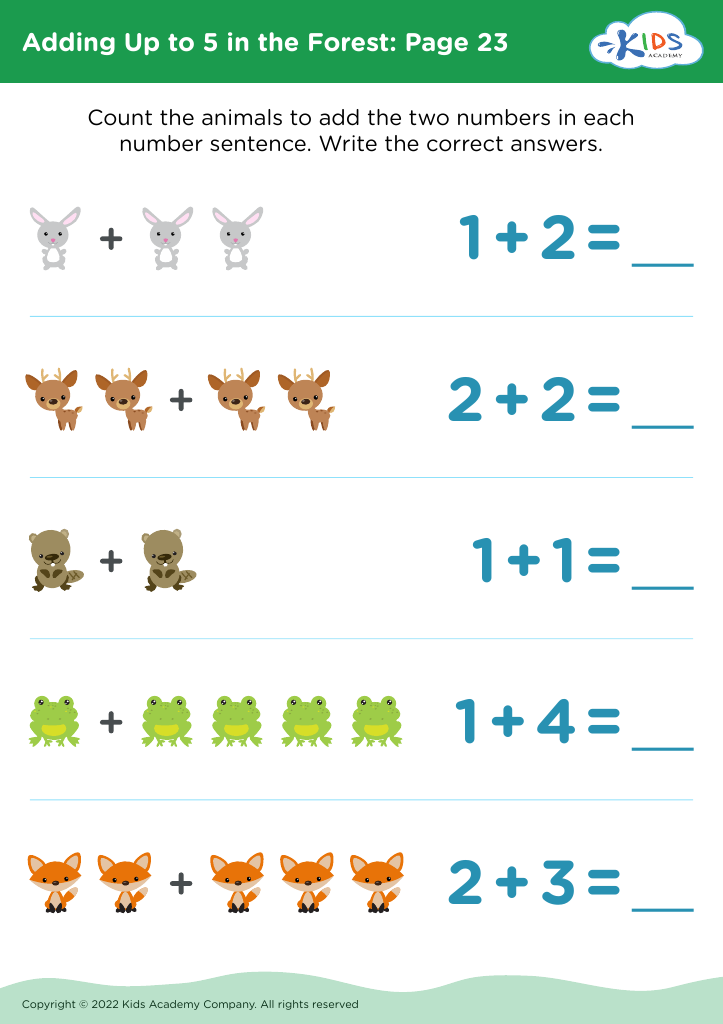
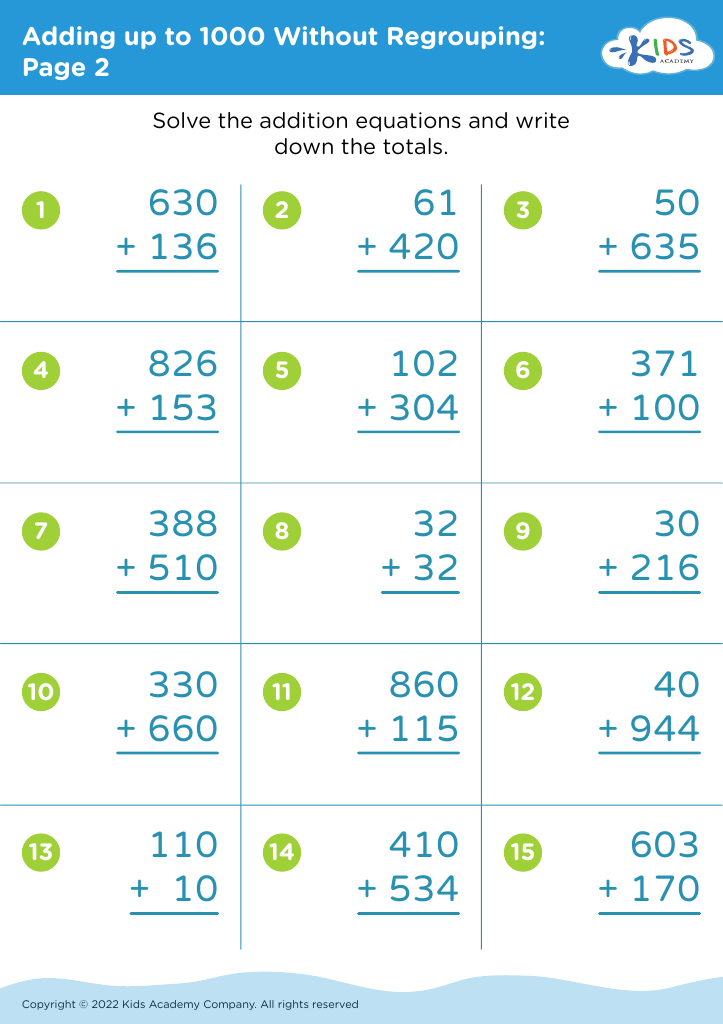
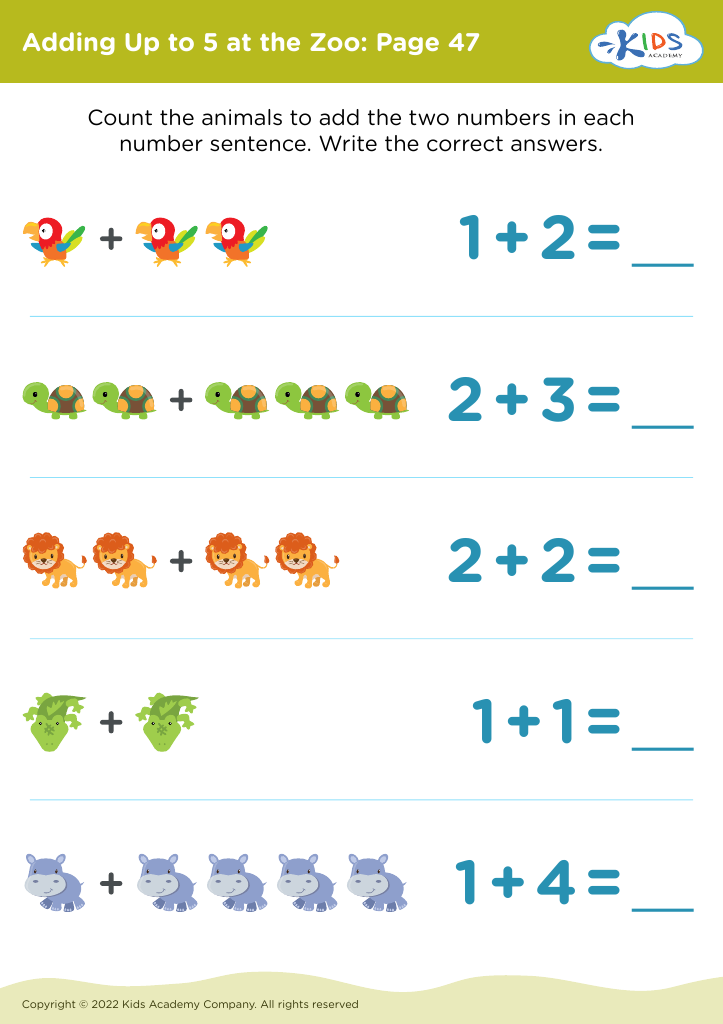
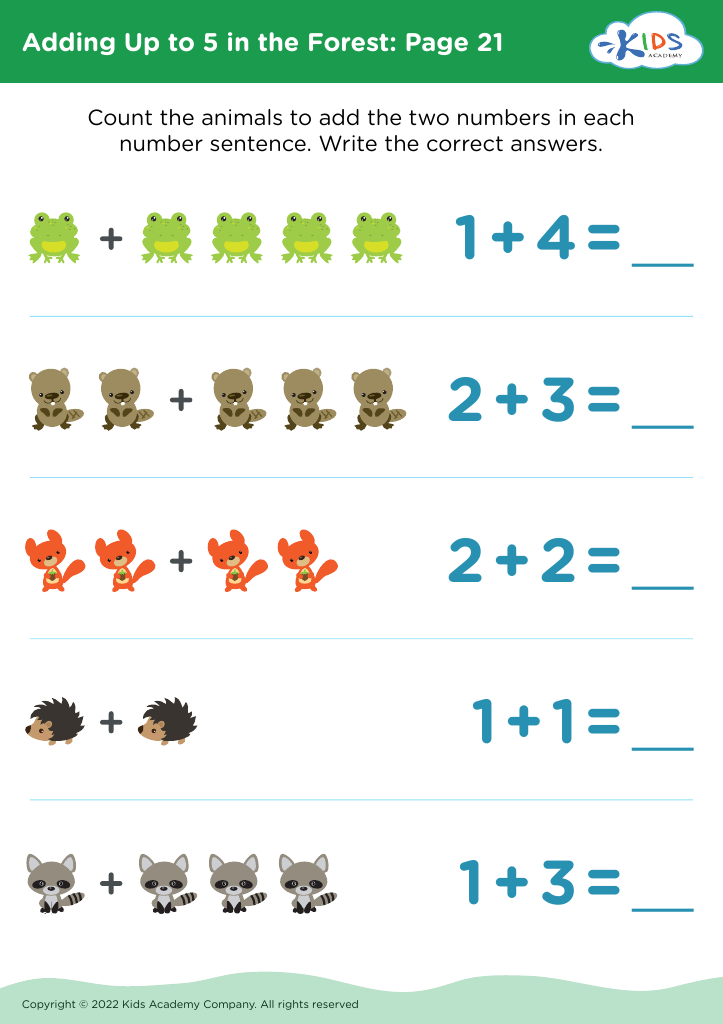
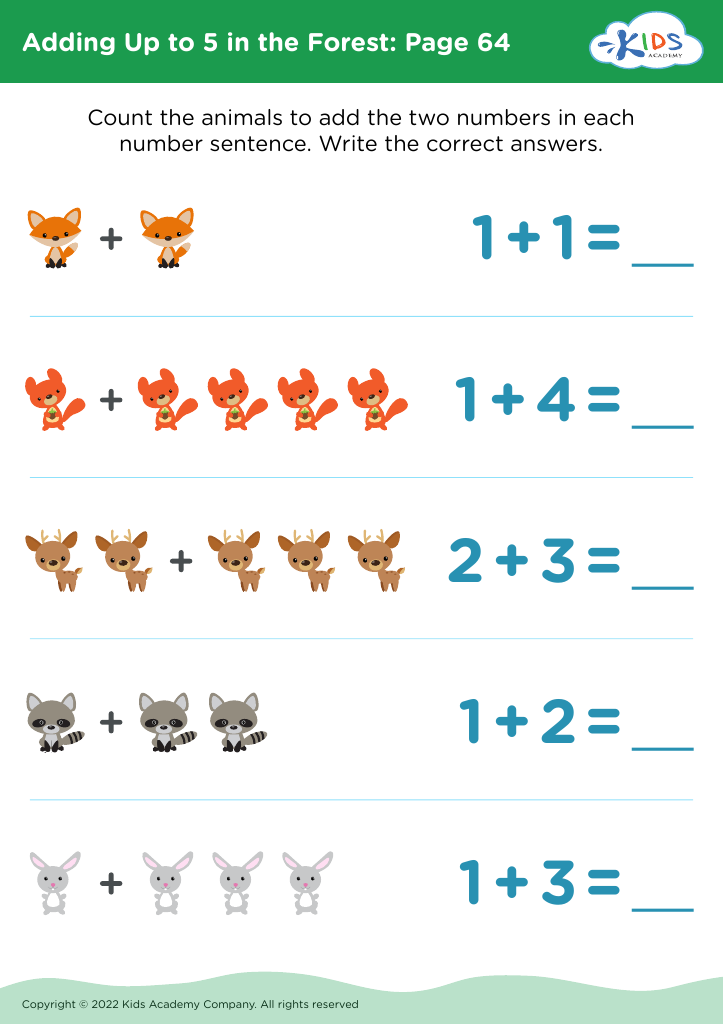
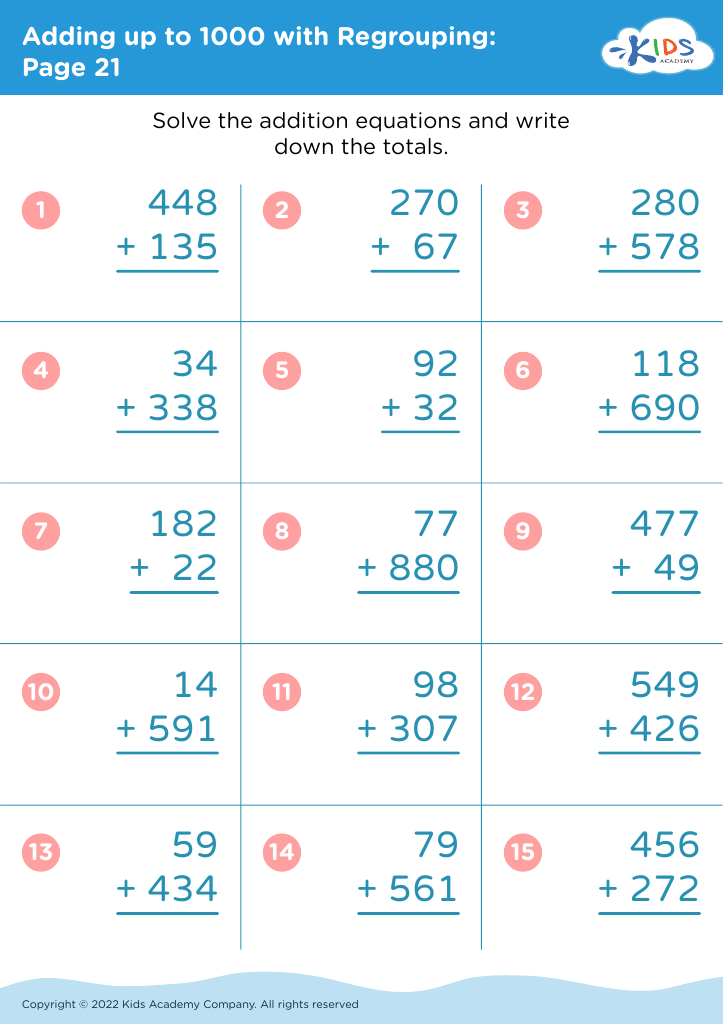
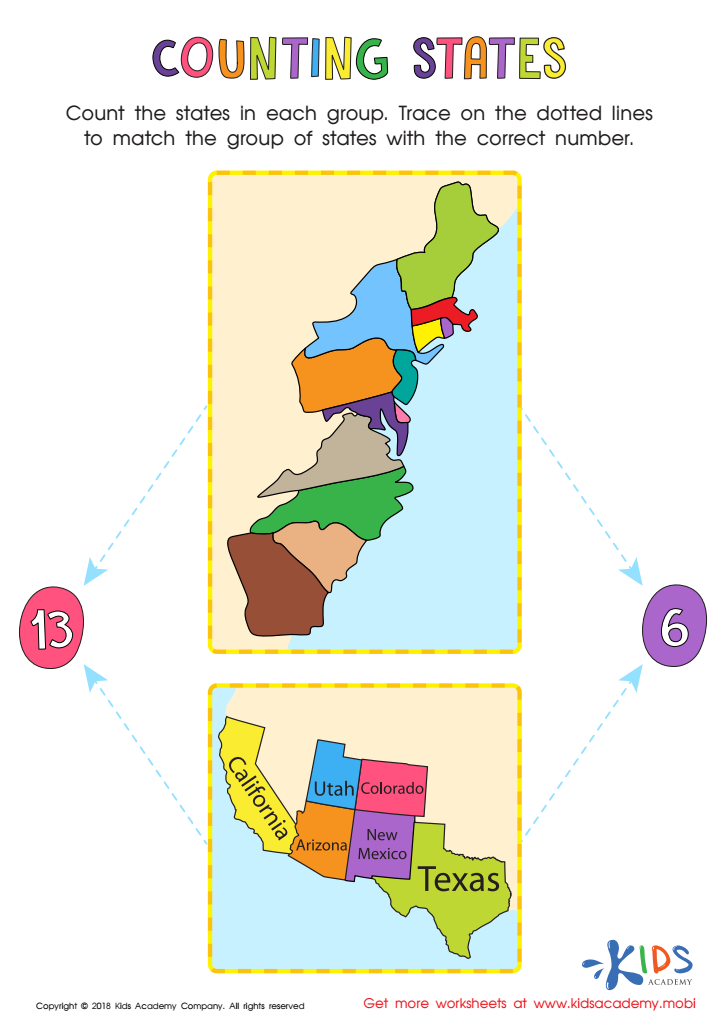
Counting States Worksheet
 Assign to My Students
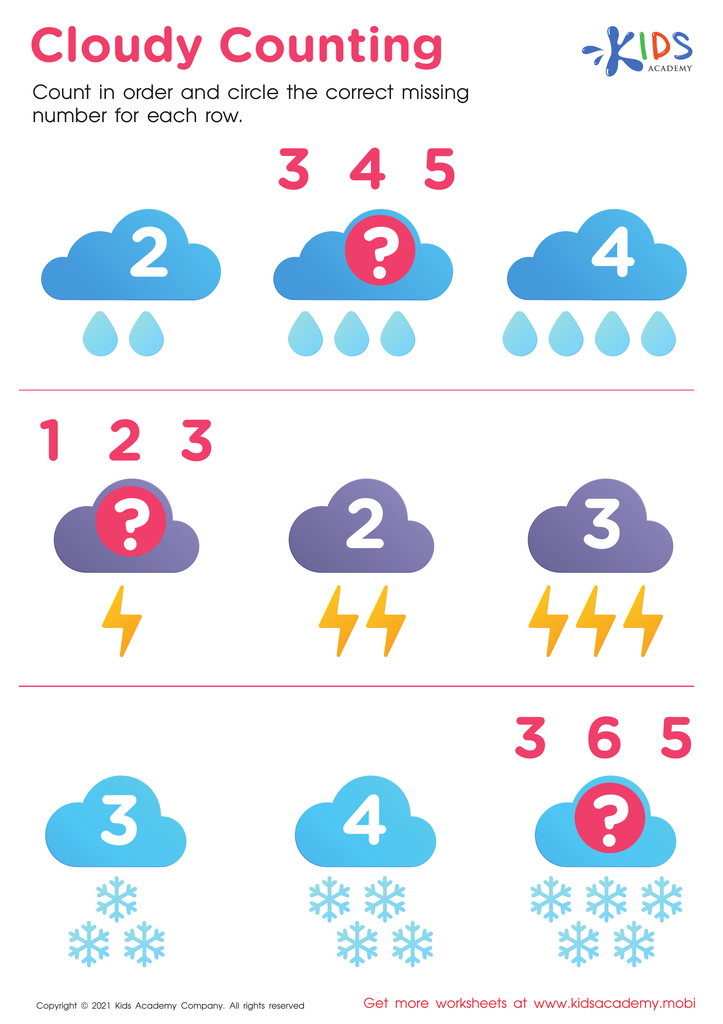
Cloudy Counting Worksheet
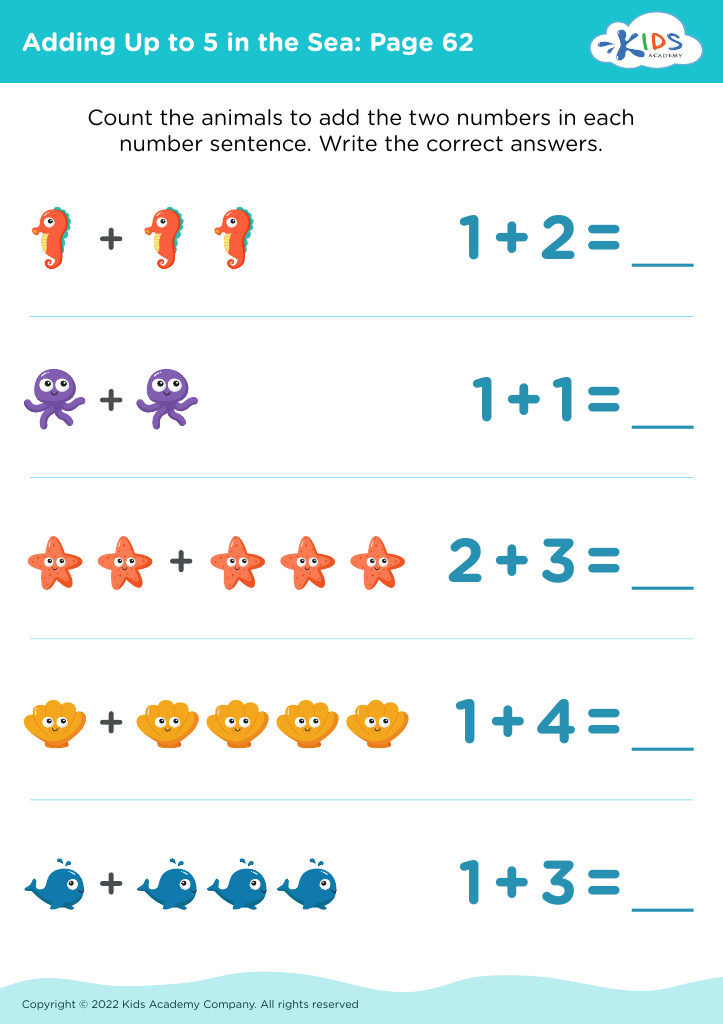
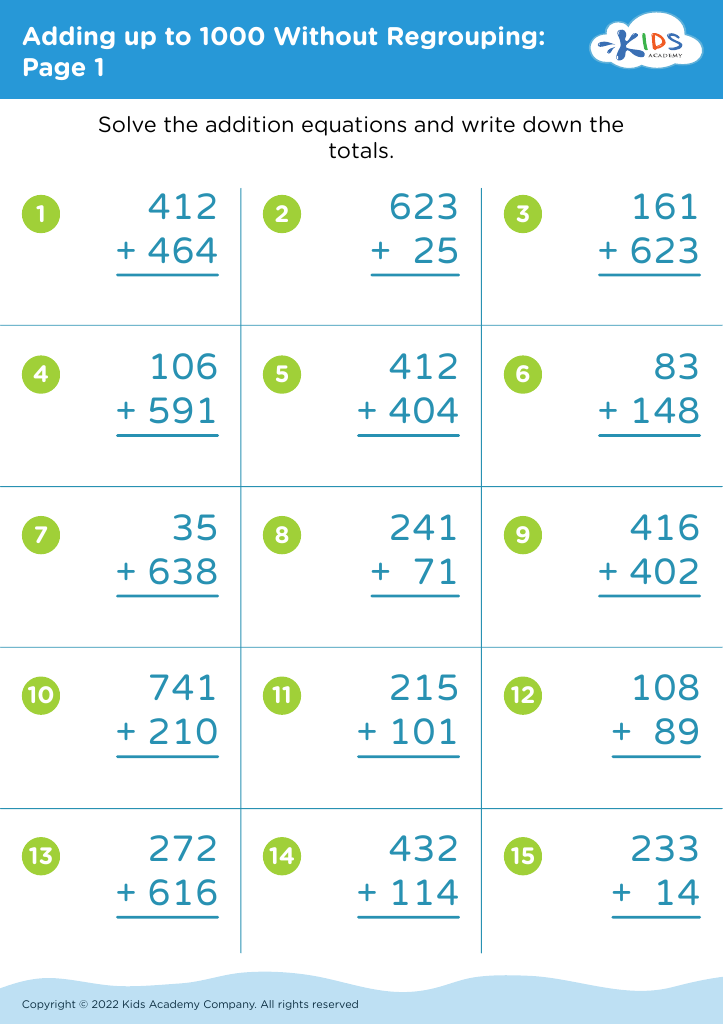
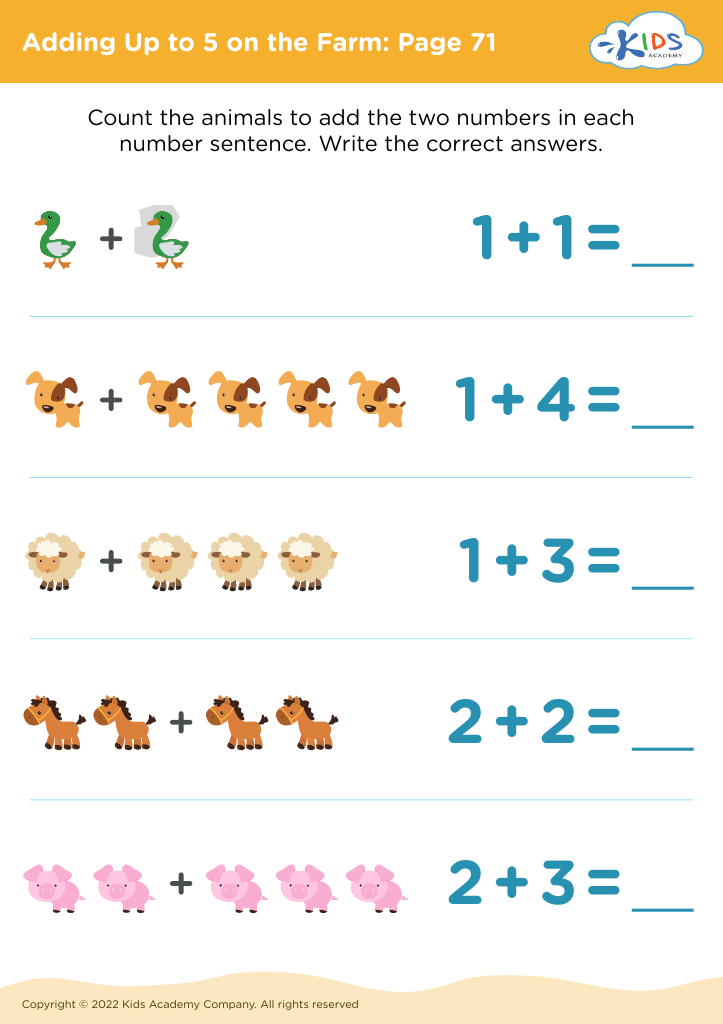
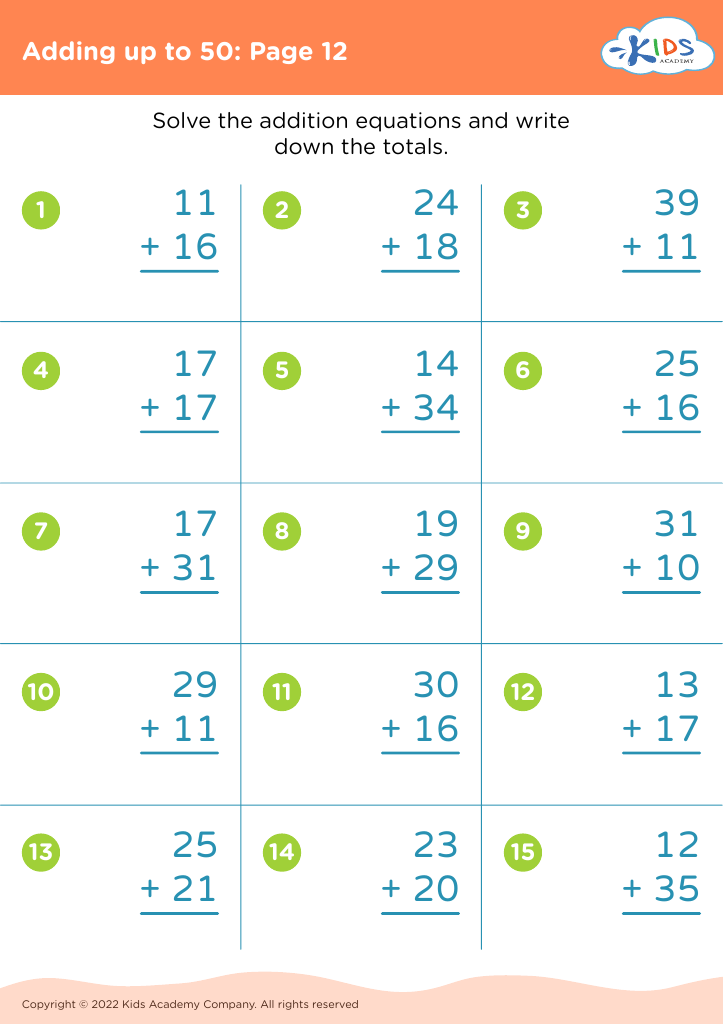
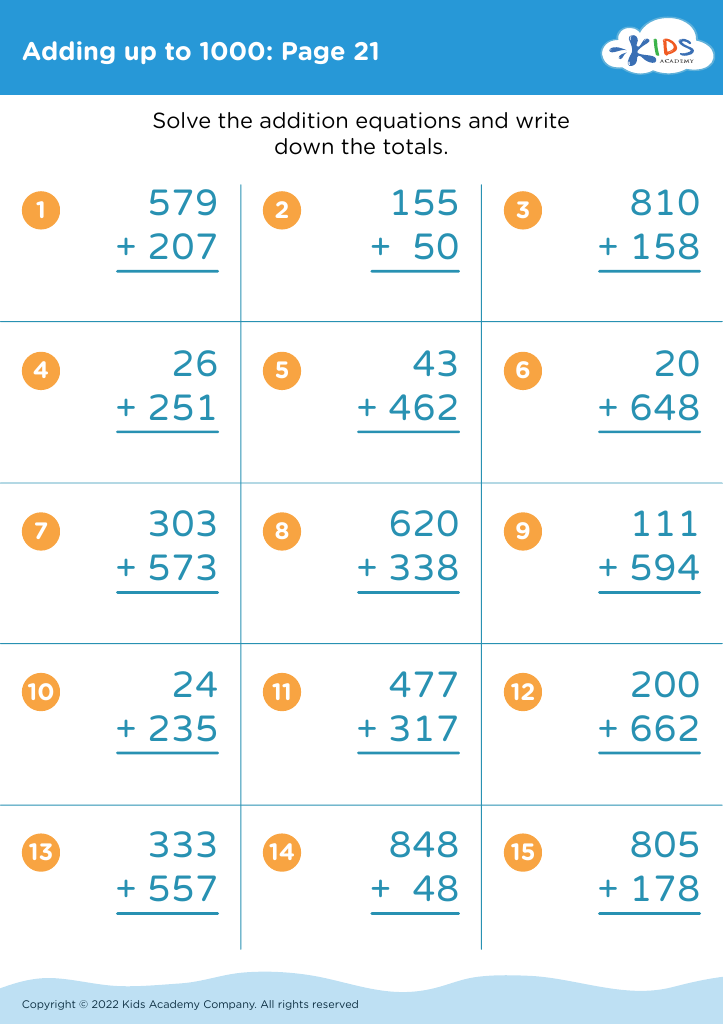
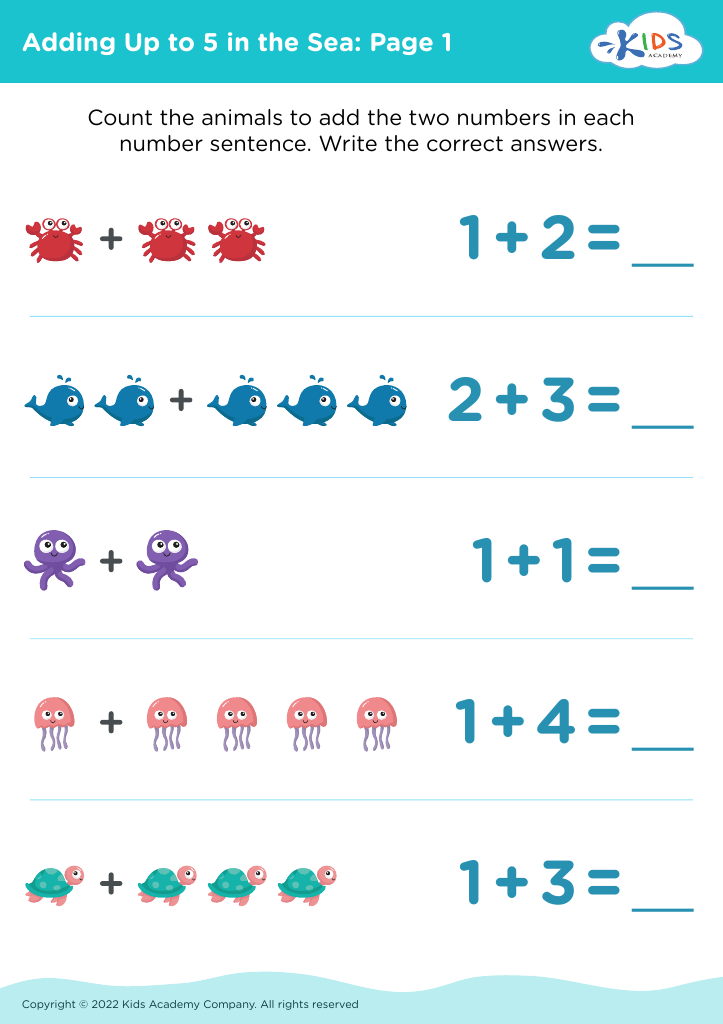
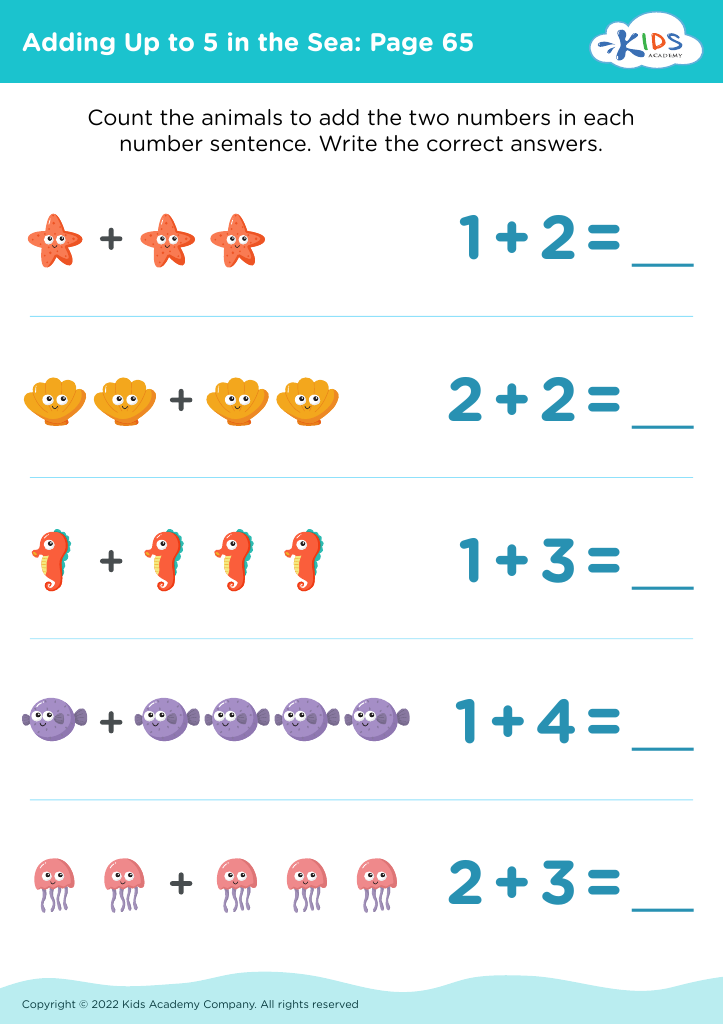
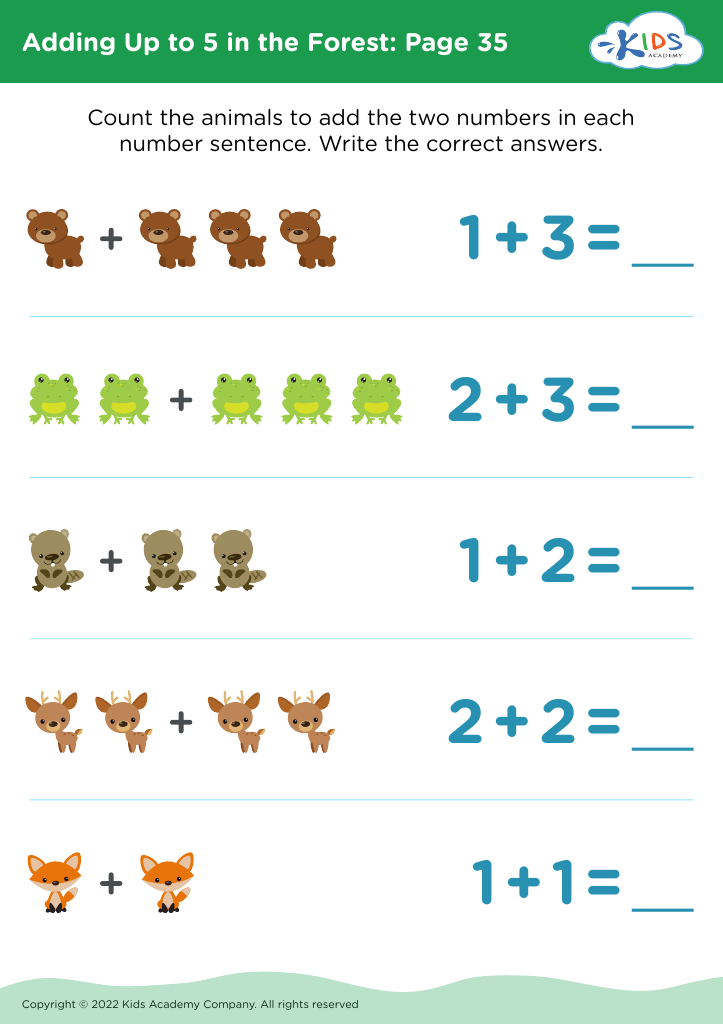
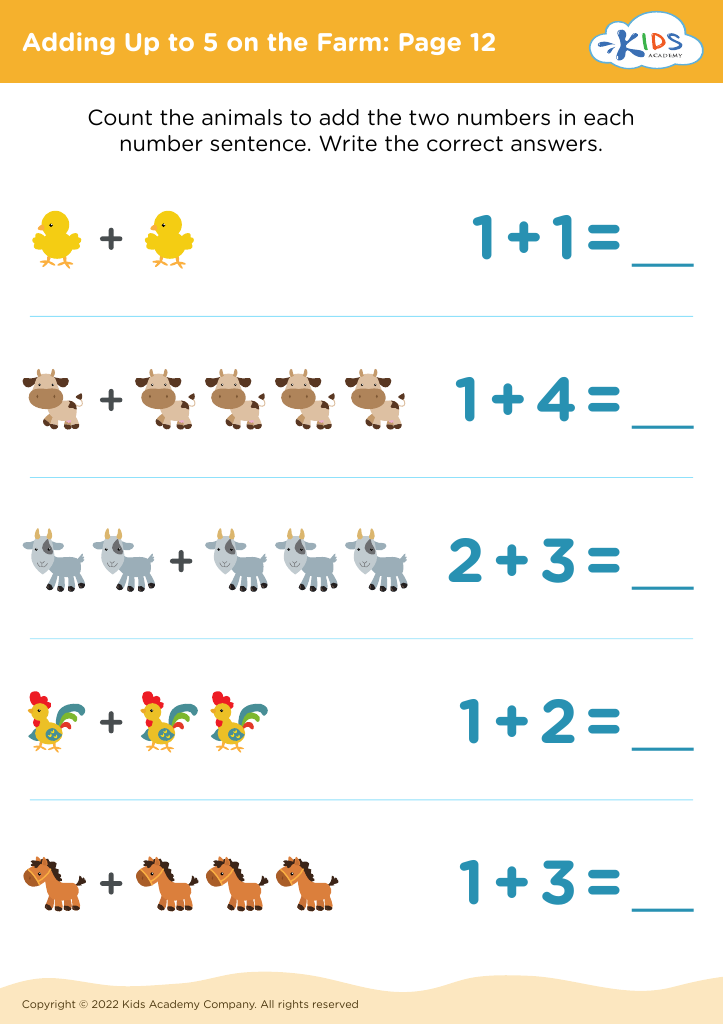
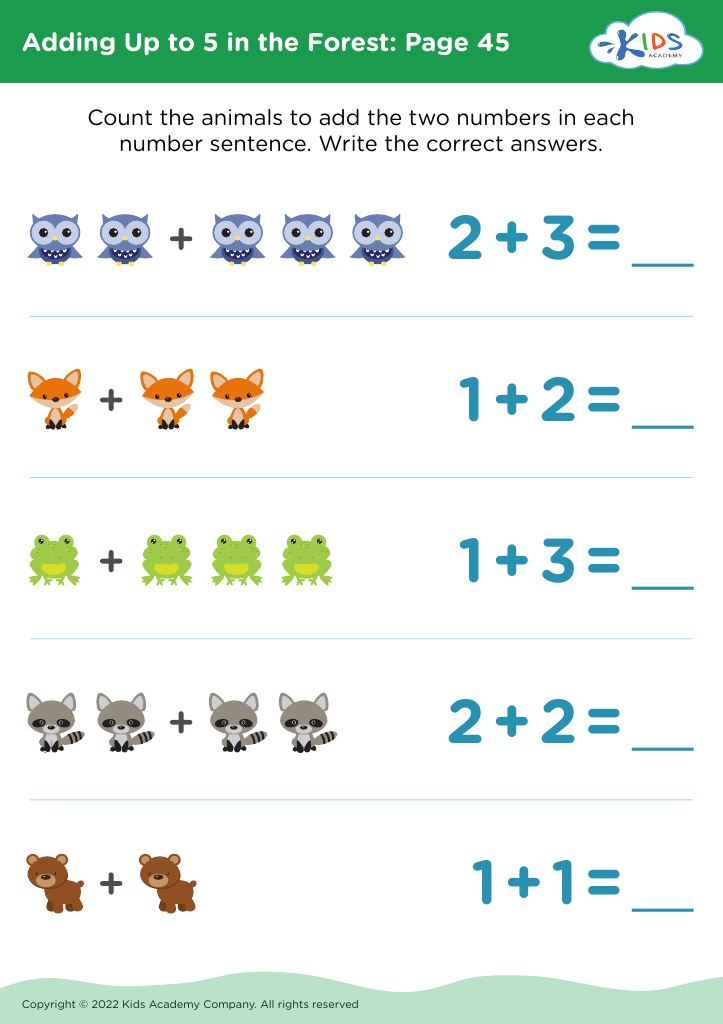
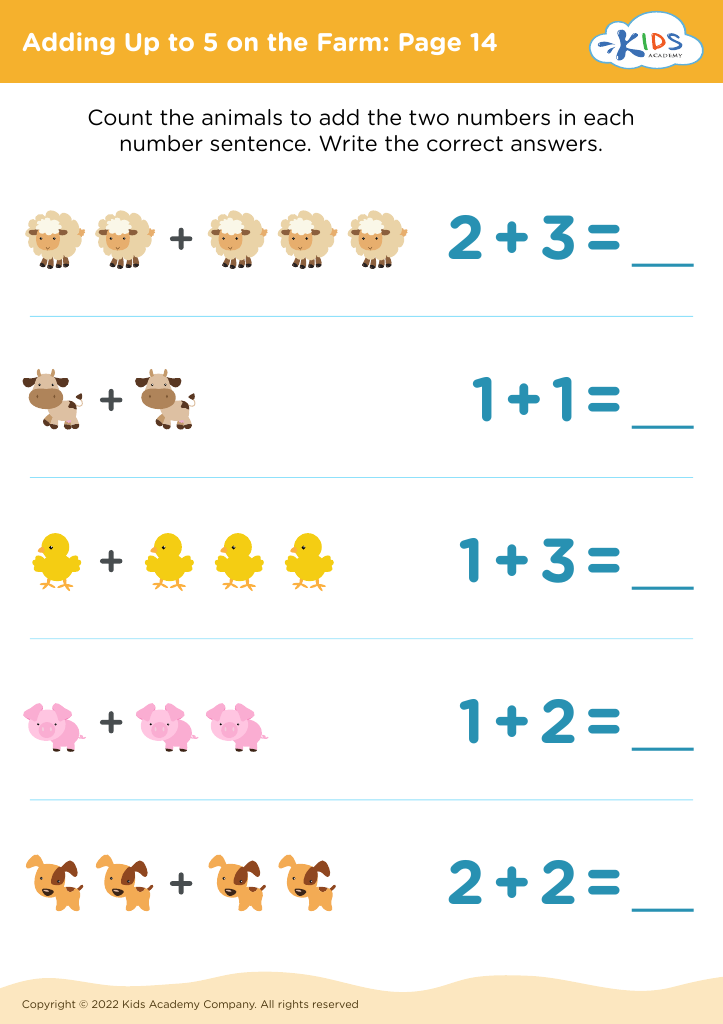
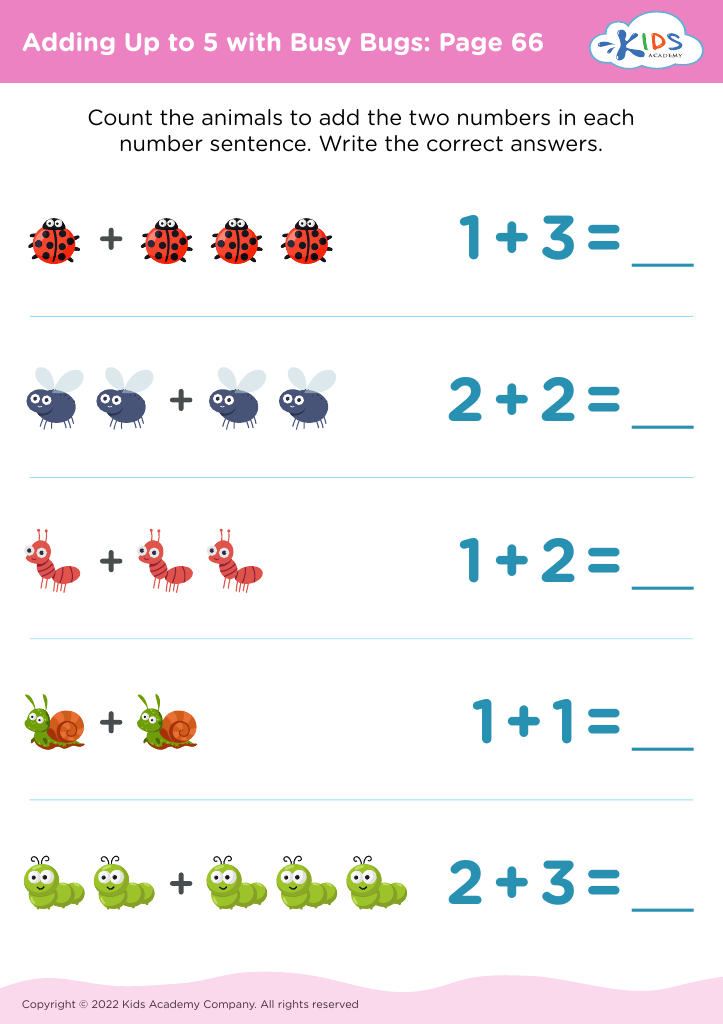








Counting practice in early childhood, particularly for ages 5-7, is foundational for several important reasons. Firstly, it introduces children to basic numerical concepts, enabling them to grasp the idea of quantity. By learning to count, children develop number sense, which is the ability to understand and work with numbers intuitively. This understanding is critical for tackling more complex mathematical operations later, such as addition, subtraction, and eventually multiplication and division.
Secondly, counting practice enhances cognitive skills. As children count objects, they engage in one-to-one correspondence, where each object is matched with a single number. This activity supports their logical thinking and memory, reinforcing patterns and sequences that are essential for problem-solving.
Moreover, counting helps build confidence and sets the stage for a positive attitude towards math. When children master counting, they experience a sense of accomplishment that motivates them to take on more challenging tasks. Parents and teachers who invest time in nurturing these skills provide a strong academic foundation while also fostering perseverance and curiosity.
Lastly, counting is a practical skill that children use in everyday life. Understanding numbers helps them in daily activities, such as following a recipe, telling time, and managing simple finances. By valuing counting practice, parents and teachers equip children with essential tools for both academic success and everyday experiences.








