Following directions Math Worksheets for Ages 5-7
3 filtered results
-
From - To
Discover our engaging "Following Directions Math Worksheets" specifically designed for children ages 5-7. These worksheets offer a fun way to develop important skills like listening and comprehension through math-related tasks. Aimed at enhancing critical thinking, our activities encourage young learners to follow steps and solve problems independently. With colorful visuals and child-friendly language, each worksheet promotes math practice while reinforcing the ability to follow directions accurately. Perfect for classroom settings or home learning, these worksheets help cultivate confidence and competence in math skills. Explore our collection today and watch your child's learning journey flourish!
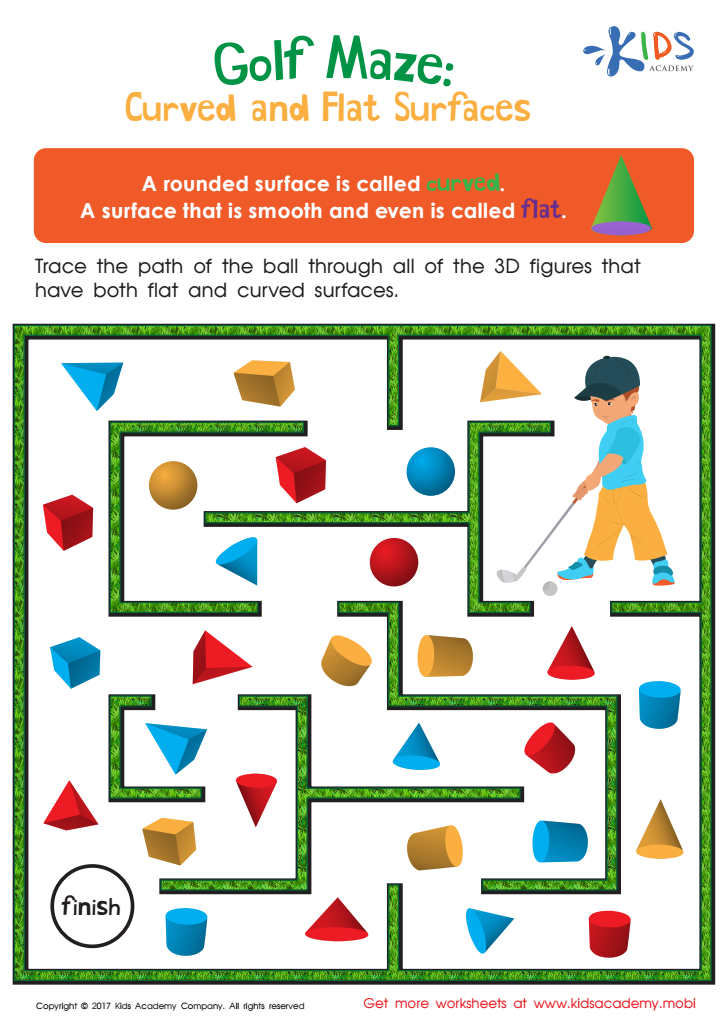
Golf Maze: Curved and Flat Surfaces Worksheet
 Assign to My Students
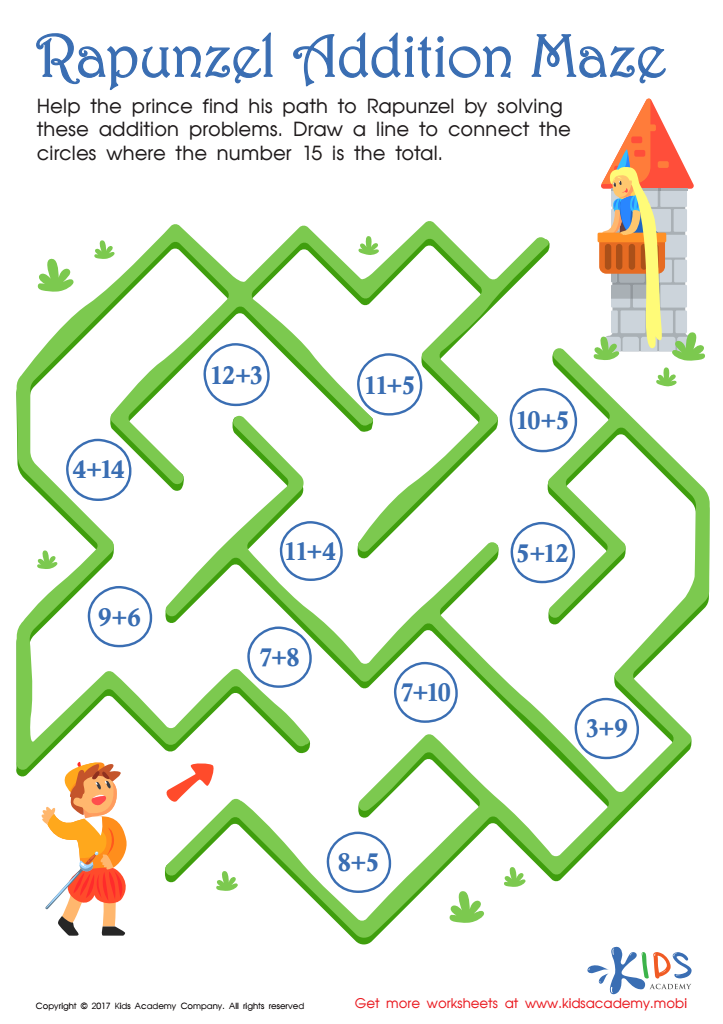
Rapunzel Addition Maze Worksheet
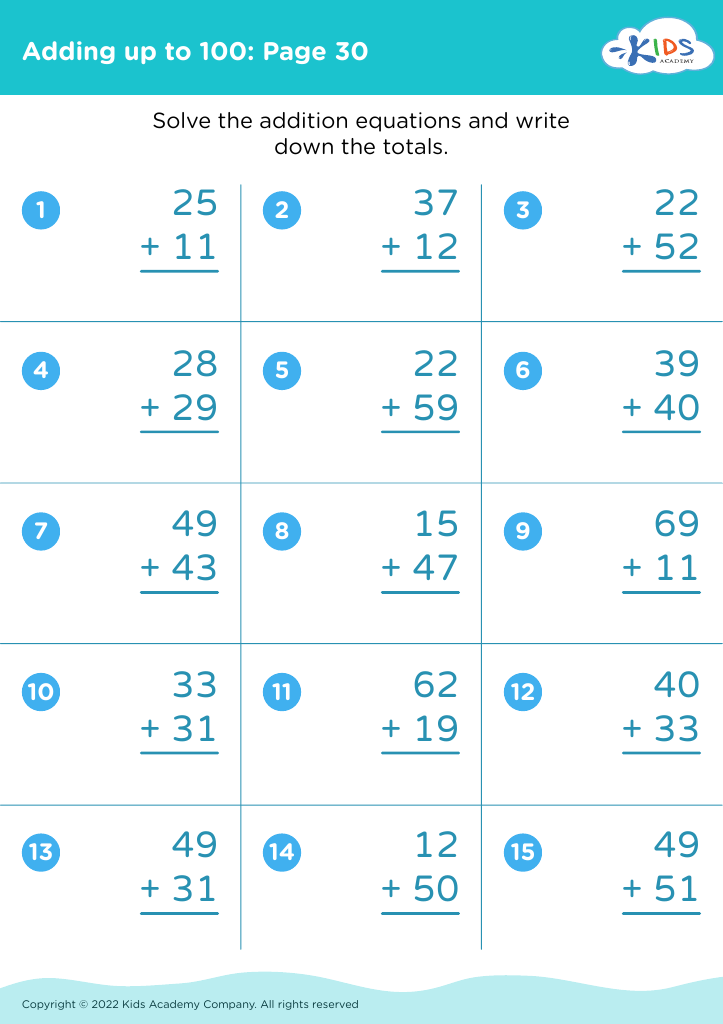








Following directions in math is crucial for young learners aged 5-7, as it lays the foundation for both mathematical understanding and overall cognitive development. At this age, children are learning how to pay attention, process information, and execute tasks based on a set of instructions. Having clear and precise directions promotes critical thinking skills – students must assess what needs to be done and why.
Moreover, this skill helps foster independence and responsibility, as children learn to complete tasks on their own. When students successfully follow mathematical directions, it boosts their confidence, encouraging them to engage more deeply with the subject. This engagement is vital for developing a positive attitude toward math and learning in general.
For parents and teachers, emphasizing direction-following isn't just about getting answers right; it cultivates resilience and problem-solving skills. When children encounter challenges in following instructions, they begin to learn from mistakes—an essential life lesson. Teaching the importance of following directions also prepares them for future academic disciplines, where instruction comprehension becomes increasingly critical. Ultimately, attention to following directions in math nurtures well-rounded learners who understand the value of clarity and precision in both academics and daily life.








