Check out this FREE Trial Lesson on Math for age 5-7!

H

Favorites
With answer key
Interactive
  • 5-7
  • Fraction simplification
  • Math
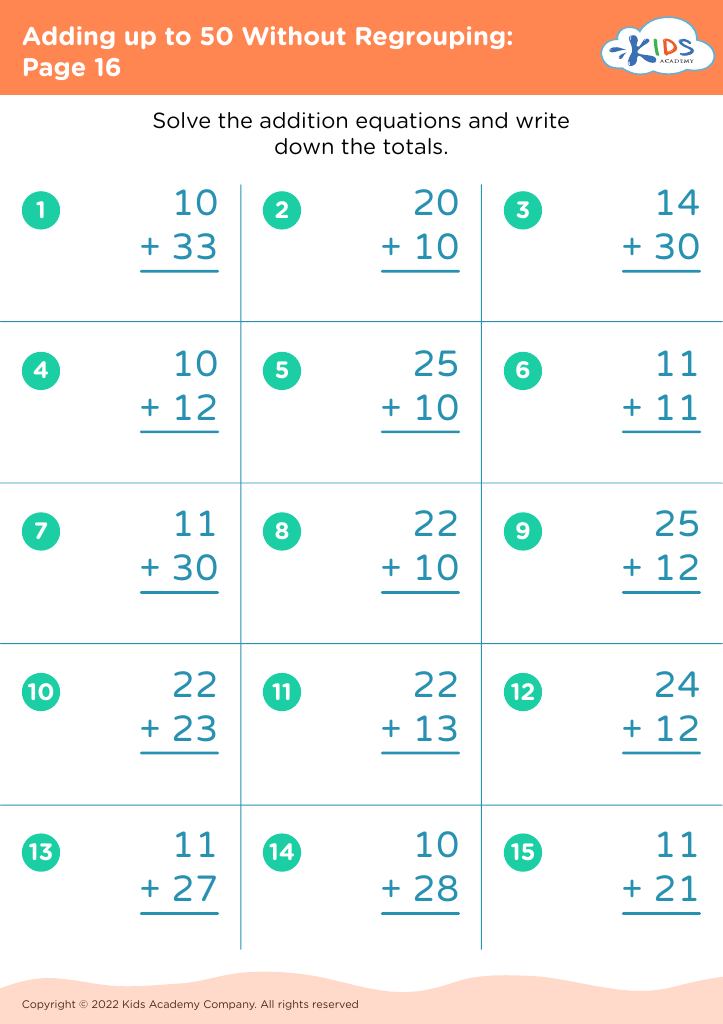
Adding up to 50 Without Regrouping: Page 16
Worksheet
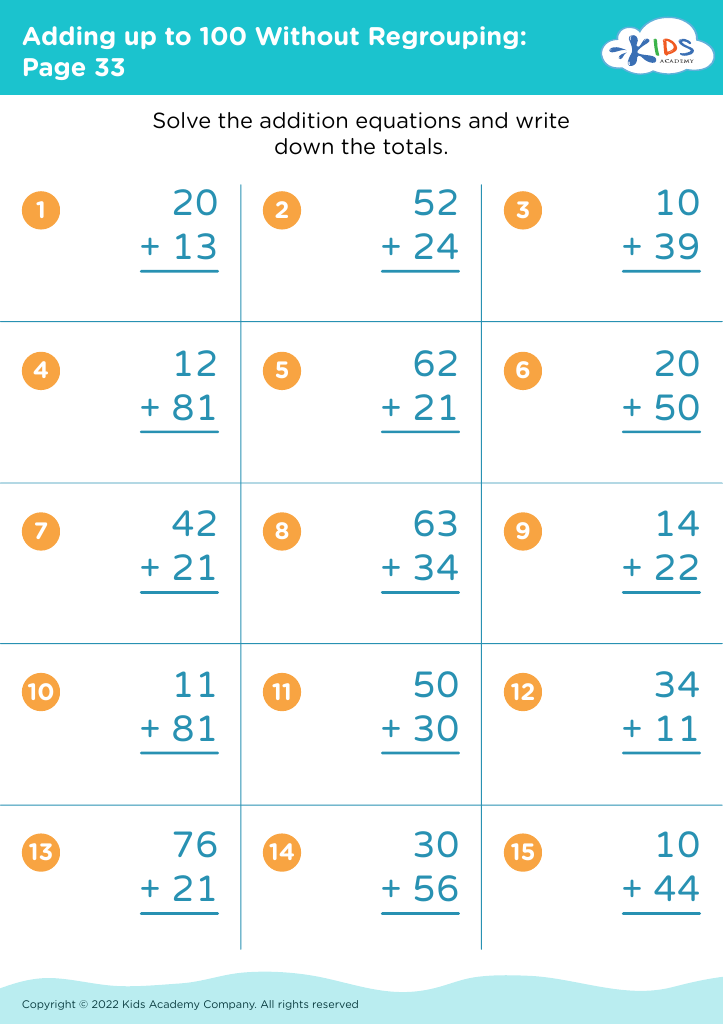
Adding up to 100 Without Regrouping: Page 33
Worksheet
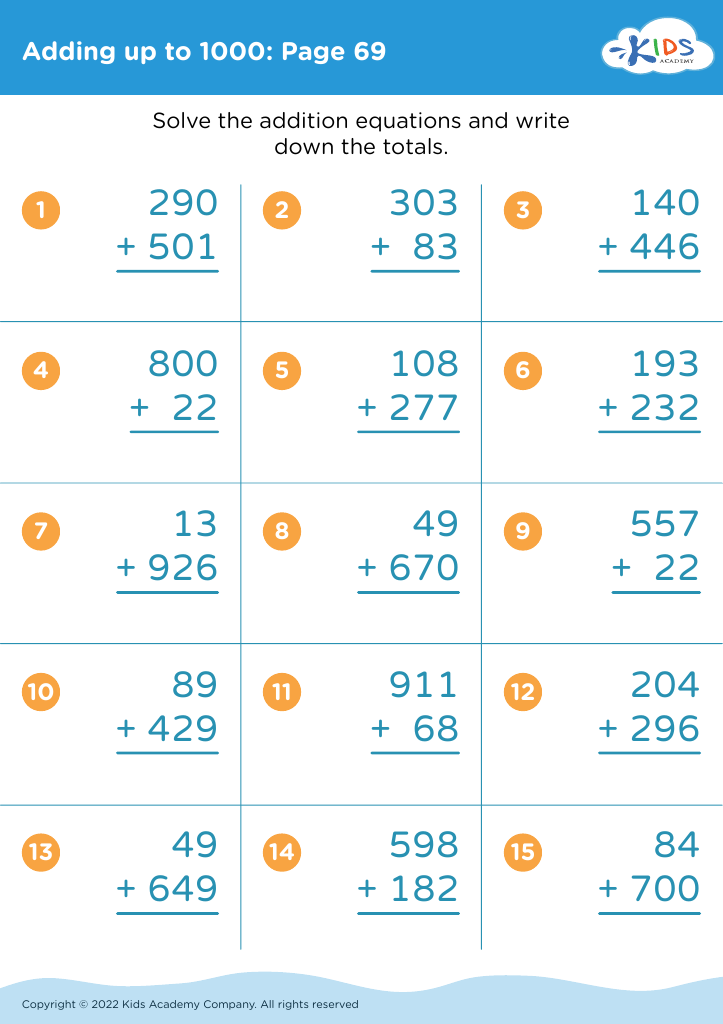
Adding up to 1000: Page 69

Adding up to 1000: Page 69

Adding up to 1000: Page 69
Worksheet
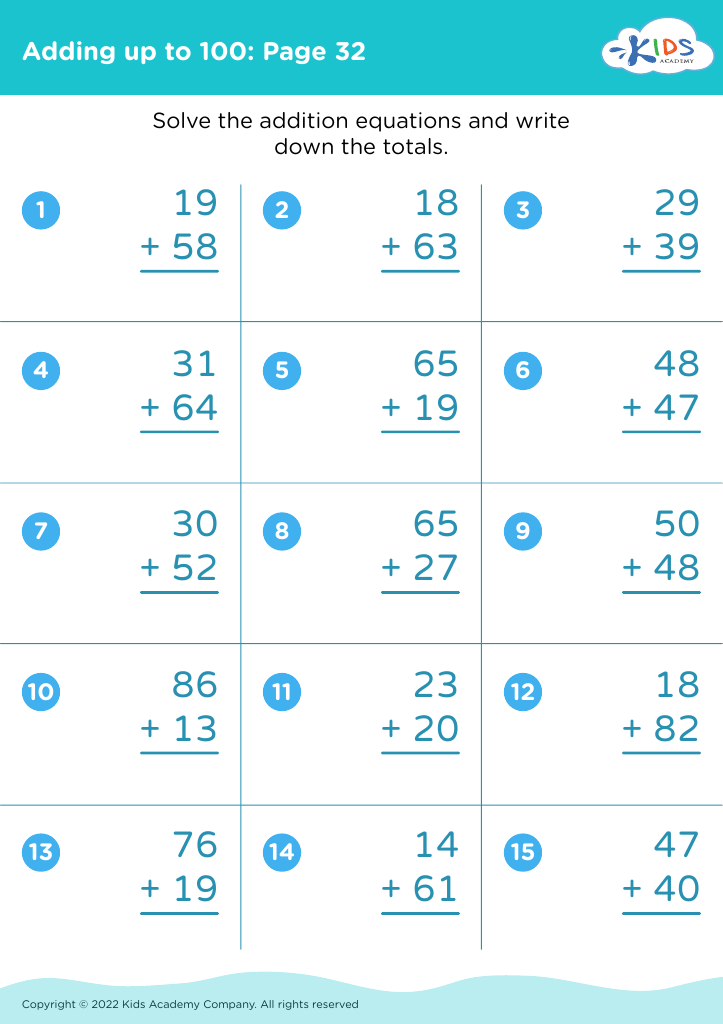
Adding up to 100: Page 32

Adding up to 100: Page 32

Adding up to 100: Page 32
Worksheet
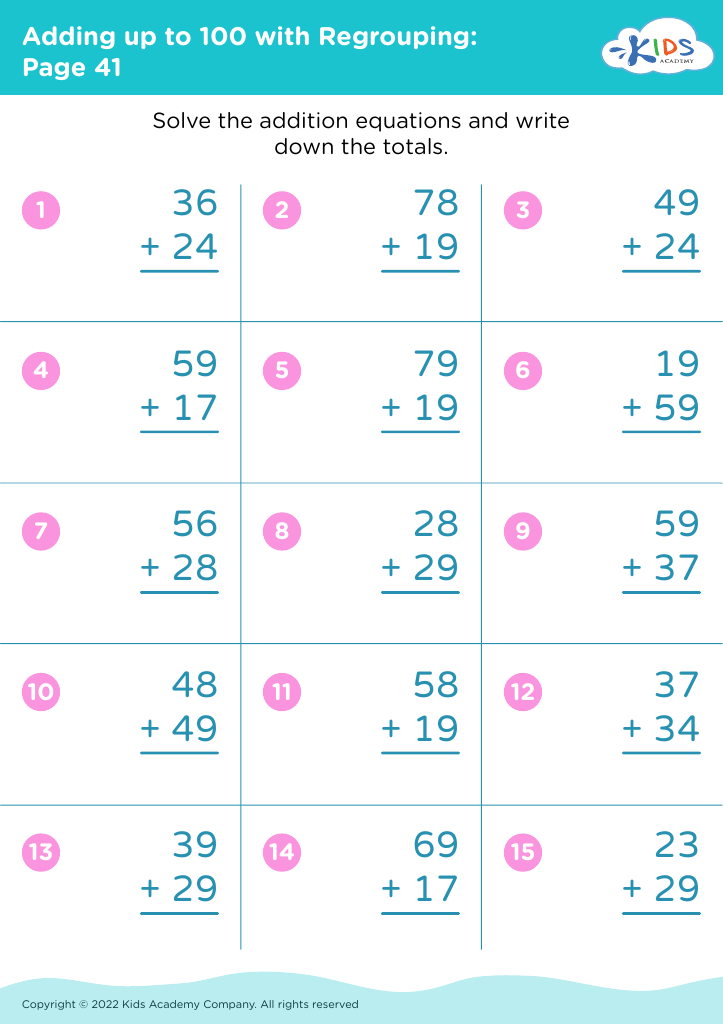
Adding up to 100 with Regrouping: Page 41
Worksheet
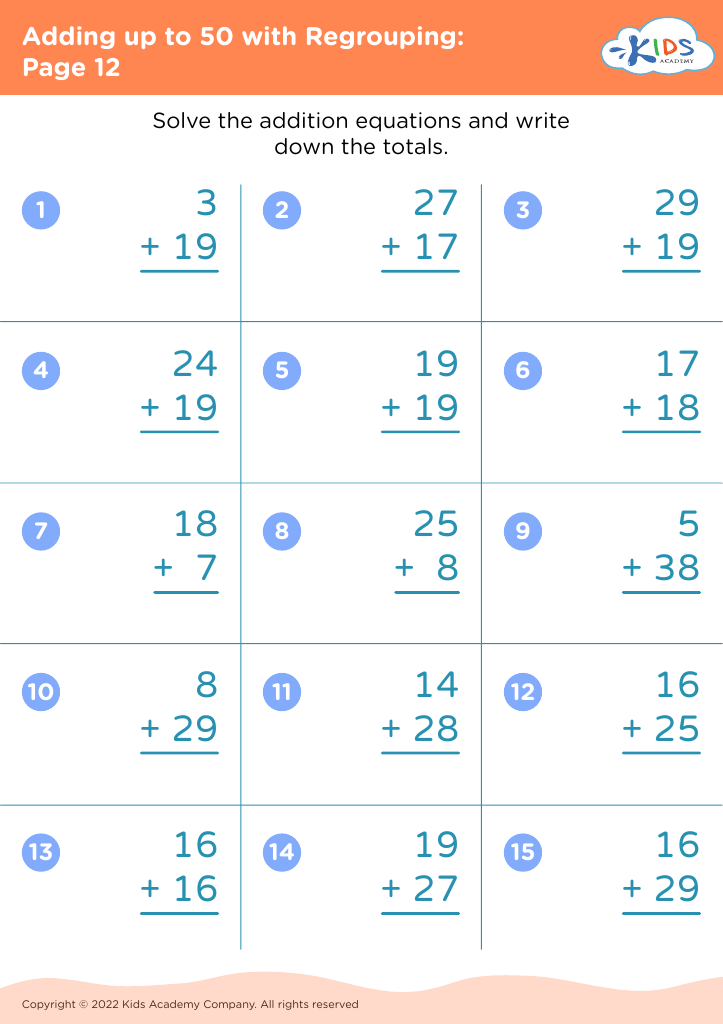
Adding up to 50 with Regrouping: Page 12
Worksheet
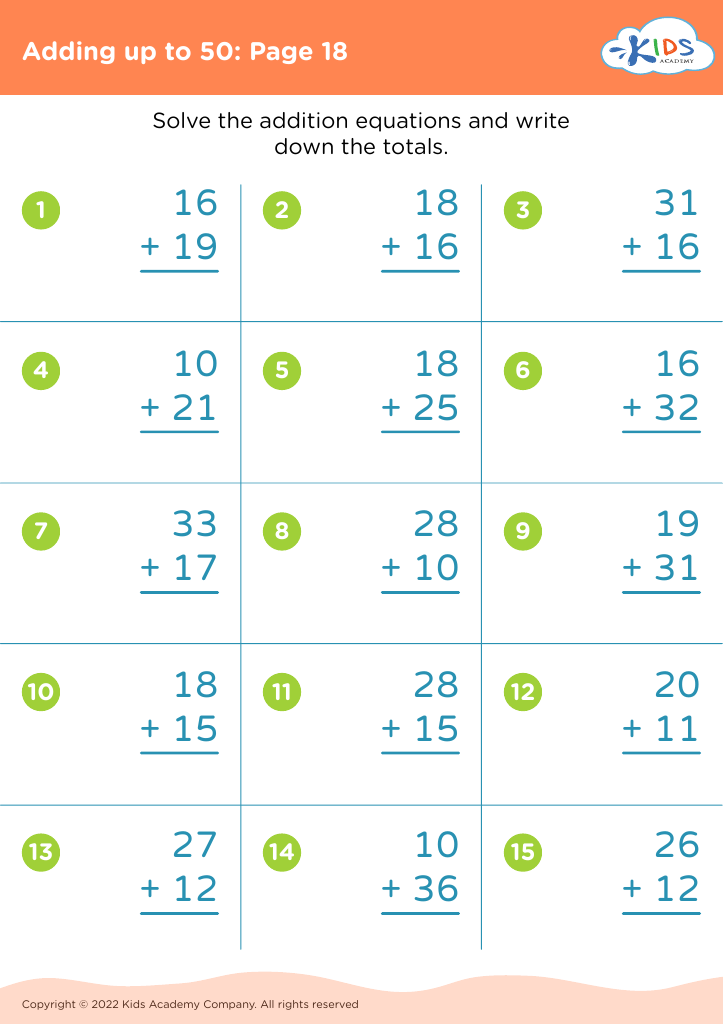
Adding up to 50: Page 18

Adding up to 50: Page 18

Adding up to 50: Page 18
Worksheet
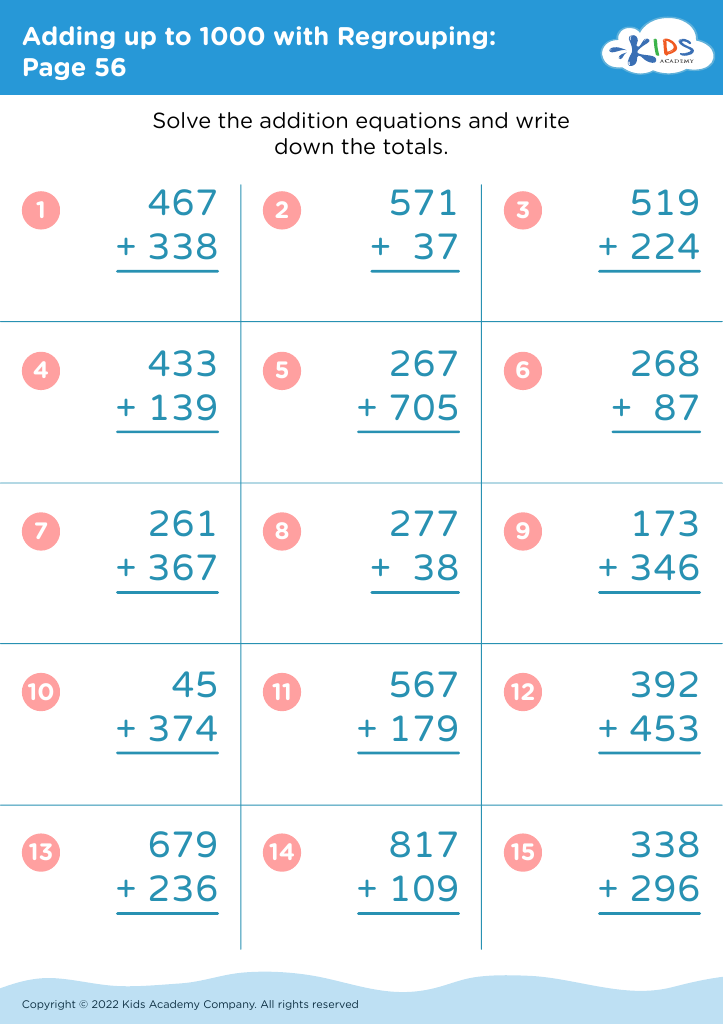
Adding up to 1000 with Regrouping: Page 56
Worksheet
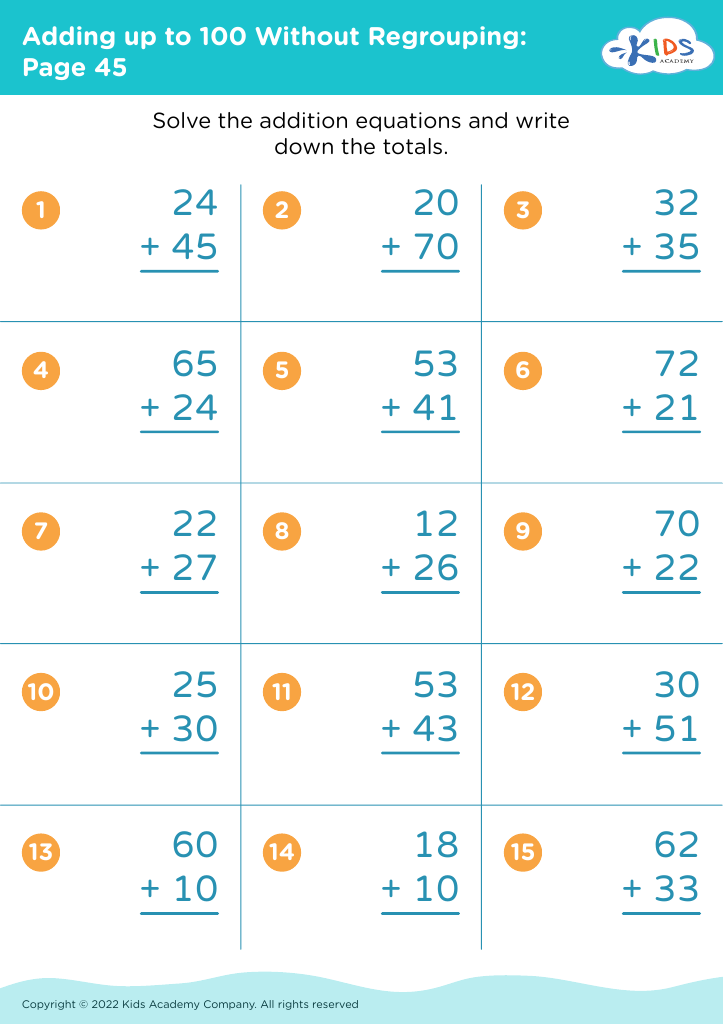
Adding up to 100 Without Regrouping: Page 45
Worksheet
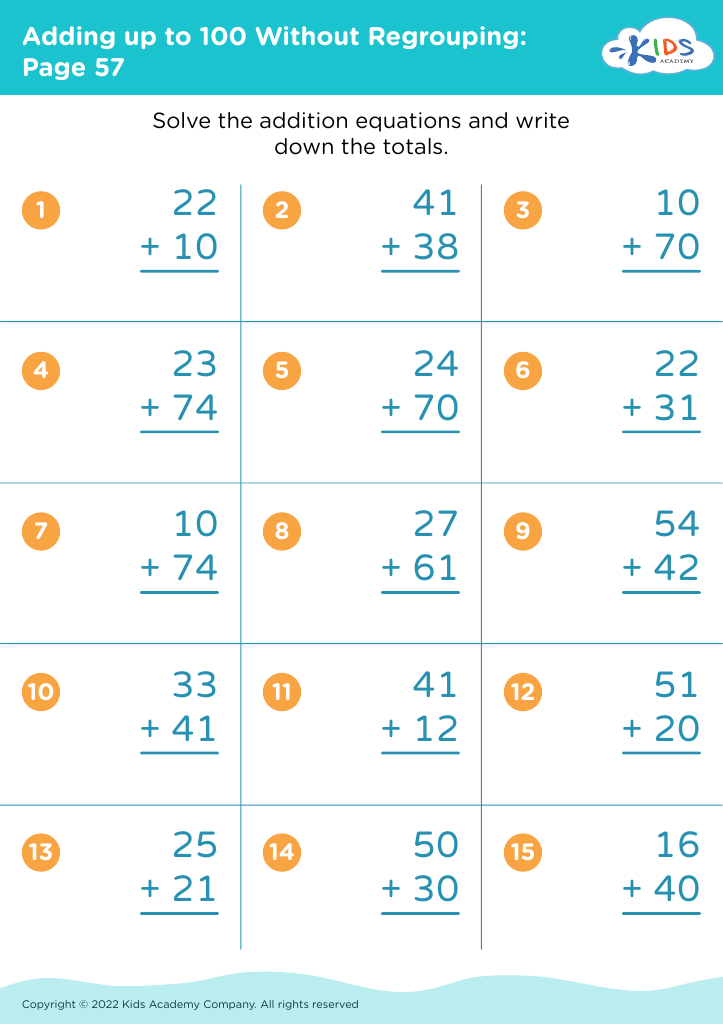
Adding up to 100 Without Regrouping: Page 57
Worksheet
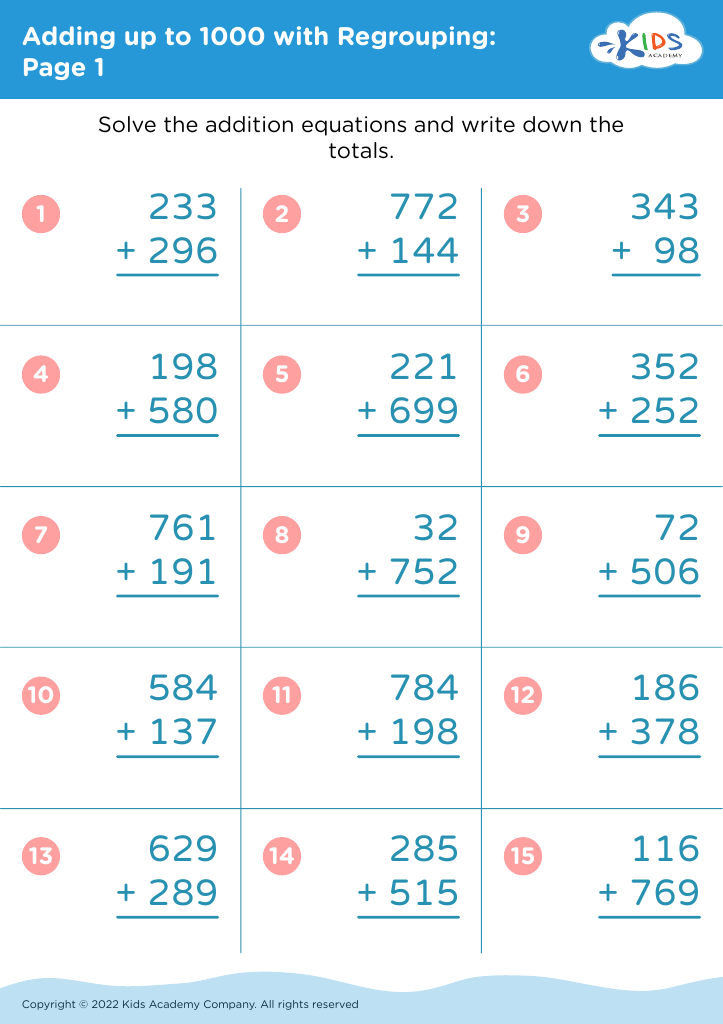
Adding up to 1000 with Regrouping: Page 1
Worksheet
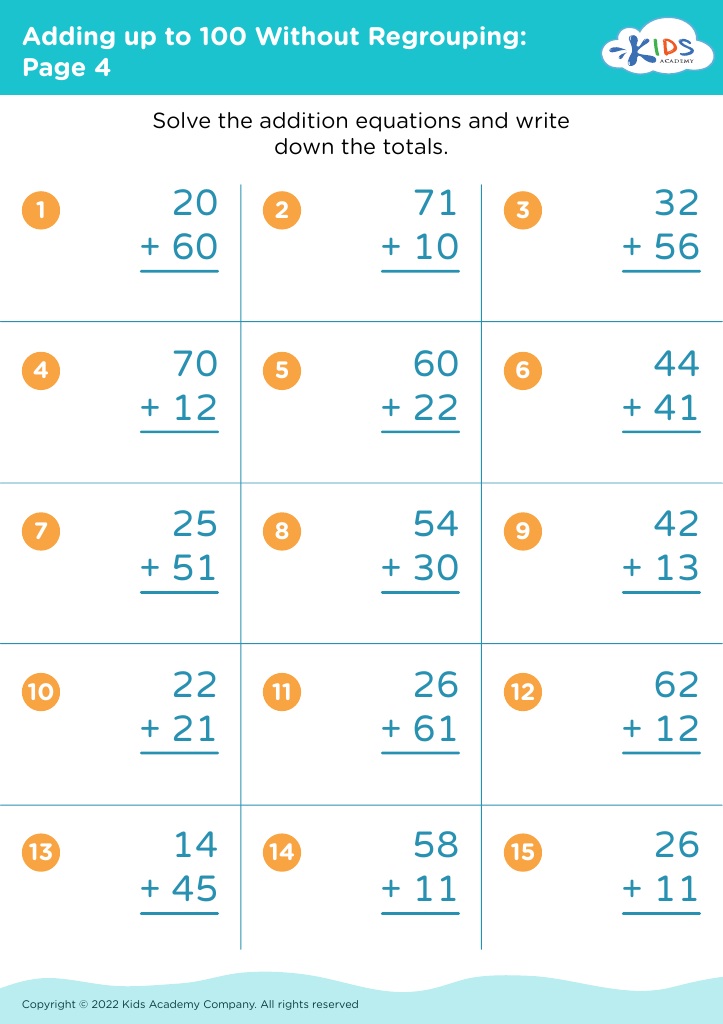
Adding up to 100 Without Regrouping: Page 4
Worksheet
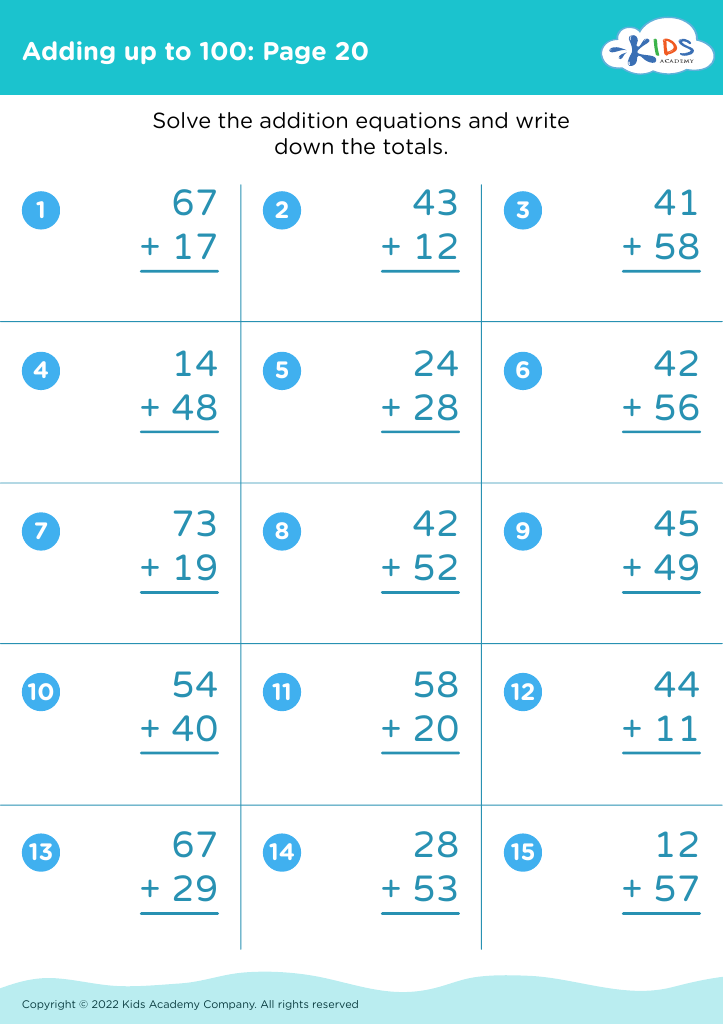
Adding up to 100: Page 20

Adding up to 100: Page 20

Adding up to 100: Page 20
Worksheet
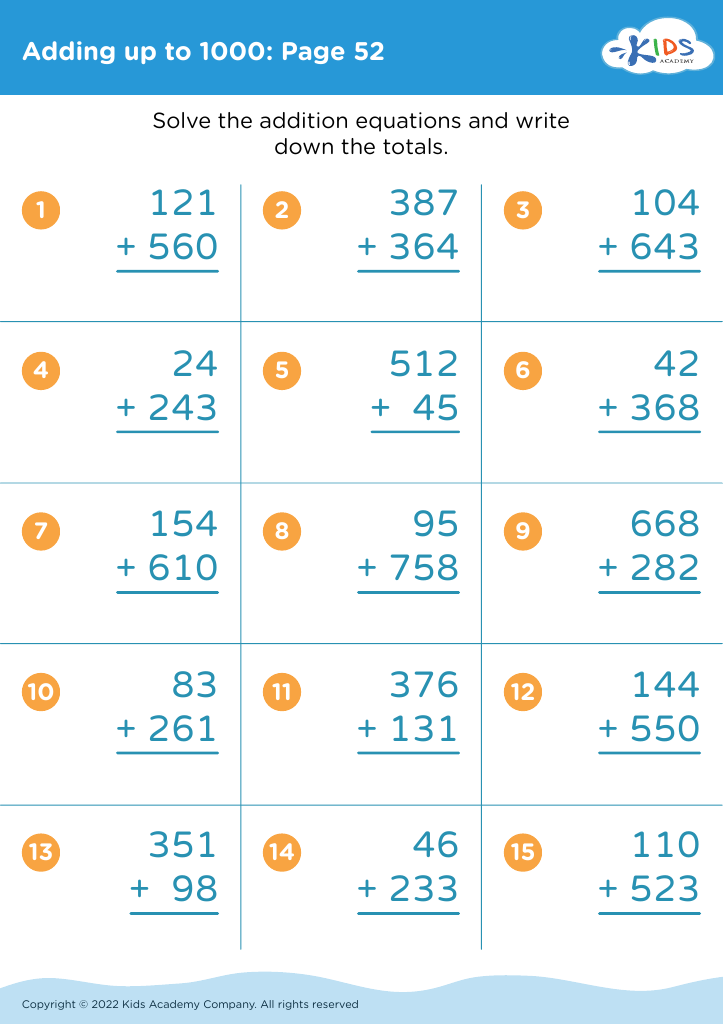
Adding up to 1000: Page 52

Adding up to 1000: Page 52

Adding up to 1000: Page 52
Worksheet
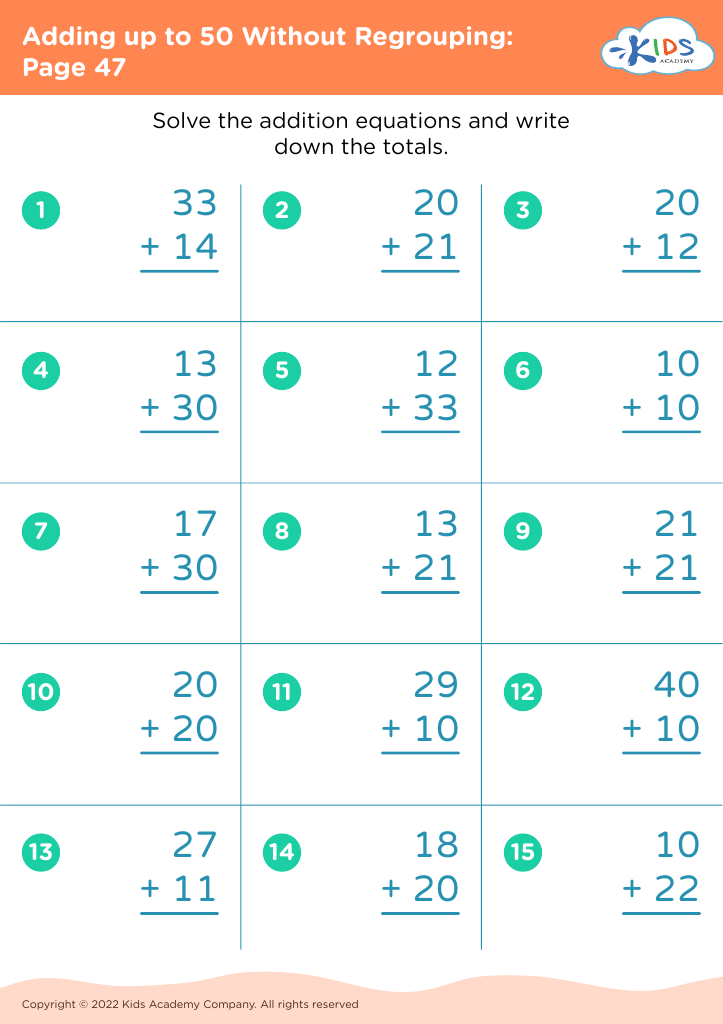
Adding up to 50 Without Regrouping: Page 47
Worksheet
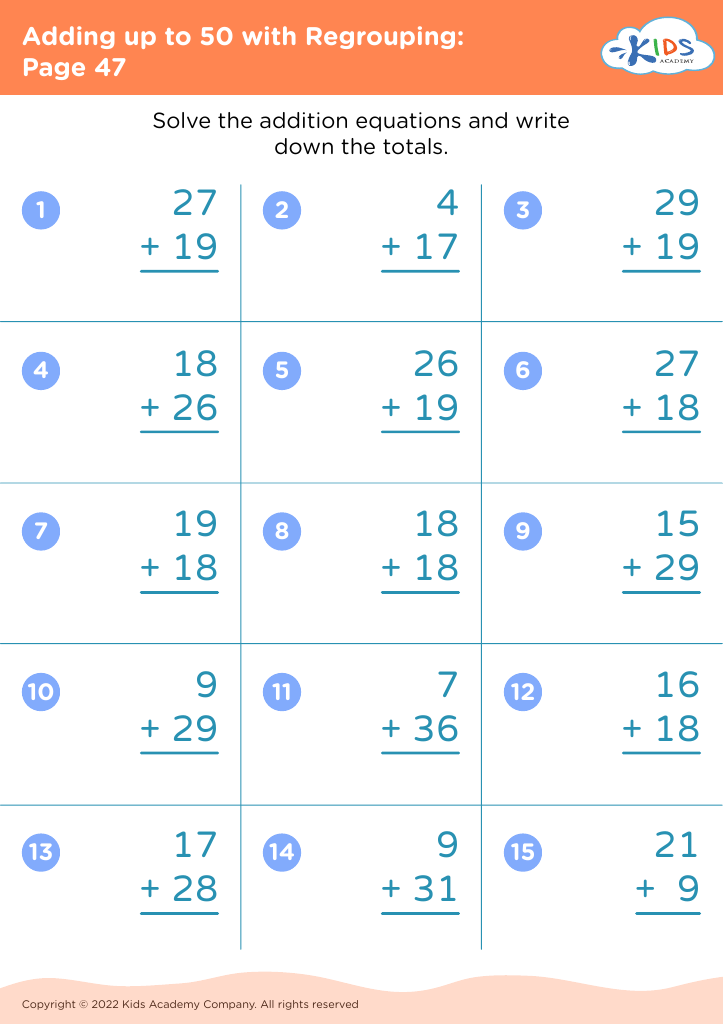
Adding up to 50 with Regrouping: Page 47
Worksheet
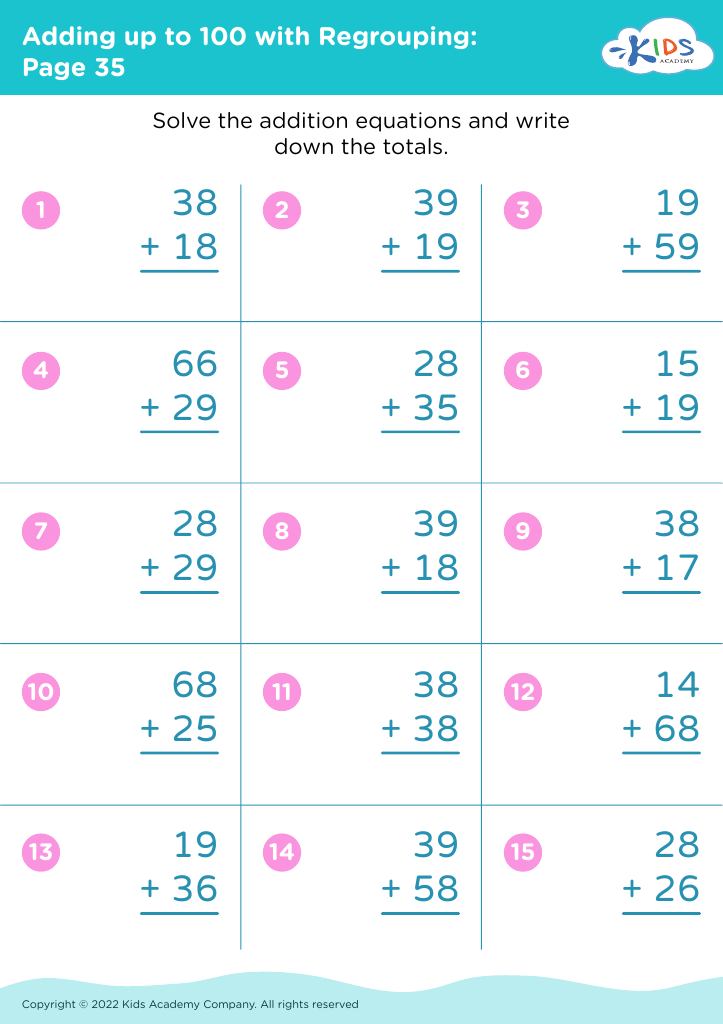
Adding up to 100 with Regrouping: Page 35
Worksheet
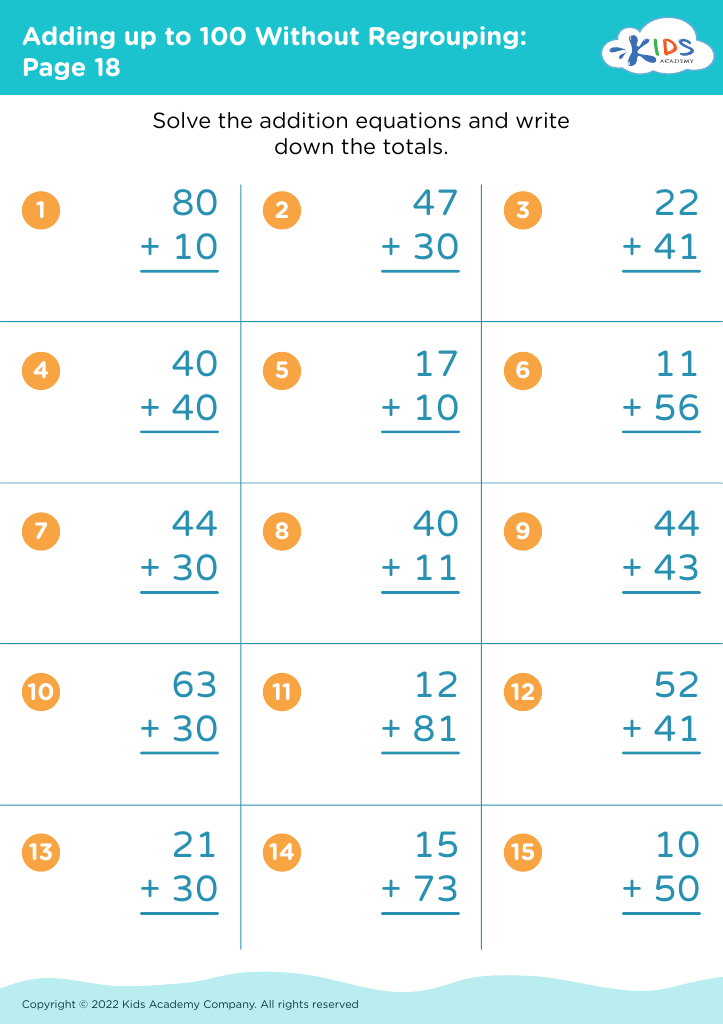
Adding up to 100 Without Regrouping: Page 18
Worksheet
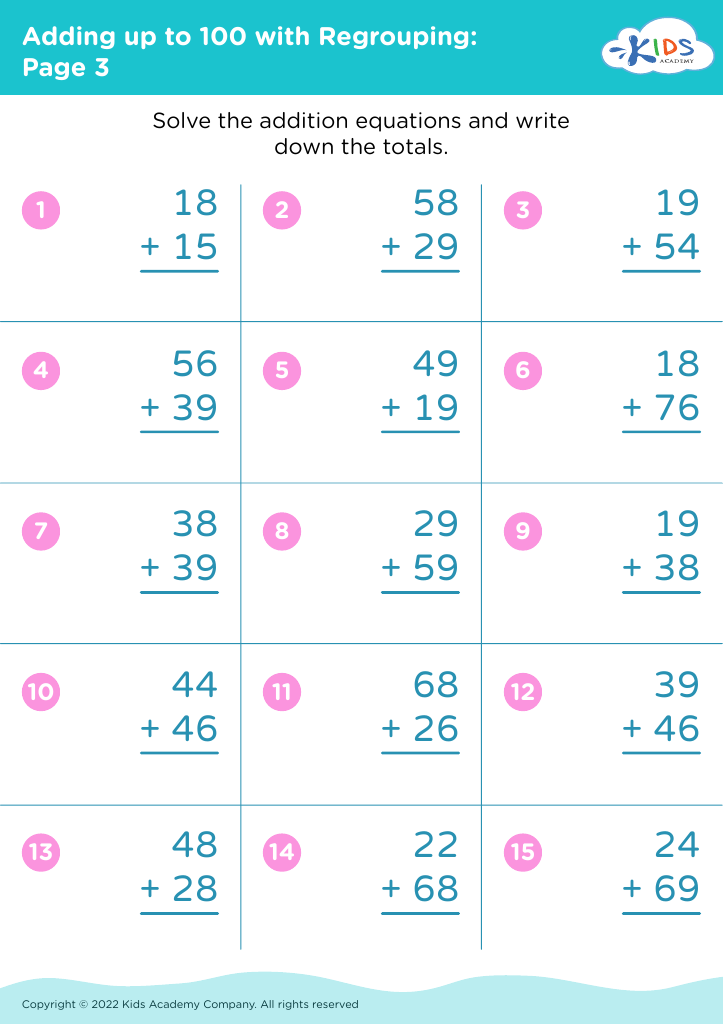
Adding up to 100 with Regrouping: Page 3
Worksheet
Adding up to 100: Page 17

Adding up to 100: Page 17

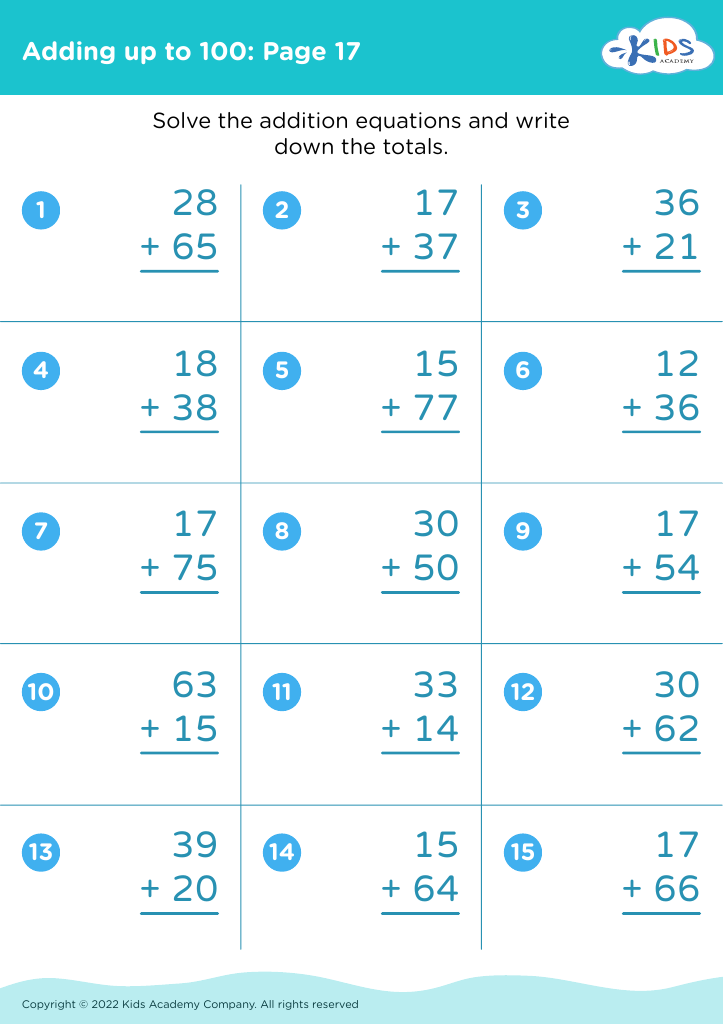
Adding up to 100: Page 17
Worksheet
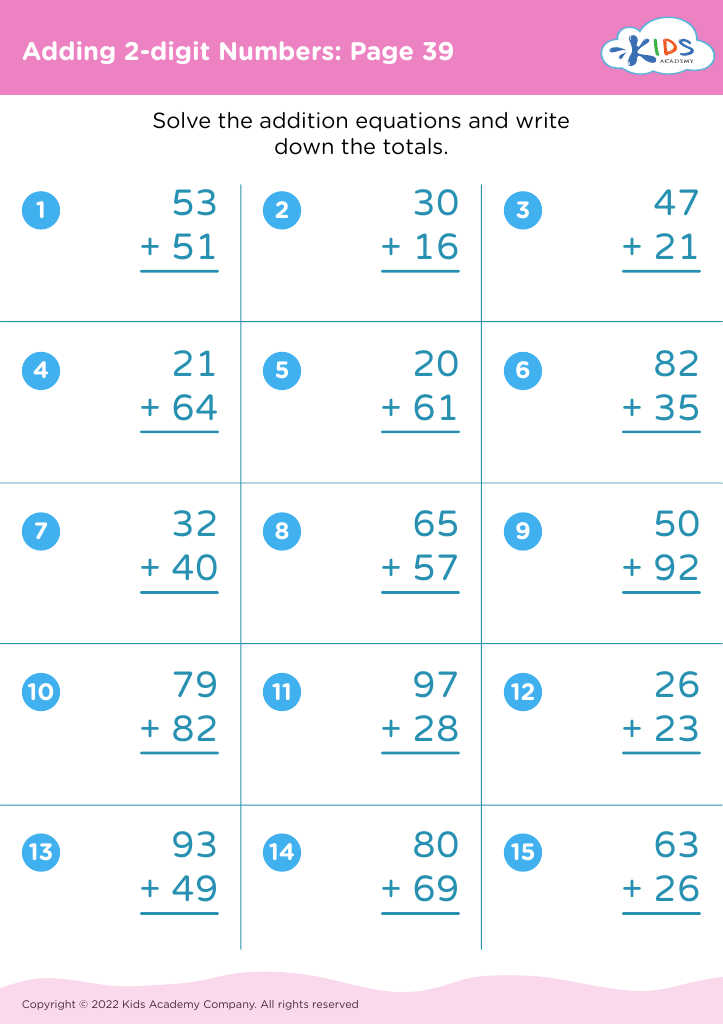
Adding 2-digit Numbers: Page 39

Adding 2-digit Numbers: Page 39

Adding 2-digit Numbers: Page 39
Worksheet
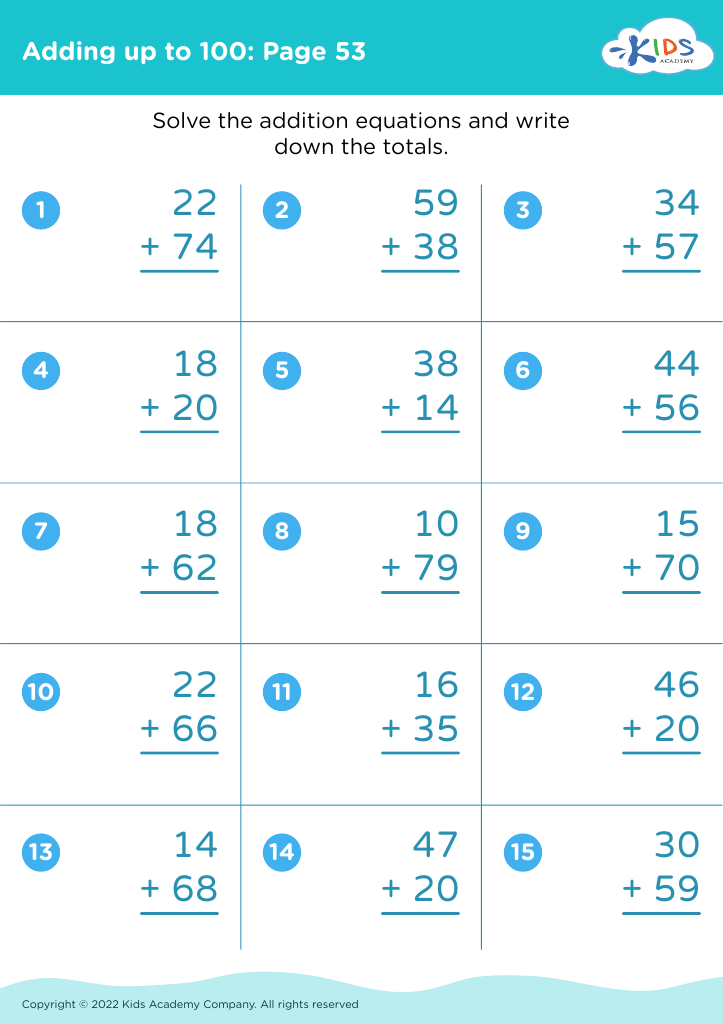
Adding up to 100: Page 53

Adding up to 100: Page 53

Adding up to 100: Page 53
Worksheet
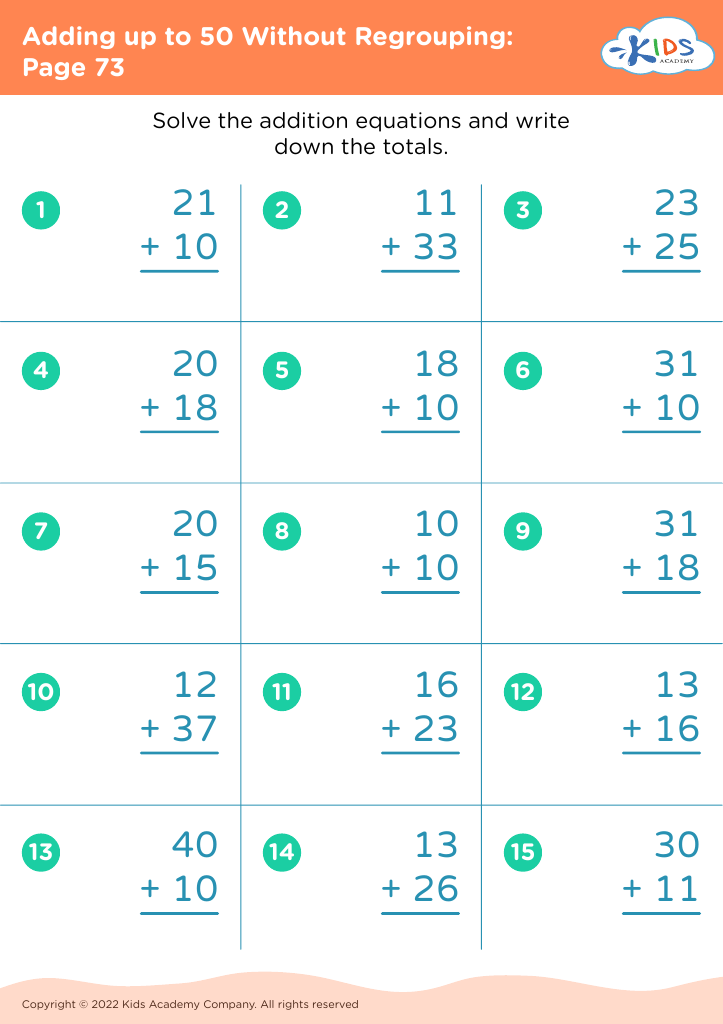
Adding up to 50 Without Regrouping: Page 73
Worksheet
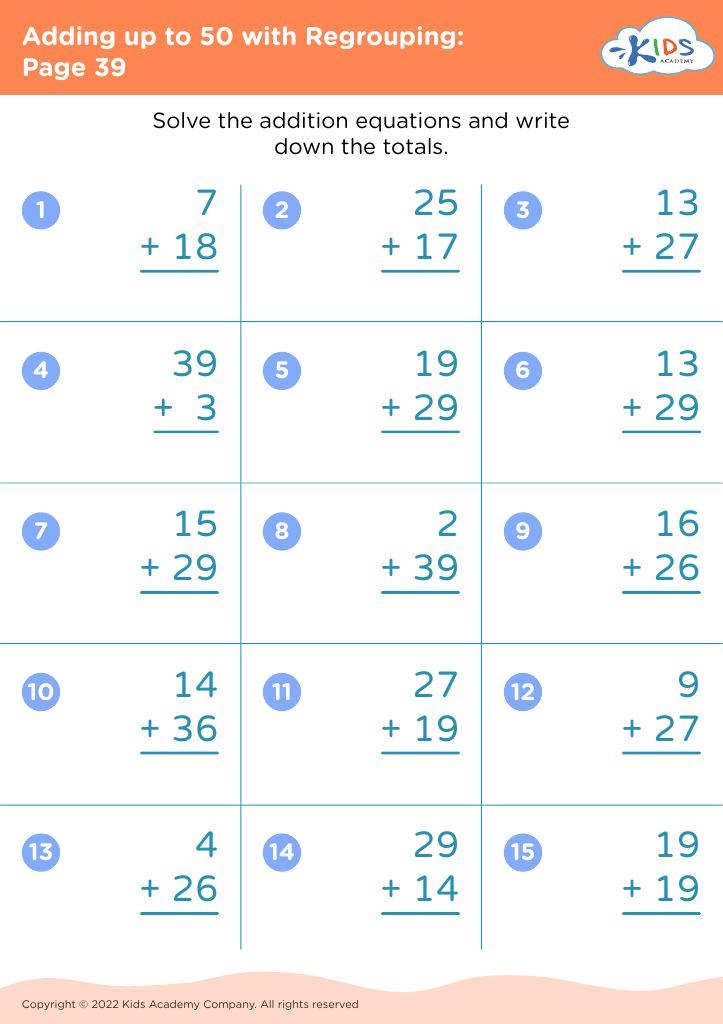
Adding up to 50 with Regrouping: Page 39
Worksheet


Fraction simplification is an essential concept for young learners aged 5-7 as it lays the groundwork for mathematical fluency and critical thinking. At this age, children are beginning to understand basic number relationships, and introducing fractions in a simplified form can help them grasp the idea of part-to-whole relationships. Simplifying fractions teaches children important skills such as recognizing equivalent fractions, which fosters number sense and enhances problem-solving abilities.

Moreover, understanding simplified fractions can lead to more engaged and confident learners. When children can easily compare, add, or subtract fractions, they feel a sense of accomplishment, which encourages a positive attitude towards mathematics. This foundational knowledge of fractions also presents opportunities for real-world applications, such as cooking or sharing, relating math to their everyday experiences.

Additionally, teaching fraction simplification at an early age can bridge the transition to more complex mathematical operations in later grades. Parents and teachers who emphasize these foundational skills set students up for ongoing success in mathematics, helping them tackle more challenging concepts with ease. Engaging children in discussions around simplification not only enhances their cognitive abilities but also fosters a love for learning that will benefit them throughout their educational journey.