Identifying patterns Math Worksheets for Ages 5-7
3 filtered results
-
From - To
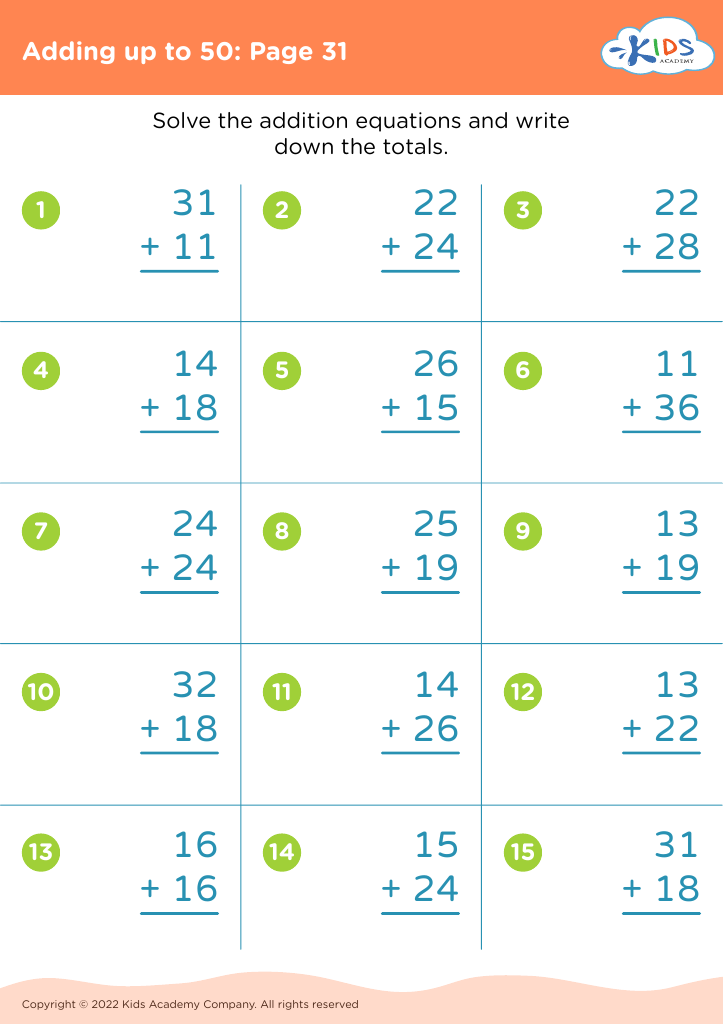
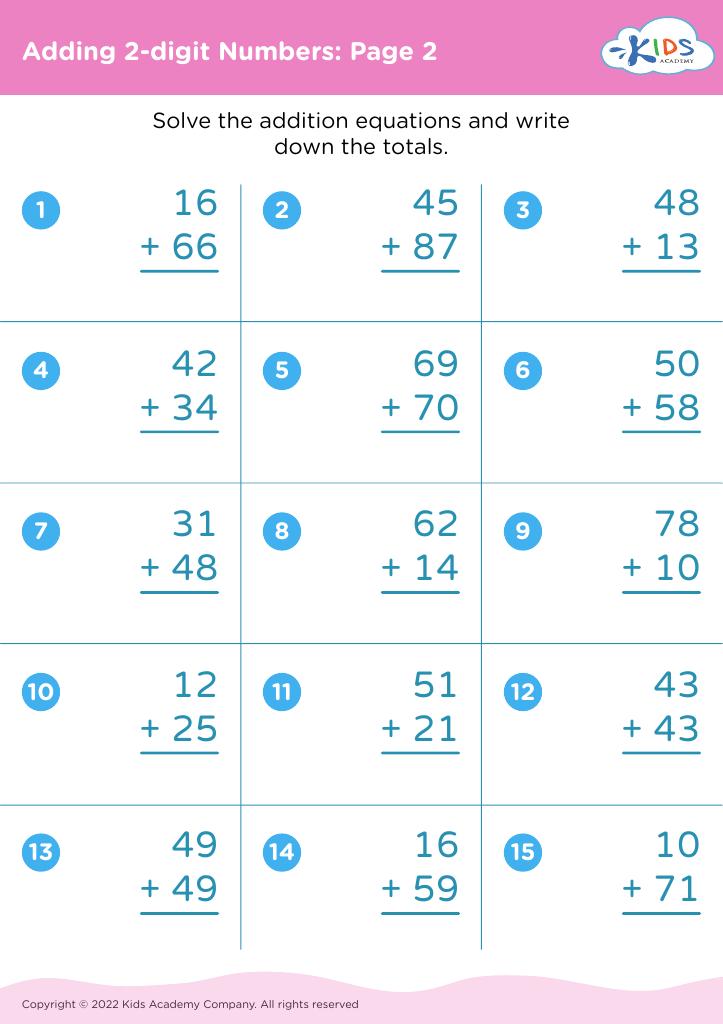
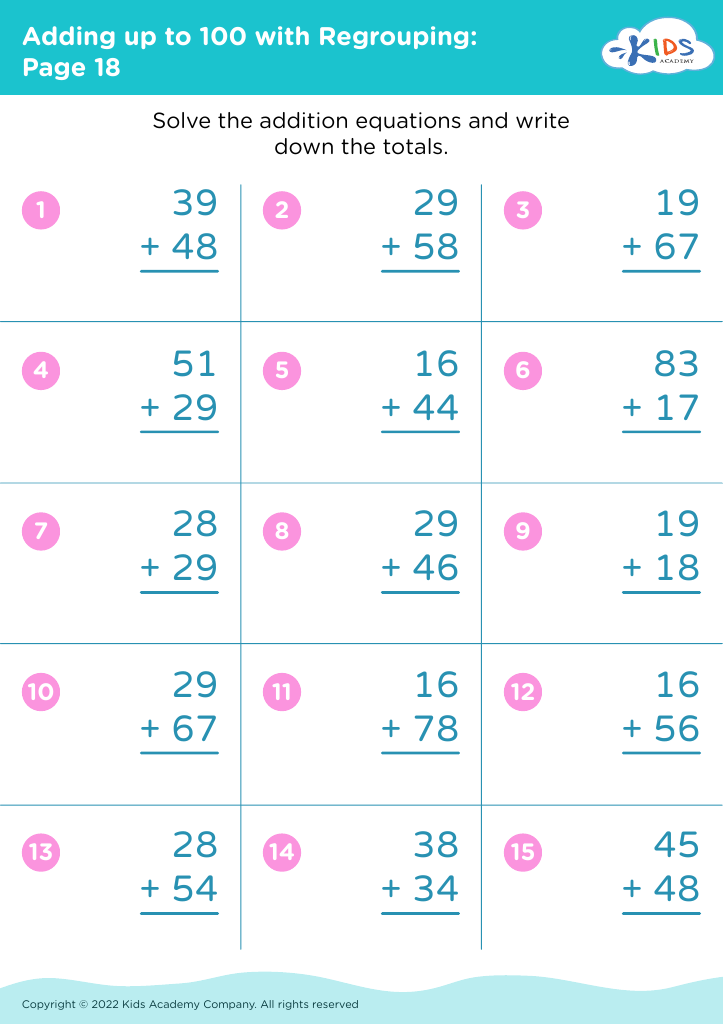
Discover our engaging "Identifying Patterns Math Worksheets" designed for children ages 5-7. These worksheets provide a fun way for young learners to recognize and extend patterns through colorful visuals and interactive activities. With exercises that include sorting, completing sequences, and matching shapes, kids will develop essential math skills while enhancing their critical thinking abilities. Our materials cater to diverse learning styles, ensuring every child grasps the concept of patterns effortlessly. Perfect for home or classroom use, these worksheets promote foundational math skills that set the stage for future academic success. Explore our collection and make learning an enjoyable adventure!







Identifying patterns in math is crucial for young learners aged 5-7 because it lays the foundation for critical mathematical skills. Recognizing patterns helps children make connections between numbers, shapes, and ideas, enhancing their problem-solving abilities. When children can identify and replicate patterns, they develop a sense of order and predictability, which is vital for later concepts such as addition, subtraction, and more complex operations.
Furthermore, establishing a strong understanding of patterns contributes to cognitive development. It encourages logical reasoning and helps children become systematic thinkers. By learning to recognize sequences—like alternating colors or numbers—students enhance their observation skills and attention to detail. This skill is transferable across subjects and fields, fostering an analytical mindset early in life.
Parents and teachers play a pivotal role in nurturing these abilities through engaging activities that incorporate patterns, such as games, puzzles, and storytelling. This not only makes math enjoyable but reinforces its relevance in daily life, whether counting objects or completing chores. Ultimately, prioritizing pattern identification empowers children with essential skills that pave the way for success in future mathematical learning and real-world problem solving.








