Boost your child's math skills with our engaging Math Worksheets tailored for ages 5-7! Designed to make learning fun, these worksheets cover essential math concepts, including addition, subtraction, counting, and recognizing patterns. Each worksheet is crafted to encourage critical thinking, problem-solving, and confidence in math. Our variety of colorful and interactive activities keeps young learners excited and motivated. Parents and educators can easily download and print these resources to support at-home learning or classroom instruction. Equip your child with the foundational math skills they need for future success—explore our collection of improvement-focused worksheets today!
Check out this FREE Trial Lesson on Math for age 5-7!

Match Objects that Fit Together

Favorites
With answer key
Interactive
  • 5-7
  • Improve math skills
  • Math
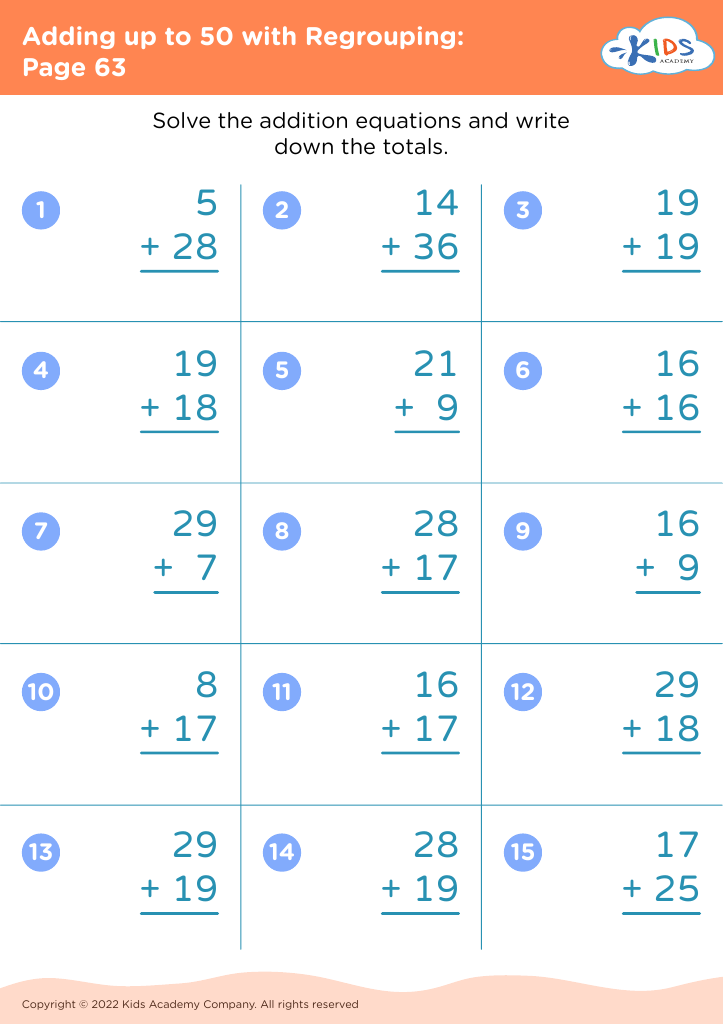
Adding up to 50 with Regrouping: Page 63
Worksheet
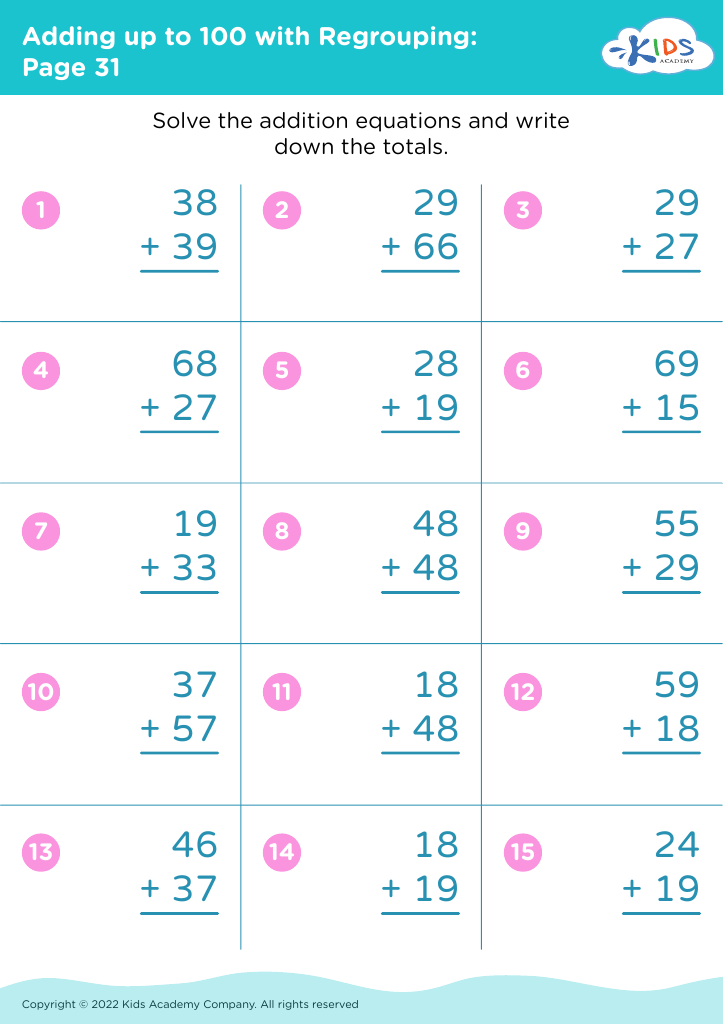
Adding up to 100 with Regrouping: Page 31
Worksheet
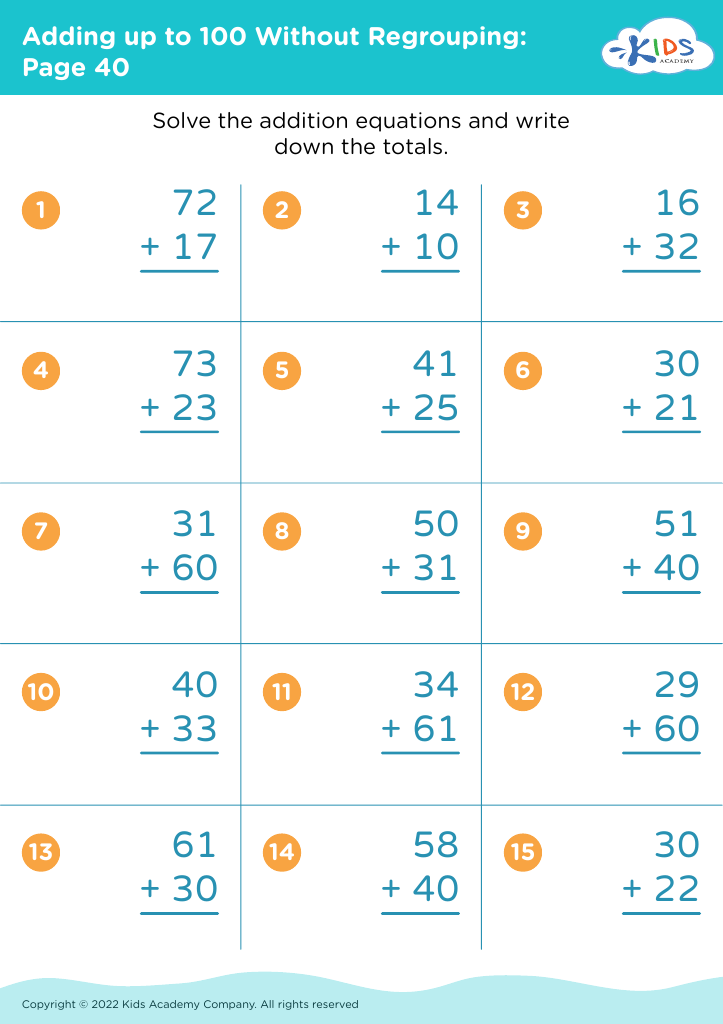
Adding up to 100 Without Regrouping: Page 40
Worksheet
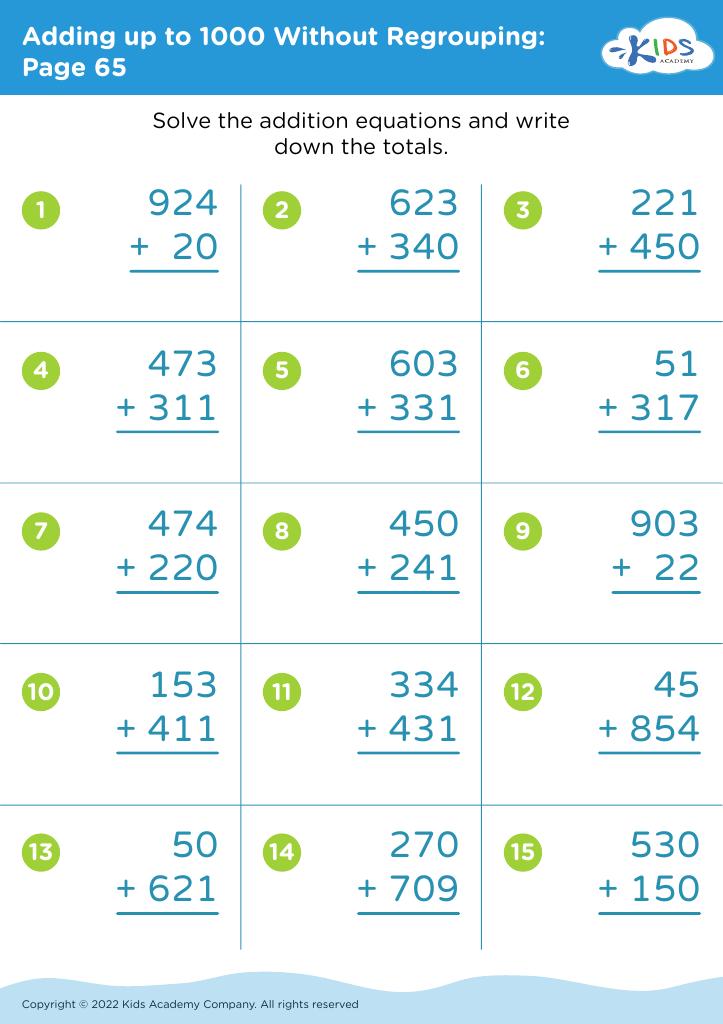
Adding up to 1000 Without Regrouping: Page 65
Worksheet
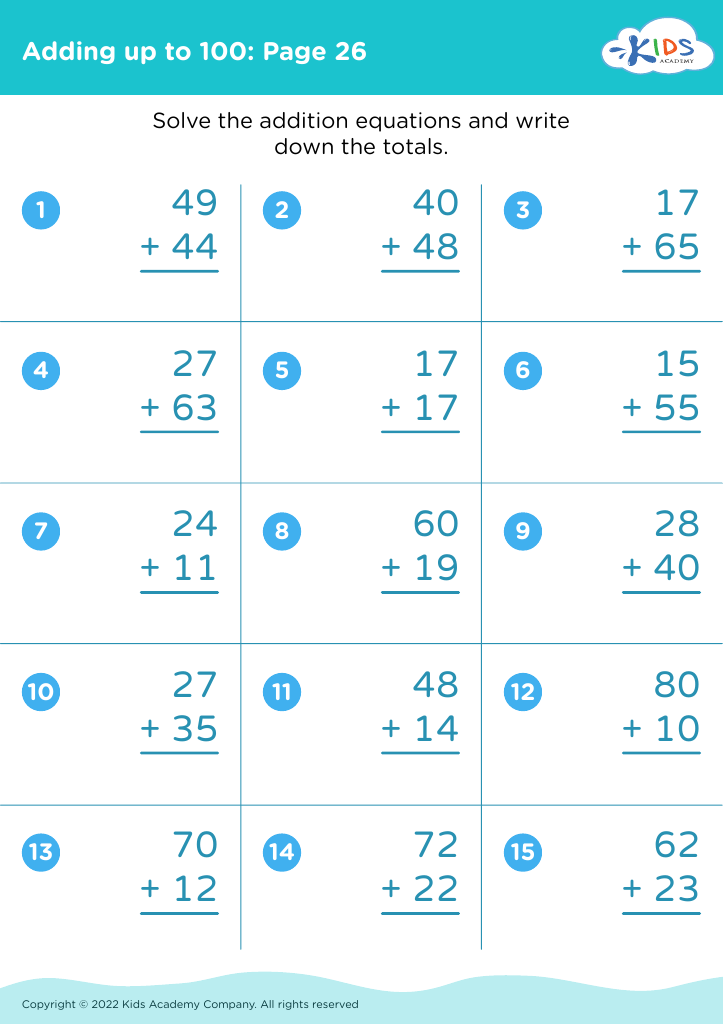
Adding up to 100: Page 26

Adding up to 100: Page 26

Adding up to 100: Page 26
Worksheet
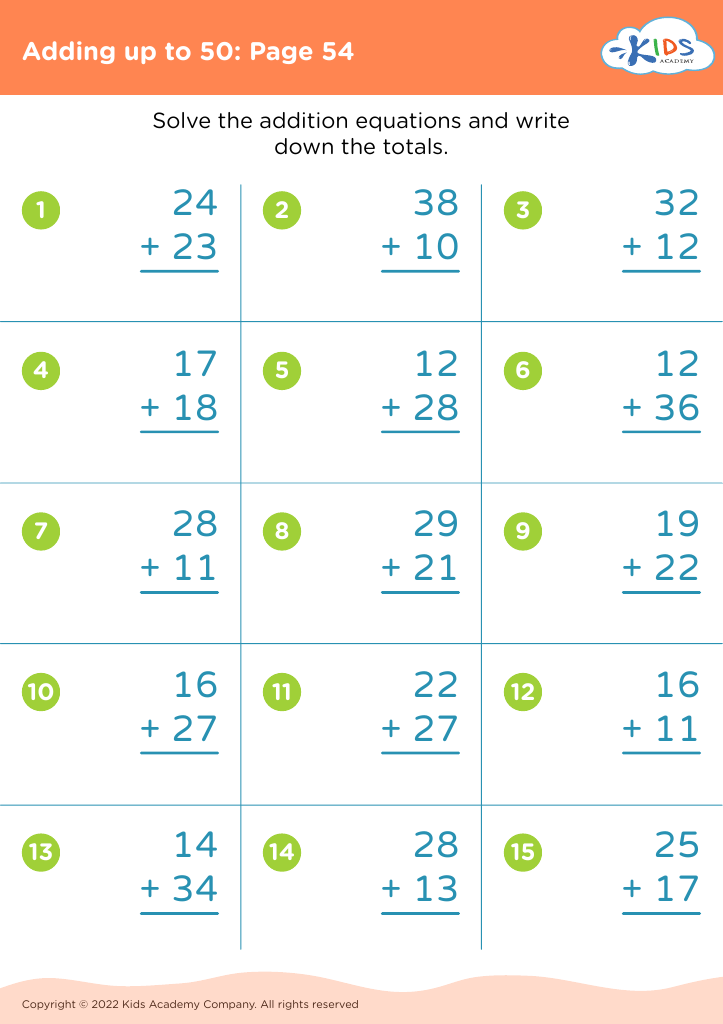
Adding up to 50: Page 54

Adding up to 50: Page 54

Adding up to 50: Page 54
Worksheet
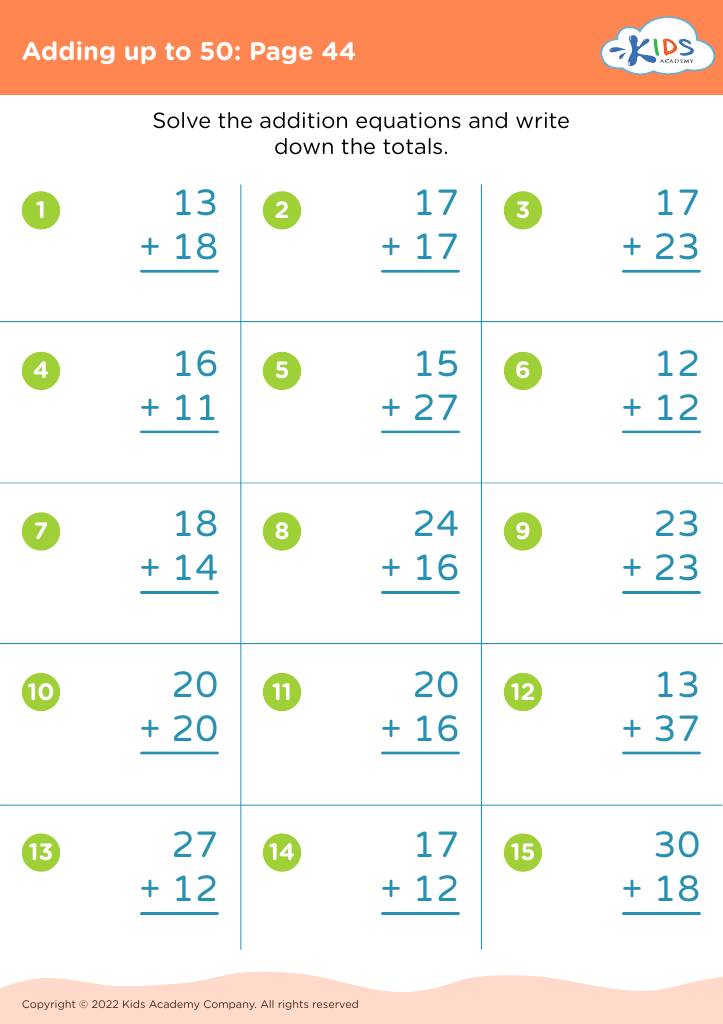
Adding up to 50: Page 44

Adding up to 50: Page 44

Adding up to 50: Page 44
Worksheet
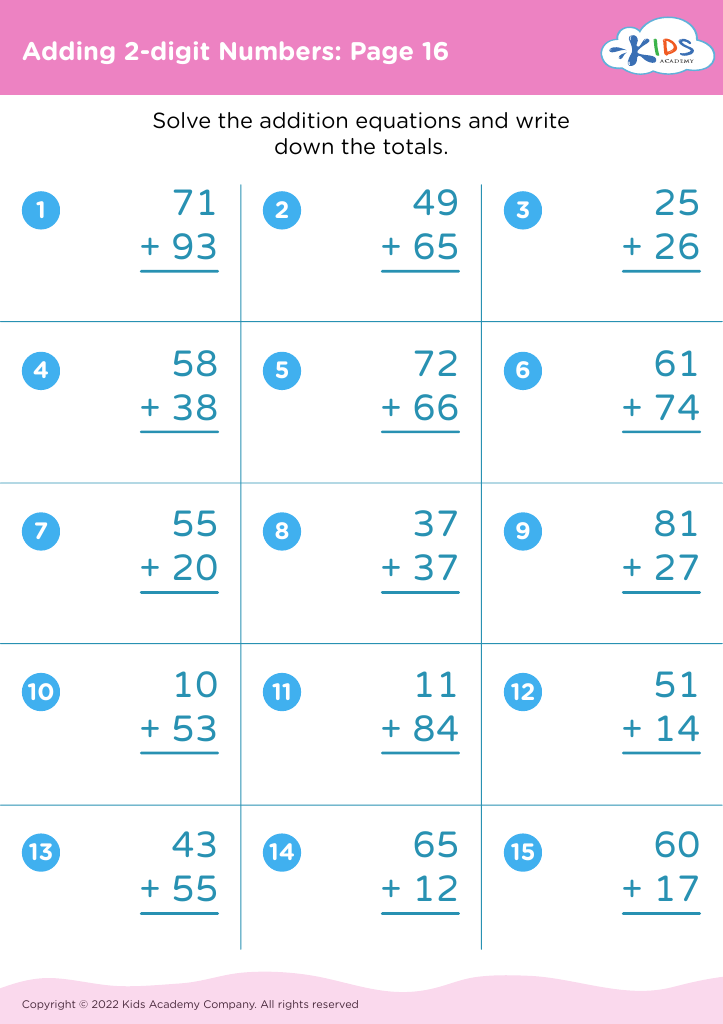
Adding 2-digit Numbers: Page 16

Adding 2-digit Numbers: Page 16

Adding 2-digit Numbers: Page 16
Worksheet
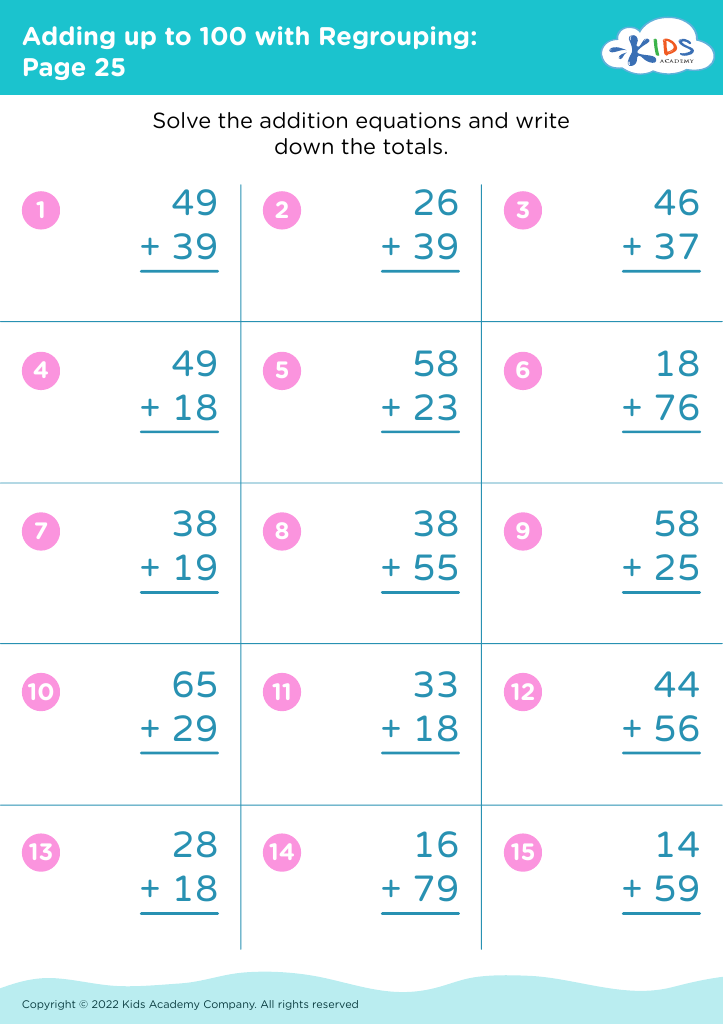
Adding up to 100 with Regrouping: Page 25
Worksheet
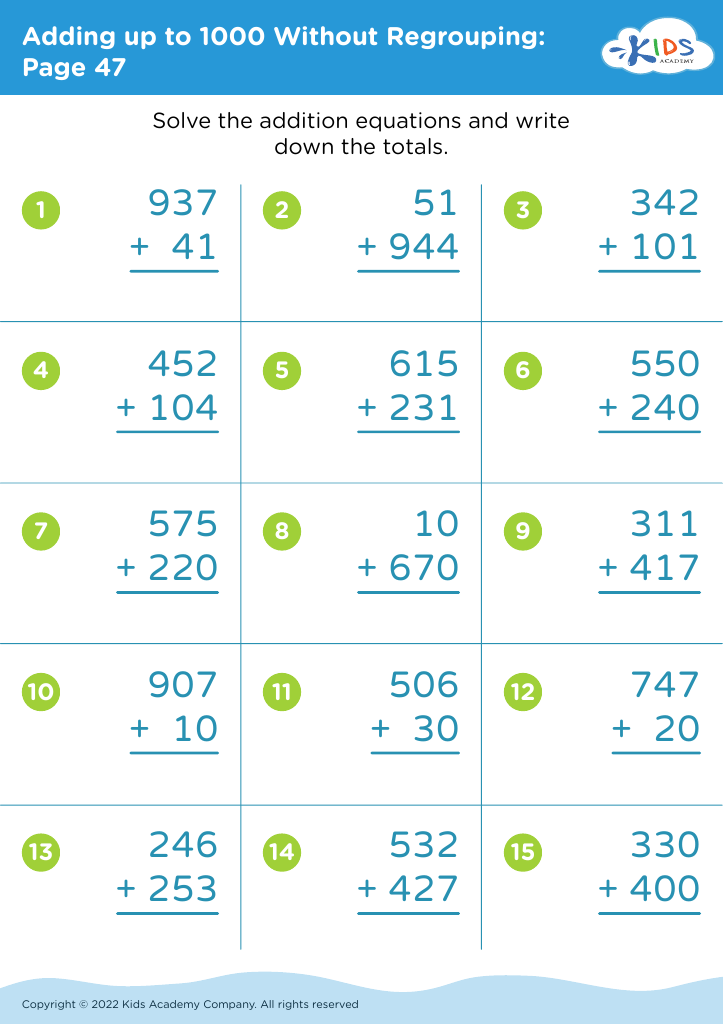
Adding up to 1000 Without Regrouping: Page 47
Worksheet
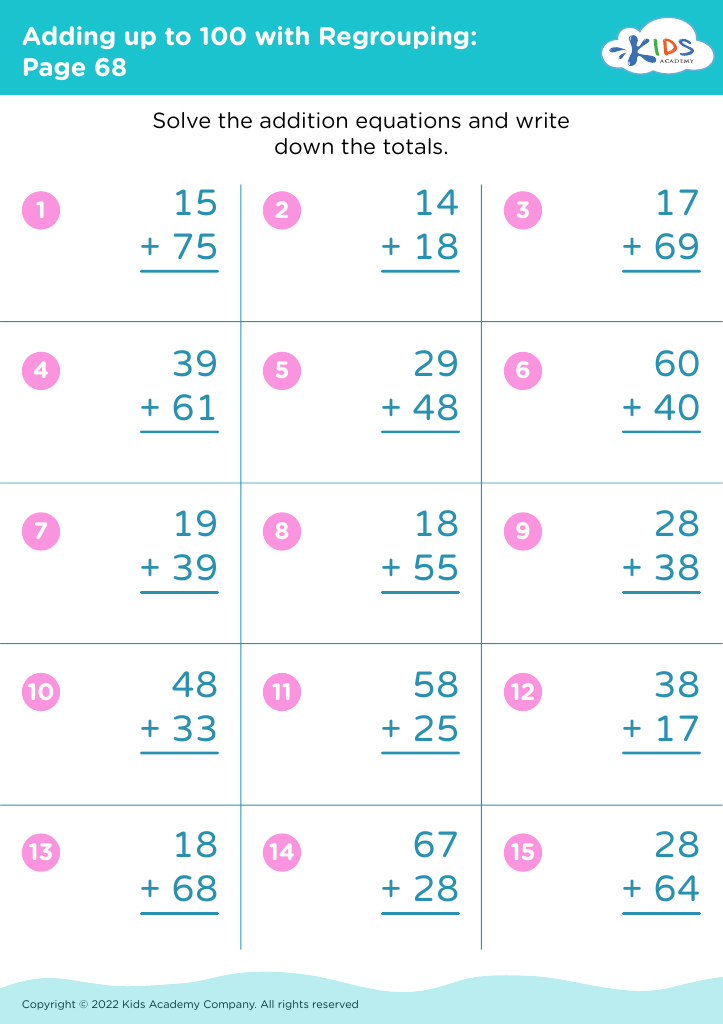
Adding up to 100 with Regrouping: Page 68
Worksheet
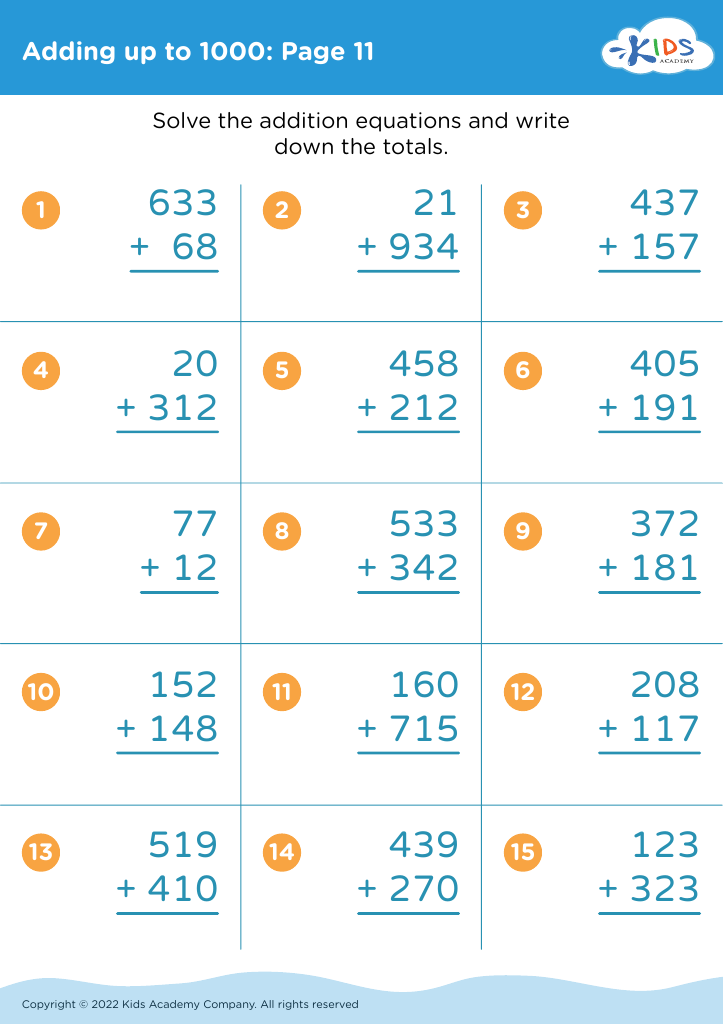
Adding up to 1000: Page 11

Adding up to 1000: Page 11

Adding up to 1000: Page 11
Worksheet
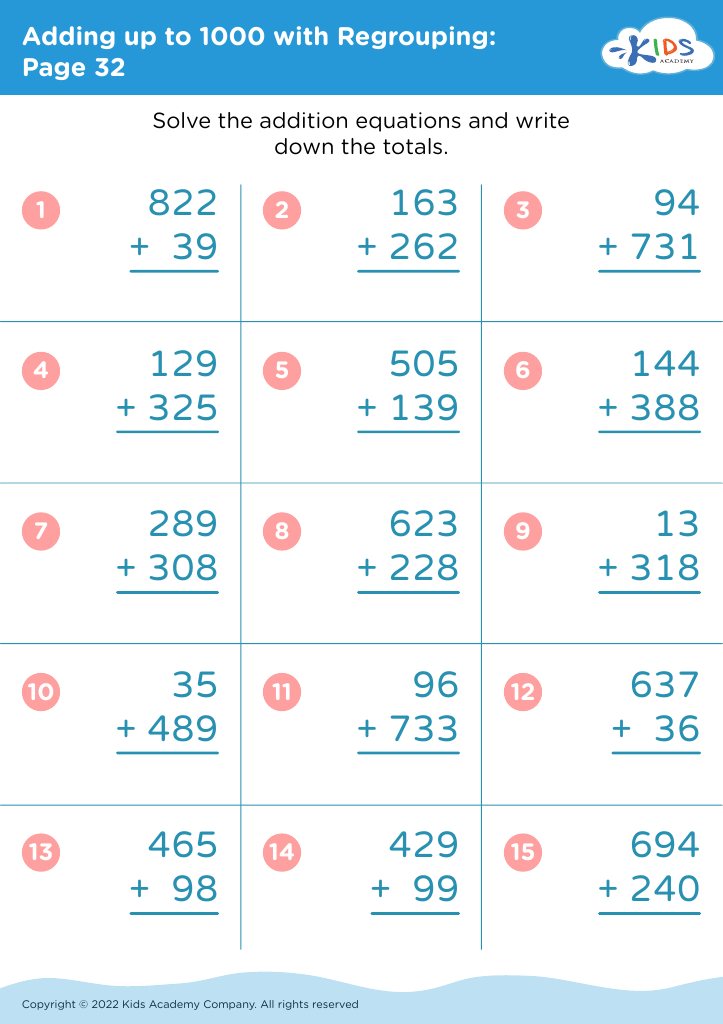
Adding up to 1000 with Regrouping: Page 32
Worksheet
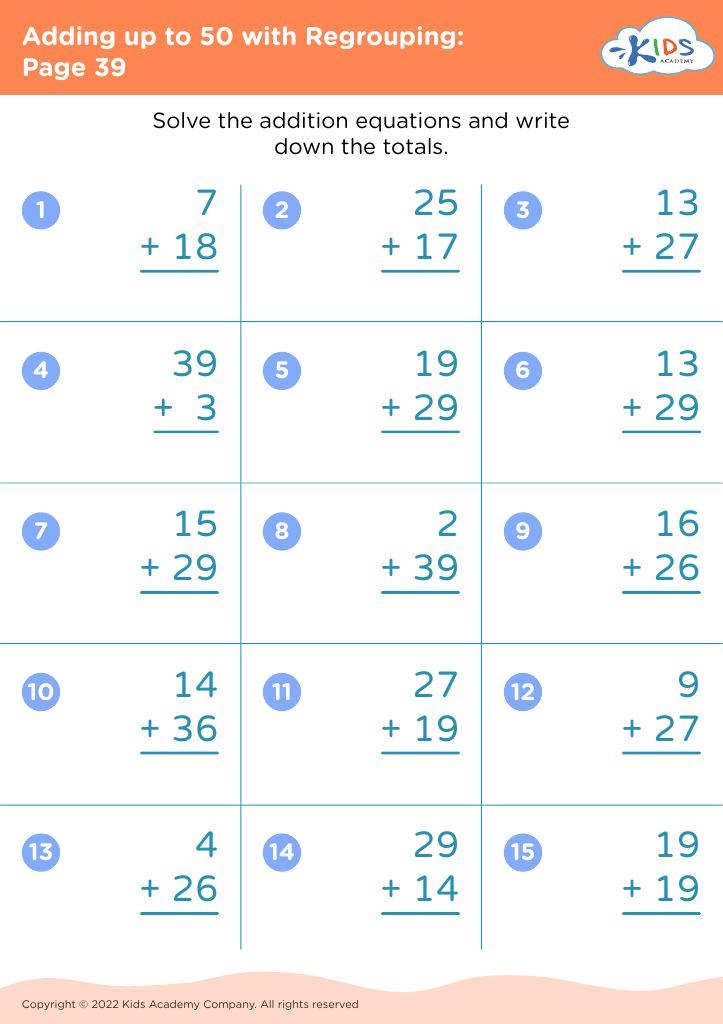
Adding up to 50 with Regrouping: Page 39
Worksheet
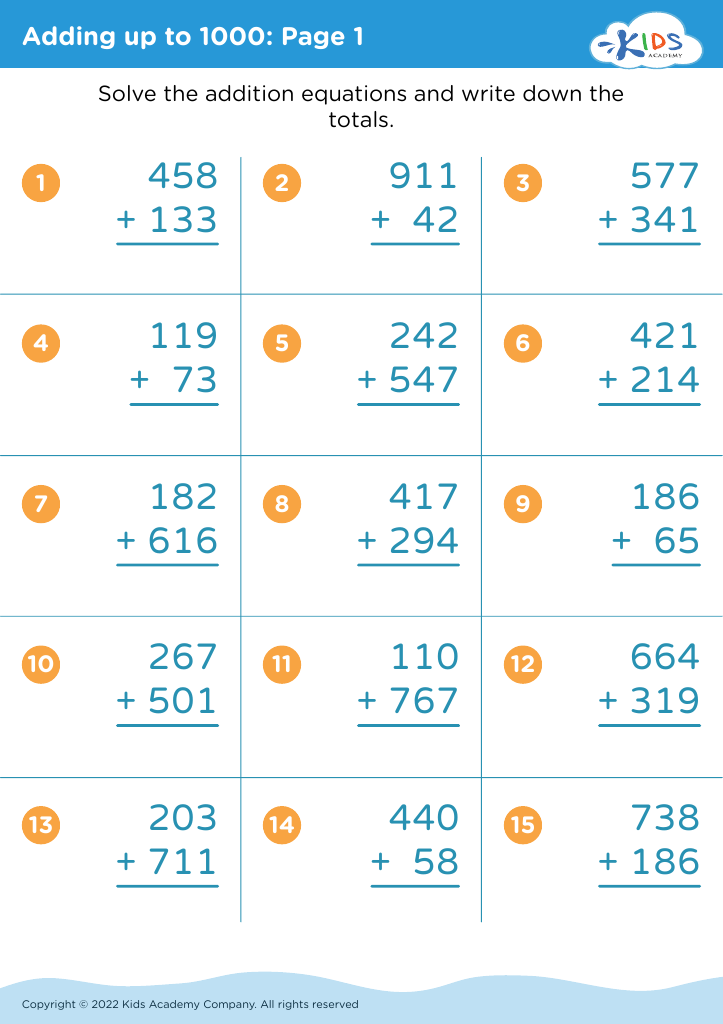
Adding up to 1000: Page 1

Adding up to 1000: Page 1

Adding up to 1000: Page 1
Worksheet
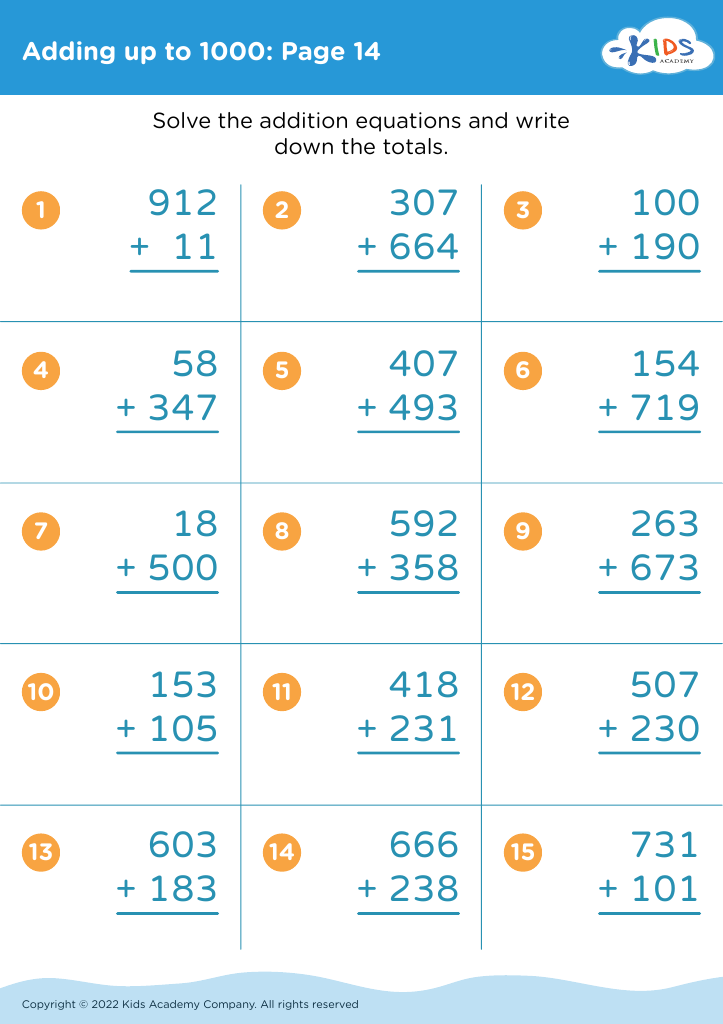
Adding up to 1000: Page 14

Adding up to 1000: Page 14

Adding up to 1000: Page 14
Worksheet
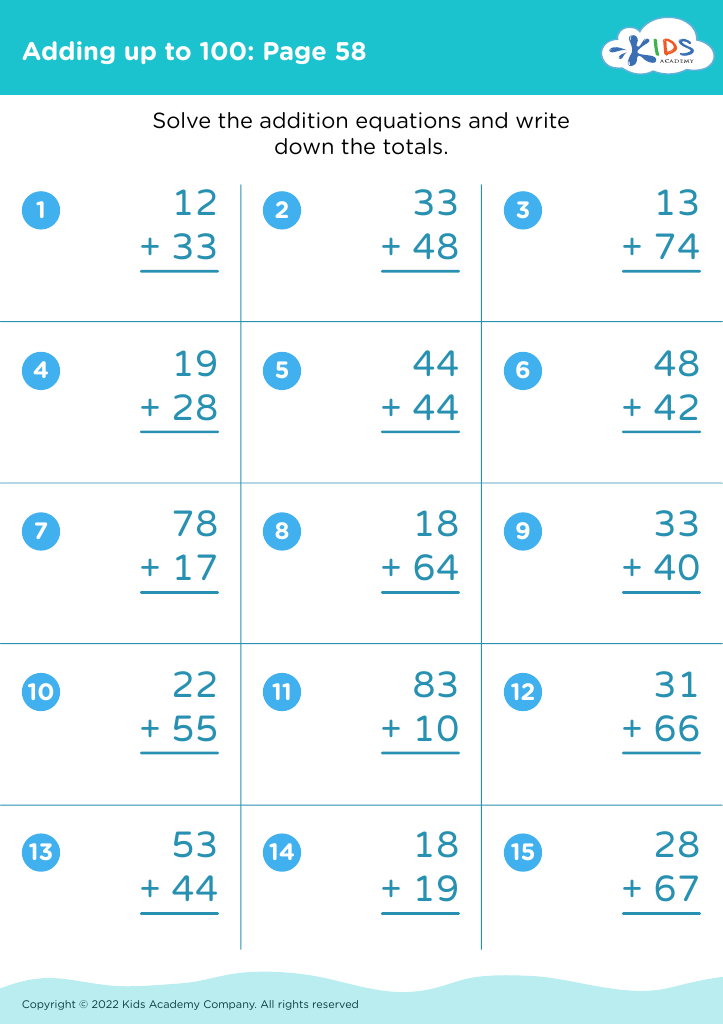
Adding up to 100: Page 58

Adding up to 100: Page 58

Adding up to 100: Page 58
Worksheet


Improving math skills for children aged 5-7 is crucial because this age group is at a developmental stage where foundational understanding can significantly impact later academic success. During these formative years, children develop critical thinking and problem-solving abilities through engaging with math concepts. Strong math skills not only foster confidence but also support cognitive development—enhancing logic and reasoning, which are applicable in various subjects.

Encouraging math literacy early helps children understand basic concepts such as counting, addition, and subtraction, which are essential for everyday tasks and future education. Additionally, math skills are correlated with success in STEM (science, technology, engineering, and mathematics) fields, which are increasingly vital in today’s technology-driven society.

Moreover, early math proficiency aids in building a positive attitude towards learning. When children succeed in math, they are likely to embrace challenges in other areas, promoting a lifelong love for learning. For parents and teachers, fostering a supportive environment that prioritizes math skills enriches collaborations and interactions at home and in school, nurturing a strong foundation for future academic and personal achievements. Ultimately, investing in math education for young children impacts not just individuals, but contributes to a more numerate and capable society.