
Introduction to mathematics Math Worksheets for Ages 5-7
3 filtered results
Difficulty Level
Grade
Age
-
From - To
Subject
Activity
Standards
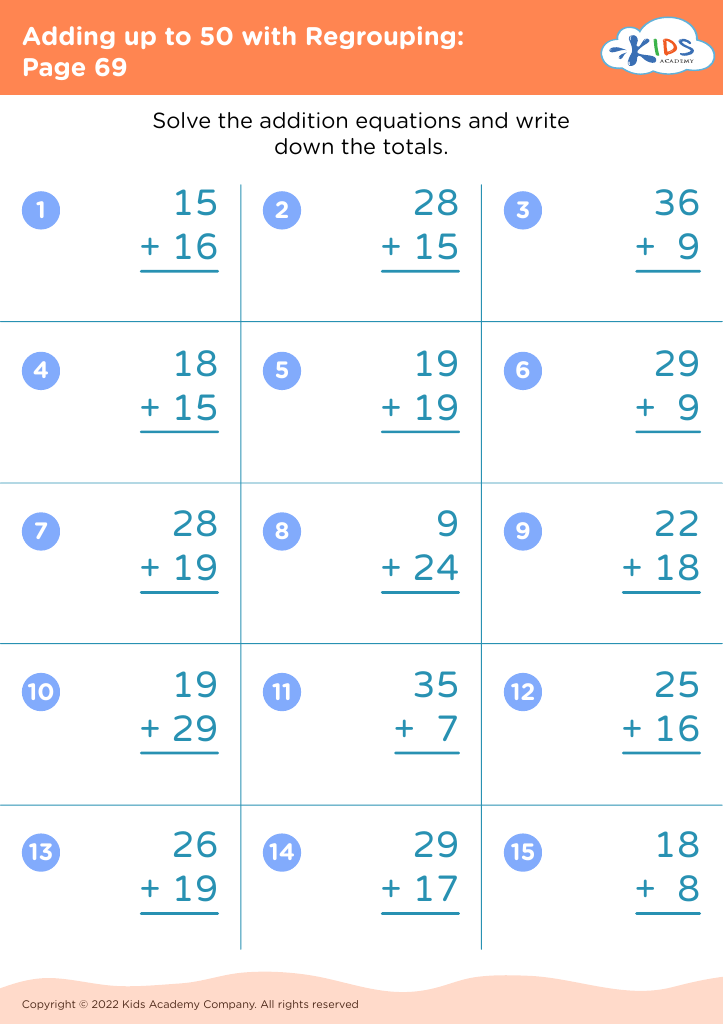
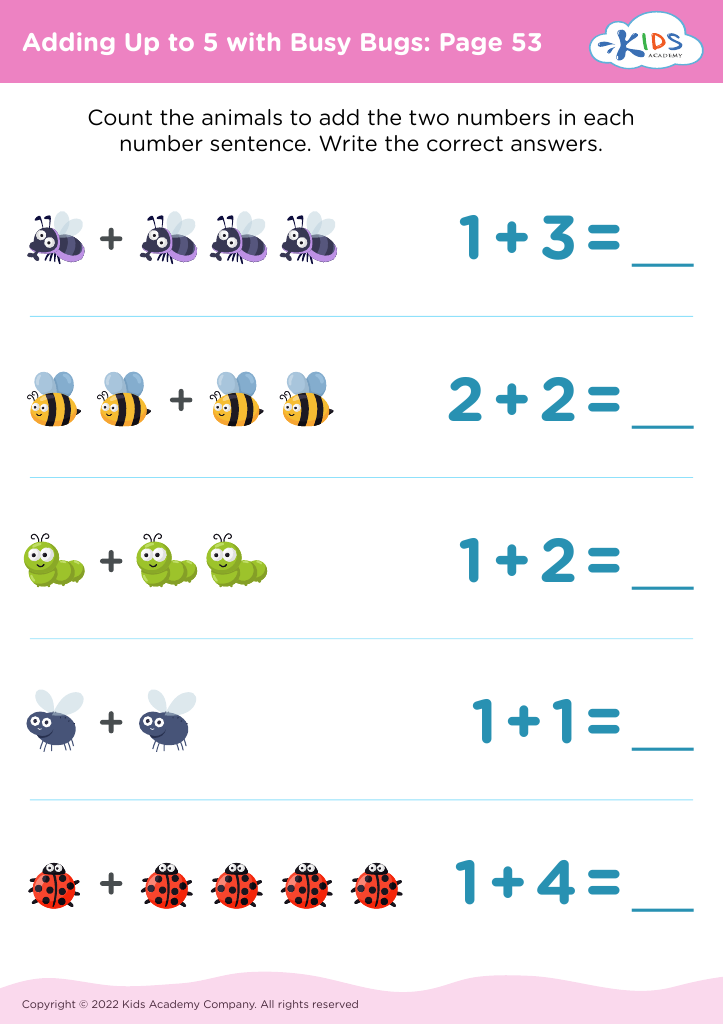
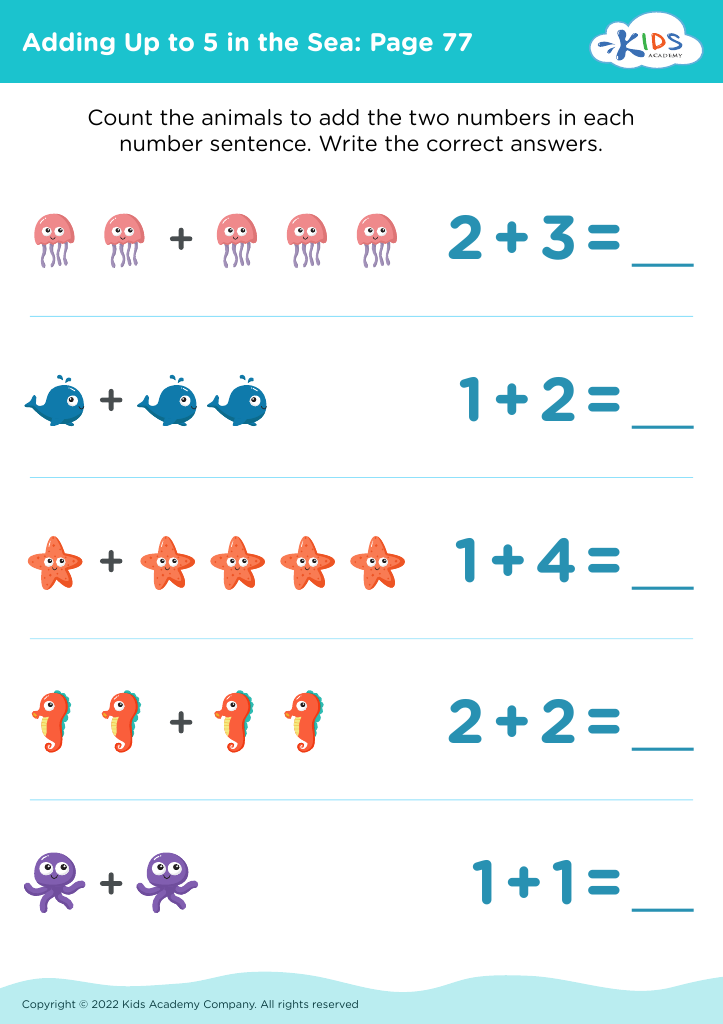
Welcome to our "Introduction to Mathematics" math worksheets designed specifically for children ages 5-7! These engaging worksheets introduce foundational math concepts in a fun and interactive way, helping young learners grasp essential skills like counting, number recognition, addition, and subtraction. With colorful illustrations and age-appropriate activities, children will develop their problem-solving abilities and critical thinking skills. Our worksheets also promote a love for learning and prepare kids for more complex math topics in the future. Explore our collection today and provide your child with a solid math foundation while encouraging creativity and exploration! Perfect for home or classroom use.
Favorites
With answer key
Interactive
Join Kids Academy for Free
Who is primarily going to use this learning content?








Introduction to mathematics for ages 5-7 is crucial for laying a strong foundation for a child's future learning. At this stage, children are naturally curious and eager to explore the world around them, and mathematics offers a way to make sense of their experiences. Early math skills help develop critical thinking, problem-solving abilities, and the ability to recognize patterns, which are all essential for success in later academic work.
Parents and teachers should care because early exposure to math encourages positive attitudes. Young children who engage with mathematics through hands-on activities and play are more likely to find math enjoyable and relevant, setting the stage for lifelong learning. By introducing concepts such as counting, simple addition and subtraction, shapes, and measuring, educators can foster both cognitive and emotional development.
Moreover, math is interwoven into everyday life, from cooking to shopping, making it vital for children to see its real-world applications. Collaborative activities between parents and teachers can reinforce learning, strengthen bonds, and promote a comprehensive understanding of math in different contexts. Ultimately, building a solid foundation in mathematics during these formative years can lead to greater academic confidence and success as children progress through their education.








