Letter Tracing Practice Math Worksheets for Ages 5-7
3 filtered results
-
From - To
Enhance your child's handwriting skills with our Letter Tracing Practice Math Worksheets, designed specifically for children ages 5-7. These engaging, printable worksheets combine math concepts with letter formation, making learning fun and effective. As students trace letters, they improve their fine motor skills while reinforcing their understanding of essential math vocabulary. Each worksheet features colorful designs that captivate young learners, promoting active participation. Perfect for home or classroom use, our resources are tailored to align with early education standards, ensuring a well-rounded approach to math and literacy. Download now to support your child's learning journey with engaging content!
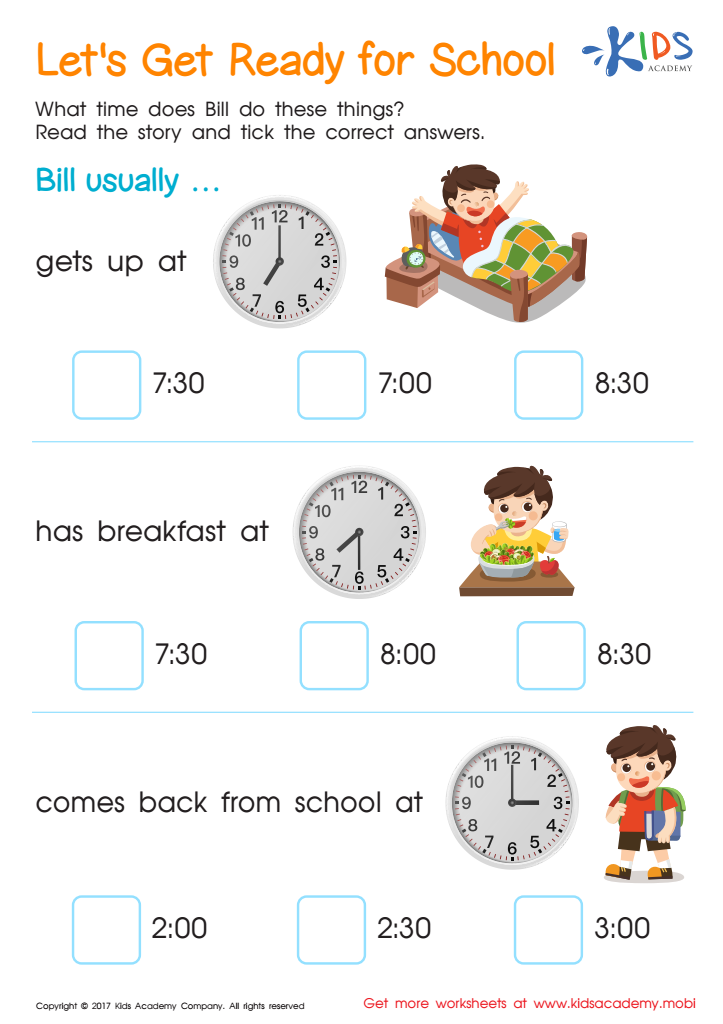
Lets Get Ready For School Time Printable
 Assign to My Students








Parents and teachers should care about letter tracing practice for children aged 5-7 because it is a foundational skill that significantly impacts their academic development. This age range is critical for developing fine motor skills, which are essential for writing and other tasks in later years. Letter tracing helps children improve their hand-eye coordination while providing a structured method to learn letter formation.
Moreover, tracing letters reinforces letter recognition and phonemic awareness, crucial for reading. When children trace letters, they engage multiple senses, combining visual, tactile, and kinesthetic learning, which deepens their understanding and memory of letters. This multisensory approach caters to different learning styles, ensuring all children can benefit.
Letter tracing practice also fosters confidence and independence in early learners. Mastery of letter formation allows students to express themselves more freely through writing, enhancing their creativity and communication skills. As they develop these skills, children are better prepared for more complex tasks in math and literacy.
In summary, incorporating letter tracing into early learning activities offers a variety of cognitive and motor skill development benefits that lay a strong foundation for future academic success, making it an essential practice for parents and teachers to support in young learners.








