
Practice counting Math Worksheets for Ages 5-7
6 filtered results
Difficulty Level
Grade
Age
-
From - To
Subject
Activity
Standards
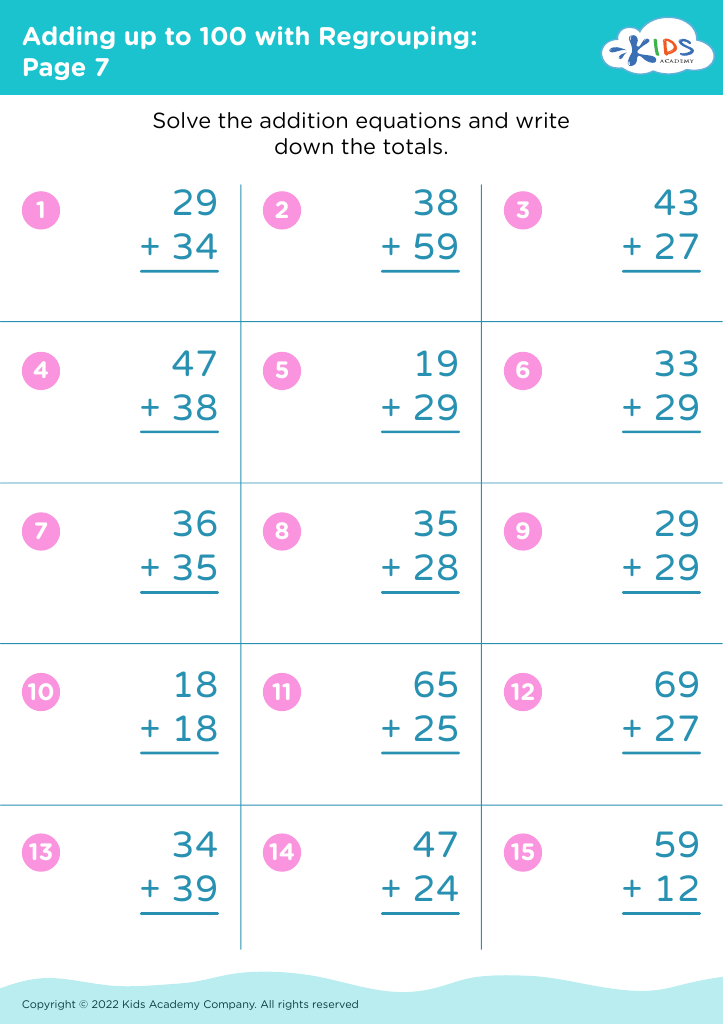
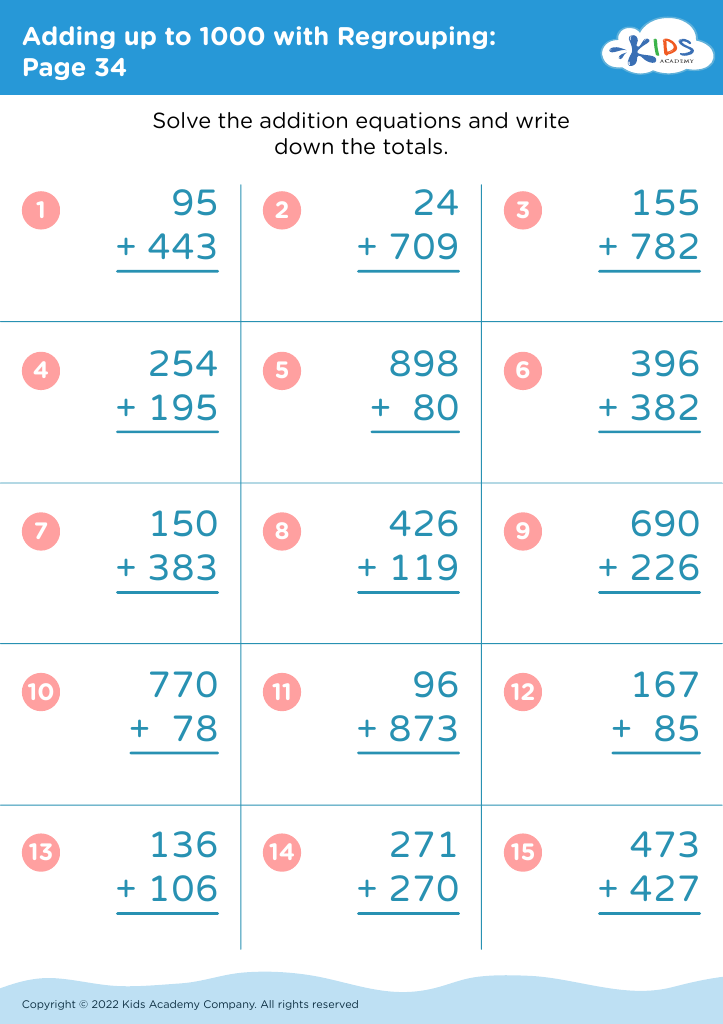
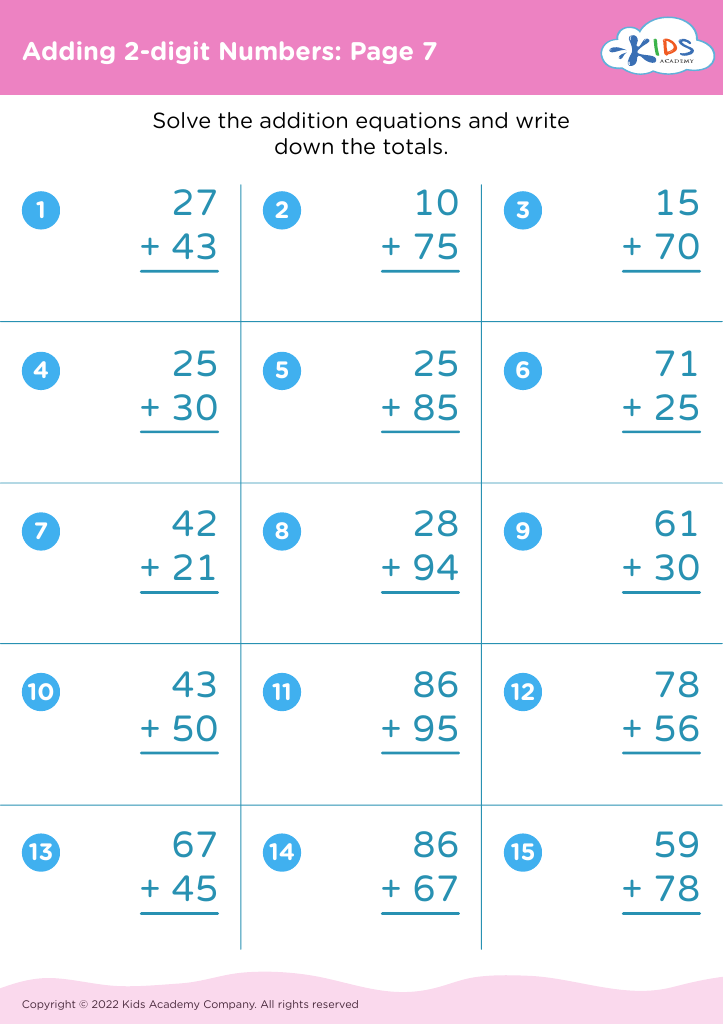
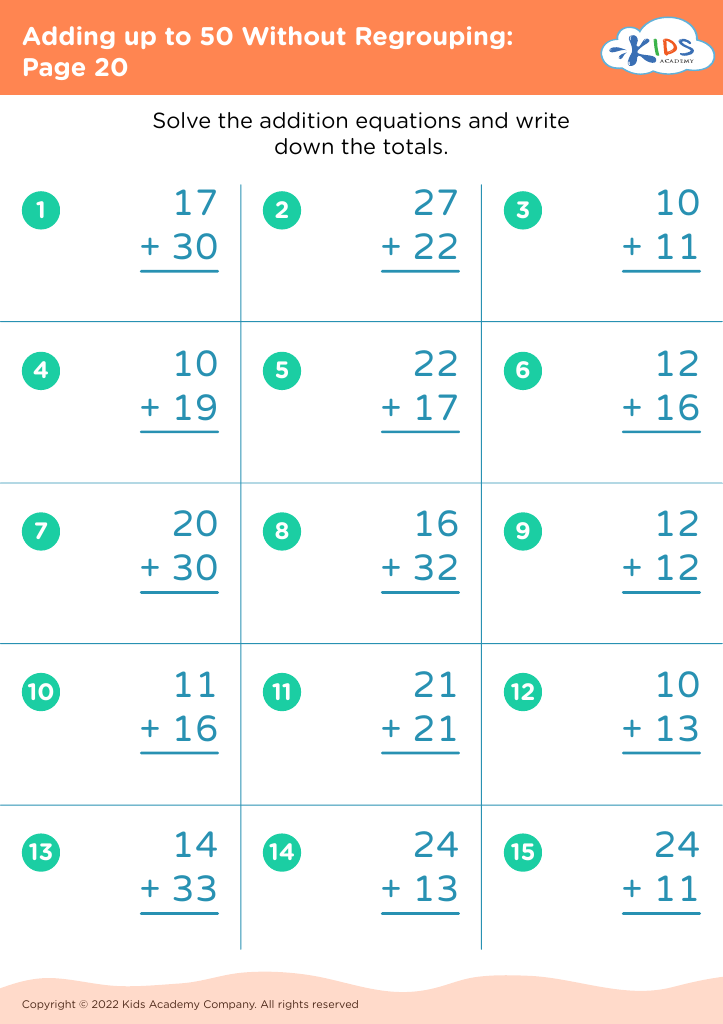
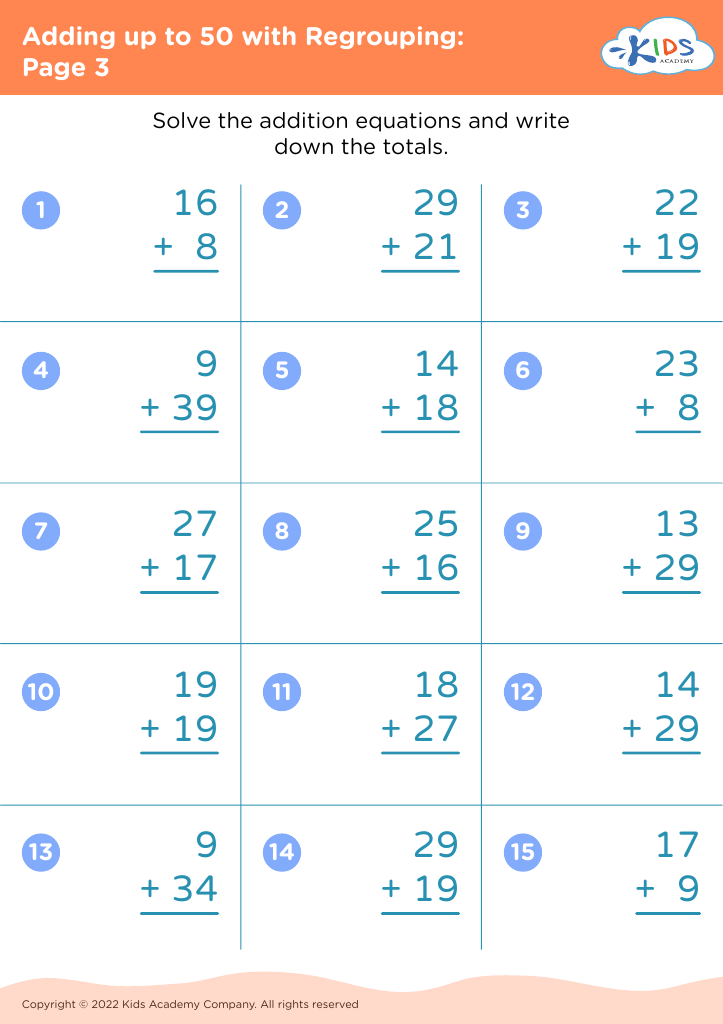
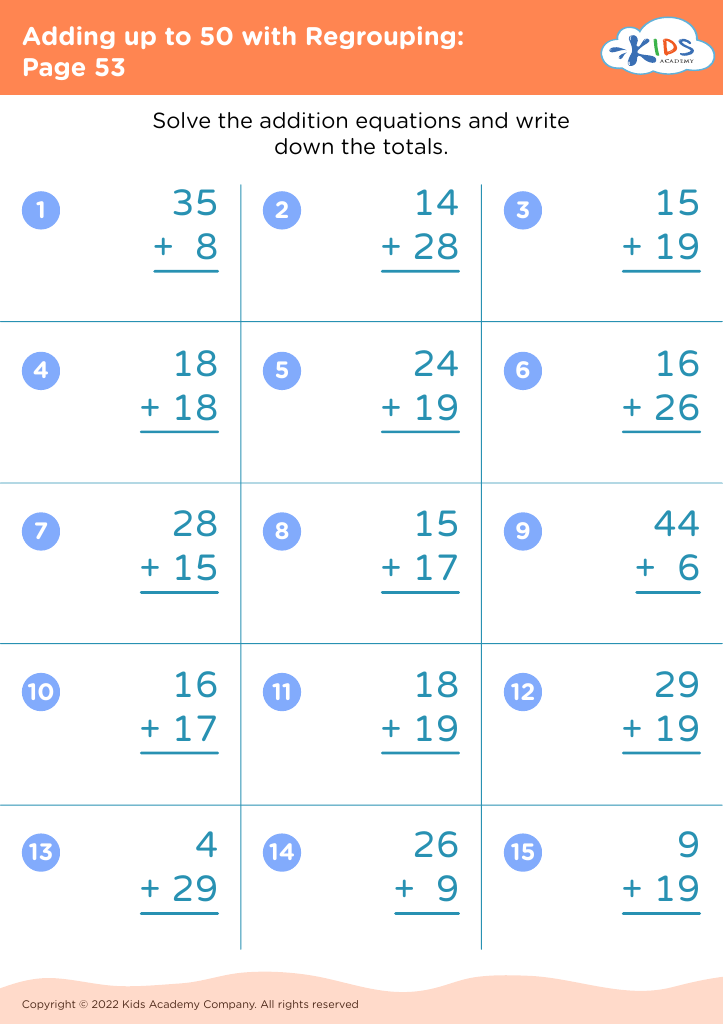
Introducing our engaging and educational Practice Counting Math Worksheets, perfect for children ages 5-7! Designed to make learning fun, these printable worksheets help young learners build essential counting skills. Activities include counting objects, number recognition, and basic addition exercises tailored to varying skill levels. Each worksheet features colorful illustrations and interactive tasks to keep kids motivated and excited about math. Whether practicing at home or in the classroom, our worksheets provide a solid foundation in early math concepts, setting the stage for future academic success. Give your child the confidence to excel in math with our Practice Counting Math Worksheets today!
Favorites
With answer key
Interactive
Join Kids Academy for Free
Who is primarily going to use this learning content?



.jpg)




Parents and teachers play a pivotal role in fostering early math skills, particularly counting, for children aged 5-7. At this stage, youngsters are building foundational numeracy skills that are essential for their future learning. Counting is more than just reciting numbers; it enhances cognitive development, promotes logical thinking, and helps children understand the concept of quantity, order, and value.
When children practice counting, they develop number sense, which is the ability to recognize relationships between numbers and grasp basic arithmetic concepts. This early understanding is crucial for tackling more complex math topics later on. Moreover, counting exercises stimulate memory and attention, improving their overall concentration.
Engaging in counting activities makes math tangible and relatable for children. Using everyday objects—like toys, fruits, or steps—brings abstract numbers to life, providing practical learning experiences that deepen comprehension. Furthermore, practice counting with games and songs can make learning enjoyable, fostering a positive attitude towards math from a young age.
Investing time in developing these skills can ease future academic challenges. By establishing a strong mathematical foundation, parents and teachers equip children with the confidence and ability to succeed in math and other subjects. Therefore, encouraging frequent counting exercises is a critical step in nurturing well-rounded, mathematically proficient students.








