Practice inference skills Math Worksheets for Ages 5-7
3 filtered results
-
From - To
Enhance your child’s reasoning abilities with our engaging Practice Inference Skills Math Worksheets designed for ages 5-7. These worksheets offer fun and interactive activities that help young learners develop critical thinking and problem-solving skills through real-world scenarios. With colorful illustrations and simple instructions, children will explore patterns, predict outcomes, and draw meaningful conclusions. Our easy-to-use resources make learning math enjoyable, ensuring that your child stays motivated and excited about discovering new concepts. Perfect for homework, classroom use, or extra practice at home, these worksheets are an essential tool for building essential inference skills in early learners. Download now to get started!
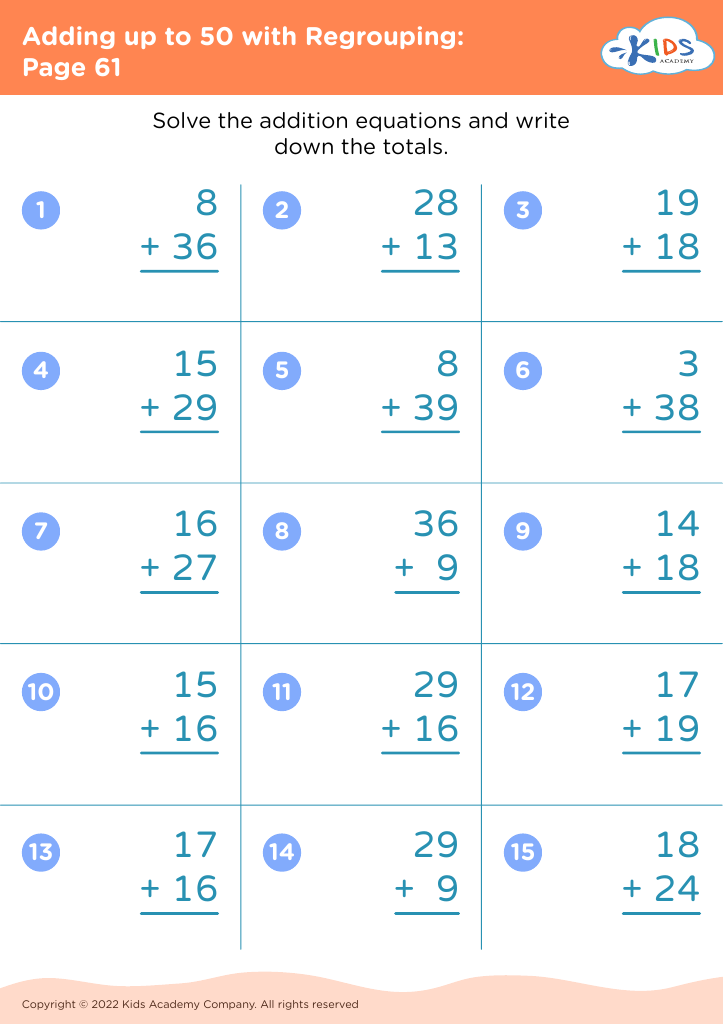
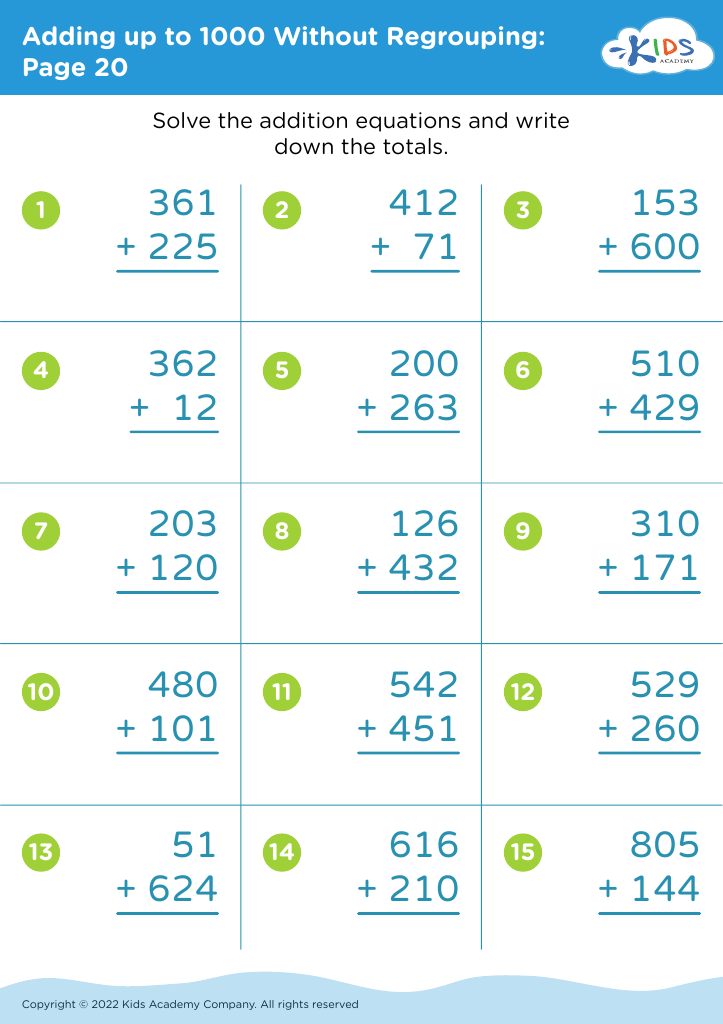
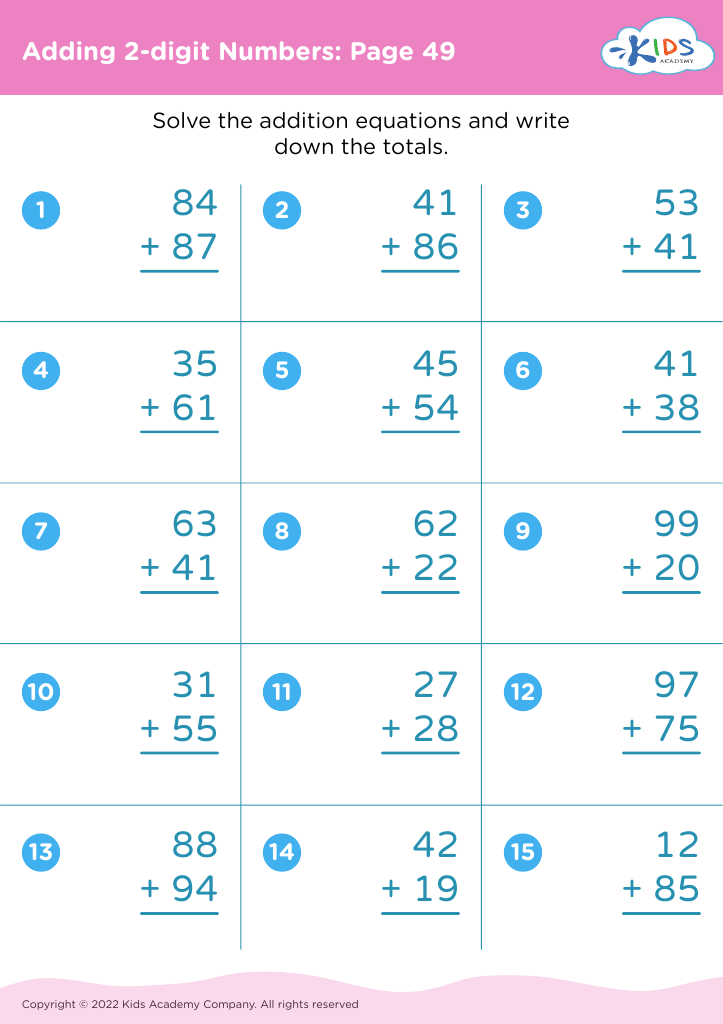








Practice inference skills in math for children aged 5-7 is crucial as it lays a solid foundation for their critical thinking and problem-solving abilities. At this developmental stage, children are beginning to grasp numerical concepts, patterns, and relationships. By encouraging them to make inferences—connecting prior knowledge to new information—we help them understand mathematical concepts beyond mere memorization.
This practice helps students navigate word problems, enhances their reasoning abilities, and promotes a deeper understanding of how math relates to everyday life. For instance, when children deduce the best solution to a problem based on given clues, they learn to approach challenges systematically.
Moreover, fostering inference skills helps in developing a growth mindset. Young learners become more confident in their ability to think through problems rather than relying solely on instructional guidance. For parents and teachers, prioritizing these skills cultivates resilience in children, enabling them to tackle increasingly complex concepts in the future.
Ultimately, strong inference skills in early math serve not just academic growth but also pave the way for lifelong learning and adaptability, essential traits in our rapidly changing world.








