Recognize shapes Math Worksheets for Ages 5-7
9 filtered results
-
From - To
Explore our "Recognize Shapes" Math Worksheets designed for children aged 5-7. These printable worksheets offer a fun and engaging way for young learners to identify and understand various shapes, enhancing their mathematical skills. With colorful images and interactive activities, kids will enjoy tasks that include matching, tracing, and group categorization of shapes. Our resources are tailored to reinforce shape recognition while developing critical thinking and motor skills. Ideal for home or classroom use, these worksheets will help your child build a strong foundation in math in an enjoyable way. Start shaping their mathematical journey today!
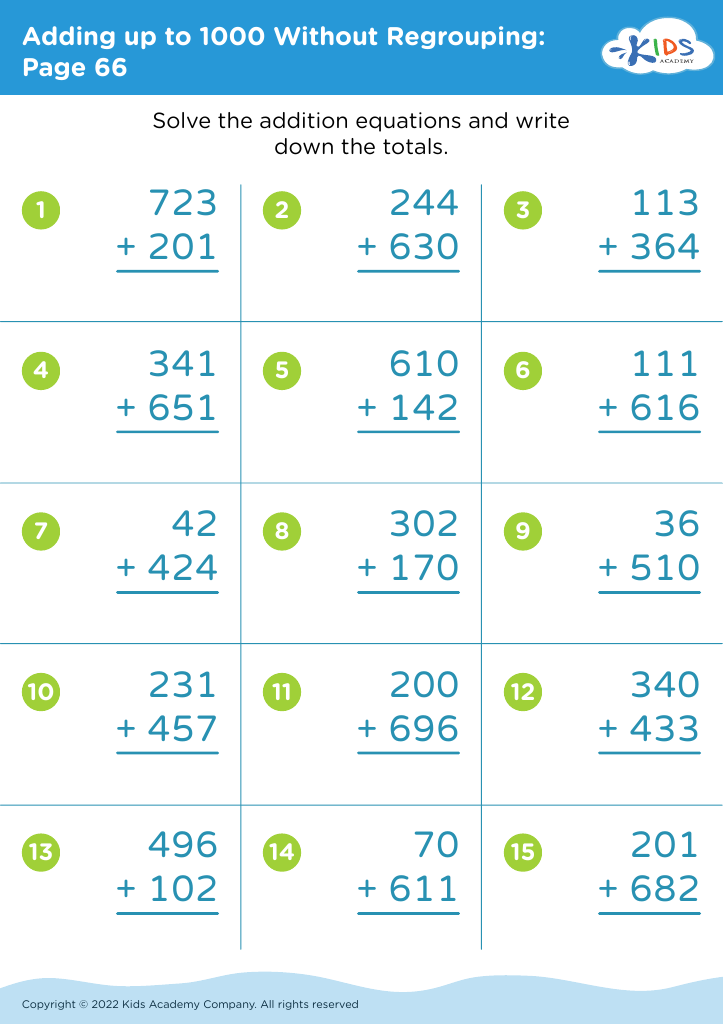
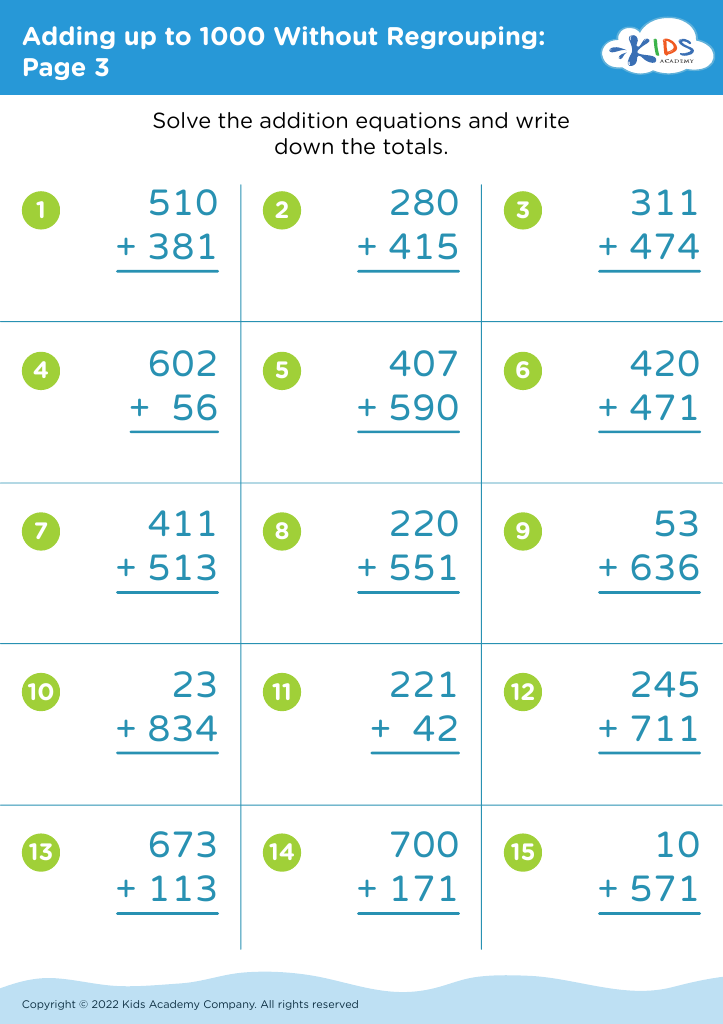
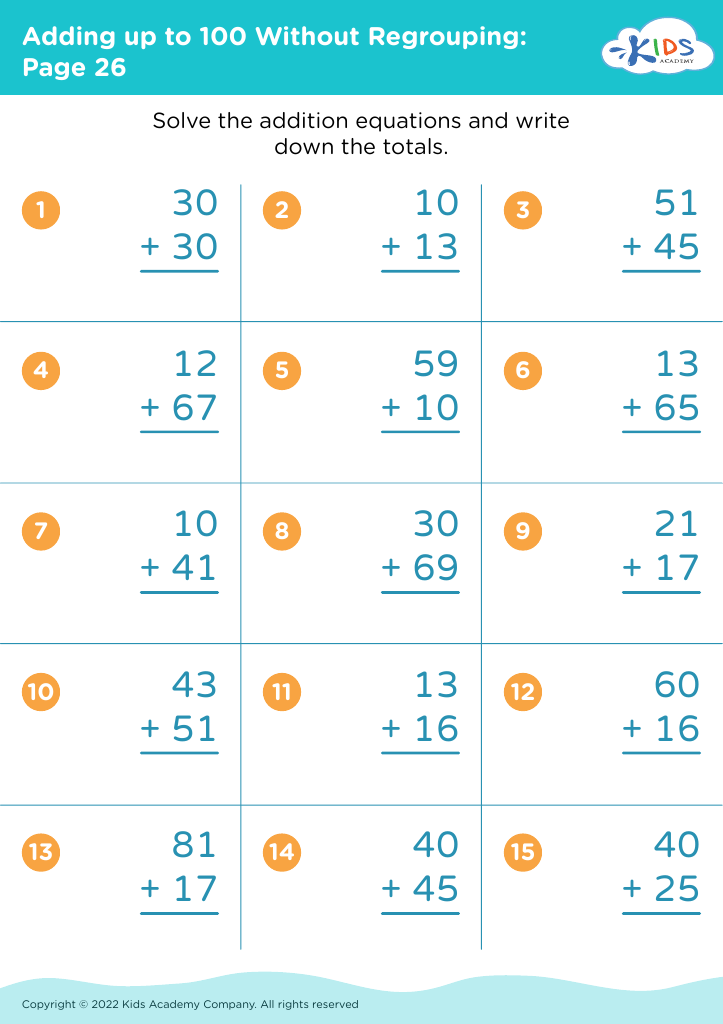
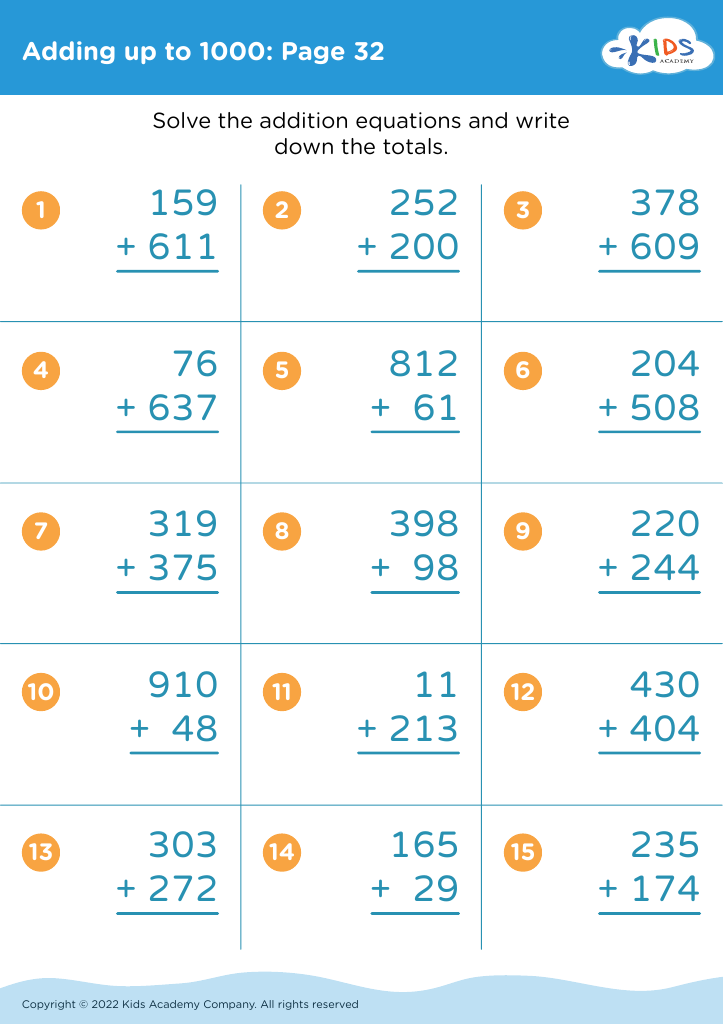
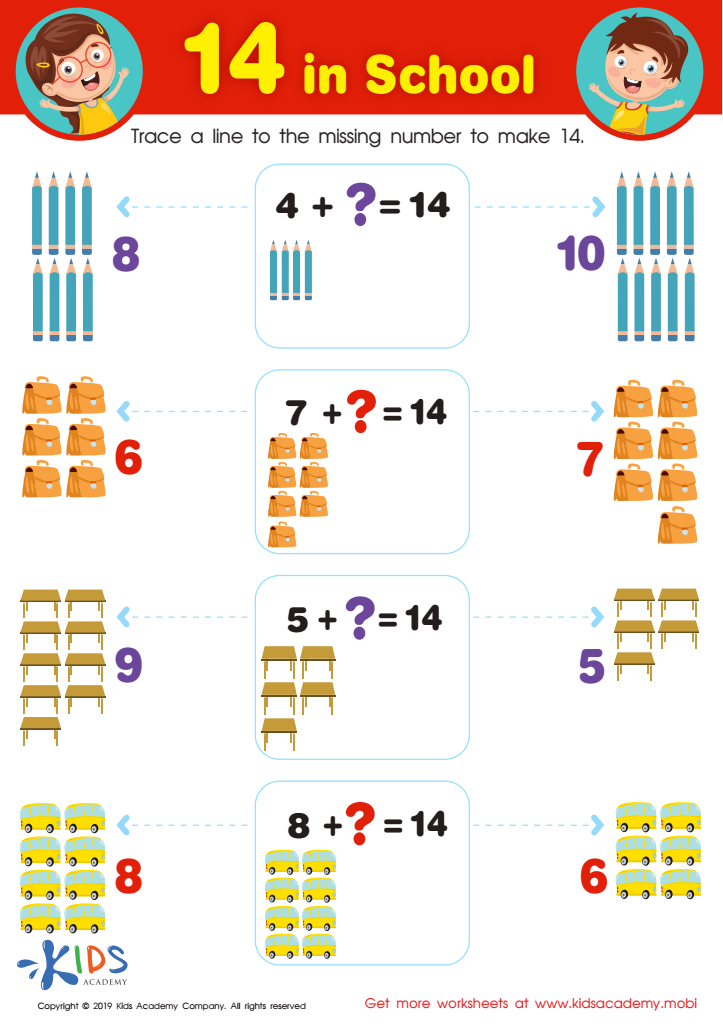
14 in School Worksheet
 Assign to My Students








Recognizing shapes is a fundamental aspect of early mathematics education for children ages 5-7, and it plays a crucial role in their overall cognitive development. Understanding shapes helps young learners develop vital spatial reasoning skills, which are important for everyday tasks and future subjects like geometry and engineering.
Shapes are everywhere in our world—architecture, nature, art—and recognizing them assists children in making sense of their environment. When they learn to identify, compare, and categorize different shapes, they also enhance their ability to observe patterns and relationships, laying a strong foundation for critical thinking skills.
Moreover, shape recognition supports language development as children learn to describe shapes and share their observations, boosting their vocabulary and communication abilities. Engaging with shapes can be interactive and fun through games, hands-on activities, and art projects, making learning enjoyable.
By prioritizing shape recognition in early education, parents and teachers can foster a love for learning and creative problem-solving. Ultimately, a solid grasp of shapes sets the stage for success in more complex mathematical concepts, ensuring that children build confidence and competence as they progress through their educational journey.








