Understanding number sequence Math Worksheets for Ages 5-7
7 filtered results
-
From - To
Help your child master the essentials of early math with our "Understanding Number Sequence Math Worksheets" designed for ages 5-7. These engaging and educational worksheets introduce number patterns and sequences, enhancing your child's counting abilities and numerical understanding. Through fun and interactive activities, young learners can practice identifying number series, filling in missing numbers, and learning to count forwards and backwards. Perfect for both classroom and home use, these worksheets build a strong foundation in math, ensuring your child’s success in future mathematical endeavors. Set your child on the path to numeric excellence today!
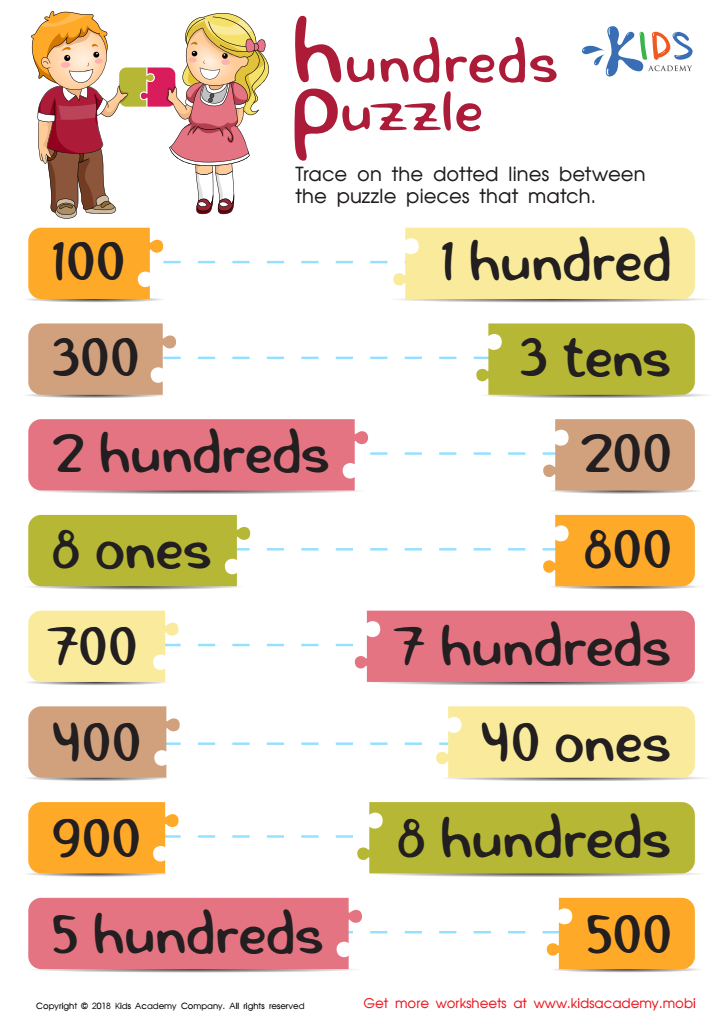
Hundreds Puzzle Worksheet
 Assign to My Students
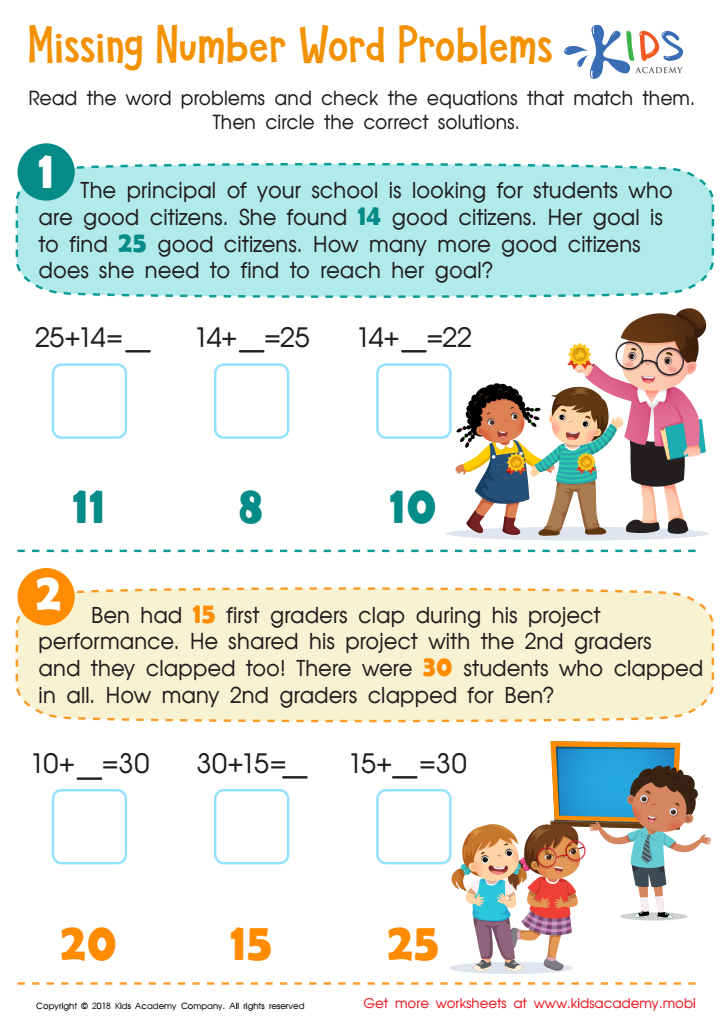
Missing Number Word Problems Worksheet
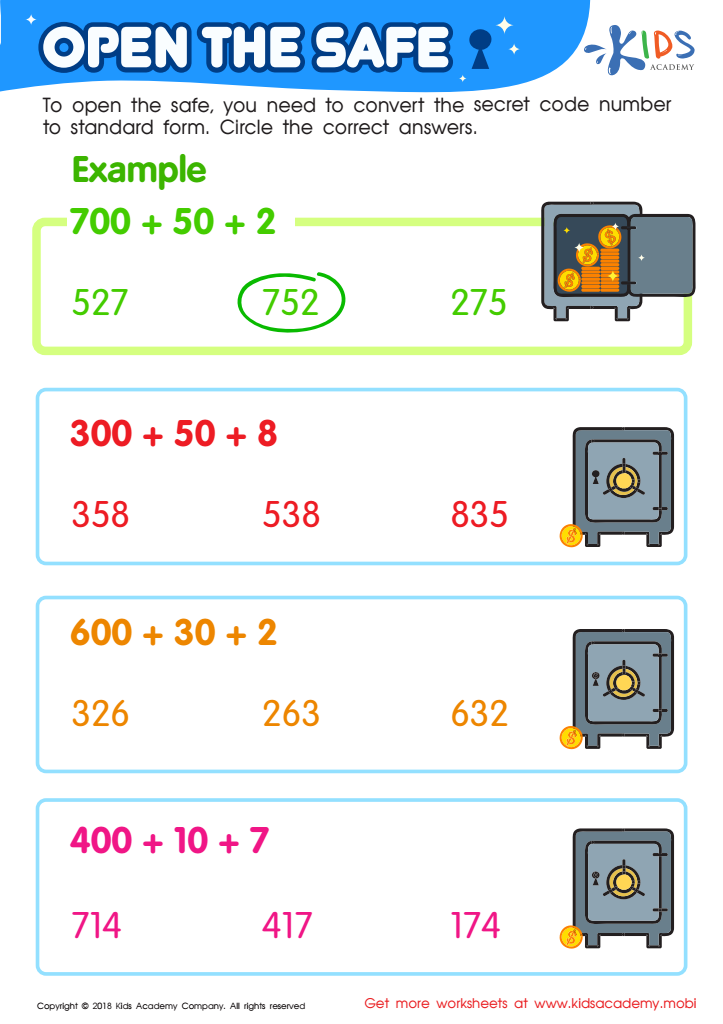
Open the Safe Worksheet
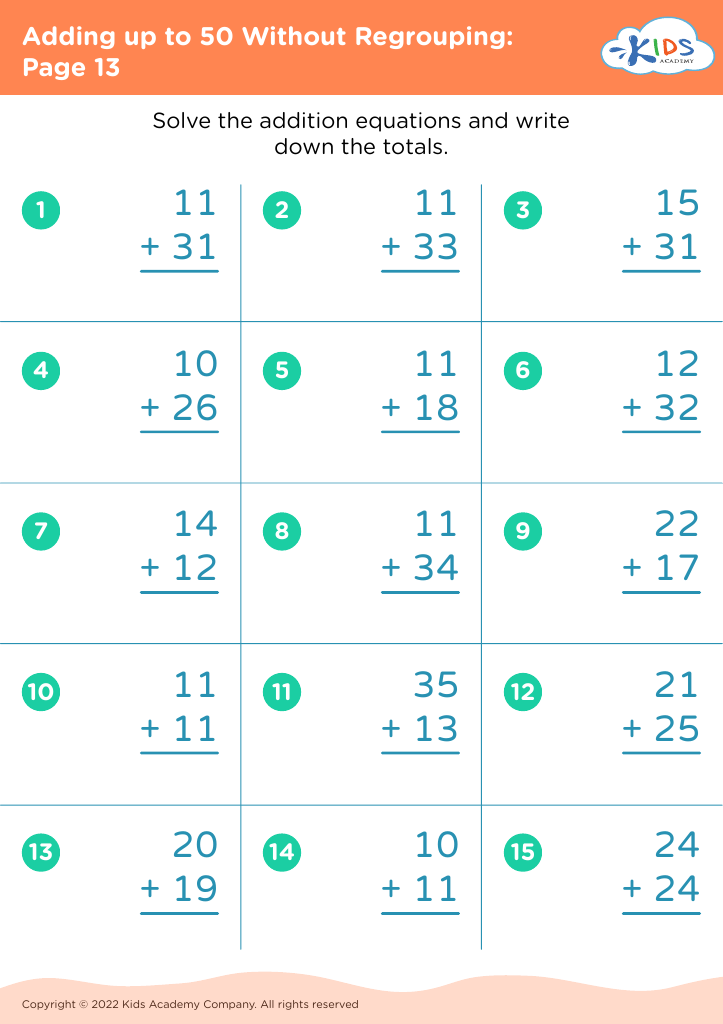
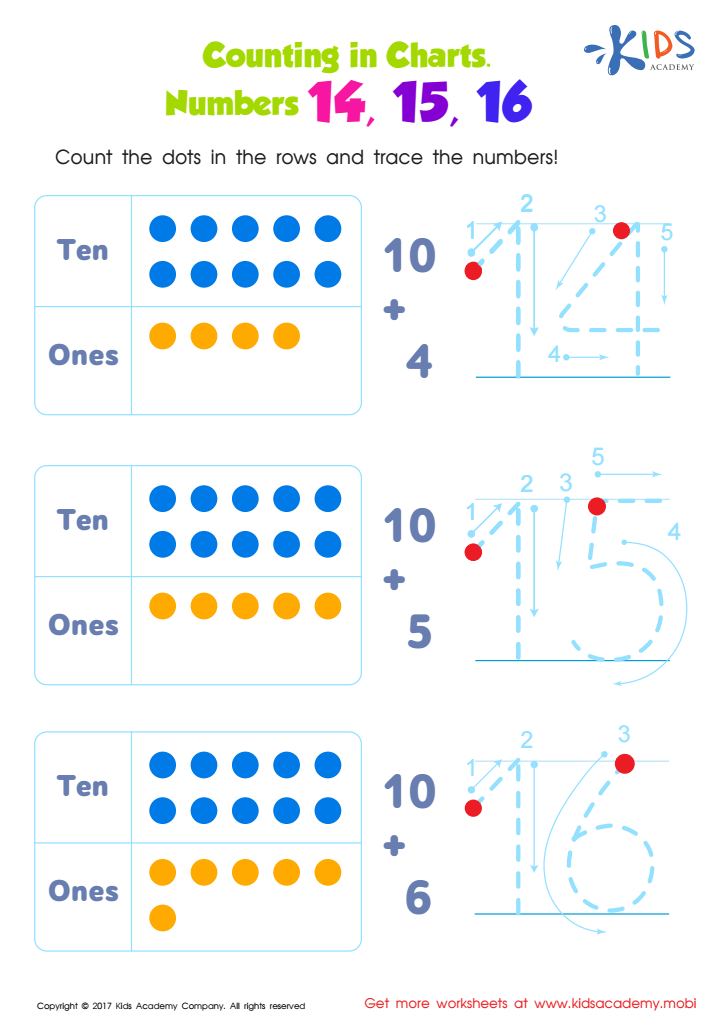
Number Tracing Worksheet








Understanding number sequencing is a critical foundational skill for children aged 5-7, forming the backbone for future mathematical learning and everyday problem-solving. At this early stage, children enter the world of numbers and begin to decipher the structure and order that underpins math. Grasping number sequences helps them comprehend the concept that numbers follow a specific, repeatable order, which is essential for basic arithmetic operations like addition and subtraction.
Moreover, understanding number sequences fosters critical cognitive skills such as memory, pattern recognition, and logical thinking. When children can predict what comes next in a sequence, they're not just learning numbers—they're developing reasoning abilities that are transferable to other academic areas and real-life situations. For instance, deciding which bus to catch or understanding the days of the week relies on sequencing.
Emotional confidence in math grows from mastery of these fundamental skills. If parents and teachers emphasize the importance of number sequencing, children are more likely to feel capable and confident when tackling more complex mathematical concepts later on. In a supportive environment that prioritizes number sequencing, children acquire a love for learning and a robust toolkit for academic success.








