Understanding numerical values Math Worksheets for Ages 5-7
4 filtered results
-
From - To
Understanding numerical values is crucial for young learners aged 5-7. Our comprehensive collection of math worksheets at Kids Academy helps children grasp essential concepts of number recognition, value assessment, and basic arithmetic. Each worksheet is designed to be engaging and visually appealing, promoting interactive and fun learning experiences. With diverse activities such as counting, comparison, and simple calculations, kids will build a solid foundation in math while developing critical thinking skills. Perfect for both classroom and home use, these resources support effective learning and instill a lasting love for numbers in children. Start exploring today!
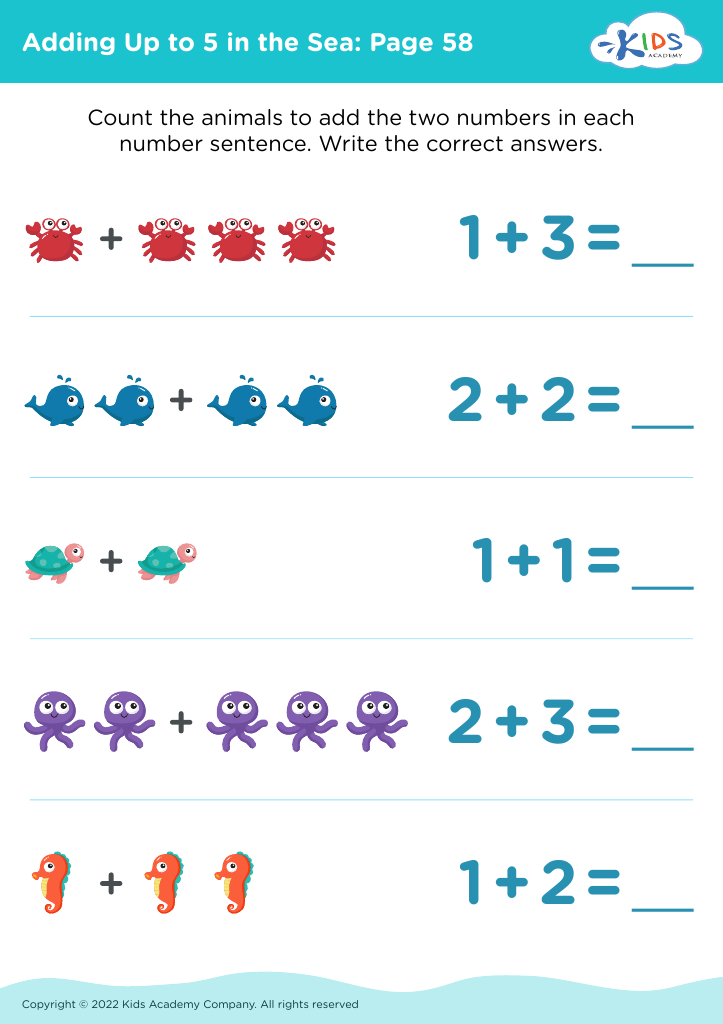
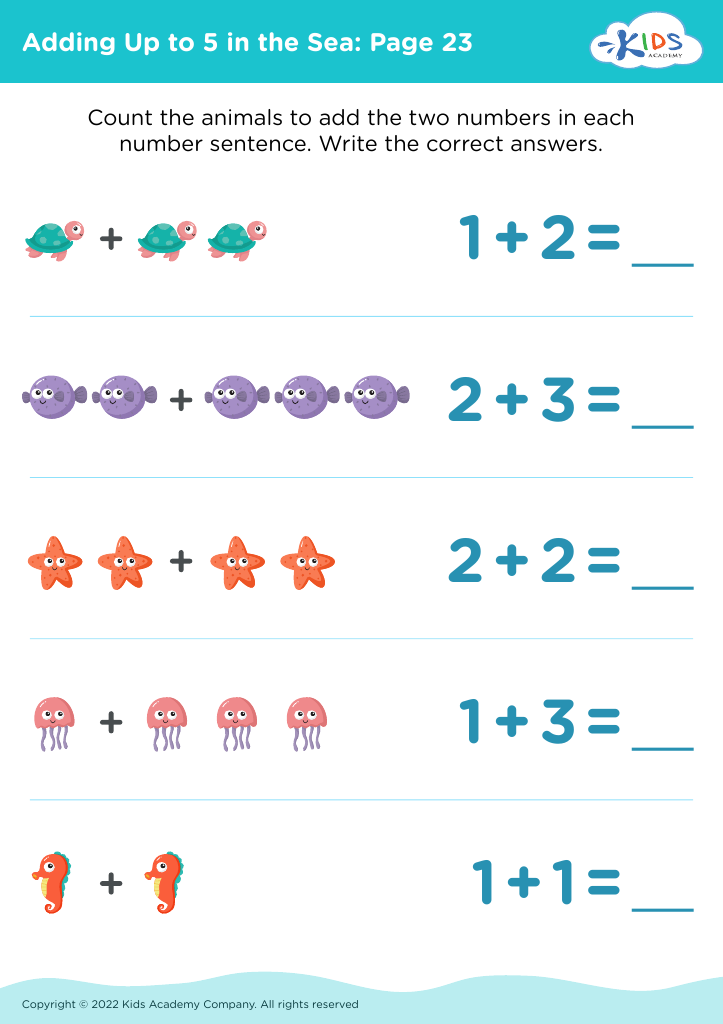
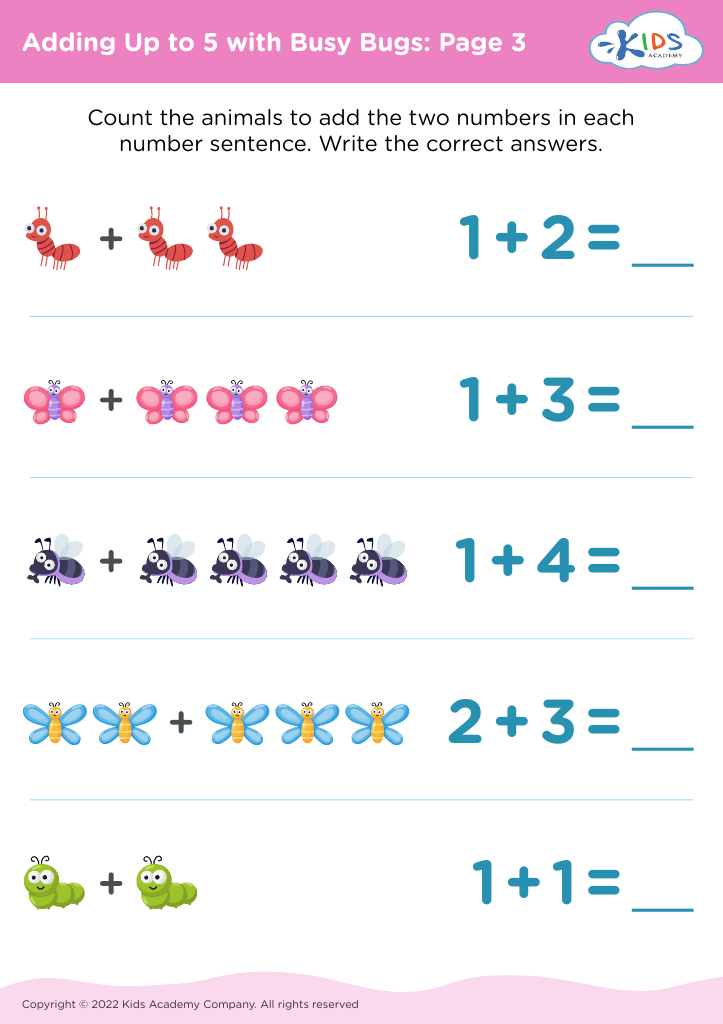
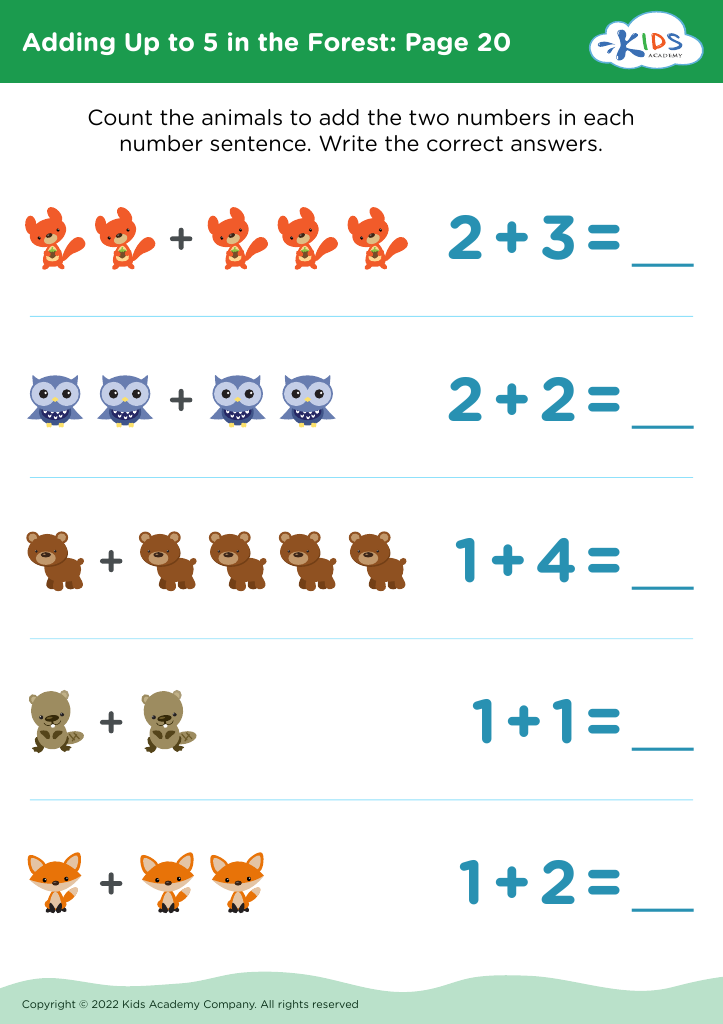








Understanding numerical values in early childhood is critical, as it forms the foundation for future mathematical learning and cognitive development. For children aged 5-7, grasping basic numeric concepts is not just about memorizing numbers; it's about understanding quantity, order, and relationships between numbers.
Firstly, knowing numerical values enhances problem-solving skills. A strong grasp of numbers enables children to approach math-related challenges with confidence and accuracy. Early numeracy is directly linked to higher academic achievement later on, as it provides the skills needed for more complex math operations such as addition, subtraction, and eventually multiplication and division.
Secondly, numerical understanding plays a significant role in everyday life. Simple tasks such as counting objects, identifying patterns, and understanding time and money are based on basic numerical concepts. Children with well-developed numeric skills can perform these tasks more effectively and with greater independence.
Finally, early math skills are also linked to better logical thinking and reasoning abilities. When children understand numbers, they learn to recognize and predict patterns, make comparisons, and understand cause-and-effect relationships, which are valuable skills across all areas of learning and daily life.
Teachers and parents should therefore prioritize numerical understanding, employing engaging and practical activities that integrate math into everyday experiences to reinforce these crucial skills in the early stages of learning.








