Understanding quantity Math Worksheets for Ages 5-7 - Page 2
30 filtered results
-
From - To
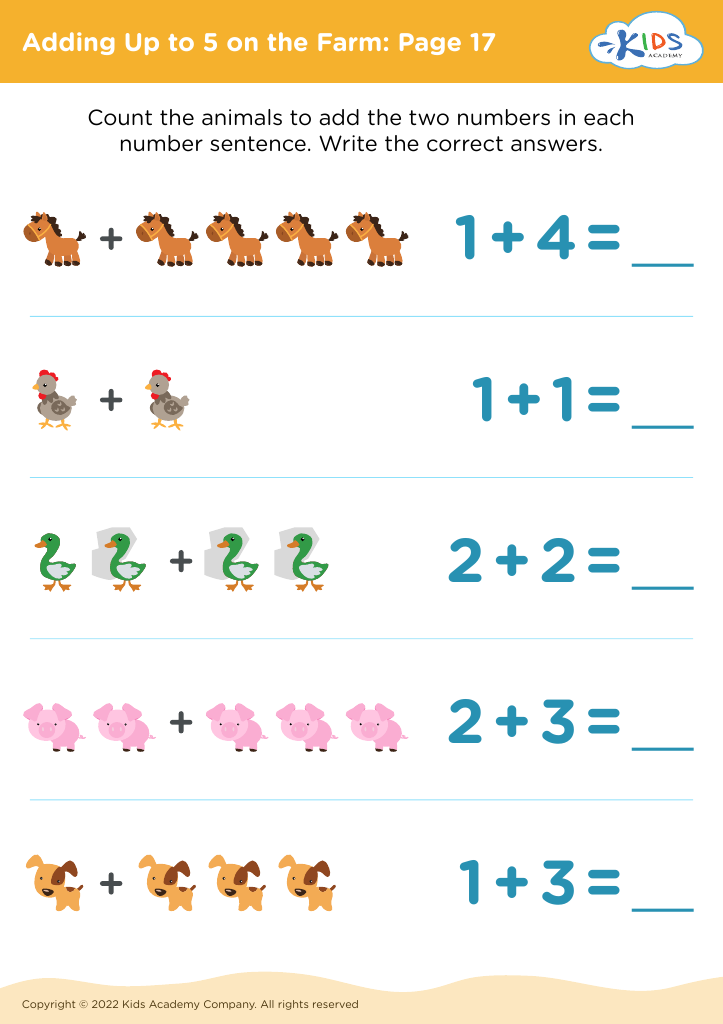
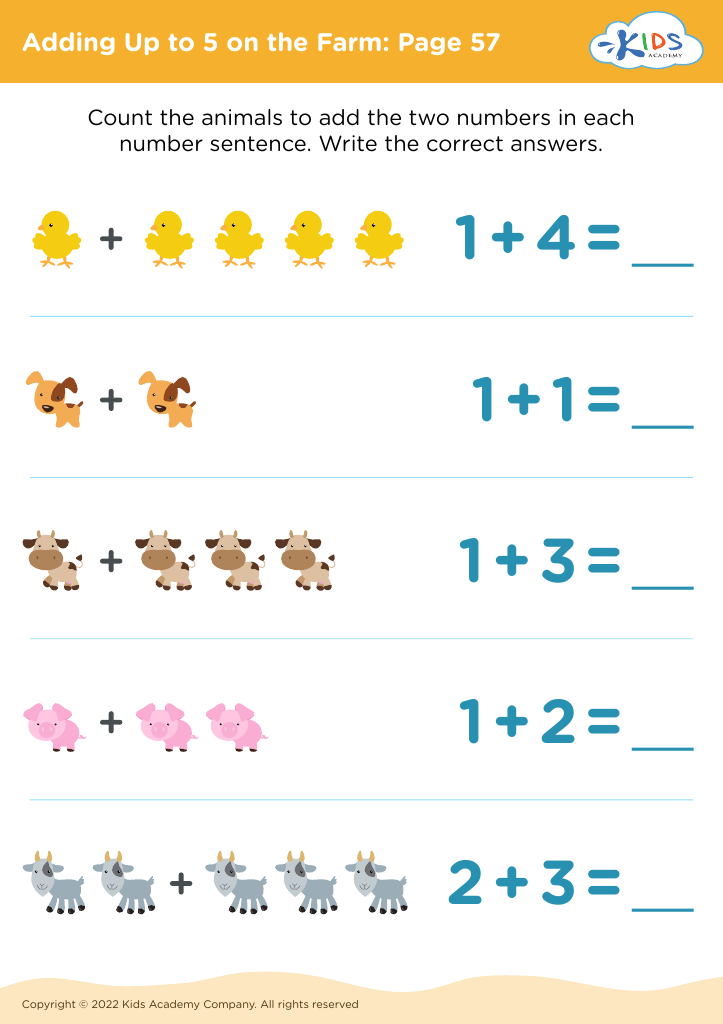
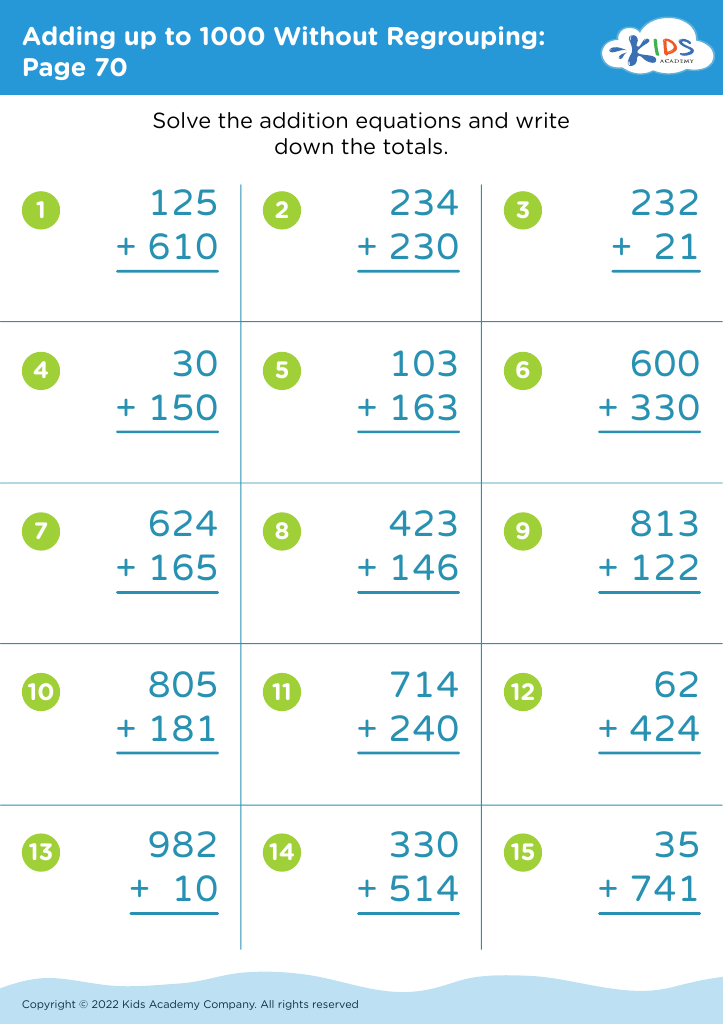
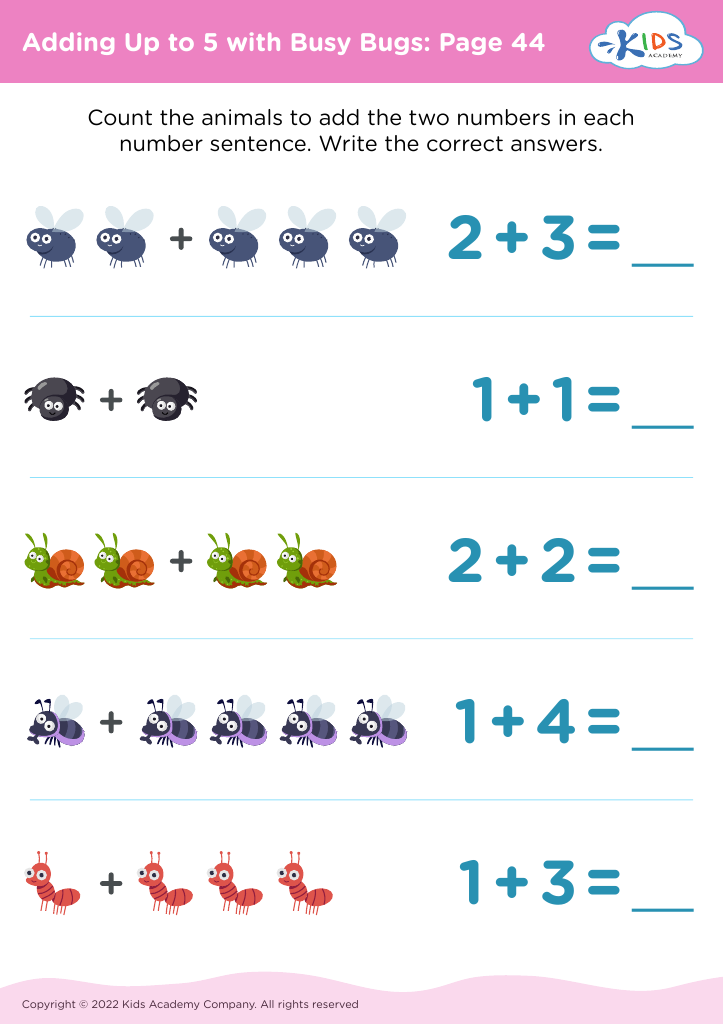
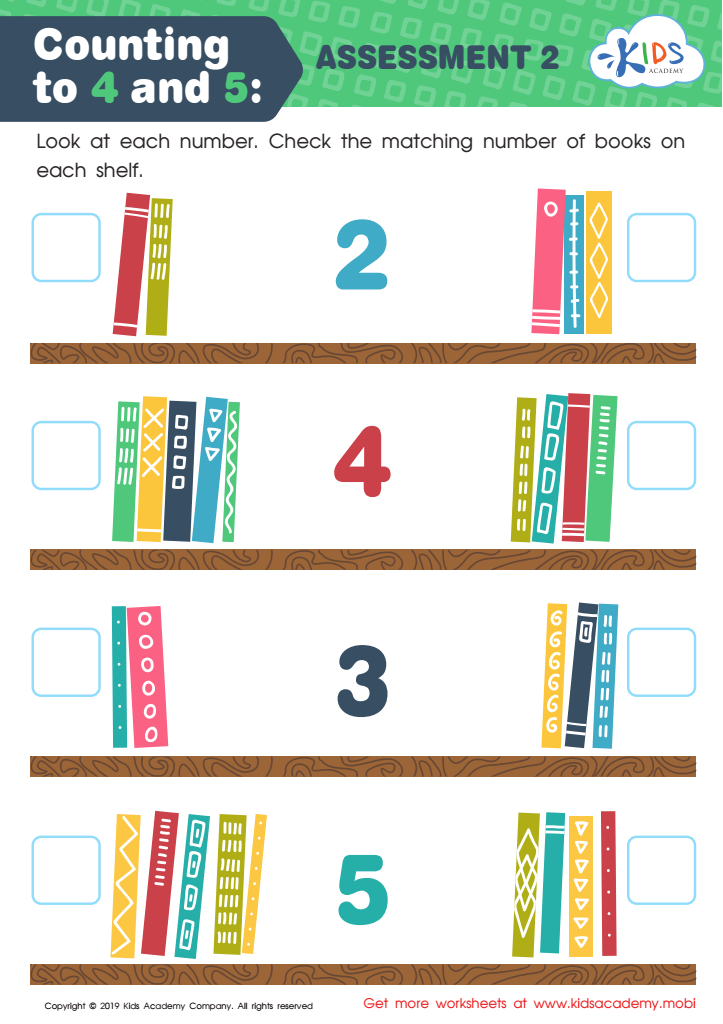
Counting to 4 and 5: Assessment 2 Worksheet
 Assign to My Students
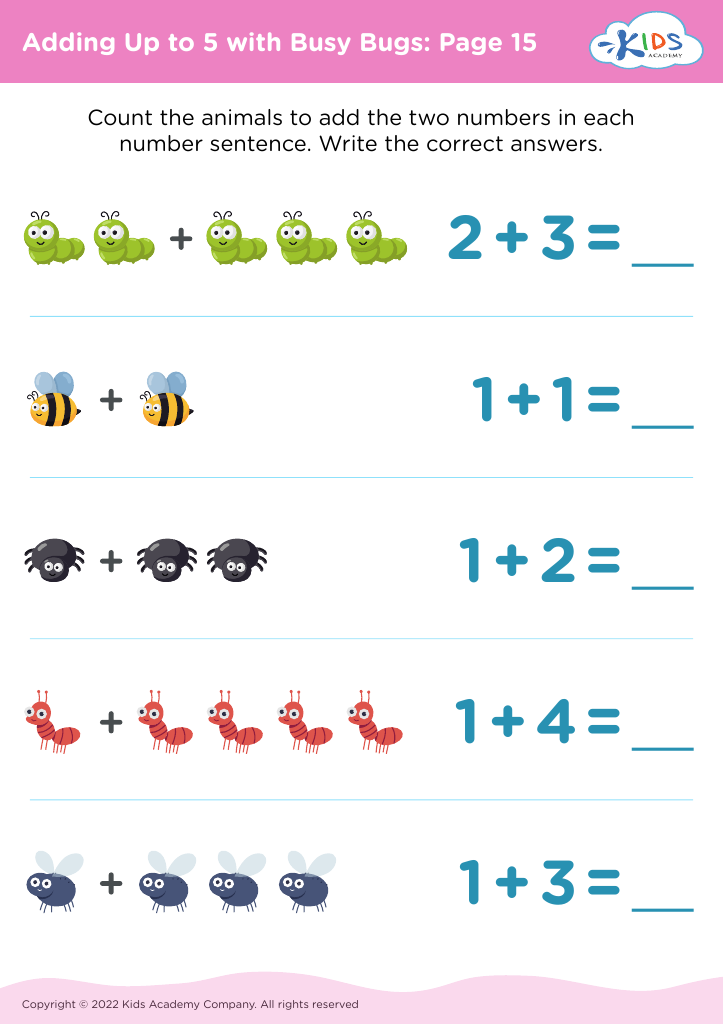








Understanding quantity in mathematics is crucial for children aged 5 to 7, as it forms the foundational skills necessary for further mathematical learning. At this stage, children begin to grasp basic concepts like numbers, counting, and their relationships. When parents and teachers prioritize this understanding, they help children develop a strong mathematical mindset, enhancing problem-solving abilities and logical reasoning early on.
Quantity recognition enables children to make sense of the world around them. For example, recognizing how many apples are in a basket not only aids in counting but also offers insight into concepts such as trade-offs and comparisons. A solid grasp of quantities supports personal development, as it helps kids navigate everyday scenarios like sharing snacks or measuring ingredients.
Moreover, children who understand quantities can engage with more complex mathematical concepts in the future, such as addition, subtraction, and even early multiplication and division. This early engagement promotes confidence and a positive attitude toward math, reducing math anxiety in later years. Thus, by supporting quantity understanding, parents and teachers play a critical role in nurturing a child’s overall cognitive development and fostering a lifelong appreciation for learning in mathematics.








