Understanding Quantities Numbers 0–10 Worksheets for Ages 5-7
3 filtered results
-
From - To
Explore our "Understanding Quantities Numbers 0–10 Worksheets" designed for children ages 5-7, ideal for strengthening foundational math skills! These engaging worksheets help young learners conceptualize numbers by visualizing and comparing quantities from 0 to 10. Through fun activities, students will develop essential counting skills, identify numeral representations, and grasp the concept of more and less. Perfect for both classroom use and home learning, our worksheets offer an interactive approach to learning that sparks curiosity and enhances numerical understanding. Empower your child’s mathematical journey with hands-on practice that promotes confidence and competence in early mathematics. Start learning today!
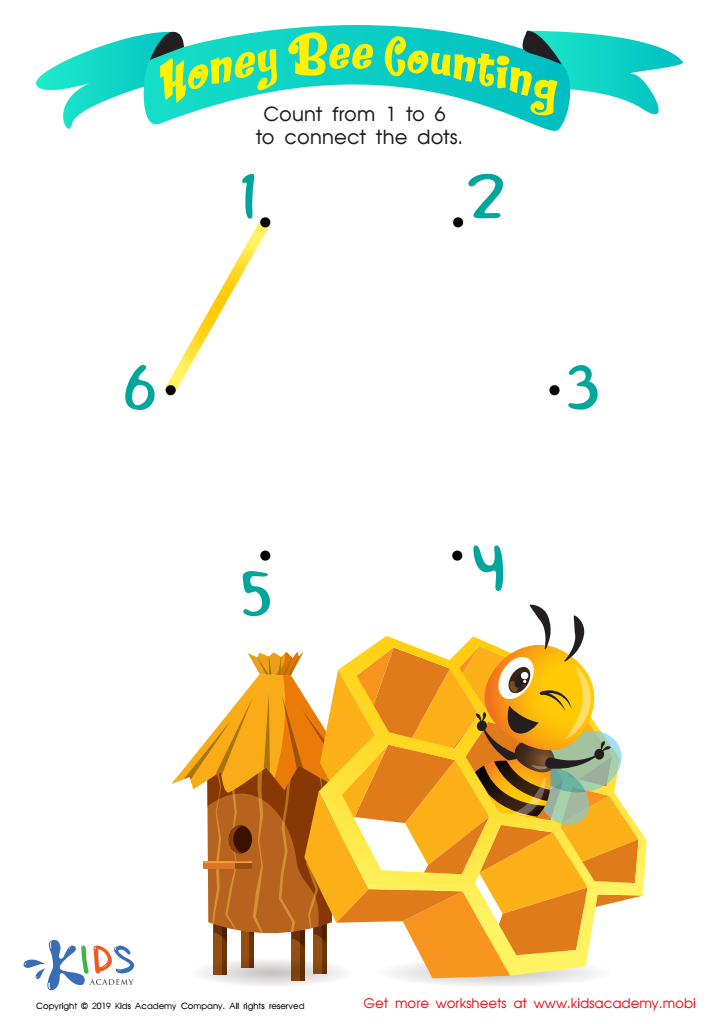
Honey Bee Counting Worksheet
 Assign to My Students
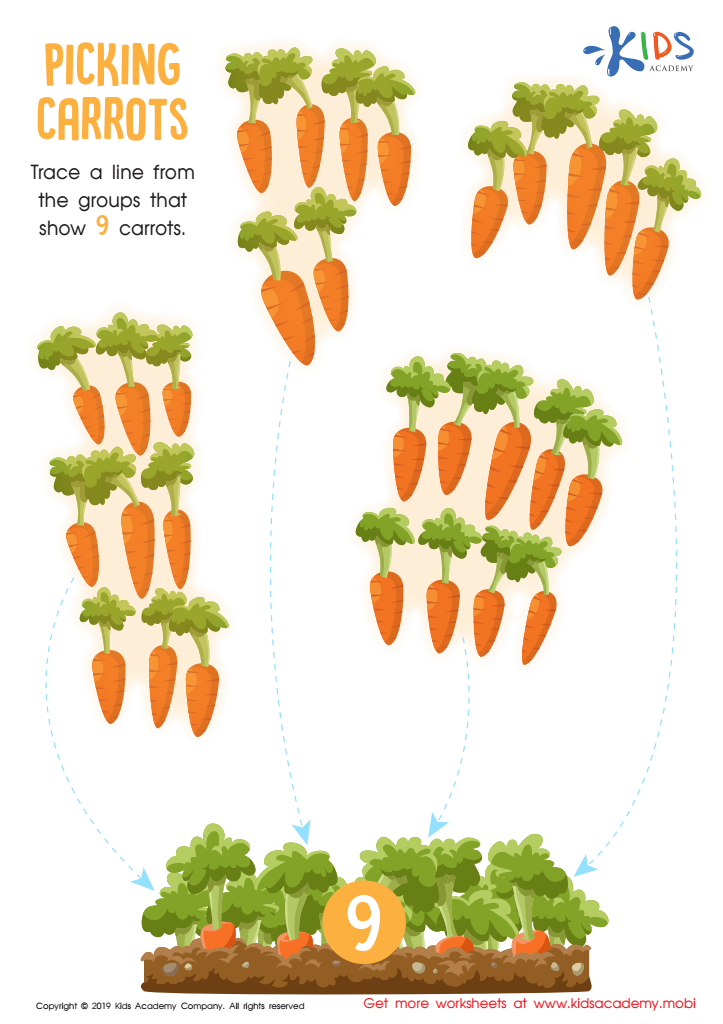
Picking Carrots Worksheet
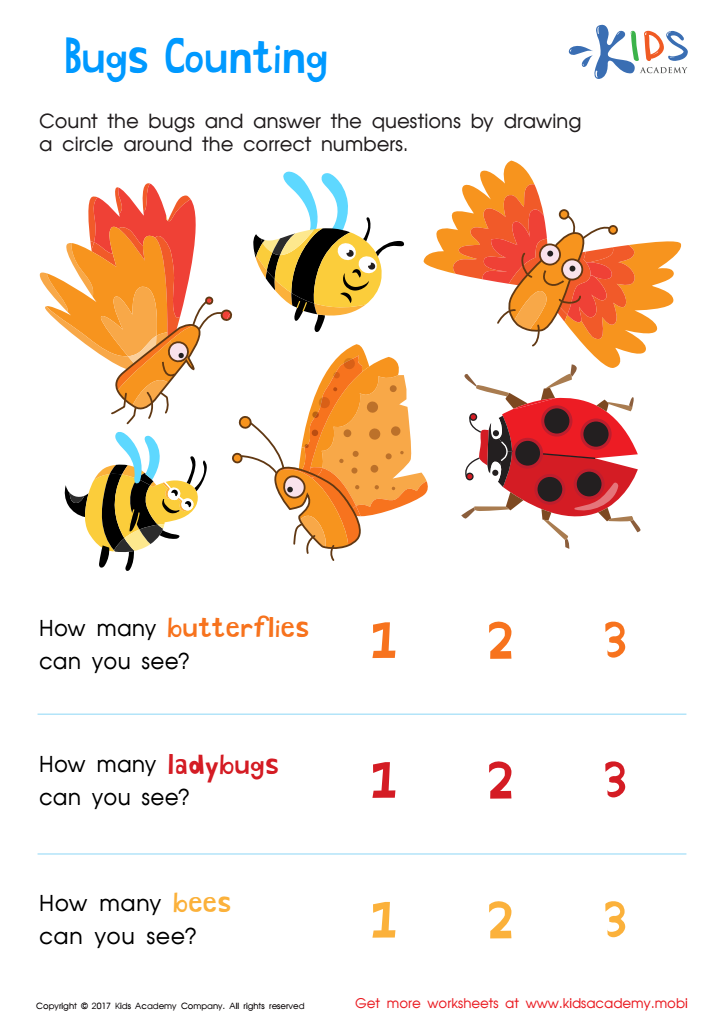
Bugs Counting Worksheet








Understanding quantities and numbers from 0–10 is crucial for children aged 5-7 because this foundational knowledge sets the stage for future mathematical learning. During these early years, children develop essential skills that go beyond mere counting and recognition of numbers; they begin to grasp the concept of quantity, which helps them make meaningful comparisons between different amounts and understand the world around them.
Parents and teachers should care about this topic because it fosters critical cognitive skills, such as problem-solving and logical reasoning. By engaging with numbers in context—through play, storytelling, and hands-on activities—children learn to apply mathematical concepts in real-life scenarios, enhancing their overall comprehension.
Moreover, early numerical literacy supports later success in mathematics, setting the groundwork for concepts such as addition, subtraction, and more complex problem-solving skills encountered in higher grades. It encourages confidence and persistence in their learning journey. Additionally, a strong early foundation in numeracy positively influences academic achievement across subjects, as math skills are interconnected with skills in reading and science. Therefore, investing in understanding numbers 0–10 not only enriches children's mathematical potential but also cultivates a lifelong love of learning.