Understanding sequencing Numbers 0–10 Worksheets for Ages 5-7
4 filtered results
-
From - To
Explore our "Understanding Sequencing Numbers 0–10 Worksheets" designed specifically for children aged 5-7! These engaging worksheets provide a fun and interactive way to help young learners grasp the essential concept of number sequencing. By practicing with numbers 0 through 10, kids will enhance their counting skills and develop a solid foundation in math. Our worksheets feature colorful illustrations and age-appropriate activities that keep children motivated while they learn. Whether used at home or in the classroom, these resources are perfect for reinforcing understanding of order and arrangement in numbers. Start your child's math journey today!
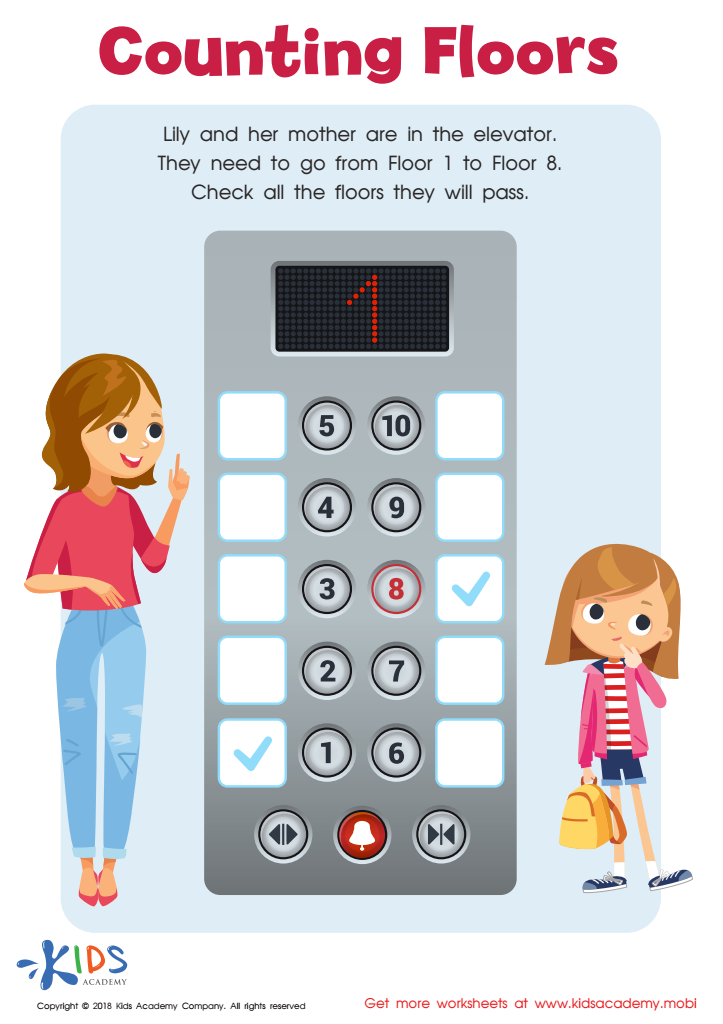
Counting Floors Worksheet
 Assign to My Students
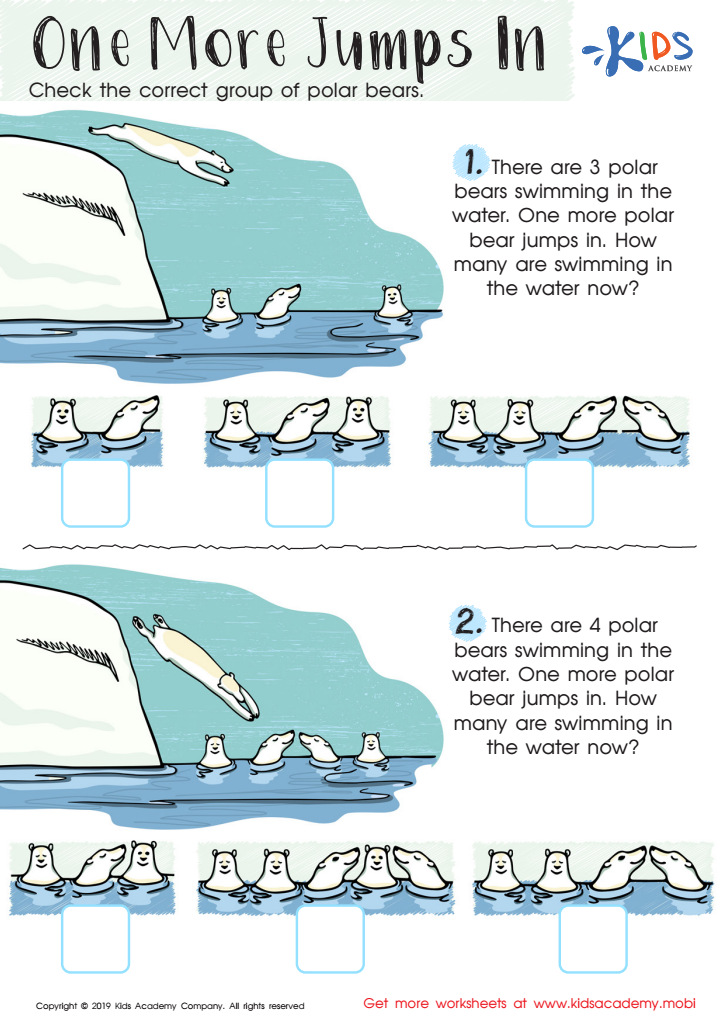
One More Jumps In Worksheet
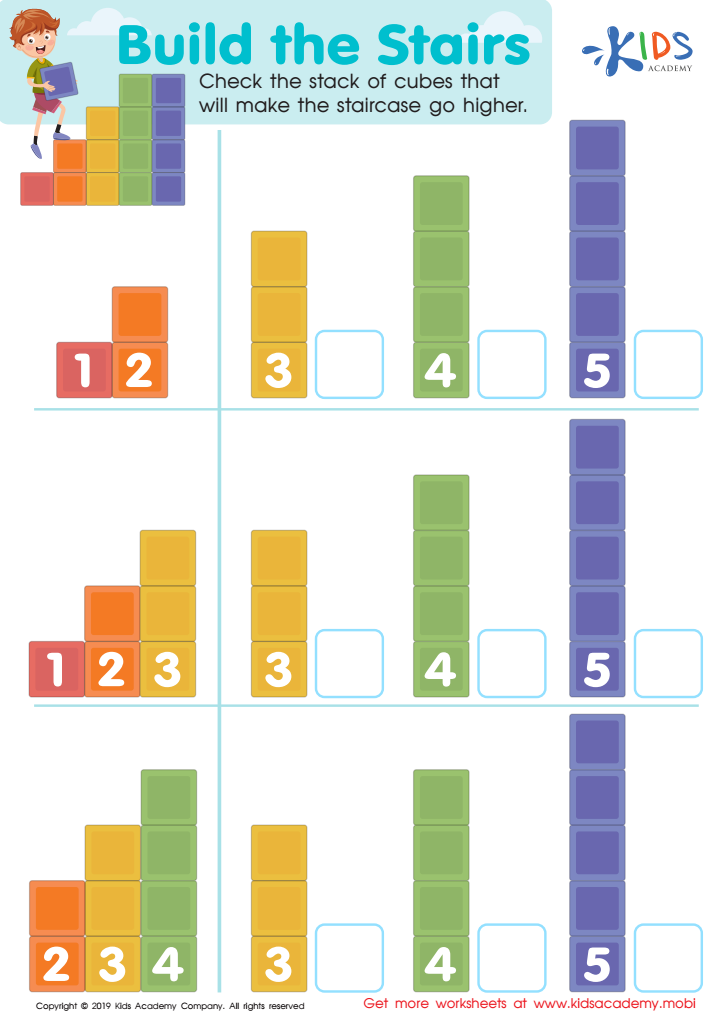
Build the Stairs Worksheet
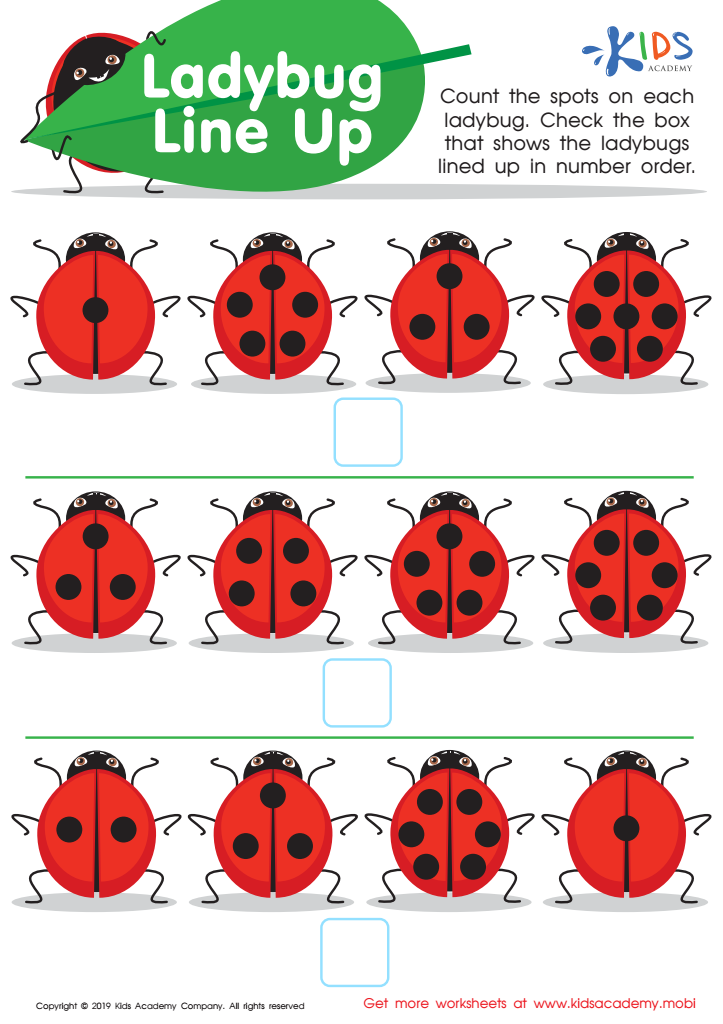
Ladybug Line Up Worksheet








Understanding sequencing numbers from 0 to 10 is fundamental for children ages 5 to 7, as it lays the groundwork for many essential mathematical concepts. For parents and teachers, recognizing the importance of this topic is crucial for fostering a child's cognitive development. Sequencing helps children grasp the concept of order, which is vital not only in mathematics but also in daily life—such as following directions or routines.
By mastering number sequences, children develop skills in addition and subtraction, creating a smoother transition to more complex mathematical operations in later grades. Furthermore, understanding numbers in order aids memory retention, enhances problem-solving abilities, and sharpens logical reasoning. This skill also builds self-confidence; as children grasp sequencing, they feel more competent in tackling mathematical tasks.
Additionally, mastering sequencing lays a strong foundation for future learning. It encourages the development of patterns and concepts foundational for subjects like time, measuring, and more. Engagement in playful activities that promote sequencing—such as games and storytelling—makes learning enjoyable, enabling parents and teachers to create a supportive learning environment. Ultimately, understanding number sequencing empowers children academically and supports their growth as independent thinkers and lifelong learners.