Shape Recognition Numbers up to 100 Worksheets for Ages 5-7
3 filtered results
-
From - To
Discover our engaging "Shape Recognition Numbers up to 100 Worksheets" designed for children ages 5-7. These fun and interactive worksheets help young learners develop essential skills in identifying numbers while reinforcing their understanding of shapes. Through a variety of activities, such as tracing and matching exercises, children will enhance their cognitive abilities, boost their confidence, and prepare for more advanced math concepts. Our carefully crafted resources align with educational standards, providing a delightful way for kids to explore numbers and shapes. Perfect for home or classroom use, these worksheets promise an enjoyable learning experience while laying a strong foundation in numeracy skills!
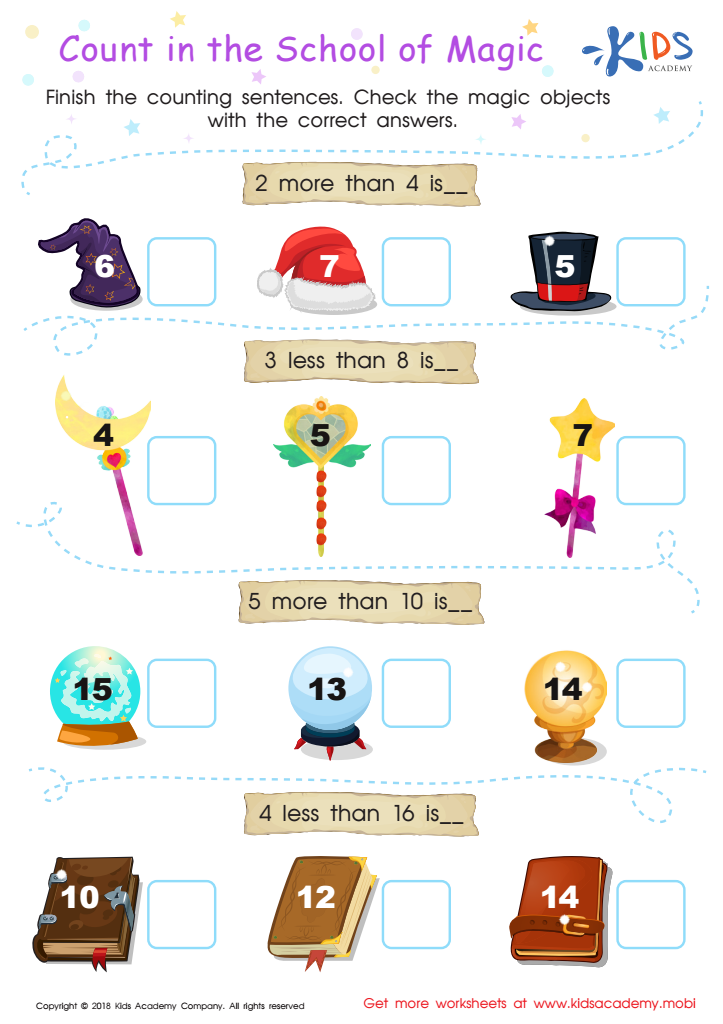
Count in the School of Magic Worksheet
 Assign to My Students
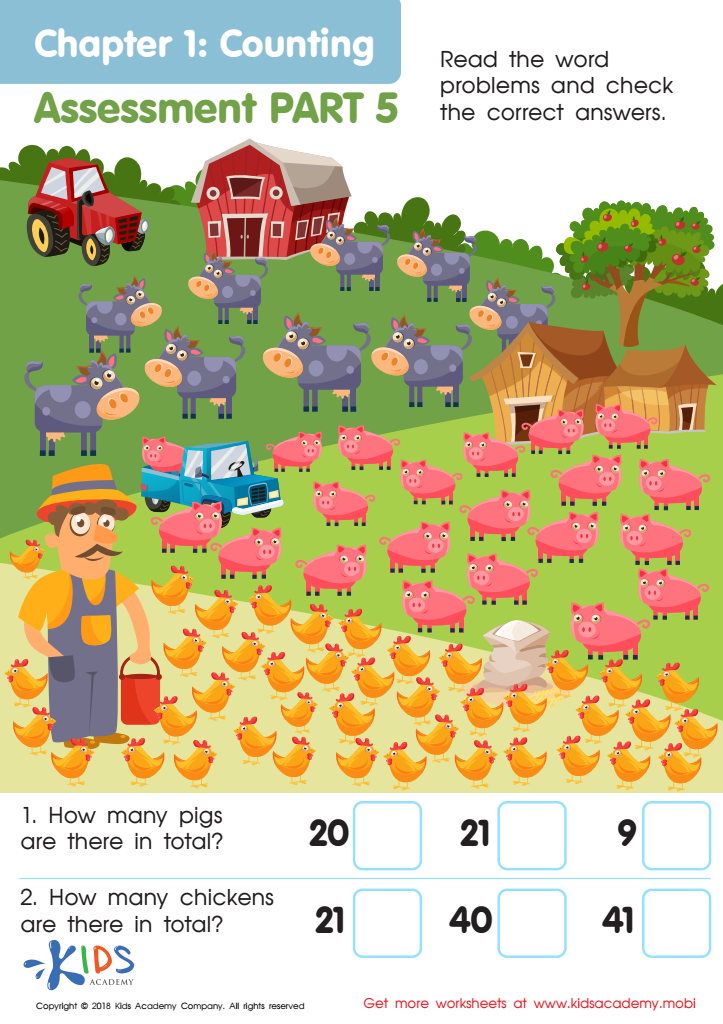
Counting: Assessment 5 Worksheet
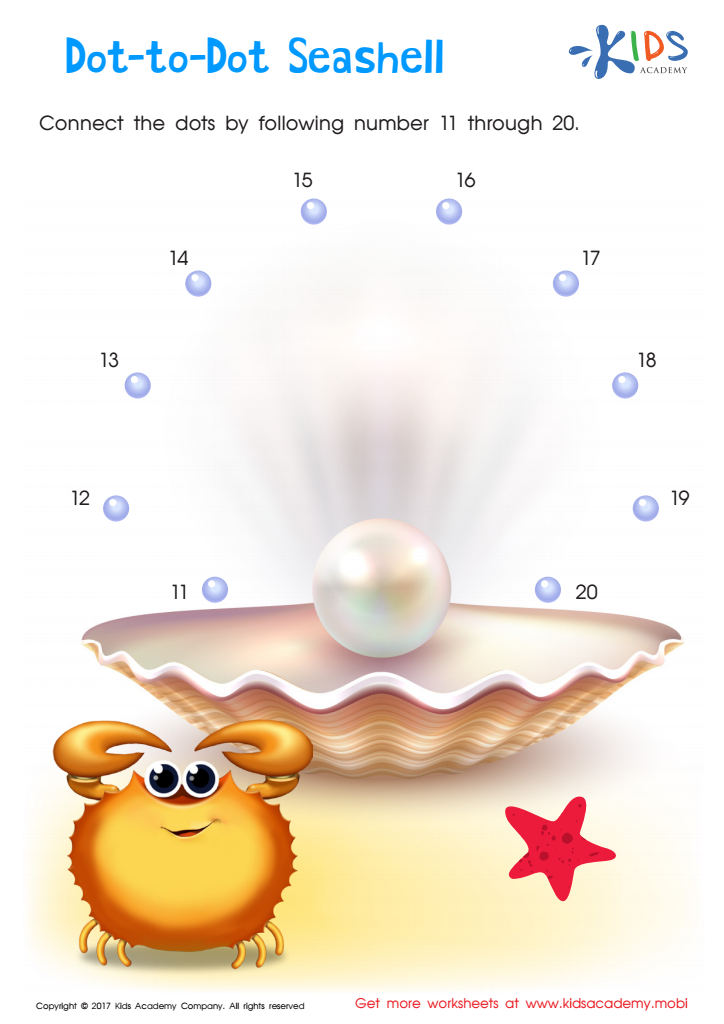
Ordering 11–20: Dot–to–dot Seashell Printable







Shape recognition and understanding numbers up to 100 are foundational skills in early childhood education for children ages 5-7. For parents and teachers, emphasizing these areas is crucial for several reasons.
Firstly, recognizing shapes helps children develop spatial awareness, which is essential in everyday life and more complex subjects like geometry later on. It fosters critical thinking and problem-solving skills, allowing children to categorize and compare objects. Understanding basic shapes is often a precursor to more advanced mathematical concepts.
Secondly, learning numbers up to 100 is vital as it lays the groundwork for all future arithmetic. Mastery of this range promotes number sense, helping children understand quantities, relationships, and the world around them. It also builds confidence in their mathematical abilities.
Furthermore, integrating shape recognition with number learning can enhance memory retention. Activities that combine both can make learning playful and engaging, which is crucial for this age group.
Lastly, establishing a strong foundation in these skills supports children's overall academic success and prepares them for future learning. For parents and teachers, nurturing these competencies facilitates a smooth transition into more advanced concepts, ensuring children are well-prepared for later educational challenges.