Enhancing Counting Skills Place Value Worksheets for Ages 5-7
3 filtered results
Difficulty Level
Grade
Age
-
From - To
Subject
Activity
Standards
Enhance your child's counting skills with our engaging Place Value worksheets, specifically designed for ages 5-7! These interactive resources focus on essential counting concepts, fostering a deeper understanding of numbers and place value through fun activities. By incorporating visual aids and hands-on exercises, children will develop confidence in recognizing and arranging numbers. Our worksheets cater to various learning styles, making math enjoyable and accessible. Perfect for at-home learning or classroom use, these resources support early numeracy skills and set a strong foundation for future mathematical growth. Unlock your child's potential and watch them thrive in their math journey today!
Favorites
With answer key
Interactive
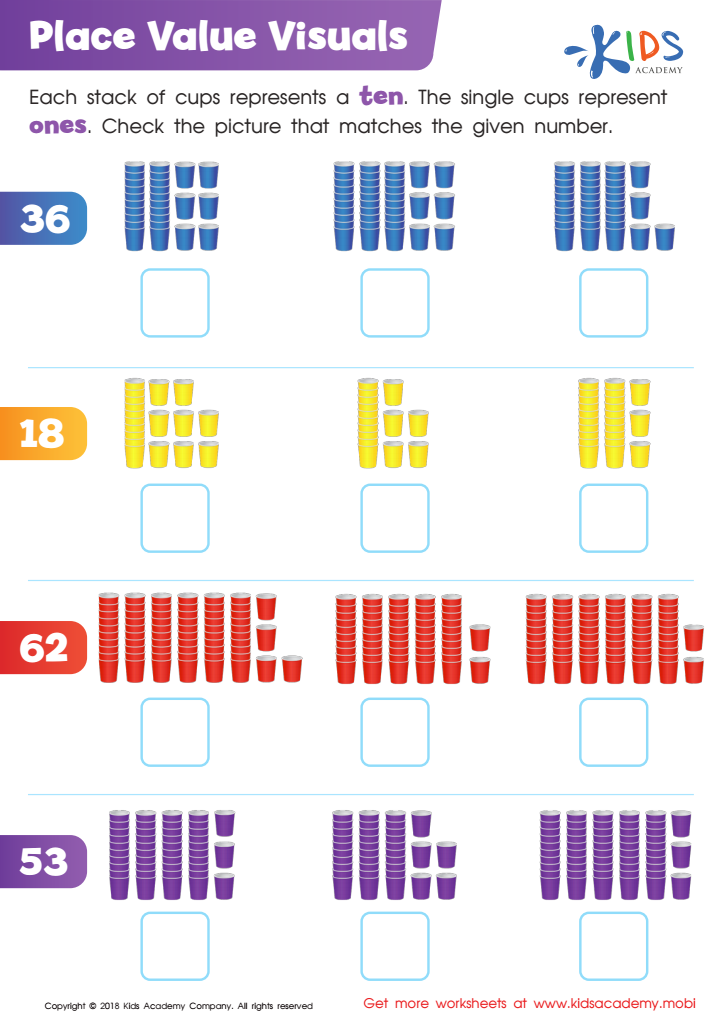
Place Value Visuals Worksheet
Help your child count the cups in each picture, using the simple rule that each stack is 10 and each single cup is 1. Ask them to match the number on the left to the picture on the right. No need to count each cup individually; since each stack is 10, 3 stacks is 30 and so on.
 Assign to My Students
Place Value Visuals Worksheet
Worksheet
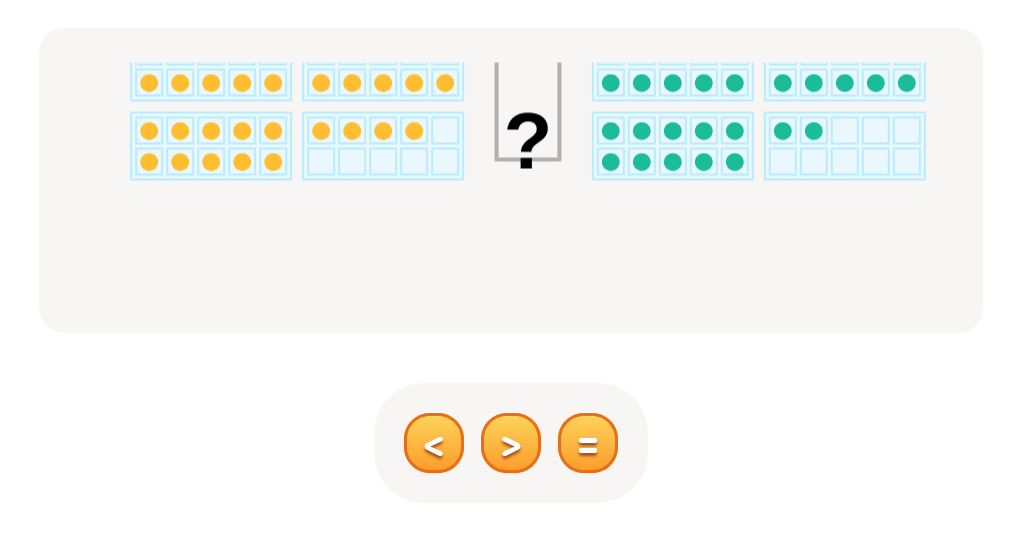

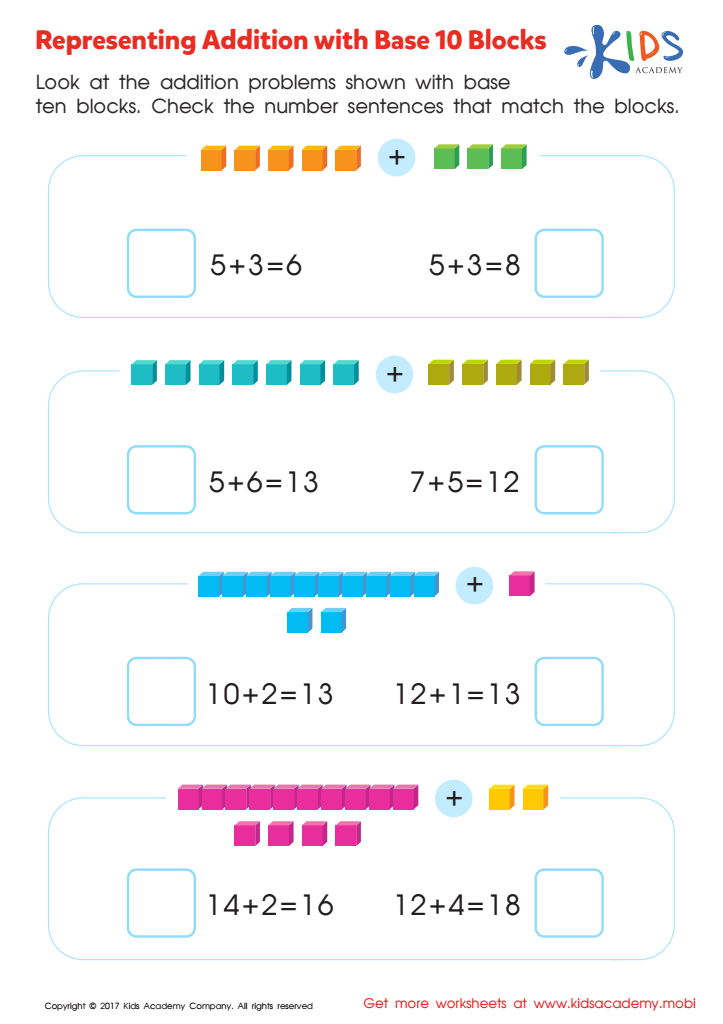
Representing Addition with Base 10 Blocks Worksheet
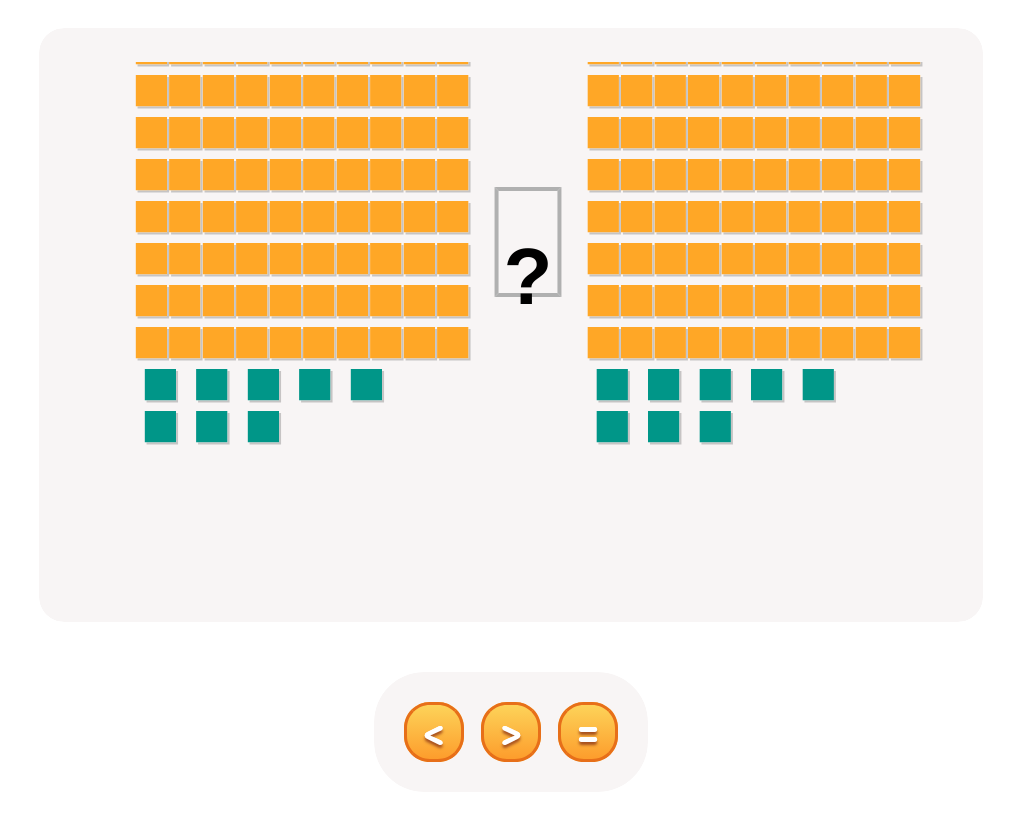
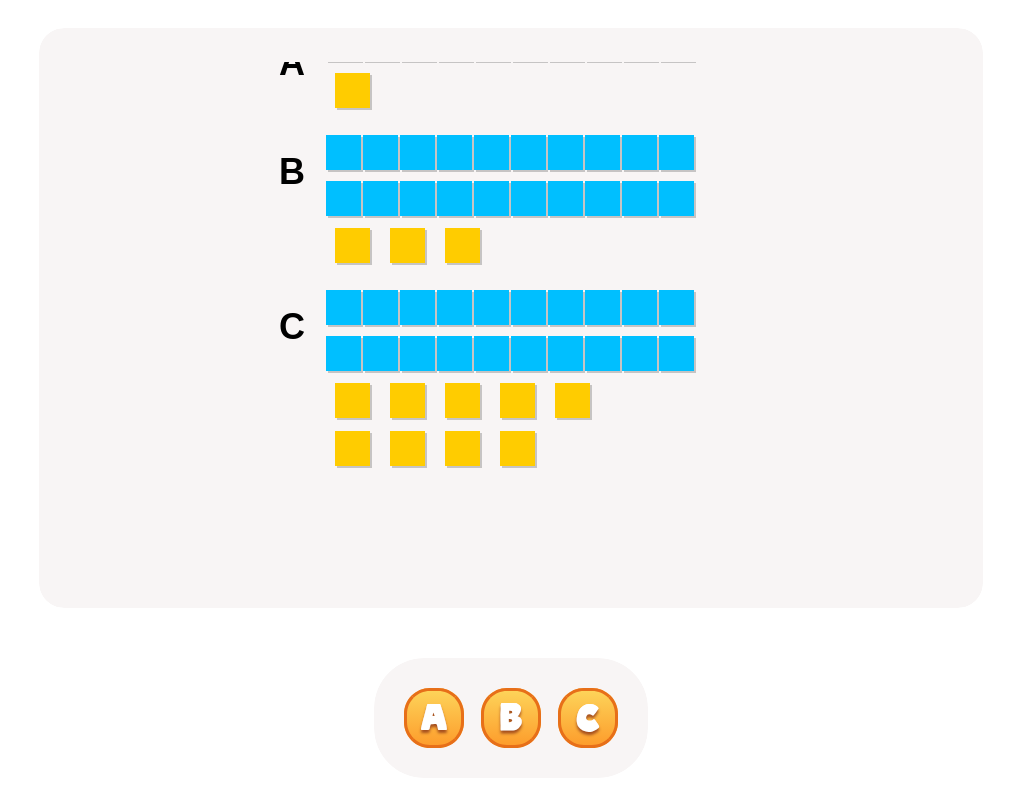
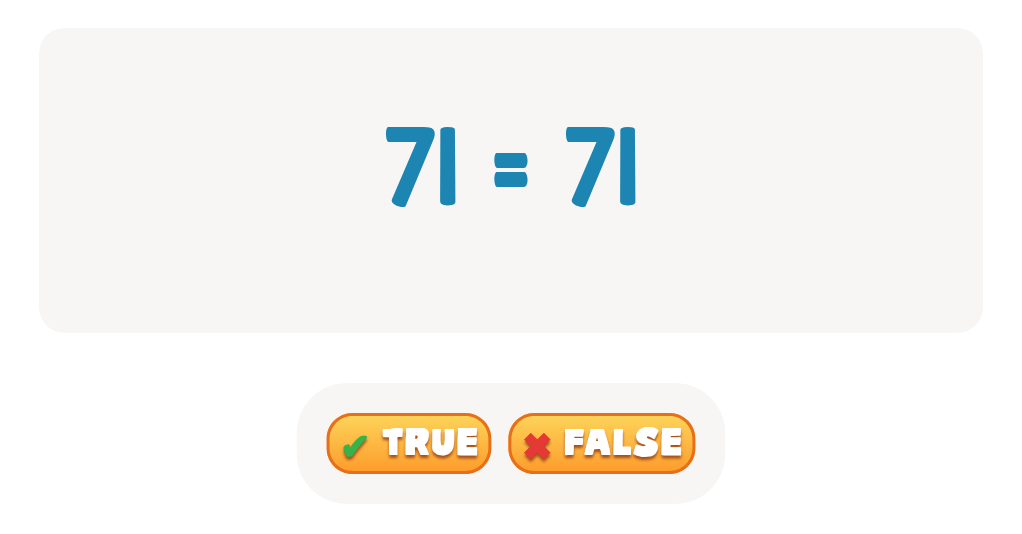
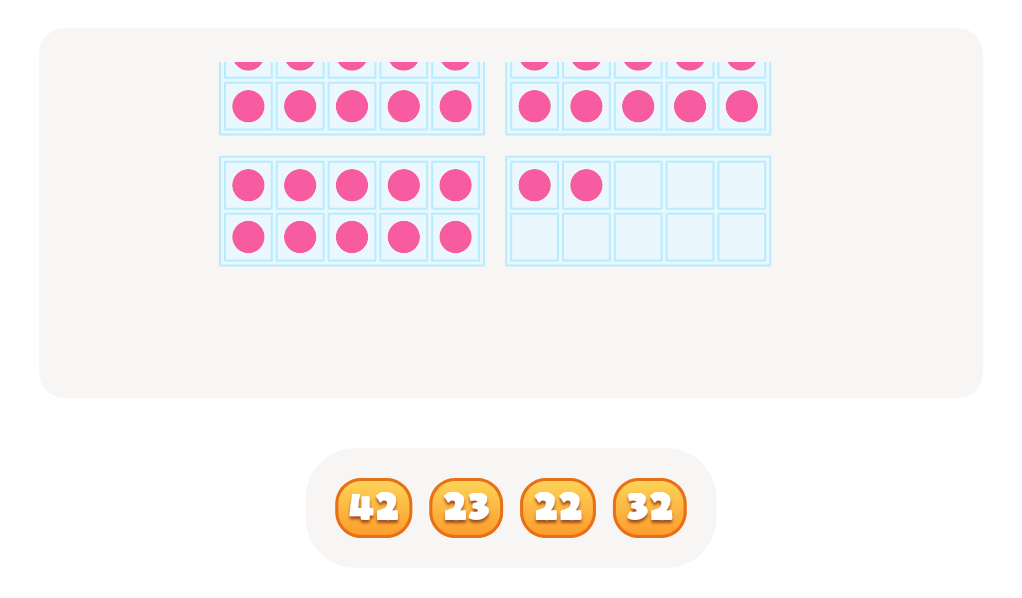
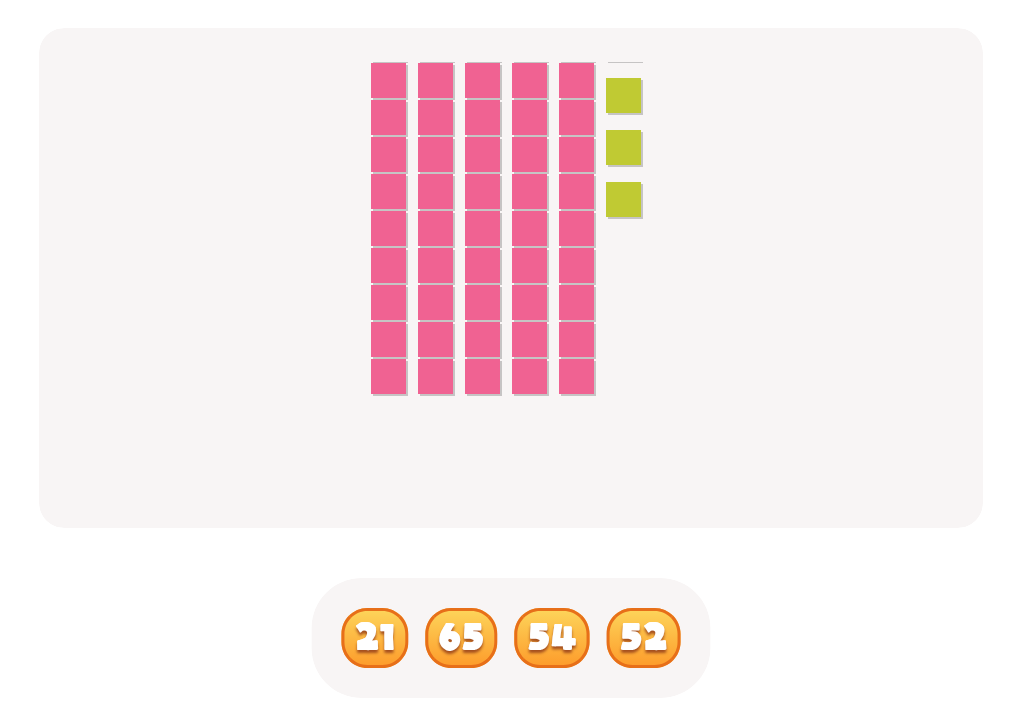
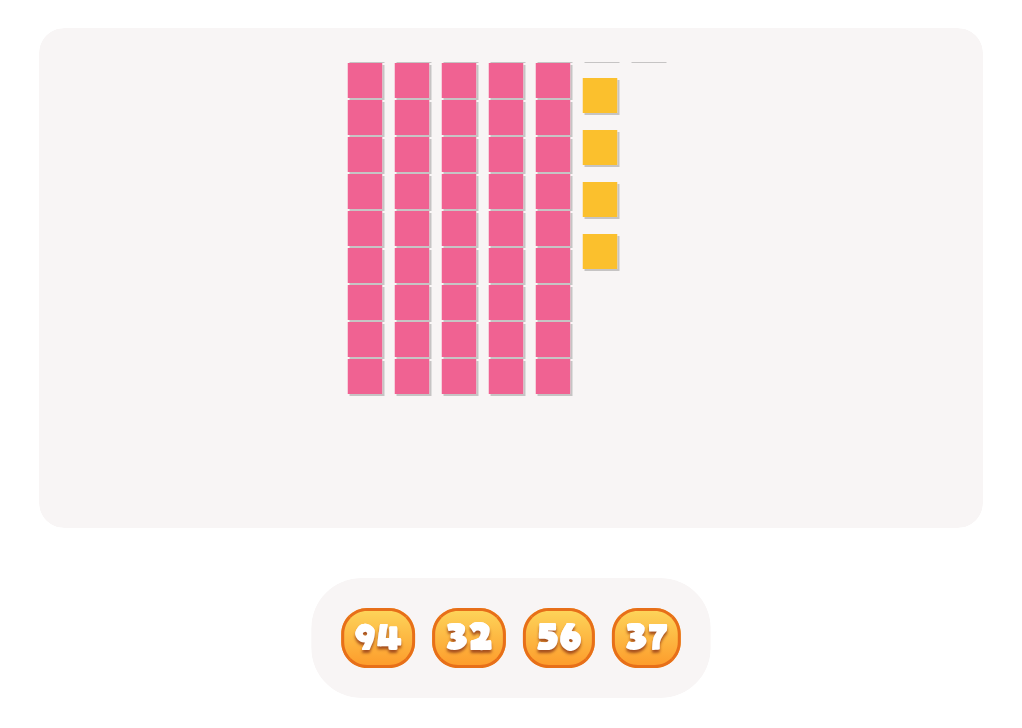
Solve addition problems with your little one: help them count the blocks, then select the correct equation from the choices. Circle the answer. Word play and math make a winning combo!
Representing Addition with Base 10 Blocks Worksheet
Worksheet
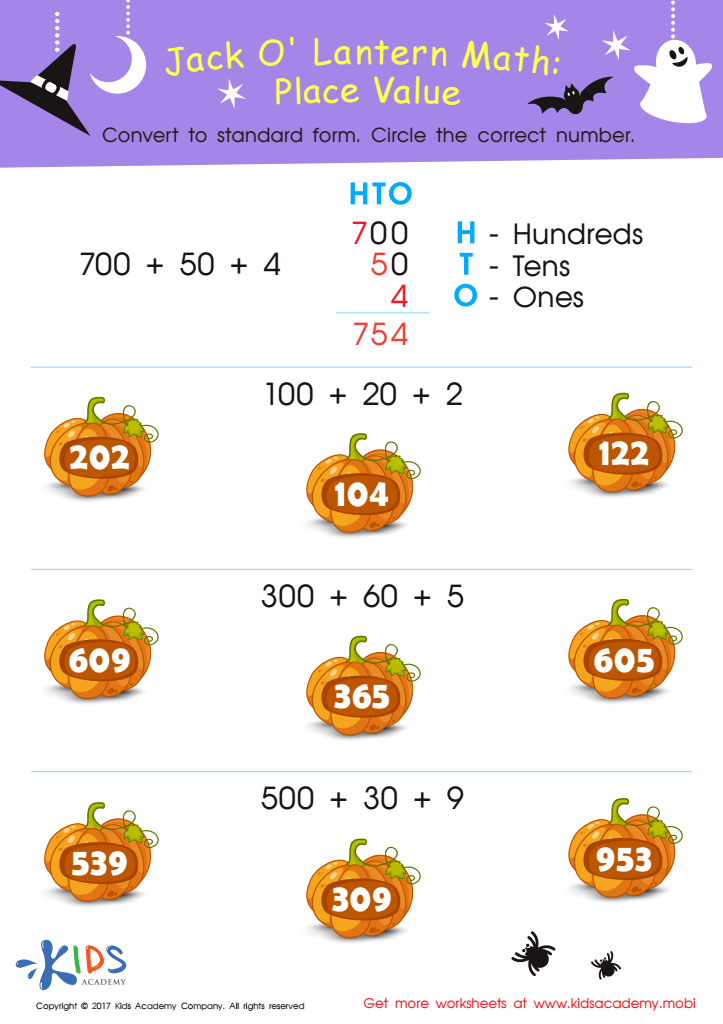
Free Place Value Worksheet
This Halloween-themed worksheet helps children practice converting equations to standard form and understand place value for better problem-solving. Download this free PDF for a fun way to do it!
Free Place Value Worksheet
Worksheet
Join Kids Academy for Free
Who is primarily going to use this learning content?








Enhancing counting skills and understanding place value for children ages 5-7 is critical for their mathematical development and overall academic success. At this stage, children are building foundational skills that will serve as the building blocks for more complex math concepts they will encounter later in their education.
Counting skills are essential not only for arithmetic but also for everyday tasks such as shopping, sharing, and keeping time. A solid grasp of counting allows children to engage confidently in various activities, enhancing their problem-solving abilities and logical thinking.
Understanding place value is particularly important, as it provides the framework for grasping the value of numbers based on their position. This key concept helps children differentiate between, for example, the number 12 (one ten and two ones) versus 21 (two tens and one). Mastering place value enables students to perform addition, subtraction, and eventually multiplication and division with a stronger foundation.
By prioritizing these skills, parents and teachers can foster a love for mathematics, reduce anxiety around numbers, and equip young learners with essential tools that contribute to their cognitive development and lifelong learning journey. Investing in these areas means investing in a child's future academic achievement and confidence in their abilities.